
Reviewed · TEA CEREMONIES
Traditional Chinese Tea Ceremony Experience
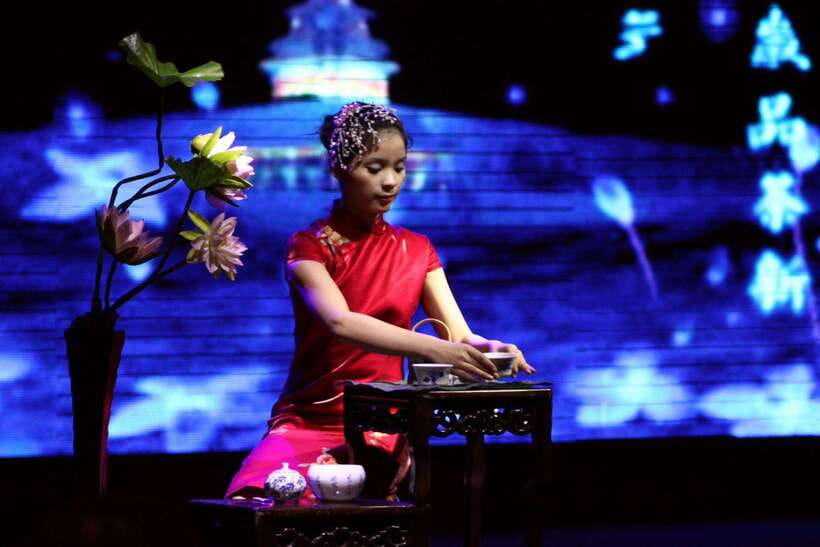
A traditional Chinese tea ceremony in Beijing is interesting because it slows you down and turns a simple drink into a whole ritual. Tea culture here is less about rushing and more about paying attention, with each step designed to be seen, smelled, and shared. I especially like how the host frames it as mindfulness you can actually practice, not just a performance.
I also like the hands-on teaching style. You get to taste five mini cups and learn the practical details that make tea good, like water temperature and steeping timing. The only drawback is that it can run anywhere from 30 minutes to 3 hours, so if you’re on a tight schedule you’ll want to pick a time slot that matches your day.
Key highlights worth knowing
- A real tea-brewing lesson with step-by-step technique, not just a tasting
- Five mini cups of tea included, so you get variety without overloading
- A guided focus on smell and timing, like when to steep and how hot the water should be
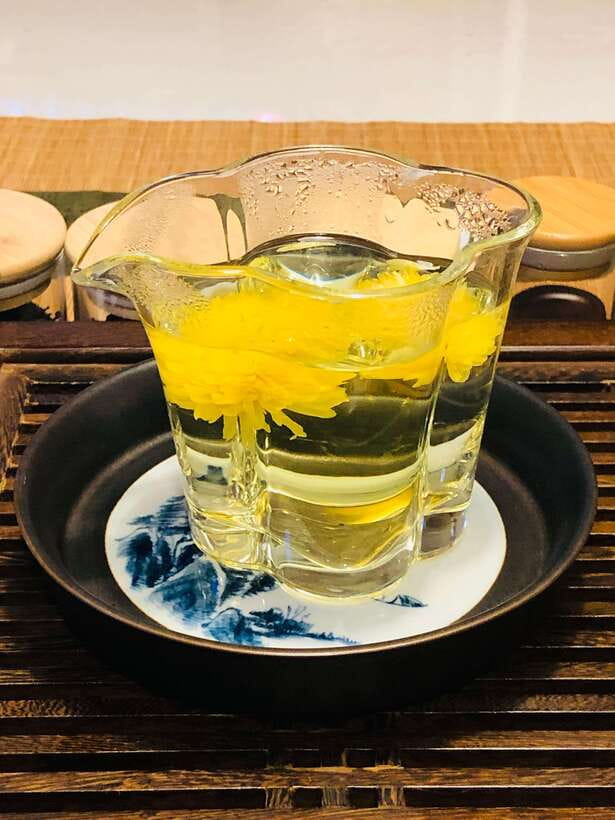
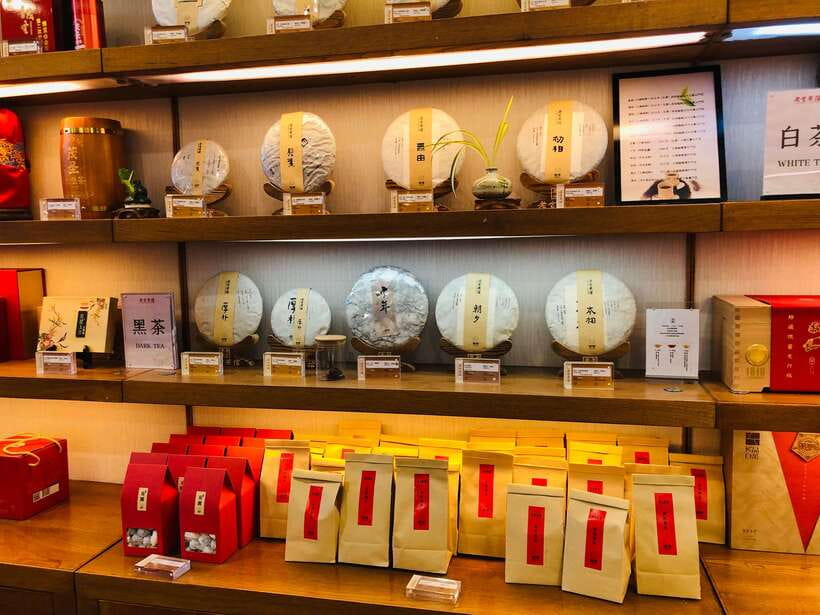
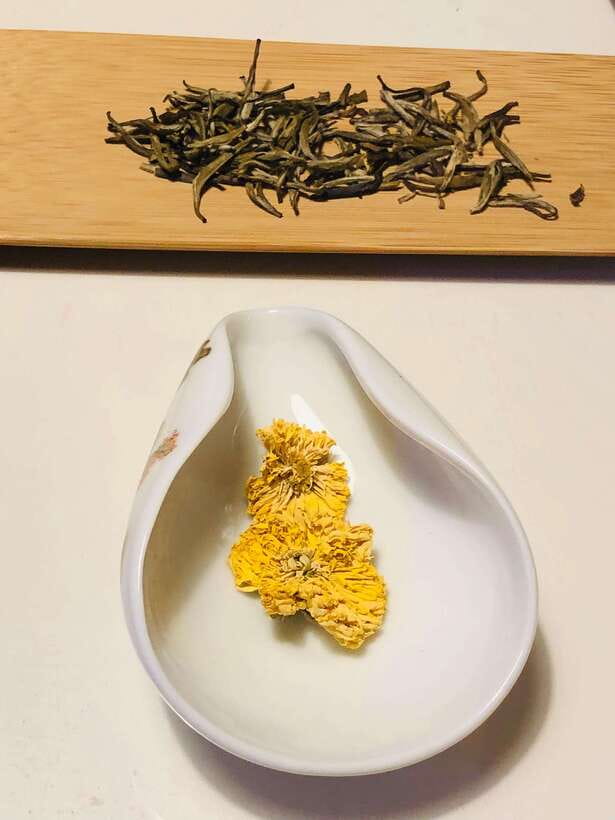
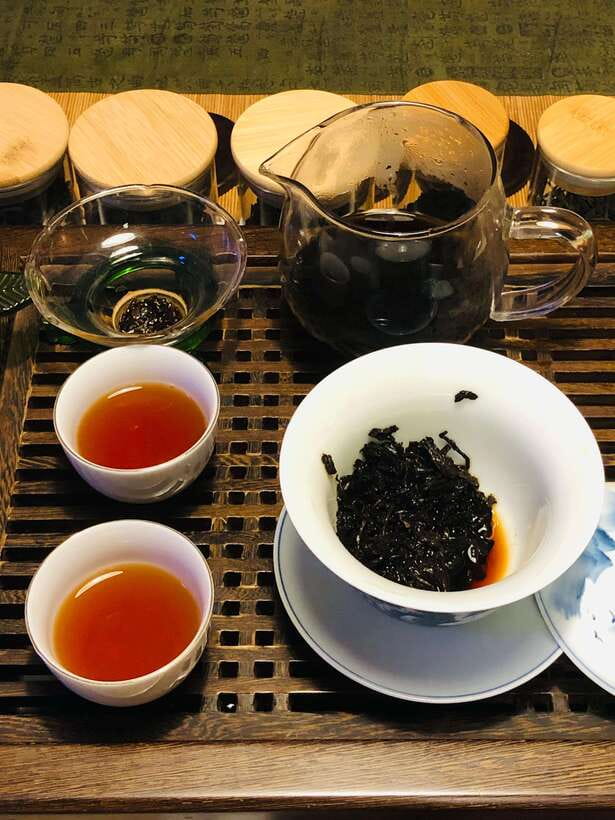
- Multiple tea styles such as oolong, pu-erh, green, jasmine, and flower tea
- English host support, with hosts who have shown strong English skills
- Optional take-home purchases if you want to bring a few leaves home
Tea ceremony in Beijing: what makes this experience feel different
This is the kind of activity that changes how you drink tea afterward. The ceremony treats tea as a crafted experience, where warming the tools, pouring, and even how you hold a cup matters. In a place like Beijing, it also feels tied to daily life and local culture, not some far-off museum reenactment.
You’ll meet a friendly tea master on arrival. The session is built around the idea that tea brewing is an art, and appreciation is a skill you can learn. Even if you’ve never cared about tea before, the structure helps you notice differences fast.
Because there is no sightseeing tour built in, the ceremony becomes the main event. That’s good value for people who want something cultural but not another long walking day.
More Tea Ceremonies in Beijing
- Chinese Tea ceremony in Beijing Hutong courtyard
★ 4.7 · 26 reviews - Private Beijing Markets Tour with Tea Tasting at Hongqiao Pearl Market
★ 5.0 · 18 reviews - Beijing Culture Event: Tradition Music, Tea Ceremony, Calligraphy
★ 5.0 · 11 reviews
Your tasting lineup: oolong, pu-erh, green, jasmine, and flower tea
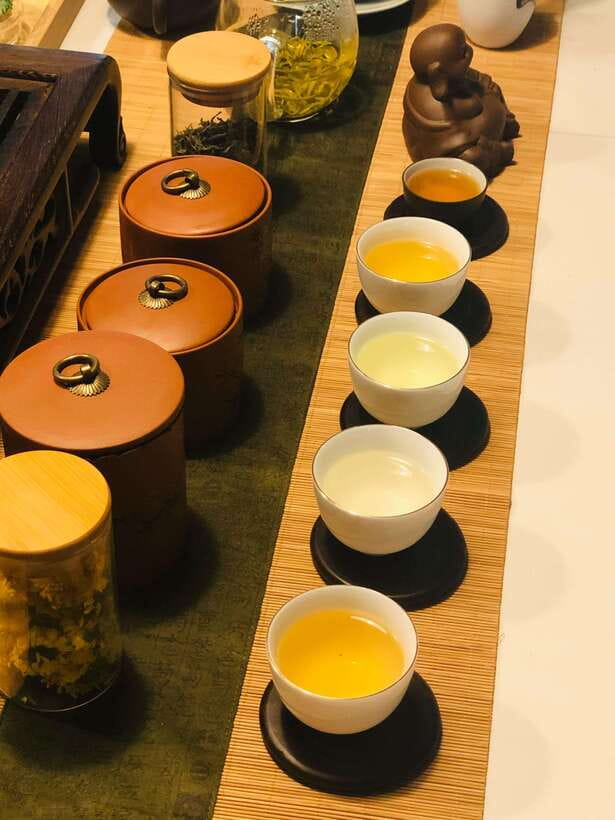
You don’t just get one cup and a shrug. The tea master guides you through tasting several types, including oolong, pu-erh, green tea, jasmine tea, and flower tea.
Here’s why that matters: these teas train your palate in different directions. Oolong often feels balanced and complex, pu-erh can bring earthier depth, green tea tends to taste fresher and lighter, and jasmine or flower tea adds a fragrant floral note. When you taste them in sequence, it becomes easier to understand what each tea is aiming for.
The included format helps too. You get 5 mini cups, which is enough to learn without feeling stuck with a huge drink volume. It’s a smart pace, especially if you’re sharing the experience with kids old enough to join.
How the tea master teaches you: smell, water temperature, and steeping timing
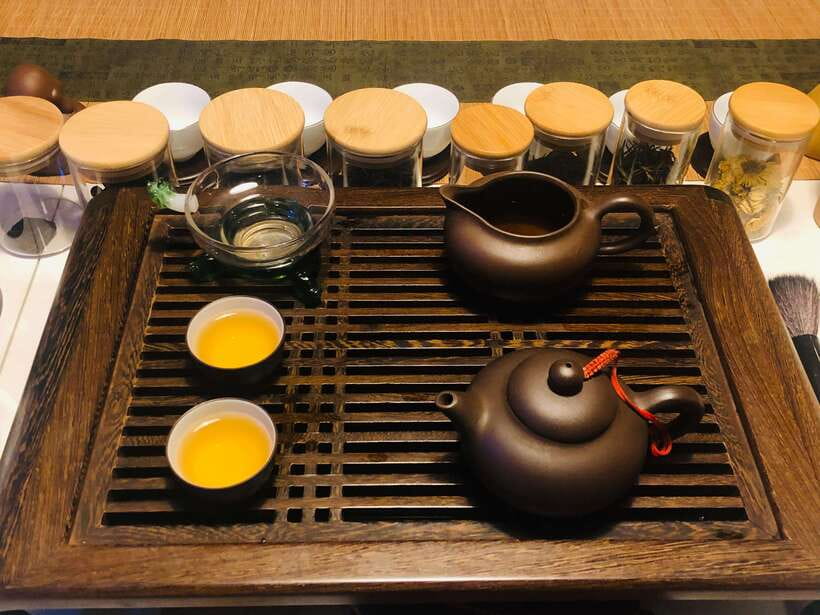
The ceremony is designed around precision. The tea master will demonstrate techniques and then help you connect the steps to the taste you’re getting. You’ll smell the leaves, learn proper water temperature, and understand how steeping time changes the flavor.
This is the part that turns the experience from entertainment into a useful skill. For example, if water is too hot for a tea style, it can push bitterness or harshness forward. If you steep too long, flavors can get heavier or less pleasant. If you steep correctly, you often taste more clarity and a more natural balance.
You’ll also see how the pouring process affects the cup experience. In many traditions, pouring is about distributing flavor evenly. It’s not random, and the tea master shows you how each step has a purpose.
The setting and the people: Hutong Calligraphy and English hosts
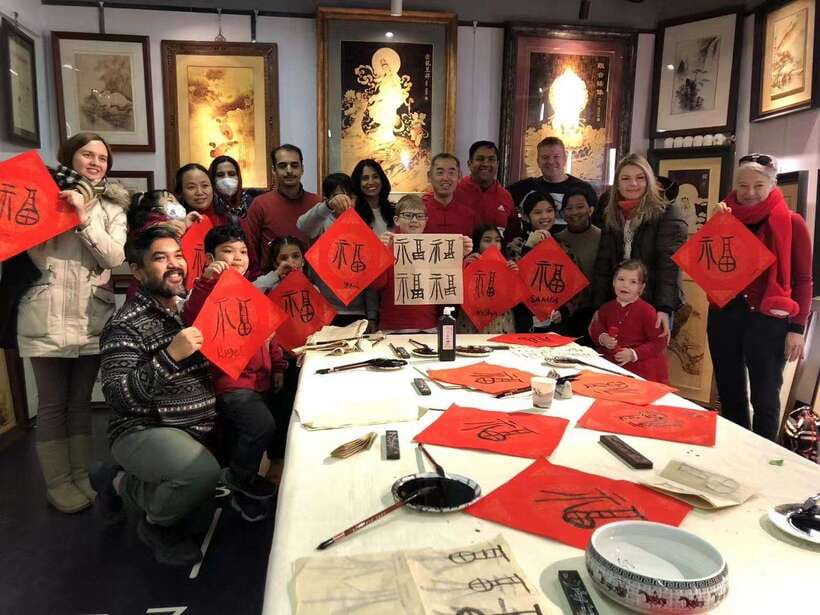
This experience is provided by Hutong Calligraphy, so the vibe is cultural and hands-on rather than strictly tea-only. Even if your focus stays on tea, the operator’s connection to calligraphy can make the atmosphere feel more artsy and thoughtful.
Language is a big deal for this kind of lesson, and the host or greeter is English-speaking. Based on what you may encounter in these sessions, you might be hosted by people like Richard Li, Feye, or Kostya, each with a friendly, explanatory style. The best part is that the teaching tends to be clear enough that you’re not just nodding along.
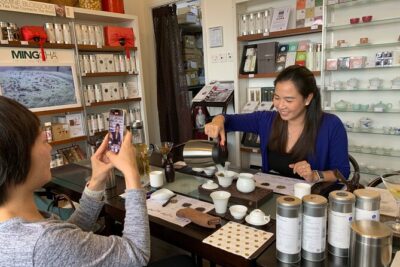
Some hosts also go the extra mile with small gestures, like welcome gifts or taking a photo for you. Those details aren’t the core of the ceremony, but they help the whole experience feel welcoming.
A different sort of day out of Beijing:
- From Beijing: Mutianyu Great Wall Tours with Options
★ 4.9 · 9,216 reviews - Beijing: Forbidden City Tour(Group/Private)-Tickets Included
★ 4.8 · 7,974 reviews - Beijing: T-Square & Forbidden City Group or Private Tour
★ 4.8 · 4,446 reviews - All-Inclusive Tour: Tiananmen Square, Forbidden City, Great Wall
★ 5.0 · 2,873 reviews
Where transportation fits in, and how to not waste time
One practical thing: there is no transportation included. There’s also no tour guide in the broader sightseeing sense. That means the activity is focused on the ceremony itself, and you are responsible for getting yourself to the meeting point.
The meeting point may vary depending on the option you book, so check your confirmation carefully. If you’re using public transit, leave buffer time. A calm arrival helps the master keep the pacing smooth.
Also note that you’ll be asked to leave a WhatsApp number when you book. That’s usually there to help the host coordinate with you, especially if meeting points are flexible.
Price and value: why $9 can actually feel like a bargain
At about $9 per person, this is one of those Beijing activities that can feel like great value if you care about culture you can use. You get a real ceremony and five mini cups of tea, plus instruction on brewing details you can repeat later at home.
The reason value can be high here is that the learning is built into the ticket. You’re not paying only for tea, you’re paying for someone to explain the craft: smelling high-quality leaves, matching water temperature to tea type, and timing the steep correctly.
There is also an optional shopping element. You may be able to purchase tea afterward to take home, but shopping expenses are not included. If you’re the type who always buys souvenirs, great, but you don’t have to. The core value is the ceremony lesson.
Timing: why 30 minutes to 3 hours matters for your day
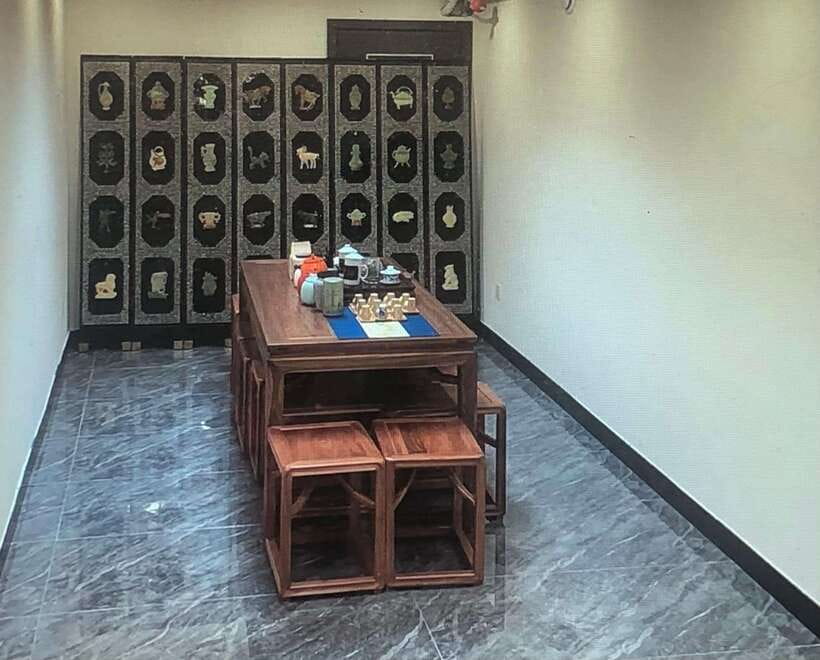
The duration can be 30 minutes to 3 hours, depending on availability and how the session runs. That range is important because tea sessions can feel slow in a good way, but only if you aren’t rushing to another reservation right after.
If you’re doing a heavy day of sightseeing, a shorter slot is usually safer. If your schedule is lighter, a longer session gives the tea master more time to explain steps and guide your tasting.
A helpful mindset: treat this as a break, not a checkbox. The ceremony is designed to slow you down, and that works best when you aren’t sprinting between stops.
Who should book this, and who should skip it
This is a strong fit if you want an authentic, practical cultural activity in Beijing that doesn’t require a big shopping spree or long walking.
It’s also a good choice for families, with one caveat: it is not suitable for children under 7 years. That likely relates to how the session is paced and how long you’re expected to focus.
It is also not suitable for pregnant women, so if anyone in your group falls into that category, choose a different experience.
If you like food, culture, or hands-on lessons, you’ll probably enjoy this a lot. If you hate slow, quiet activities, you might find it a bit too calm for your style.
After the ceremony: taking tea home and getting back
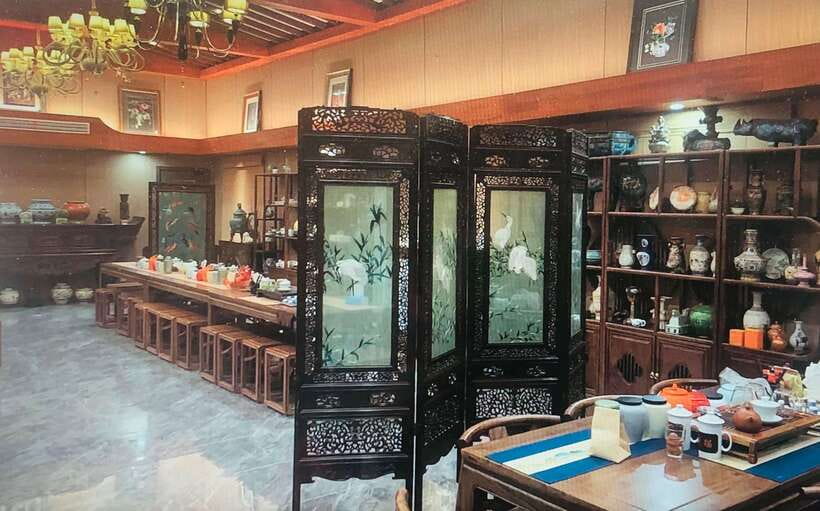
After the tea ceremony, you typically have the option to purchase tea to take home at your own expense. If you want to remember the experience, buying a small selection can be a fun way to practice what you learned later.
When you’re done, the tea master manager will walk you back to the meeting point. That’s useful if the venue is tucked away or if you don’t want to figure out the route immediately after a calm, seated session.
Practical tips before you go
- Wear something comfortable. You’ll likely spend a good chunk of time seated, focusing on small sensory details.
- Plan your next stop with cushion time. The ceremony benefits from not feeling rushed.
- Keep your WhatsApp handy. You’ll need to provide it when you book.
- Decide in advance whether you want to buy tea. The option is there, but it’s your choice.
If you want to get the most out of it, come with one simple goal: learn how the tea changes based on temperature and timing. That single focus makes the tasting feel like a lesson instead of a series of sips.
Final call: should you book the Beijing traditional tea ceremony?
If you want value, clarity, and an experience you can carry home, I’d book it. Five mini cups, guided teaching on water temperature and steeping time, and an English-speaking host make it a smart cultural stop in Beijing.
Skip it if you need constant action or if your schedule is too tight for a session that can run up to 3 hours. And if anyone in your party is under 7 years old, or if someone is pregnant, plan on another option.
FAQ
Where does the tea ceremony take place?
This traditional tea ceremony is offered in Beijing, in northern China.
How long does the experience take?
The duration can be 30 minutes to 3 hours, depending on the option booked and availability.
Is the tea ceremony hosted in English?
Yes. The host or greeter provides the experience in English.
What is included in the ticket?
The included items are the tea ceremony itself and 5 mini cups of tea.
What types of tea will I taste?
You can expect to taste multiple teas, such as oolong, pu-erh, green tea, jasmine tea, and flower tea.
Can I buy tea to take home?
You can purchase tea after the ceremony at your own expense, if you’d like.
Is this suitable for children?
It is not suitable for children under 7 years old.
Are pregnant women able to join?
No. The experience is not suitable for pregnant women.
Latest reviews from Beijing
- 11-Day Private China Tour: Beijing, Lhasa, Xi’an and Shanghai★ 5.0 · 5 reviews
- From Beijing: JinShanLing Great Wall Bus Tour with Ticket★ 4.2 · 5 reviews
- Beijing: Jingshan Park Entry Ticket★ 5.0 · 5 reviews
- Beijing: Top Michelin Vegetarian Restaurant Reservation★ 5.0 · 5 reviews
- Lama Temple, Hutong and Silk & Pearl Market Private Day Tour★ 5.0 · 5 reviews
- Beijing Culture Event: Tea Ceremony, Music Show, Calligraphy★ 5.0 · 5 reviews
- Private Great Wall Hiking Tour: Jiankou to Mutianyu★ 5.0 · 5 reviews
- Beijing Golden Mask Dynasty Show With Private Transfer★ 4.8 · 5 reviews
Tea Ceremonies, compared.

Chinese Tea ceremony in Beijing Hutong courtyard
Read our review →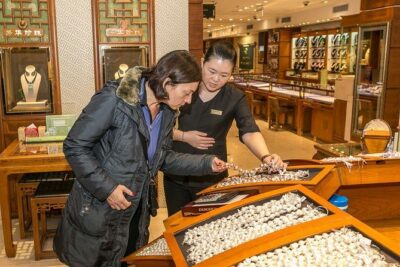
Private Beijing Markets Tour with Tea Tasting at Hongqiao Pearl Market
Read our review →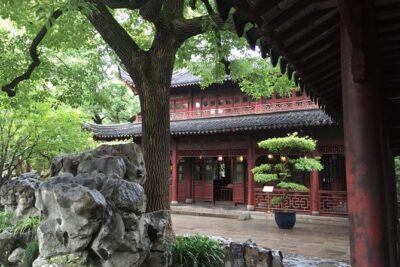
3-Hour Shanghai Yu Garden &Old Town Private Tour with Tea Tasting
Read our review →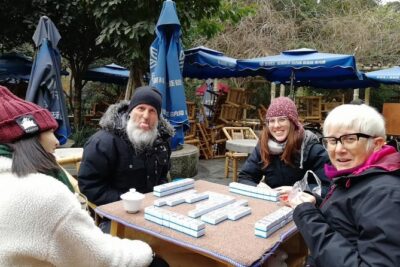
Half-day Private Mahjong course in Local Tea House
Read our review →Private Shanghai City and Zhujiajiao Combo Tour with Boating, Tea Tasting, Lunch
Read our review →Browse the lists this tour appears in