
Reviewed · VEGAN & VEGETARIAN
Beijing: Top Michelin Vegetarian Restaurant Reservation
What makes this experience interesting is that Beijing’s fine-dining spotlight lands on Michelin-star vegetarian cooking, not a compromise. You are also so close to the big sights that this can fit neatly into a day around Tiananmen Square and the Forbidden City area.
I love two things about it right away. First, low-oil, low-salt cooking that still feels like real, serious cuisine. Second, the way head chef Gary’s background blends culinary skill with nutrition and even wine training, so the menu has a point beyond health trends.
One consideration: the reservation helps you get seated and avoid waiting, but your meal is not included. So you should budget for the restaurant spend on top of the reservation fee.
Key things I think you should notice
- Michelin Three Stars + Michelin Green Star recognition in the 2024 Beijing Michelin Guide, with the Green Star maintained for four straight years
- Harvard Business Review coverage, which is unusual for a vegetarian restaurant and hints at a smart, disciplined operation
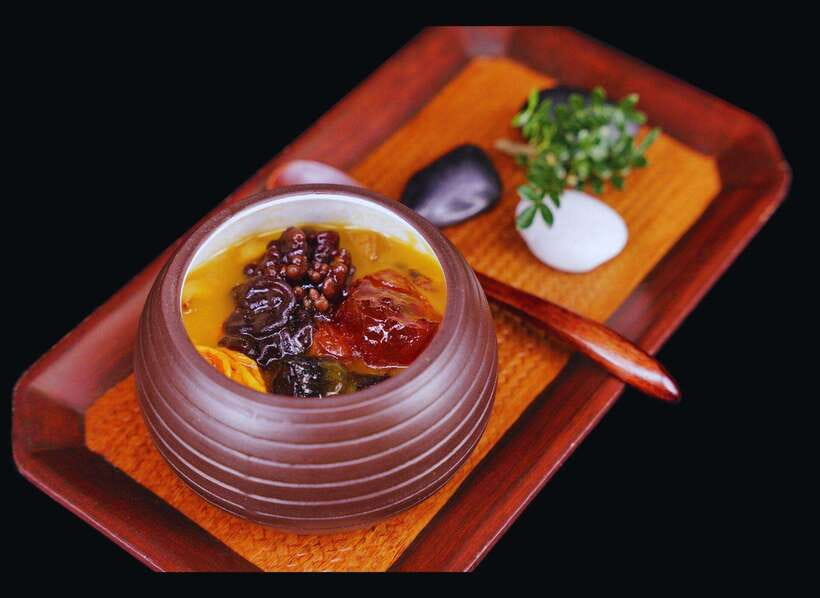
- A menu centered on mushrooms, soy products, vegetables, and whole grains
- A cooking style built around being low in oil, fat, sugar, and salt, with no artificial additives
- A practical 2-hour window, in a small group capped at 10 participants
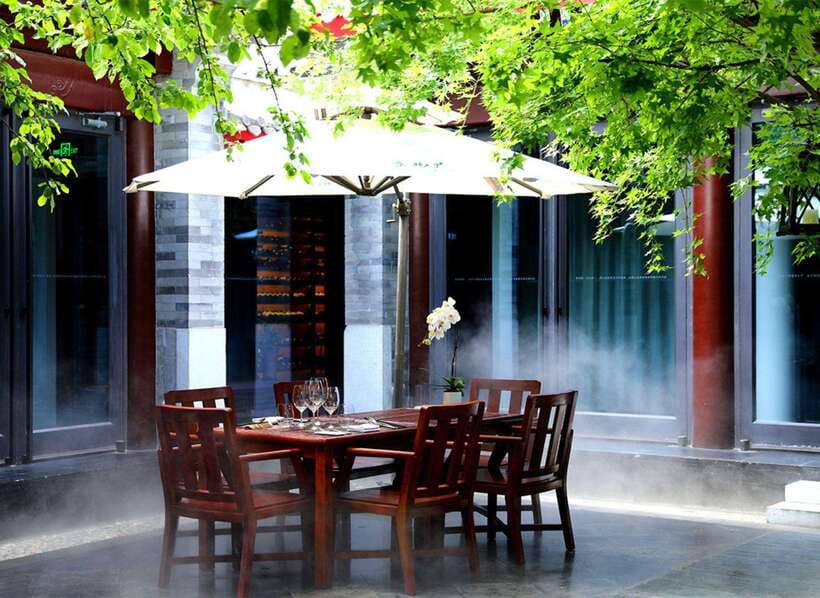
- Location convenience for sightseeing near Tiananmen Square, the Forbidden City, and Yonghe Temple
Jing Zhaoyin is a big deal for more than the label
Let’s be honest, “Michelin vegetarian” can sound like marketing. Jing Zhaoyin earns its reputation in a more useful way: it’s repeatedly recognized for quality, sustainability, and health-minded cooking, not just for serving plants.
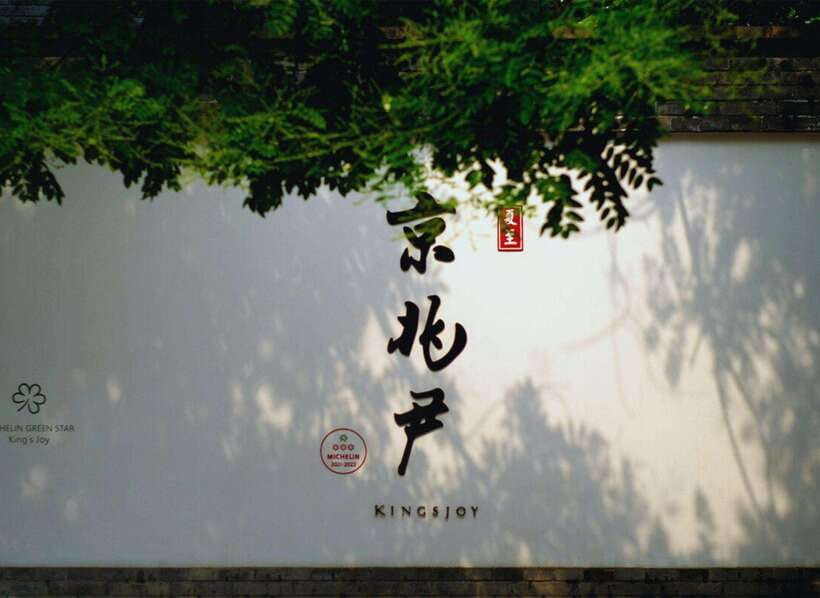
In the 2024 Beijing Michelin Guide, Jing Zhaoyin was awarded Michelin Three Stars. It also maintained its Michelin Green Star streak for the fourth consecutive year. That combination matters. It signals that the kitchen is balancing taste and technique while still sticking to stricter standards around ingredients and sustainability.
Then there’s the business side. The restaurant has been featured in a Harvard Business School case study, published in the Harvard Business Review. That tells me the operation is run with discipline, consistency, and repeatable service, not pure chaos plus luck.
Even if you only care about eating well, this backdrop helps. You’re not just hoping for a good meal. You’re showing up to a system that is built to deliver one.
More Dining Experiences in Beijing
- Old Beijing Dinner Tour
★ 5.0 · 348 reviews - 4-Hour Private Illuminated Beijing Tour with Authentic Chinese Dinner on Hutong Street
★ 5.0 · 34 reviews - Din Tai Fung Dinner and VIP Class River Cruise Experience in Shanghai
★ 5.0 · 31 reviews
What that Michelin Green Star approach means on your plate
The restaurant’s stated philosophy is Joy, Harmony, and Slow Food with Precious Vegetables. That phrase is not just poetic. It lines up with how the menu is described and how the food is prepared.
Here’s the practical version of the promise:
- Ingredients are chosen with an emphasis on wild, organic, and green natural foods
- Cooking methods aim to be low in oil, fat, sugar, and salt
- Dishes are high in fiber
- The kitchen avoids artificial additives
If you eat a lot of Chinese food while traveling, you might notice how often oil and salt quietly take over everything. At Jing Zhaoyin, the goal is the opposite. You should expect dishes where the flavor comes forward from vegetables and fungi, plus careful seasoning rather than heavy frying or sugary sauces.
This also affects how you pace your meal. The food is designed to be satisfying without being greasy or overly salty. So it can work well for travelers who want a lighter evening after busy sightseeing.
One more useful point: because the emphasis is on whole ingredients like mushrooms, soy, and whole grains, you’re less likely to feel like you ate one big “vegetarian substitute.” It’s not about imitation. It’s about building meals from plant staples in a refined way.
The menu focus: mushrooms, soy, vegetables, and whole grains
The highlights are very specific, and that’s good. It means you can mentally prepare for what you’ll taste.
You can look forward to:
- Mushrooms in a starring role
- Soy products (a major backbone of high-quality vegetarian Chinese cooking)
- A range of vegetables
- Whole grains to round out texture and fullness
What I like about this lineup is that it covers multiple food “jobs.” Mushrooms bring umami and depth. Soy gives structure, richness, and protein. Vegetables add freshness and crunch. Whole grains help with staying power.
And because the kitchen is aiming for low oil and low sugar and salt, the flavors should feel clearer. You might not get the same heavy, glossy sauces you see elsewhere. But you should get something more careful, more ingredient-led.
Also, if you are the type of traveler who reads menus and then wonders what to order, this helps. You don’t need to guess your way through. You know the menu theme and can just settle in for the kitchen’s interpretation.
Chef Gary, credentials, and why it matters for your experience
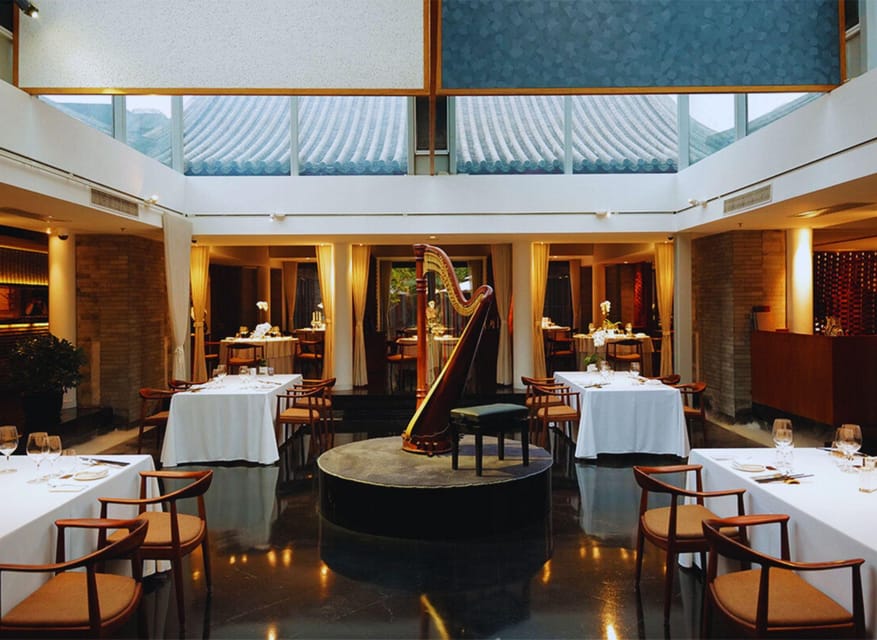
A restaurant can say “healthy” and still serve food that tastes tired. Jing Zhaoyin’s info on chef Gary is one reason I trust the direction.
Gary is identified as the head chef, with roots in Beijing and a family culinary heritage that shaped his approach. What stands out is the mix of training:
- A bachelor’s degree from the Rotman School of Management at the University of Toronto
- An MBA from Glion Institute of Higher Education in Switzerland
- WSET Level 2 certified sommelier
- Credentials in nutritional science from Cornell University’s Department of Plant Sciences
Even if you never touch wine, that last part matters. It suggests the chef is thinking about nutrition in a hands-on way, not just branding. The sommelier credential also hints that flavors and pairings likely get treated with seriousness.
So for you, the payoff is a meal that is more intentional. Instead of “healthy” meaning bland, it suggests “healthy” means the kitchen has a method. Low oil and low salt does not happen by accident. Someone has to measure, taste, and adjust.
More places to eat in Beijing:
- Beijing:Temple of Heaven Private Tour w/Option Show & Dinner
★ 4.8 · 18 reviews - Beijing Evening Tour: Chaoyang Acrobatic Show with Peking Duck Dinner
★ 5.0 · 13 reviews - Beijing Hutong Dinner and Beer Walking Private Tour
★ 5.0 · 9 reviews - Beijing: Acrobatic Show with Peking Duck Dinner Private Tour
★ 4.9 · 8 reviews
Where it is, and how to use it for a smart day around central Beijing
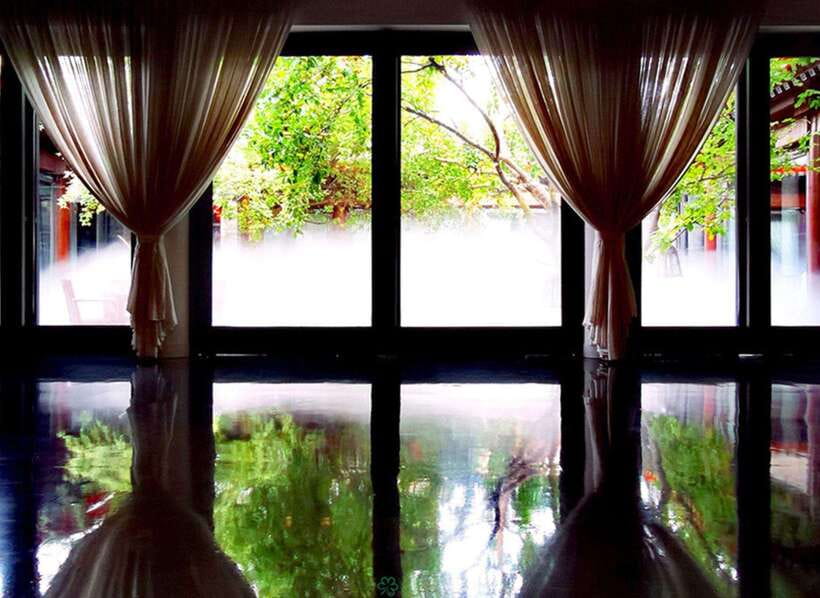
Jing Zhaoyin is very close to big-name landmarks:
- Tiananmen Square
- The Forbidden City
- Yonghe Temple
This proximity is valuable because it lets you do something many visitors struggle with. You can plan one strong sightseeing block, then return to a calm, table-based meal without crisscrossing the city.
Practical tip: aim for a reservation when you are not at peak fatigue. After a long walk near the Forbidden City, a lighter, less greasy dinner can be a win. If you do lunch, you might enjoy it as a midday reset before you tackle more streets afterward.
Another perk for logistics: the reservation service is built so you arrive at your reserved time. That helps you skip the standing-around wait that can happen at popular places. You get your seat, then you get fed.
Price, value, and what you should budget
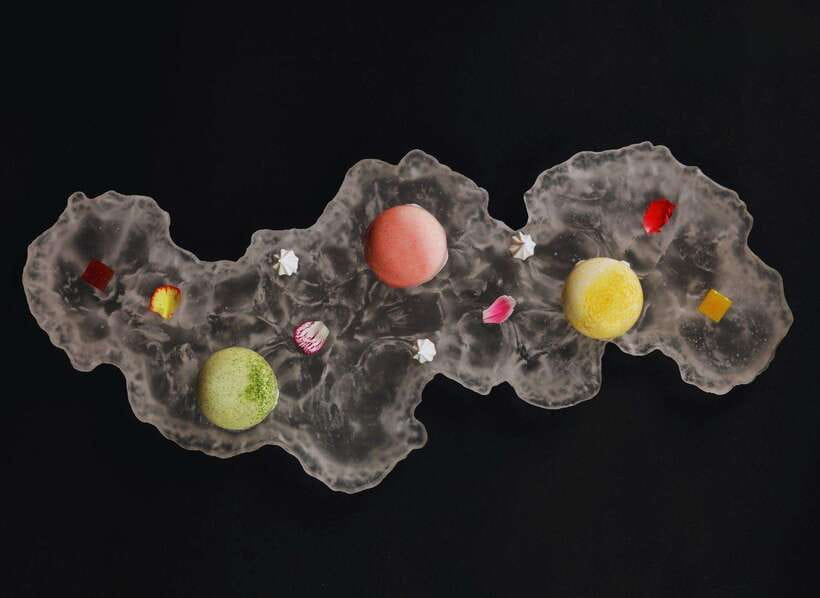
You will see two numbers floating around in the details.
- The reservation service fee is listed as about $7 per person.
- The average spending per person at the restaurant is given as around 1200 RMB.
Since dining expenses are not included, your true cost is the restaurant meal plus the reservation fee. The reservation part is basically paying for convenience and timing control, not paying for the food.
Is it worth it?
If you care about Michelin-level vegetarian cooking, it can be. One, you get a guaranteed table rather than gambling with your schedule. Two, the restaurant’s recognition (Michelin Three Stars and the Michelin Green Star) signals you are paying for technique and ingredient discipline, not just a theme.
Also, the meal is described as low in oil, fat, sugar, and salt. That kind of cooking often takes more effort in the kitchen. Achieving flavor without heavy salt and oil is harder than it sounds.
So my take: if your budget allows, this is a high-value splurge. If your budget is tight, treat it as a “one big dinner” item and plan your other meals more simply.
How the 2-hour experience typically plays out
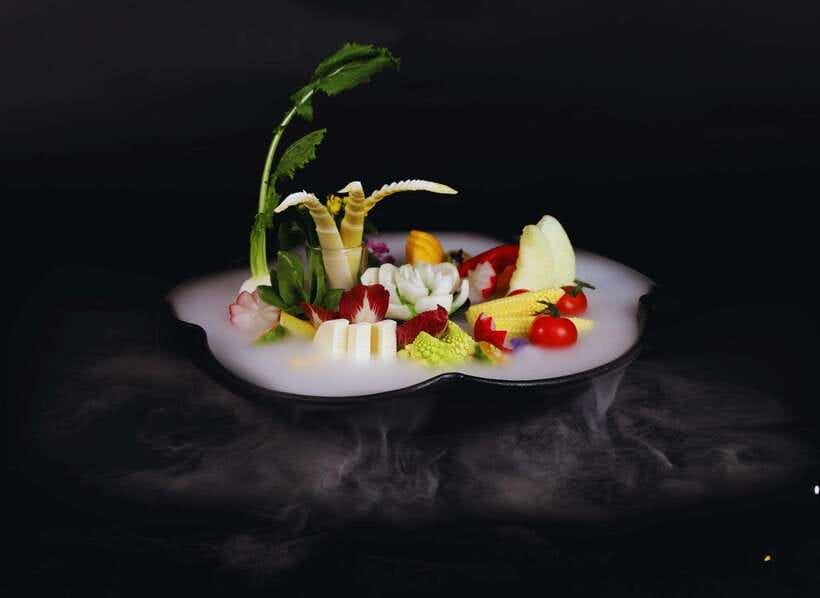
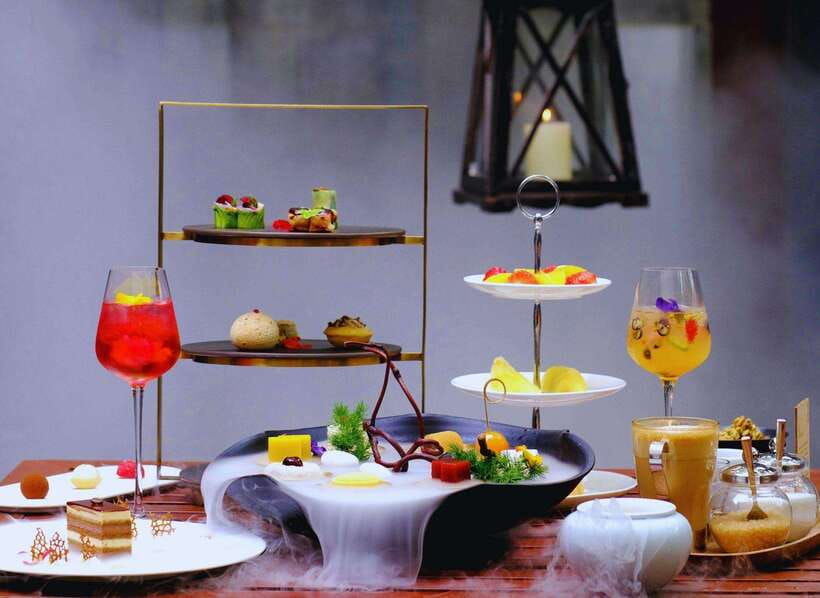
The service duration is 2 hours, and it’s offered for lunch, dinner, and afternoon tea. The key point is that you are not just buying entry. You’re reserving a seating slot, then letting the restaurant do its thing.
Here’s what you can expect in real time:
- You arrive around your reserved time and get seated.
- You enjoy a meal built around the restaurant’s plant-forward theme: mushrooms, soy, vegetables, whole grains.
- The kitchen’s cooking method aims for low oil, low fat, low sugar, and low salt, with an emphasis on fiber and no artificial additives.
- You finish within the 2-hour window so you can keep moving with the rest of your day.
Because it’s limited to a small group of up to 10 participants, you should feel less like a factory tour. You get the restaurant vibe, not the stampede vibe.
One more detail to file away: smoking is not allowed. This is normal, but it’s worth knowing so you can avoid any annoying surprises if you are sensitive to it.
Accessibility and comfort for different travelers
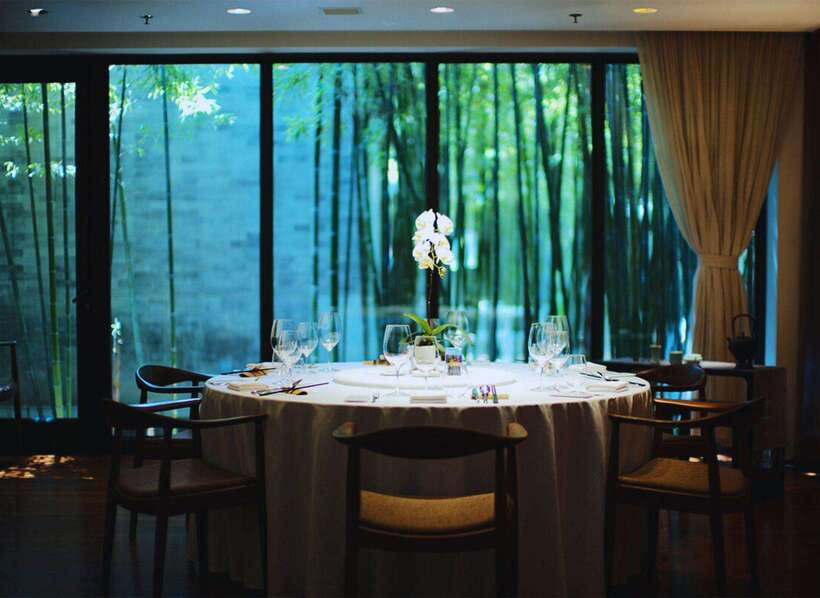
This reservation service is listed as wheelchair accessible. That matters because it can be harder than it sounds to find smooth, table-based access at popular Beijing restaurants.
Also, the small group size of up to 10 participants can help with comfort. You will spend time in one place, at one meal, instead of bouncing around with a bigger tour crowd.
Who should book this reservation
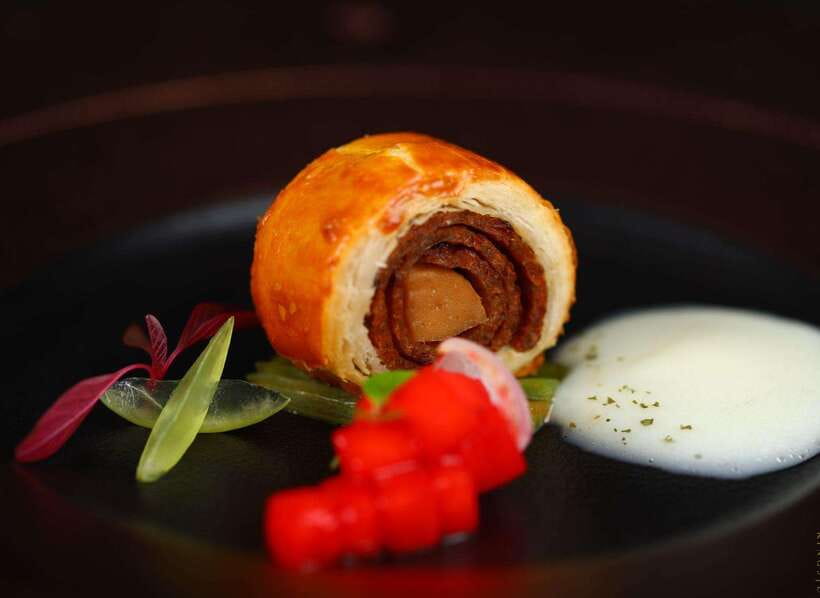
This is a strong fit if you:
- Want a Michelin experience that stays plant-based and is not built on meat substitutes
- Prefer meals that feel lighter, not heavy or greasy
- Like when food is tied to a clear method, in this case low oil, salt, sugar, and fat plus ingredient quality
- Are visiting central Beijing and want a restaurant that slots cleanly near Tiananmen Square and the Forbidden City area
It may be less of a fit if you want a very loud, nightlife-style dining scene. This is framed more like disciplined, slow-food style eating with precious vegetables and harmony. If you hate structured meals and prefer casual street food energy, you might find this calmer than you expect.
Should you book Jing Zhaoyin?
If you want one meal in Beijing that feels thoughtful, ingredient-led, and seriously recognized by Michelin and beyond, I’d book it.
The easiest decision rule is this: if you are excited by mushrooms, soy, vegetables, and whole grains, and you like the idea of a restaurant that aims for low oil, low salt, and no artificial additives, this is exactly your lane. The convenience factor also helps. A reservation service for a top restaurant saves time and stress, especially when you are already juggling sightseeing near Tiananmen Square and the Forbidden City.
If your budget is tight, consider it a splurge but still worth planning, because you are paying for a guaranteed seat at a Michelin Three Stars vegetarian restaurant, with a Green Star focus on sustainability and health. That is not something you stumble into on the walk between sights.
One last tip: plan your meal timing around your energy. After a morning of walking, the lighter cooking style can feel like a reward, not a chore.
FAQ
Where is Jing Zhaoyin in Beijing?
It is very close to Tiananmen Square, the Forbidden City, and Yonghe Temple.
How long does the reservation service last?
The experience duration is 2 hours.
What is included in this booking?
You get a reservation service for lunch, dinner, or afternoon tea.
Are the dining costs included?
No. Dining expenses are not included.
What does the meal focus on?
The menu centers on mushrooms, soy products, vegetables, and whole grains, with a cooking style described as low in oil, fat, sugar, and salt.
When can I eat there?
The restaurant’s opening hours are 11:00 AM to 9:00 PM.
Is there free cancellation?
Yes. You can cancel up to 24 hours in advance for a full refund.
Do I need to pay right away?
No. You can reserve now and pay later.
Is smoking allowed?
No. Smoking is not allowed.
Is it wheelchair accessible, and how big are the groups?
Yes, it is wheelchair accessible. Groups are limited to 10 participants.
Latest reviews from Beijing
- 11-Day Private China Tour: Beijing, Lhasa, Xi’an and Shanghai★ 5.0 · 5 reviews
- From Beijing: JinShanLing Great Wall Bus Tour with Ticket★ 4.2 · 5 reviews
- Beijing: Jingshan Park Entry Ticket★ 5.0 · 5 reviews
- Beijing Culture Event: Tea Ceremony, Music Show, Calligraphy★ 5.0 · 5 reviews
- Lama Temple, Hutong and Silk & Pearl Market Private Day Tour★ 5.0 · 5 reviews
- Private Great Wall Hiking Tour: Jiankou to Mutianyu★ 5.0 · 5 reviews
- Beijing Golden Mask Dynasty Show With Private Transfer★ 4.8 · 5 reviews
- Beijing: Great Wall Hiking Tour from Jiankou to Mutianyu★ 5.0 · 5 reviews
Vegan & Vegetarian, compared.
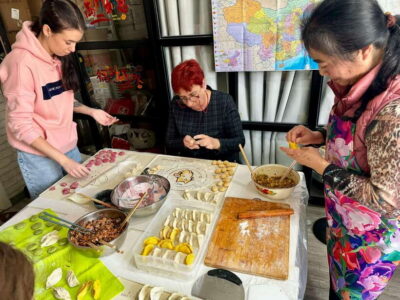
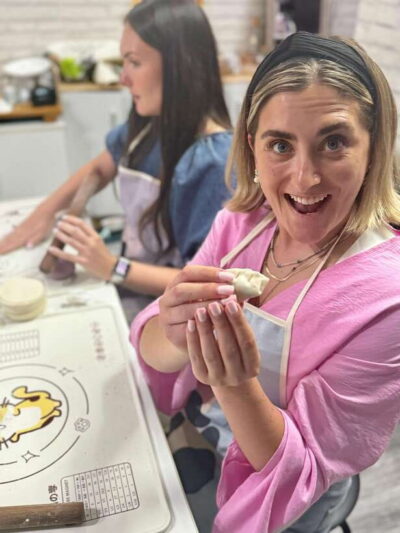
Cooking Dumpling&Taste Local Food-Tip Based w/Vegan
Read our review →
Half-day Private Panda Tour with Vegetarian Lunch in Nunnery
Read our review →
Half-Day Walking Tour with a Vegetarian Lunch at a Nunnery
Read our review →
Make Soup Dumpling: Vegan or Pork in Shanghai Shikumen
Read our review →
Browse the lists this tour appears in