
Reviewed · DUMPLING CLASSES
Make Soup Dumpling: Vegan or Pork in Shanghai Shikumen
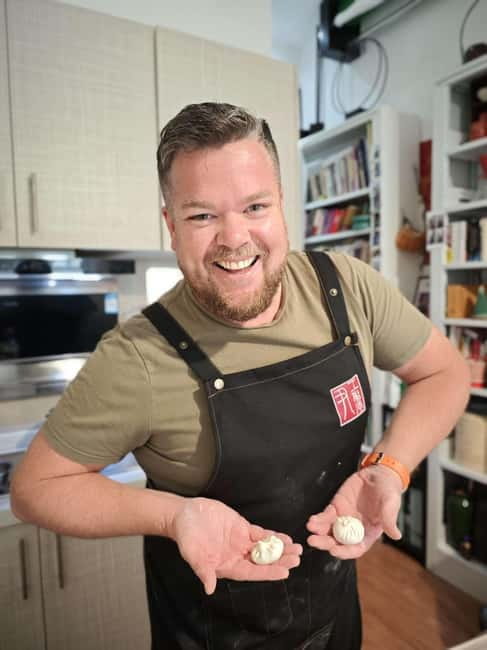
This class is interesting because you do more than taste xiaolongbao, you build them step by step in a historic Shanghai lane house kitchen. I love the choice between vegan or pork filling, because it lets you match the dish to your comfort level. I also love the focus on the how, Chef Yin guides your dough, wrappers, and that iconic 18-fold pleat so your dumplings actually hold soup.
The main drawback to plan for is time and expectations. It is a 2.5-hour hands-on session, and one review noted the vegan version can taste a bit lighter with less visible soup, so you should go in ready to learn technique, not just chase restaurant-level results on day one.
Key things to know before you go
- Pick vegan or pork: one filling is included in the base price, with a dual-filling option to make both
- Chef Yin teaches the 18-fold with real-time fixes as you shape and seal
- You cook and steam in Shikumen in a lane house style kitchen setting
- Two paths for filling: vegan is cooked in class, pork mixes raw with ginger, scallions, and aspic
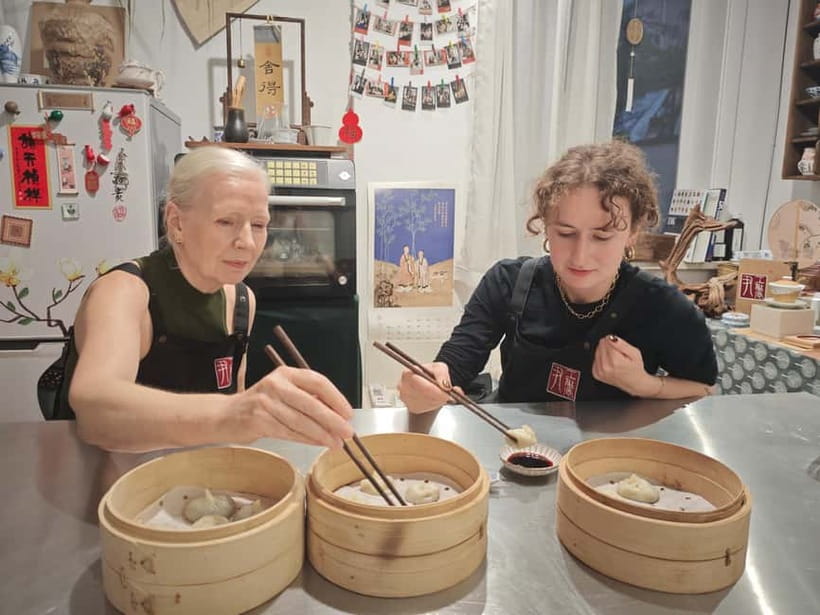
- Bamboo basket steaming and a classic finish with black vinegar and ginger, plus tea
- Finding the place can take a moment, but you get a detailed video direction beforehand
Soup dumpling class in Shanghai Shikumen, not a showroom meal
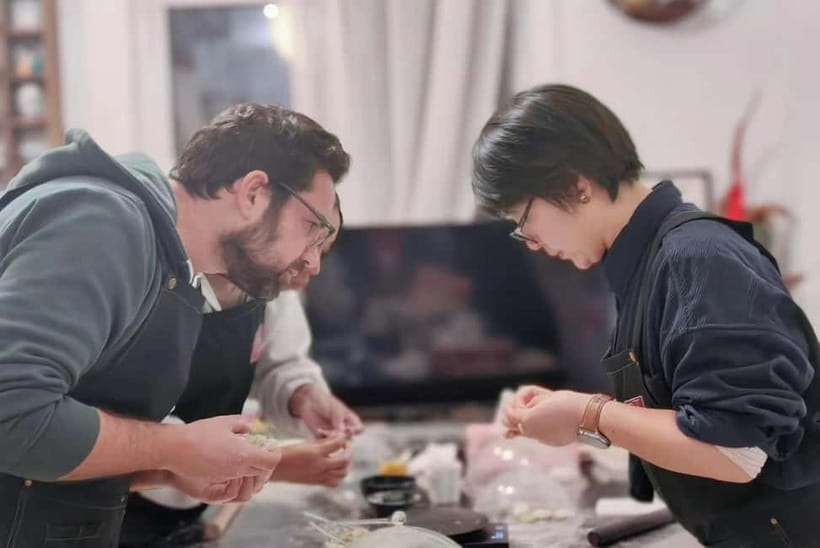
Shanghai soup dumplings have a reputation for being fussy. That is exactly why this class feels like a smart way to spend your time in the city. Instead of watching someone else do everything, you practice the core skills that make xiaolongbao work: dough elasticity, wrapper thickness, filling balance, and pleat technique.
I like that the experience is tied to Shikumen lane house cooking. The setting matters because it puts the food in context. Chef Yin shares tea taste and food history while you work, so the meal is not just a craft project. It is also a cultural walkthrough in real time, with you building the dish as she explains what changes when you get the texture right.
More Dumpling Classes in Shanghai
- Shanghai-Cooking Dumpling & Meal in Local Family-w/Vegan
★ 4.9 · 36 reviews - Vegan Soup Dumpling Making in Shanghai
★ 5.0 · 17 reviews - 2.5hrs Chinese Kitchen Cooking Class: Xiaolongbao Soup Dumplings
★ 5.0 · 12 reviews
Vegan or pork filling, and how that affects the whole experience
One of the best parts here is the clear choice. Your base price includes one filling, either vegan or pork. That choice changes what you do during class, and it also changes your personal comfort level with ingredients.
The vegan track
If you choose vegan, you cook the filling in class. You will sauté aromatic ingredients and vegetables using umami-rich broth. The practical upside is you get a hot, cooked filling right in front of you, and you will not be handling raw meat.
The pork track
If you choose pork, you mix raw minced pork with ginger, scallions, and aspic, which is gelatinized broth. This is where the class is most hands-on, because you are building the soup component into the dumpling structure before steaming.
A different sort of day out of Shanghai:
- Authentic Local Food Tour in Central Shanghai
★ 5.0 · 1,382 reviews - Zhujiajiao Water Town and Shanghai City Private Day Tour
★ 5.0 · 1,016 reviews - Private Shanghai Full Day City Tour with Old and New Highlights
★ 5.0 · 995 reviews - Shanghai: 3-Hour Local Food Tasting Tour
★ 4.9 · 806 reviews
What this means for you
If you are excited by technique, both options are fun because they train different skills. If you are sensitive to raw ingredients, go vegan. If you are chasing the classic soup experience, pork is the obvious fit based on what is described, including the aspic component.
Dough making and wrapper crafting, the two skills that actually transfer
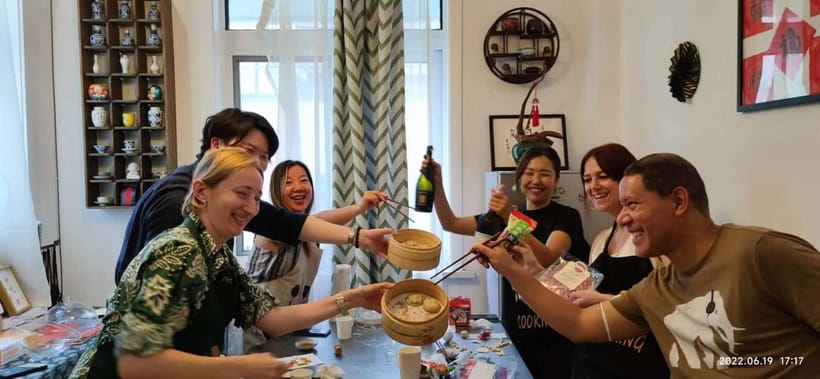
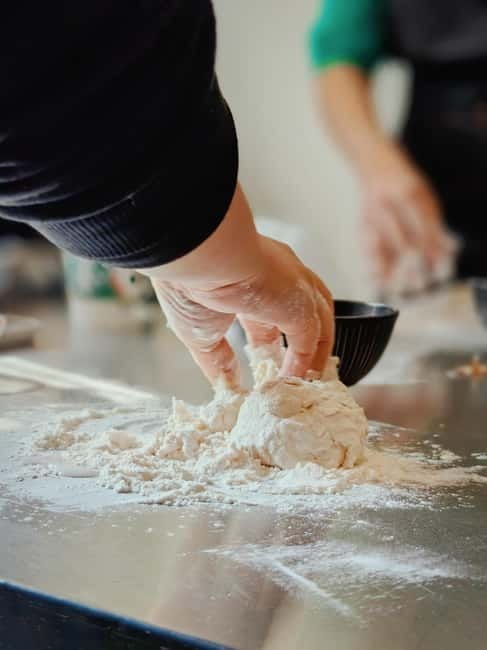
Most cooking classes teach you a recipe. This one teaches you what to feel. You start by making the soup dumpling dough from scratch, and Chef Yin shows you the precise water-to-flour ratio for the right elastic texture. Then you knead and rest the dough under her guidance.
After that comes wrapper crafting. You roll translucent, palm-sized wrappers using traditional techniques. The point is not only to make circles. Chef Yin emphasizes that thickness at the center versus the edges matters for soup retention. In plain terms, if the center is too thin, you lose control. If the edges are uneven, the pleats can fail to seal.
Why this matters when you cook later
If you ever try xiaolongbao at home, you will learn quickly that the wrapper is the whole game. Here you get to practice the exact fundamentals, and you also learn what you should watch for as you roll. That makes the “take home recipes” more useful, because you will already know what to adjust if your dough feels different or your dough tears.
The 18-fold pleat, where the class turns into a real lesson
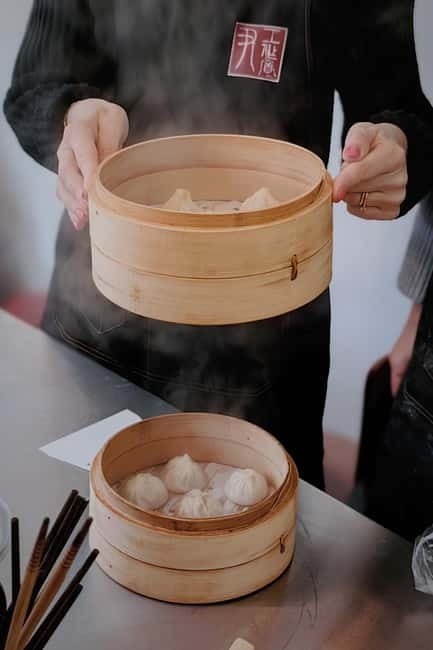
Now for the part everyone talks about: shaping the dumplings using the 18-fold technique. Chef Yin walks you through twisting, sealing, and creating the signature crown shape. The key is her real-time corrections.
This is not theoretical coaching. You make the dumpling, she looks at it, and she helps you adjust how you twist and seal so the dumpling holds its soup. That feedback loop is exactly why I think this class is worth doing even if you have never folded dumplings before.
A practical tip based on the way the class runs
Give yourself time. Making dough, rolling wrappers, prepping filling, and then pleating takes focus. One helpful tip from past participants is to eat something beforehand, because arriving hungry can make the prep feel even longer than you expect. If you start the class with a small snack, you will enjoy the learning process more and not spend your energy waiting for lunch.
Steaming, then eating with black vinegar and ginger
Once your dumplings are shaped, you steam them in bamboo baskets. This is where the whole structure is tested. If your pleats seal well and the wrapper thickness is balanced, the dumplings come out ready for the classic xiaolongbao move: bite, careful sip, then the dumpling itself.
You finish by eating what you made with black vinegar and ginger, plus tea. That pairing is not random. It gives you acidity and bite for the dumpling richness, and the tea helps reset your palate while you keep eating.
What you should expect from the final taste
Your final results depend on your technique, and dumplings are unforgiving. The class is designed to teach you how to improve. One review also mentioned that the vegan version tasted a bit fade and had very little true soup in the filling. That is a good heads-up: if you choose vegan, go in wanting to learn skill and build flavor, not expecting identical soup intensity to pork.
What you actually get for $120, and how the options change value
Let’s talk value honestly. The price is $120 per person for a 2.5-hour class. That includes all materials and tools for one filling, plus good-quality tea and a studio gift.
On top of that, the experience has real labor baked in. You are making dough, rolling wrappers, prepping filling, shaping pleats, and steaming. The class also includes English, Japanese, and Chinese instruction from Chef Yin. You are not just buying a meal, you are paying for coaching and the ingredients required to produce dumplings from scratch.
Add-on cost: make both fillings
If you want to try both, there is a dual-filling add-on (+$20 per person). You also extend the session by 30 minutes so you can craft vegan and pork dumplings side-by-side.
Is it worth it? If you are traveling with someone who has different preferences, it can be. If you are curious and want comparison, it is also a fun upgrade because you will see how technique carries across both fillings. If you are on a tighter schedule, stick with your chosen filling and use the time to master it.
Instructor support from Chef Yin, plus a note on directions
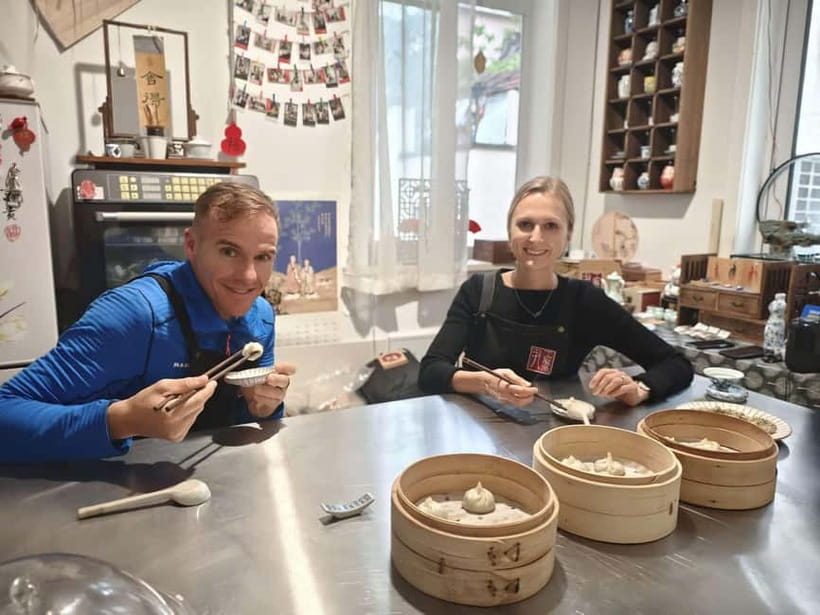
Chef Yin is the center of the experience. Reviews describe her as friendly, entertaining, and kind, and they highlight that she explains well and takes time with corrections. People also mention that she shares a lot about Shanghai and food history as you work, not just during the cooking steps.
The class location is described as central and accessible by public transport, but the actual workshop room can be a bit hard to find. The good news is you get a detailed video description beforehand, and in at least one case she picks you up at the street. That means you are unlikely to wander too long, but you should still plan to arrive a few minutes early and not treat directions like an optional extra.
Getting the timing right, plus what to bring mentally
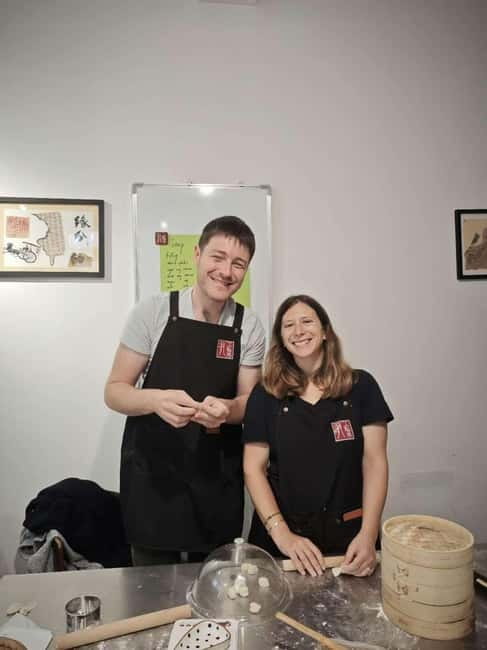
This is a 2.5-hour class, and if you choose the dual-filling add-on, you add 30 minutes. That is enough time to learn, mess up a bit, fix your mistakes, and still steam dumplings at the end.
Because it is hands-on, your energy matters. The best strategy is simple:
- Eat something small before you arrive
- Wear comfortable clothes for kneading and handling dough
- Expect to slow down while you learn the 18-fold
Also, you will take home recipes. Even if your dumplings do not look perfect your first try, having recipes plus the muscle memory from shaping and steaming will help you reproduce the results later.
Who should book this Shanghai soup dumpling class
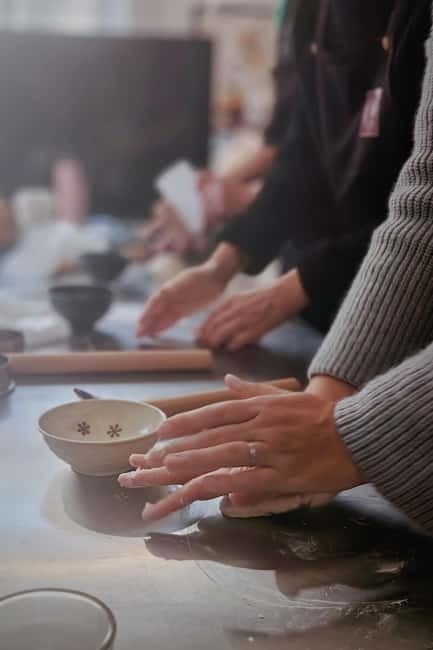
I think this class is a great match if you like skill-based cooking and want something more personal than a standard tour meal. You will enjoy it if you want to:
- choose vegan or pork based on preference
- practice dumpling dough, wrapper thickness, and sealing technique
- get coached in the 18-fold pleat so your dumplings stay intact
- eat with classic vinegar and ginger and have tea included
- learn a bit about Shanghai lane house food culture through Chef Yin’s talk
It may be less ideal if you only want a quick, no-effort food stop. This is work, but good work. Also, if you are strictly chasing maximum soupiness and you choose vegan, you might be disappointed based on one taste note about lighter filling and less soup.
Should you book it
Book it if you want a hands-on Shanghai food experience with real coaching, and you are excited to learn how xiaolongbao is built. The choice between vegan or pork, the coaching on the 18-fold, and the Shikumen lane house setting make it feel like more than a cooking demo.
Skip or reconsider if you dislike raw pork ingredient handling or if you are only interested in restaurant-style soup intensity, especially for the vegan filling. Otherwise, this is a solid use of time in Shanghai, because you leave with dumplings you made, tea you drank, and recipes you can actually try again.
Latest reviews from Shanghai
- Shanghai to Beijing Bullet Train Ticket with Hongqiao Station Transfer★ 5.0 · 5 reviews
- Hangzhou Private Day Trip by Bullet Train from Shanghai★ 4.5 · 5 reviews
- Shanghai Era Theatre Acrobatics Show Ticket★ 5.0 · 5 reviews
- Online Cooking Class Fried Rice by Sunflower Li★ 4.5 · 5 reviews
- Zhouzhuang and Tongli Water Town Private Transfer Service from Shanghai★ 5.0 · 5 reviews
- Shanghai in a Day: A Whirlwind Tour of the City’s Highlights★ 5.0 · 5 reviews
- Shanghai Hongqiao Airport To Shanghai Hotel:Private transfer with Meet service★ 5.0 · 5 reviews
- Private Shanghai City Day Tour with Best Highlights and Shopping★ 5.0 · 5 reviews
Dumpling Classes, compared.

Great Tang Dynasty Night Show & Dumpling Meal Option
Read our review →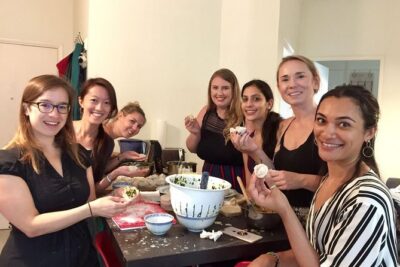
Organic Chinese Dumpling Class with Market Walk
Read our review →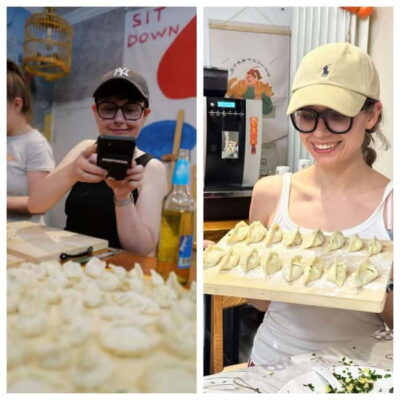
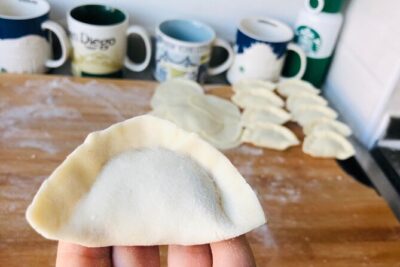
Online Cooking Class Beijing Dumplings and Cuisine by Sunflowerli Renowned Chef
Read our review →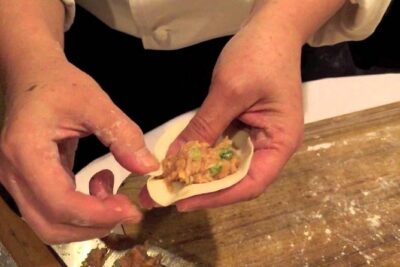
Organic Xiao Long Bao Soup Dumpling Class & Market Walk
Read our review →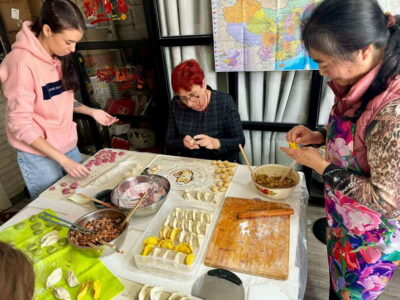
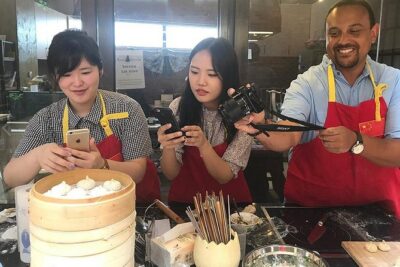
2.5hrs Chinese Kitchen Cooking Class: Xiaolongbao Soup Dumplings
Read our review →Browse the lists this tour appears in