
Reviewed · TEA CEREMONIES
Tea Tasting and Pairing Concept Workshop
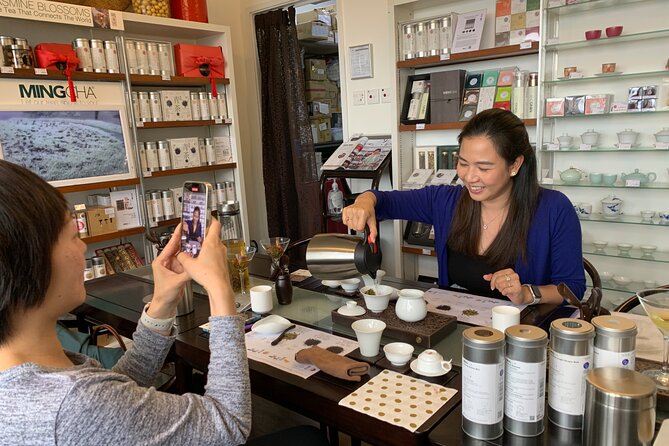
Tea in Hong Kong is everywhere, but this workshop makes it feel personal, like you are learning a craft you can actually use. I like the hands-on gongfu-style brewing practice with traditional tea ware, and I also love the five-senses approach that turns every small sip into information.
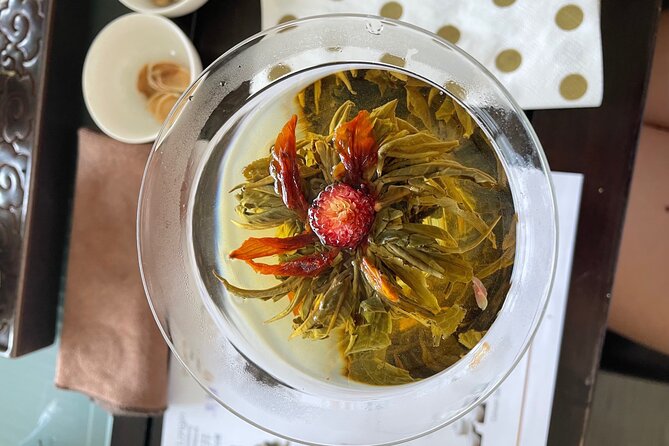
You also get four teas to compare back to back, including a scented green that can be presented with a Jasmine Blossom style look. The host, Vivian, is the kind of guide who keeps it light and keeps you paying attention.
One consideration: this is not a quick sampler. If you are sensitive to strong aromas or you prefer food over tasting, the repeated sniff and sip rhythm may feel like a lot for 1.5 hours.
Key points at a glance
- Four tea types you taste in one session: green, scented green, red, and oolong
- Gongfu tea ware practice so you learn proper pouring and steeping habits
- Hands-on tea pairing with dried nuts, chocolate, and flower honey toasts
- Small group size with a maximum of 20 people for real interaction
- Family-friendly option if you want to bring kids along
- Guidance from Vivian, known for fun energy and clear teaching
Tea Tasting and Pairing Workshop in Chai Wan, Hong Kong: the real point
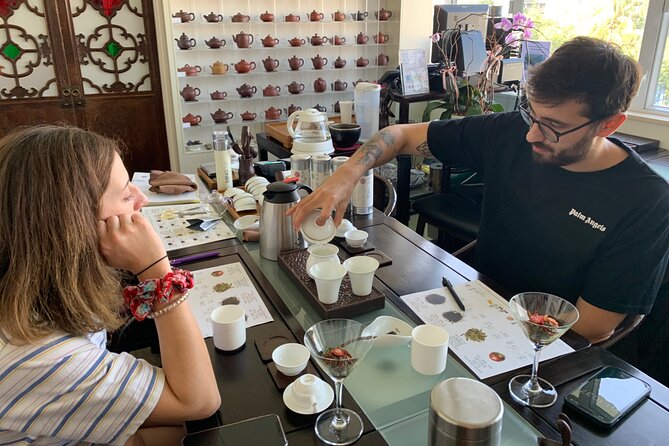
This is a Hong Kong tea workshop designed for people who want more than taste. You are not just drinking tea, you are learning how tea changes when it meets food, and how to notice those changes with your nose, eyes, and palate. That is the value.
I especially like that the experience stays practical. You learn a method for brewing and serving, then you apply what you just tasted to actual snack pairings like dried nuts and chocolate. It is basically a crash course in tea logic, in a friendly way.
The setting is also a plus. MingCha Tea House is in Chai Wan, and the meeting point is clearly marked at MingCha Tea House B2, 15/F, Fortune Factory Building Block B, 40 Lee Chung St, Chai Wan. You do not have to hunt around, and it is near public transportation, which helps if you are juggling other plans in Hong Kong.
More Food & Drink in Hong Kong
- Hong Kong’s Tin Hau Hidden Eats Food Tour with 7+ Local Tastings
★ 5.0 · 352 reviews - Small-Group Hong Kong Island Food Tour
★ 5.0 · 343 reviews - Hong Kong Food Tour: Central and Sheung Wan Districts
★ 5.0 · 333 reviews
The 90-minute flow: four teas, five senses, then food pairings
The session runs about 1 hour 30 minutes, and it is built like a progression. First you learn what to pay attention to. Then you test it. Then you use it with food.
You start with four premium teas from four categories: Green, Scented Green, Red, and Oolong. You will sample each tea and use all five senses, so you are not stuck only on taste. You look at color and clarity, you smell, and you take careful sips.
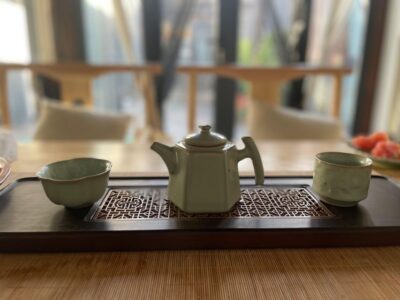
A big part of the workshop is hands-on technique using a gongfu way with traditional tea ware. That means you are not watching someone pour from a distance the whole time. You practice, and you get coaching on what “proper” pouring and serving feels like.
Finally comes the fun test, pairing. You taste teas alongside dried nuts, chocolate, and flower honey toasts. The pairing portion is where the workshop becomes more than a tasting lesson. You start connecting tea character to food sweetness, crunch, and aroma.
MingCha Tea House meeting point: how to arrive and settle in fast
This workshop uses a mobile ticket, so you want your phone charged and your ticket ready. The confirmation process is usually quick, with confirmation received within 48 hours of booking, subject to availability. If you plan tightly around other Hong Kong activities, it helps to schedule this earlier rather than later.
Because the group size has a maximum of 20 travelers, the vibe is small enough that you can ask questions without shouting. You likely will not spend the whole time waiting your turn. That matters in a workshop like this, where technique and pacing are part of the learning.
When you arrive, do what locals would do. Take a minute to settle in before you start tasting. Smell everything you can, then drink slowly. If you rush, the aroma work becomes background noise instead of useful information.
Also, consider timing. The experience offers two different start times, so pick the slot that fits your energy. If you are fresh in the afternoon, choose afternoon. If mornings are better for you, pick that start. You will taste more accurately when you are not tired.
Meet Vivian and the workshop style you will feel within minutes
The host, Vivian, is repeatedly praised for being fun and engaging, and that shows in how the session runs. You learn better when the teacher makes the material easy to repeat. Vivian also brings a warm, playful energy, which matters because tea tasting can turn stiff if the guide talks like a textbook.
You can also expect the workshop to include practical teaching moments where you experiment before and after. One featured highlight was doing a before and after look at the leaves, then practicing brewing and serving with the tea tools. That kind of “try it, then compare” format is why the workshop sticks.
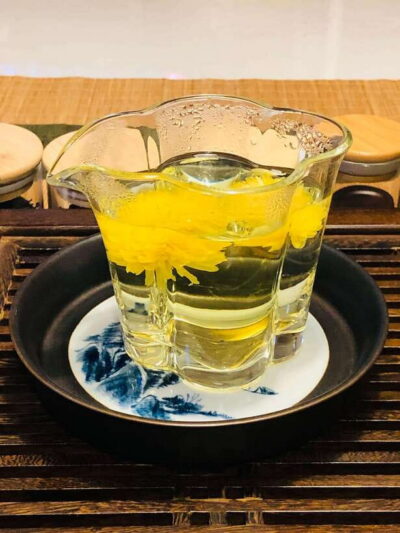
There is also a moment of presentation that stands out, especially the scented green shown with a Jasmine Blossom style look. Even if you do not care about visuals, a flower presentation gives your brain a frame for what you are about to smell. That makes the tasting easier to understand.
More tea ceremonies in Hong Kong:
- Tea Tasting & Brewing Experience
★ 5.0 · 10 reviews - Traditional Chinese Tea Ceremony Experience
★ 4.7 · 74 reviews - Biking Real Shanghai& Tea Tasting Experience
★ 4.5 · 43 reviews - Chinese Tea ceremony in Beijing Hutong courtyard
★ 4.7 · 26 reviews
Four teas you taste in Hong Kong: green, scented green, red, oolong
The workshop is structured so you can tell teas apart by category, not by guesswork. Each tea is from one of the four groups: Green, Scented Green, Red, and Oolong. That category approach matters because tea labeling can be confusing when you are shopping on your own.
As you go through the tasting, you will practice noticing differences in aroma and taste intensity. Green teas tend to feel crisp and lighter to many people. Oolong often feels more layered. Red teas usually read as deeper and more comforting. Scented green teas add another layer because you are tasting both tea character and flower aroma.
But the key is not memorizing descriptions. The key is learning what you personally notice and how to connect it to food later. The workshop gives you the structure to do that. You sample each tea, then you apply what you learn during pairing.
And yes, the scented green can come with that Jasmine Blossom presentation. When tea looks like a flower and smells floral, you start to understand why jasmine tea has such a reputation in Chinese tea culture. It becomes a sensory experience, not a label.
Food pairing: dried nuts, chocolate, and flower honey toasts
This is where you get real value for the money. Tea pairing is easy to talk about, but hard to learn until you test it. Here you do the testing.
You pair tea with three items: dried nuts, chocolate, and flower honey toasts. Each one stresses a different part of your perception.
- Dried nuts bring crunch and a rich, savory aroma, which can highlight tea body
- Chocolate pushes sweetness and depth, which can change how tea feels after each sip
- Flower honey toasts add floral sweetness, which can either blend with tea aroma or contrast it
The workshop helps you figure out the match by using the five senses, not just taste. You stop thinking like a critic and start thinking like a matcher. Which tea makes the food taste better? Which tea makes the flavor of the food look clearer?
If you love Hong Kong food culture, this part is especially useful. Tea often sits next to snacks in daily life, so these pairings are not random. They train you to think like you are eating out, not like you are taking a class.
Gongfu tea ware practice: how to improve pouring and steeping
You will not leave with a spreadsheet of tea compounds. You will leave with muscle memory for better pouring and serving habits. That is what makes gongfu-style practice so practical.
During the workshop, you practice the gongfu way using traditional tea ware, with hands-on guidance from Vivian. The emphasis is on doing it correctly, not just quickly. Reviews highlight learning how to steep and pour properly, and you can feel why that matters. A tea that tastes good can taste bland if the pour is off, or if the serving timing makes you drink too fast.
So what should you watch for while you practice?
First, pay attention to aroma right after brewing, not after you forget it in your cup. Second, notice how the tea changes across small sips. You are not tasting one fixed drink, you are tasting a changing one. Third, keep your expectations simple. Your goal is not to become a tea sommelier in 90 minutes. Your goal is to learn what good technique does to flavor.
If you want the best results, go slowly. You will get more out of learning one thing well than rushing through all four teas.
What makes this workshop worth $65.60 in Hong Kong
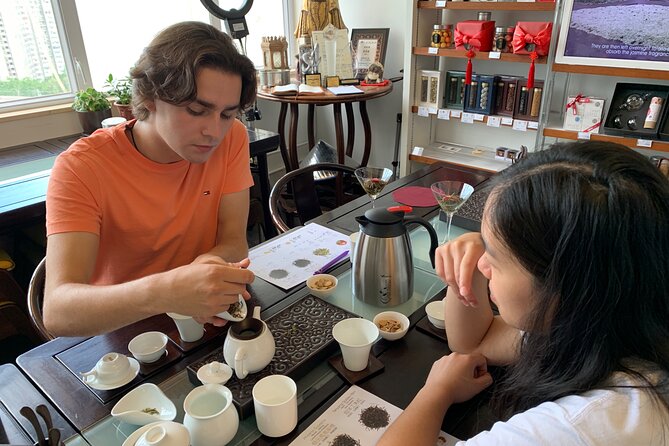
Price is always the question, so here is how I think about it. You pay $65.60 per person for about 1 hour 30 minutes, and the session includes four premium teas, guided instruction, gongfu tea ware practice, and pairing food like dried nuts, chocolate, and flower honey toasts.
In other words, you are paying for:
- teacher time and coaching
- multiple tastings, not one drink
- a structured food pairing experience
- hands-on access to traditional tea tools
The group cap of 20 travelers also matters for value. You are not in a huge crowd. You get interaction, and it is easier to learn when the teacher can correct your technique.
Also consider that tea in Hong Kong is part of everyday culture. This workshop helps you translate that culture into personal skill. You might enjoy tea before the class, but you will likely understand it more after.
The best deal aspect is the pairing section. If you love tea, the four teas are great. If you love food, the pairing is what teaches you how to order or snack with more confidence later.
Family-friendly option: can kids handle it?
This workshop is offered as a family-friendly option, which is a good sign if you are traveling with kids and want something that is not just watching. The structure is interactive, and there are sensory moments that can work well for children who enjoy smelling and tasting small bites.
That said, tea tasting is still tasting. The session involves repeated small sips and aroma focus, so very young kids might need patience. If your kids get bored quickly in quiet indoor settings, pick the start time when they are most cooperative.
For families, the value is in shared experience. You are not separating into adults doing one thing and kids doing another. Everyone can learn basic tea awareness, then share opinions about which tea works best with each snack.
Logistics that matter: timing, group size, and location in Chai Wan
You get two different start times to choose from, so you can fit this into your day. If you are sightseeing around Hong Kong Island and you want a break that is not too long, 90 minutes is a sweet spot.
Location is also practical. MingCha Tea House is in Chai Wan, and the meeting point is near public transportation. That helps you avoid wasting time on complicated transfers.
The workshop ends back at the meeting point, so you are not stuck navigating a new area at the end. The experience provider is MingCha Tea House, which keeps things simple.
One more practical note: the experience requires good weather. If it gets canceled due to poor weather, you are offered a different date or a full refund. Since this requirement is stated, I would check the weather close to your day and keep an eye on updates.
How to get the most out of your tea tasting, even if you are a beginner
If you come in with zero tea vocabulary, you are fine. This workshop is built to teach you what to notice.
Here is how you can make it work for you:
1) Slow down when you smell. Aroma is where you learn the biggest differences first.
2) Taste one tea at a time, then reset with the next food pairing. The pairing is the learning tool.
3) Ask Vivian for guidance while you practice. The whole point is to get technique coaching, not just tasting.
4) Take mental notes based on food, not just tea names. For example, remember what felt better with nuts or with toast, even if you forget the category name later.
If you want a souvenir, a better memory is the real one. You will likely walk away with new ordering instincts, like knowing which tea character tends to work with sweet snacks versus savory ones.
Should you book this tea pairing workshop at MingCha Tea House?
Yes, if you want a fun, hands-on Hong Kong tea experience with real structure. This one earns its high marks because it combines tastings, gongfu practice, and actual food pairings in a small group. With Vivian guiding the session, the learning feels friendly and doable, not stiff.
Book it if:
- you like tea and want more than random sipping
- you care about food and want pairing skills you can use later
- you are traveling with family and want an activity that includes kids in a sensory way
Skip it if:
- you only want a quick drink, no practice
- you dislike repeated aroma focus or you cannot spare 1.5 hours
If you are on the fence, choose the start time that matches your energy and go in with a simple goal: taste carefully, then compare with the snacks. That is where the workshop really pays off.
FAQ
How long is the Tea Tasting and Pairing Concept Workshop?
The workshop lasts about 1 hour 30 minutes.
What teas are included in the tasting?
You will taste four teas from selected categories: green, scented green, red, and oolong.
What foods are used for tea pairing?
The pairing includes dried nuts, chocolate, and flower honey toasts.
Where does the workshop start, and where does it end?
It starts at MingCha Tea House B2, 15/F, Fortune Factory Building Block B, 40 Lee Chung St, Chai Wan, Hong Kong, and it ends back at the meeting point.
Is the workshop suitable for families with children?
There is a family-friendly option available.
How many people are in the group?
The workshop has a maximum of 20 travelers.
Are there different start times?
Yes, you can choose from two different start times.
Do I get a mobile ticket?
Yes, the workshop uses a mobile ticket.
What is the cancellation policy?
You can cancel for a full refund up to 24 hours before the experience’s start time.
What happens if the experience is canceled due to weather?
If it is canceled due to poor weather, you will be offered a different date or a full refund.
Latest reviews from Hong Kong
- Hong Kong Layover Tour Private & Personalized with Local Guide★ 5.0 · 5 reviews
- Experience Hong Kong in 1 day: discover the best★ 5.0 · 5 reviews
- Small-Group Gong Relaxation Experience in Hong Kong★ 5.0 · 5 reviews
- Hong Kong Photography Masterclass – Private Photography Lesson★ 5.0 · 5 reviews
- Live Hong Kong Island: Private Tour★ 5.0 · 5 reviews
- Small-Group Tour: Temples & Markets Discovering [PROMOTION]★ 5.0 · 6 reviews
- Dialogue in the Dark Tour [Recommended!]★ 5.0 · 6 reviews
- Hong Kong Private Walking Tour with a Local★ 5.0 · 6 reviews
Tea Ceremonies, compared.

Chinese Tea ceremony in Beijing Hutong courtyard
Read our review →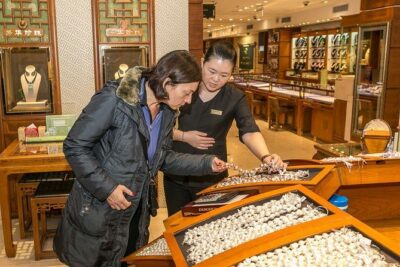
Private Beijing Markets Tour with Tea Tasting at Hongqiao Pearl Market
Read our review →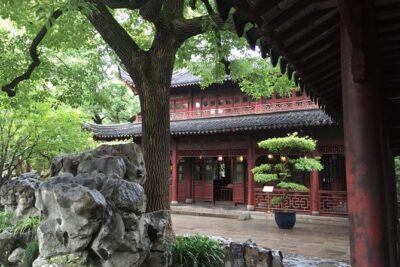
3-Hour Shanghai Yu Garden &Old Town Private Tour with Tea Tasting
Read our review →
Half-day Private Mahjong course in Local Tea House
Read our review →Private Shanghai City and Zhujiajiao Combo Tour with Boating, Tea Tasting, Lunch
Read our review →Browse the lists this tour appears in