
Reviewed · FOOD & DRINK
Hong Kong’s Tin Hau Hidden Eats Food Tour with 7+ Local Tastings
Tin Hau is a smart choice if you want Hong Kong food culture with context, not just plates on a checklist. I like the way this tour pairs street eats with real neighborhood landmarks, and I like that you leave with 7+ local tastings plus Chinese tea and water. One thing to plan for, though, is the walking, plus an itinerary that can shift based on weather and what’s available that day.
The people who help make the day work are often the difference between tasting and learning. In past groups, guides including Sandy and Bessy have led the tour with clear English and a friendly, story-first approach, mixing food details with local background at each stop. The main consideration is that the schedule includes a wet market, so if you dislike that kind of setting, you might want to think twice.
Key Highlights to Know Before You Go
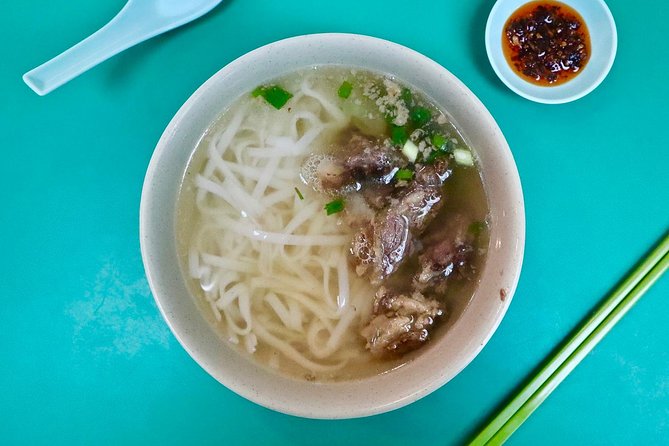
- 7+ tastings including beef brisket soup and rice noodles, roasted goose, dim sum, fruit, sweets, and a secret dish
- Chinese tea and water are part of the experience, not an add-on
- Small group size (up to 12) for questions and pacing you can actually follow
- Temple and history stops that explain why Tin Hau and nearby areas feel the way they do
- Wet market time to see ingredients up close before you eat them
- Guided by locals with English that makes the food story land, often including guides like Sandy or Bessy
Tin Hau Street Eats, Temples, and Real Neighborhood Context
This tour is interesting because it does two jobs at once. You’ll eat multiple classic Cantonese-style dishes, and you’ll also walk through the Tin Hau area in a way that makes the food feel tied to place. Hong Kong can be fast and confusing, but a guided loop helps you understand how food connects to daily life, religion, and local history.
I also like the balance in the approach. You get enough culture stops to give meaning to what you’re tasting, but the day still stays food-forward. And the group size matters here. With a maximum of 12 travelers, the tour doesn’t feel like a stampede, which makes it easier to ask questions and actually enjoy each bite.
The only real drawback to keep in mind is that the route involves a fair amount of walking. It’s not a seated food crawl. You’ll be on your feet while moving between temple grounds, parks, schools and libraries, then into a wet market and on to the restaurants.
More Food & Drink in Hong Kong
- Small-Group Hong Kong Island Food Tour
★ 5.0 · 343 reviews - Hong Kong Food Tour: Central and Sheung Wan Districts
★ 5.0 · 333 reviews - Hong Kong Street Food Tour with Locals – Dim Sum, Wonton & more
★ 5.0 · 226 reviews
Price and Value: What You Get for $107
At $107 per person, you should think of this as “one organized food afternoon” rather than a bargain grocery run. The value is in what’s included: multiple restaurant stops and 7+ local tastings, plus Chinese tea and water.
A tour like this can cost less if you only count one meal. But here you’re paying for the added layer: transportation is handled by a walking route in a tight area, and someone local decides where to eat so you don’t burn time guessing. Also, the itinerary includes market time and landmark stops, which helps you connect what you eat to what you see.
Another small detail that boosts value: the tour uses a mobile ticket, and group discounts are mentioned. Even if you’re traveling solo, you’ll often get a better experience than piecing together random tastings on your own, because you’re not constantly figuring out where to go next.
The 3-Hour Walk: How the Timing and Pacing Usually Feels
The duration is about 3 hours. That’s long enough to feel like you actually explored the neighborhood, but short enough that you still have energy for the rest of your day in Causeway Bay and Tin Hau.
Expect the day to move in segments. First you’ll start at Tin Hau Causeway Bay, then you’ll work through landmarks (including temples and a park) and on to places connected with education and public institutions. After that, the tour shifts into food mode with multiple tastings, including things best enjoyed while you’re warm and hungry, not after a full breakfast.
A common practical tip from the experience: if you’re doing a morning slot, go in with a light start. Many people end the tour pleasantly stuffed, not just satisfied.
What You’ll Eat: The 7+ Tastings Lineup
The biggest reason to book is simple. You don’t leave with a single dish. You leave with a set.
Here’s what the tour includes:
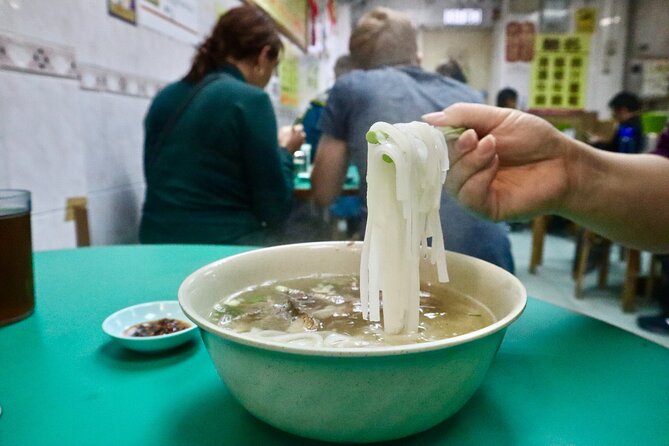
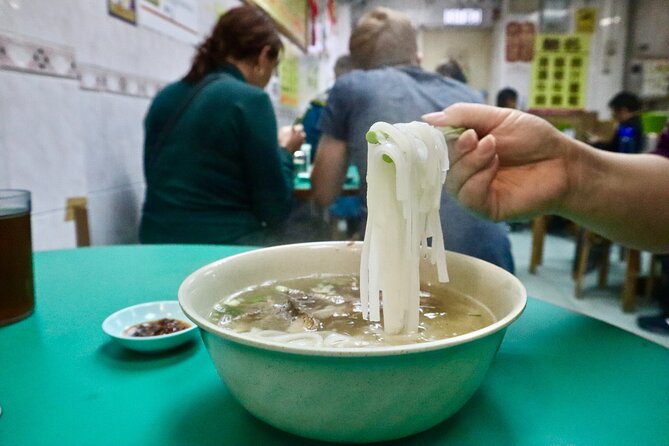
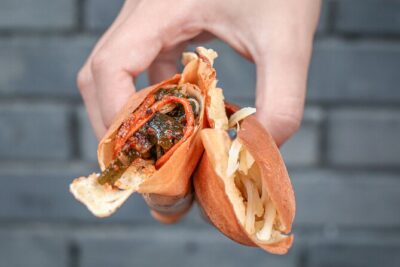
- Beef brisket soup and rice noodles
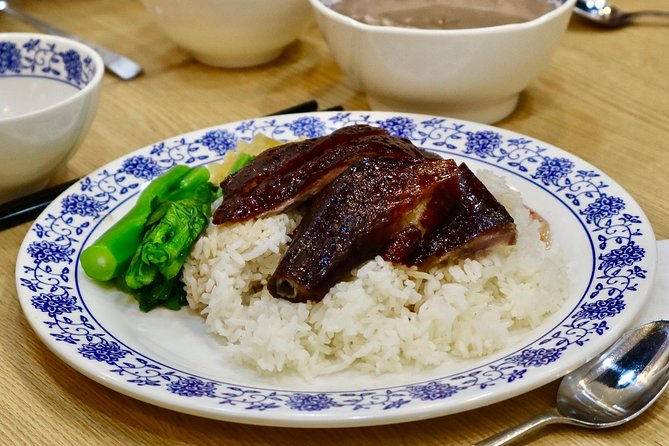
- Roasted goose with rice and plum sauce
- Fresh seasonal fruits
- Local sweets
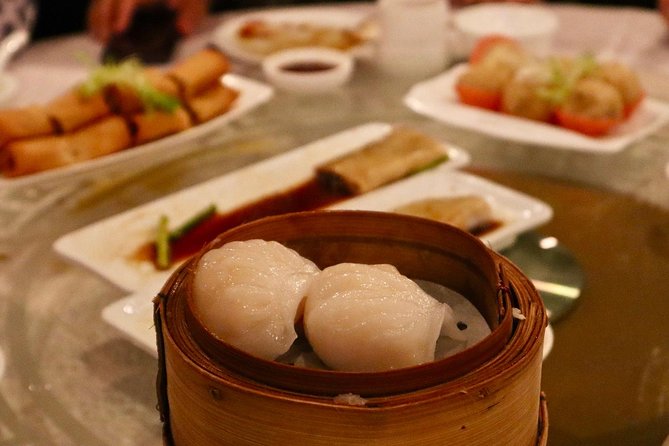
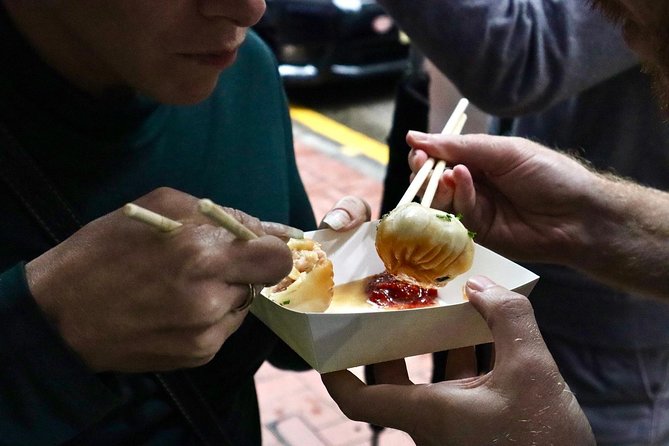
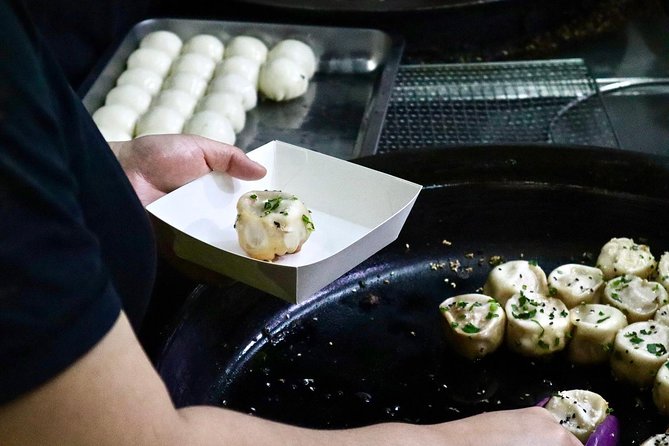
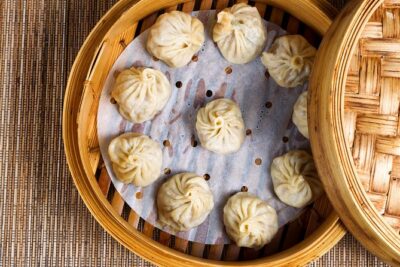
- Fresh baked dim sum
- A secret dish
- Chinese tea and water
That mix covers a lot of Hong Kong food categories in a practical way. The brisket soup and rice noodles give you something savory and comforting, while roasted goose brings a richer, roast-meat profile with the classic plum sauce pairing. Dim sum adds variety in texture and size, so you can taste without feeling locked into one heavy plate.
The fruit and sweets are also important, even if you’re not a huge dessert person. They help you close the loop, because Hong Kong meals often include a sweet or refreshing counterpoint. And since the tour includes Chinese tea, you’ll get a drink that fits the food style instead of guessing what to order in each shop.
More eating and drinking in Hong Kong:
- Small Group Kowloon Michelin Rated Street Food and Culture Tour
★ 5.0 · 170 reviews - Hong Kong Food Tour: Sham Shui Po District
★ 5.0 · 167 reviews - The 10 Tastings of Hong Kong With Locals: Private Street Food Tour
★ 4.5 · 124 reviews - Hong Kong: Kowloon Street Market & Food Culture Walking Tour
★ 5.0 · 105 reviews
The Secret Dish and Why It’s Fun
The secret dish is one of the most appealing parts because it turns the tour into a guided discovery. You’re not just eating what you recognize from online lists. You’re sampling what your guide thinks fits the neighborhood and the flow of the route.
You should still treat this as a tasting, not a full restaurant meal. Portions are meant to keep you comfortable while walking between stops.
Tin Hau Temple Area: The Start Point and Its Meaning
Your tour begins in Tin Hau, Causeway Bay, near the Tin Hau area landmarks. One of the first cultural anchors is a declared monument temple connected to the Tin Hau name. The temple’s significance shows up in the area itself, since the MTR station takes its name from the temple, and then the neighborhood identity follows.
That connection matters because Tin Hau is not just a random stop. It’s the kind of cultural reference point that helps explain why certain foods, dining habits, and community patterns stick around. Even if you’re not religious, it’s useful to see how daily life in Hong Kong grows around long-standing places of worship.
If you like your food tours to include at least a little “why this exists,” this early stop gives you that grounding.
Victoria Park and Causeway Bay Edges: Public Spaces That Frame the Day
One itinerary stop is a public park in Hong Kong named after Queen Victoria, located in Causeway Bay between Causeway Bay and Tin Hau MTR stations. In a food tour, a park stop can seem like filler, but it’s actually a useful reset.
You’re able to stretch your legs, reorient to the area, and get a sense of scale. Causeway Bay and Tin Hau are close to major transport lines, but they don’t feel identical. A park stop helps you notice the differences, and it gives your feet a break before the next walking segment.
This kind of pacing also makes the day feel less like a chore. You’re still moving, but you’re not constantly stepping from restaurant door to restaurant door.
Tai Hang Temple Stop: Lin Fa Kung Street and Local Place Names
Another cultural stop is a temple located at the end of Lin Fa Kung Street in the Tai Hang area, which is in the southeastern part of Causeway Bay. The street is named after the temple, so you get an example of how Hong Kong naming often works like a map legend.
That detail matters because it connects geography and culture. When you understand that street names can reflect temples, markets, and community institutions, the city feels more legible. It’s easier to remember where you ate and why that area was chosen.
If you enjoy city walks where you learn practical navigation, this stop fits that style.
Education and Public Institutions: Queen’s College and the Big Library
The itinerary includes Queen’s College, described as the first public secondary school founded in Hong Kong by the British colonial government, with the present name adopted in 1894. Whether or not you care about education policy, it’s a useful reminder that Hong Kong’s public systems grew under different influences than you might assume.
You also visit the largest library in Hong Kong, with collections listed as 2.3 million items out of a total 12.1 million in the public library system. Again, you might wonder why a library belongs in a food tour. The reason is practical: it’s a marker of how Hong Kong values public access to learning and resources, which connects back to how communities function.
These institution stops can add personality to the route. They slow the day down in a good way, and they make the tour feel more like a neighborhood introduction than a string of meals.
Wet Market Stop: Fresh Ingredients and a Real Look at Food Systems
A key stop is a local wet market where you can pick up fresh produce and meat.
This is one of the most polarizing parts, and it’s exactly why it’s valuable. Seeing the market setting can change how you understand the food you’re about to eat. Instead of treating dishes as abstract menu items, you get a glimpse of ingredients and how they’re chosen locally.
One consideration, though: wet markets can feel intense, especially if you’re squeamish about the meat-handling side of things. If you prefer a food experience that stays purely on the cozy restaurant level, plan to focus on the produce and the atmosphere rather than getting stuck on every detail.
For me, the market stop is what turns the tour from “tasty” into “understanding Hong Kong.”
How the Guide Makes the Difference (Sandy, Bessy, and Others)
The tour is designed for personalized attention in a small group, and the guide is central to how that feels. In past outings, different guides have shown up, including Sandy, Sonya, Roger, Katie, and Bessy. Across these names, the pattern is consistent: people mention food facts plus local context delivered in clear English.
So you’re not just eating. You’re learning what to look for when you order on your own. If you like walking tours that explain the how and why behind flavors, you’ll probably enjoy the way the guide connects what’s on your plate to what you’re seeing outside.
One practical benefit of a good guide: they can help you avoid food trial-and-error. That matters in Hong Kong, where menu choices can be overwhelming if you’re not reading Cantonese labels.
Walking Tips and Comfort Planning
This tour involves a fair amount of walking, so wear comfortable shoes. It’s also smart to come with an appetite. The tour is structured so that by the end you’ll feel like you worked for your meal, in a good way.
If you have dietary needs, the tour notes that you should contact the team in advance so they can cater as best as possible. Don’t assume that a “secret dish” can be swapped automatically. Message early so you can confirm options that work for your situation.
Also note that the minimum drinking age is 18. The tour includes Chinese tea and water, but if any additional beverages are part of the flow in your particular group setup, it’s worth keeping that age requirement in mind.
Menu and Route Changes: Why That’s Not a Red Flag
The itinerary and menu can change based on location availability, weather, and other circumstances. That’s normal for walking food tours in Hong Kong.
Here’s how I’d treat that as a traveler: you’re booking the experience style, not an exact sequence of shops. The included dishes and core elements are set, but you may see minor adjustments on the day. If you’re flexible and ready to follow your guide, changes are rarely a problem.
Should You Book the Tin Hau Hidden Eats Food Tour?
Book it if you want a fast, friendly orientation to Tin Hau and Causeway Bay through food, and you like tours that mix tastings with a bit of place-based learning. It’s especially good as one of your earlier Hong Kong Island plans, because it helps you understand what to seek out later.
Skip it, or choose carefully, if you strongly dislike wet market environments or if you’re traveling with limited tolerance for walking. At 3 hours with multiple food stops, it’s not a light stroll.
If you’re aiming for value, this tour holds up: 7+ tastings plus Chinese tea and water, guided by a local and limited to a max of 12. You’ll pay for convenience and direction, and you’ll also come away with a clearer sense of how Hong Kong food fits into the neighborhood.
FAQ
How long is the Tin Hau Hidden Eats Food Tour?
The tour is about 3 hours (approximately).
Where does the tour start and end?
It starts in Tin Hau, Causeway Bay, Hong Kong and ends back at the meeting point.
What food is included in the tour?
Included items list beef brisket soup and rice noodles, roasted goose with rice and plum sauce, fresh seasonal fruits, local sweets, fresh baked dim sum, a secret dish, Chinese tea, and water.
How many tastings will I get?
The tour includes 7+ local tastings.
Do I need hotel pickup?
No, hotel pickup and drop-off are not included.
How much walking is involved?
There is a fair amount of walking, so comfortable shoes are recommended.
Can the tour accommodate dietary requirements?
You’re asked to contact the tour provider in advance for dietary requirements so they can cater as best as possible.
How big are the groups?
The tour has a maximum of 12 travelers.
Is the tour dependent on weather?
Yes. The experience requires good weather, and if it’s canceled due to poor weather, you’ll be offered a different date or a full refund.
Latest reviews from Hong Kong
- Hong Kong Layover Tour Private & Personalized with Local Guide★ 5.0 · 5 reviews
- Experience Hong Kong in 1 day: discover the best★ 5.0 · 5 reviews
- Small-Group Gong Relaxation Experience in Hong Kong★ 5.0 · 5 reviews
- Hong Kong Photography Masterclass – Private Photography Lesson★ 5.0 · 5 reviews
- Live Hong Kong Island: Private Tour★ 5.0 · 5 reviews
- Small-Group Tour: Temples & Markets Discovering [PROMOTION]★ 5.0 · 6 reviews
- Dialogue in the Dark Tour [Recommended!]★ 5.0 · 6 reviews
- Hong Kong Private Walking Tour with a Local★ 5.0 · 6 reviews
Food & Drink, compared.
Authentic Local Food Tour in Central Shanghai
Read our review →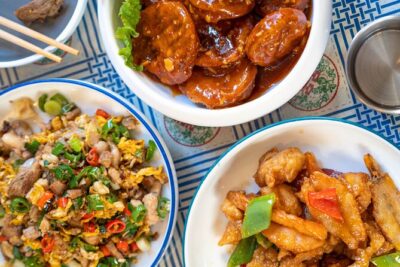
Beijing Hutong Walking Food and Beer Tour at Hidden Restaurants
Read our review →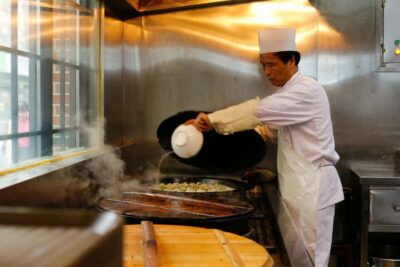

Hong Kong Food Tour: Central and Sheung Wan Districts
Read our review →Browse the lists this tour appears in