
Reviewed · FOOD & DRINK
Private Food Tour: Hong Kong Island
This private Hong Kong Island food walk is interesting because it mixes iconic Cantonese bites with real neighborhood stops, from classic tea house service to Hong Kong’s oldest tram route. You’re not just eating, you’re getting the why behind each dish, plus quick looks at the places that shaped the city’s food culture.
I really like that it’s built around specific tastings (dim sum, wonton noodles, milk tea, BBQ meat, and egg tart) rather than vague “samples.” I also like that the pace is supported by a guide, and names like Andy and Mel show up as standout guides for clear English, humor, and smart pacing.
The main drawback to keep in mind is that it’s not a car tour. Even with hotel pickup, it’s still a walking tour using public transport, so comfortable shoes matter.
Key things to know before you go
- Small-group private format, so your guide can adjust the rhythm to your pace
- Five-ish core food stops plus extra sweets and local snacks, with traditional milk tea included
- Old-school local scenes, including dried seafood and tea/candy stops in Sheung Wan
- A tram ride on Ding Ding (at your own expense), using one of Hong Kong’s best-known public transit quirks
- Mid-Levels Escalator time (15 minutes), plus views and street-level context as you move between areas
- Not for vegetarians or gluten-free diners, and seafood allergies are a no-go
Entering Sheung Wan: the tour’s best start point
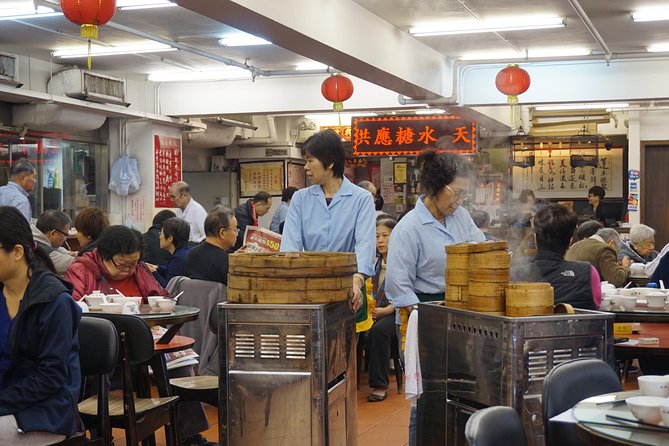
The tour kicks off in Sheung Wan, meeting at 28號 Des Voeux Rd W. This matters because Sheung Wan is where you can still feel the city’s older rhythm, before you move into the more polished Central and Western areas.
You’ll spend time just getting oriented, not in a “stand here and listen” way. The plan moves you through alley and street life, including a quick look at the area’s mix of classic businesses and modern Hong Kong flavor.
If you’re the type who likes to understand a place through food and daily life, this start helps. You’ll see why Cantonese cooking and Hong Kong’s British-era leftovers both show up on your plate.
More Food & Drink in Hong Kong
- Hong Kong’s Tin Hau Hidden Eats Food Tour with 7+ Local Tastings
★ 5.0 · 352 reviews - Small-Group Hong Kong Island Food Tour
★ 5.0 · 343 reviews - Hong Kong Food Tour: Central and Sheung Wan Districts
★ 5.0 · 333 reviews
What you’ll actually eat: dim sum, wontons, milk tea, char siu, dan tat
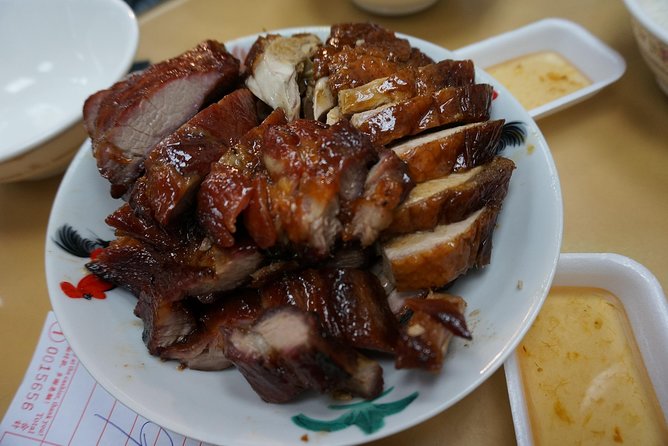
The heart of this tour is food that locals treat as everyday comfort, not tourist theater. You get a set of meaningful tastings across the day, and your guide links each stop to how Hong Kong formed its eating habits.
Here’s the lineup, in plain terms:
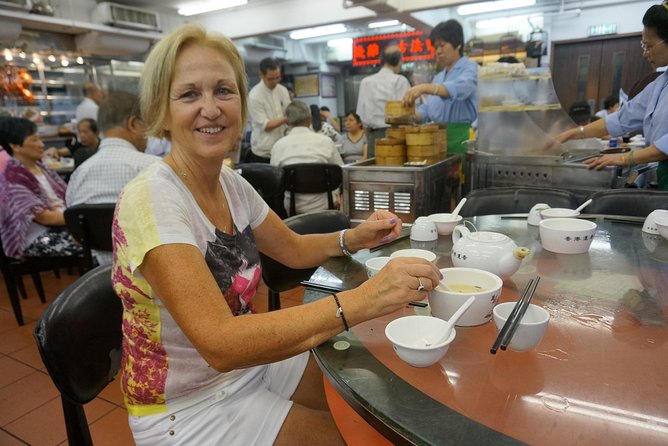
Dim sum breakfast served “trolley style”
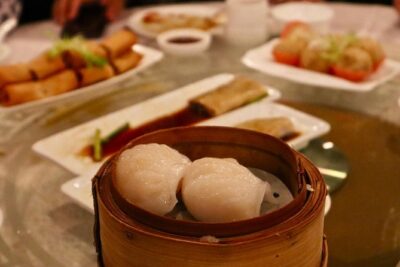
Your first major dish is dim sum (yum cha) served in a tea house atmosphere. The setup here is part of the experience, because it’s lively and tied to a history that goes back nearly 100 years.
Practical tip: don’t eat breakfast beforehand. This is one of those tours where arriving hungry makes the whole thing work better.
Wonton noodle stop with a mastery mindset
Next is wonton noodles, described as a local specialty that can look simple but takes real technique. You’ll stop at a family-run shop with roots reaching back to the 1960s, and it’s recommended in the Michelin Guide.
What I like about this choice is that it’s not just “try noodles.” It’s the kind of dish where broth, texture, and seasoning are the real story.
More eating and drinking in Hong Kong:
- Hong Kong Street Food Tour with Locals – Dim Sum, Wonton & more
★ 5.0 · 226 reviews - Small Group Kowloon Michelin Rated Street Food and Culture Tour
★ 5.0 · 170 reviews - Hong Kong Food Tour: Sham Shui Po District
★ 5.0 · 167 reviews - The 10 Tastings of Hong Kong With Locals: Private Street Food Tour
★ 4.5 · 124 reviews
Traditional milk tea, the British-era echo
Then you’ll get a cup of milk tea, one of the most ever-present parts of Hong Kong’s food scene from the British rule era. It’s included, and it also helps you reset between warmer and heavier dishes.
If you’ve never had milk tea here before, this is the low-effort way to taste something that’s everywhere for a reason.
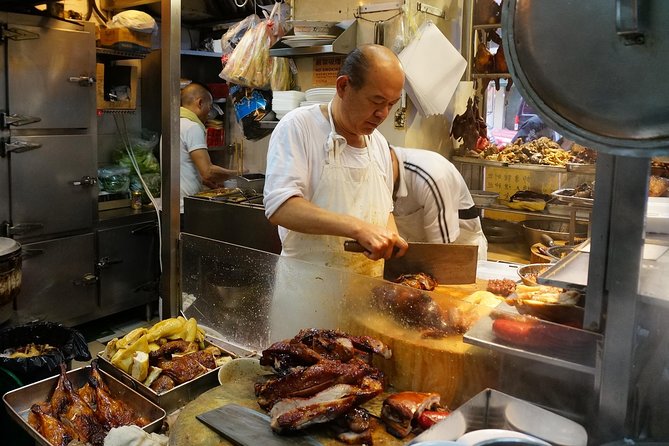
Char siu, served after a Ding Ding tram ride
For BBQ meat, including char siu, you’ll hop on Hong Kong’s electric tram system, often called Ding Ding. The ride itself is at your own expense, but your guide handles the flow so you’re not stuck figuring out logistics.
You’ll taste a mix of roasted meats with homemade sauces and rice. The key is that the food is treated like a craft, not just a quick bite.
Egg tart to finish (dan tat)
You end with egg tart (dan tat in Cantonese) at a local bakery with a 60-year history. It’s a classic Chinese take on an English custard tart, and it’s included as the sweet finale.
I love ending with something that’s portable and familiar, because it gives you a clear “wrap” to the day’s flavors.
Sheung Wan food stops: tea house to dried seafood street to candy time
The route is designed so you don’t only hit restaurants. You also get a look at food stores that locals rely on, especially in Sheung Wan.
Seafood Street, where dried ingredients do the heavy lifting
One stop focuses on dried seafood, clustered along Des Voeux Road West in Sheung Wan, commonly called Dried Se… (the idea is the dried seafood trade area). In Chinese cooking, dried seafood shows up in tonics and savory dishes, so seeing the trade makes the later flavors make more sense.
This is also a smart way to learn without formal lectures. You’re surrounded by ingredients and can ask quick, practical questions.
Kai Fat Tea for sweets and fruity-candy style treats
Another stop is Kai Fat Tea, tucked onto a narrow road, selling tea plus candies and Chinese sweets made from fruits and natural ingredients. It’s included as tasting time, so you can try a bit without committing to a full bag of sugary souvenirs.
If you like the “small tastes” approach, these candy stops are where the tour feels most fun.
Graham Street Market and the “everyday” food clues in old Central
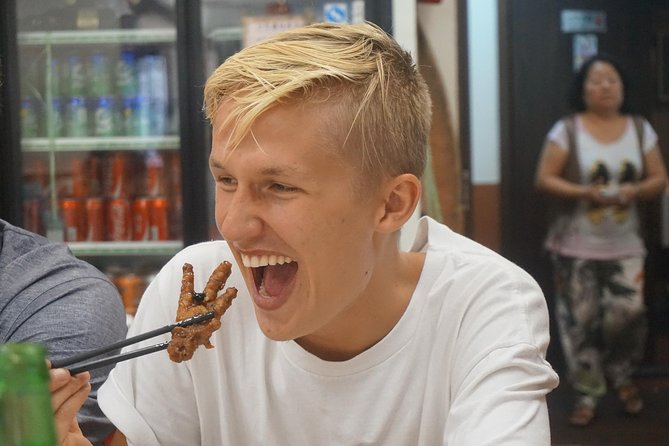
As the tour moves away from Sheung Wan, you’ll spend time around Central and nearby streets. This part of the day adds context to the food without turning into a museum crawl.
Graham Street Market: food life on a sloped street
You’ll visit Graham Street Market, described as having more than a century of history and lining a sloped street with food stalls. This is one of the most “Hong Kong” moments in the whole plan because you see what people buy when they’re not performing for tourists.
This is also where you can mentally connect the dots. Dried seafood, wet market ingredients, and everyday snack culture all fit together here.
Gough Street and Colonial-era overlap
There’s also a segment around Gough Street, described as being near where European and Chinese communities overlapped. You’ll get a feel for that mix as you pass by hip boutiques and restaurants in an area with colonial-style chic.
Even if you don’t stop long, it helps explain why Hong Kong’s food scene doesn’t stay in one box.
Tai Kwun: a stop that frames the city’s layers
The route includes Tai Kwun, described as a restored and revitalized Central Police Station compound. You’re not getting a full deep history lesson here, but you’re given a sense of how old structures now host modern life.
For me, this kind of “light touch” stop is useful. It keeps the tour moving while giving you mental bookmarks.
Mid-Levels Escalator: a 15-minute ride that changes how you see the city
One of the tour’s listed segments includes the Mid-Levels Escalator. You get a 15-minute ride, described as the longest outdoor escalator in the world, about 800 meters and elevating 13 floors.
This isn’t just a photo opportunity. Moving by escalator across neighborhoods helps you understand the city’s vertical layout. Hong Kong isn’t flat, and this ride is an easy, low-stress way to feel that right away.
If you’re sensitive to crowds, you might want to keep your timing flexible. Mid-level transit can get busy, but the tour keeps you moving.
Ding Ding tram to Wan Chai: the ride that turns the day into a story
The plan includes boarding Hong Kong Tramways (Ding Ding). The tram system dates to 1904 under British rule, and it’s known for operating double-decker trams.
The tram ride is listed as a stop with boarding time, but you should treat the ride itself as own expense because the tour notes it that way. Your guide can help you get on correctly and keep the day smooth.
Why this works: a tram ride gives you a change of pace between eating stops. It’s also a classic “living transit” experience, where you see neighborhoods through the window while still feeling connected to the food route.
Wan Chai area finish and the egg tart on Hennessy Road
After your tram ride, you shift into Wan Chai, described as a mix of old tenement buildings, hidden temples, and modern bars and restaurants. There’s a stop near Southorn Playground, where sports spectators and office workers mix with people grabbing a quick bite.
Then you head to Hong Kong Hennessy Road, where you’ll finish at a well-established bakery for the egg tart. The tour frames this as a personal favorite of a former Hong Kong governor, which adds a nice layer of “local approval” to the final bite.
If you take one practical thing from this ending, it’s this: save room. The day has savory hits, and the egg tart is the sweet punctuation mark.
The walk-time reality: pace, duration, and how to prepare
The tour runs about 4 hours. It’s labeled private, and only your group participates, which is great if you want a calmer experience than a big bus-style group.
You should plan on walking. Even if you choose hotel pickup, it’s still a walking tour, using public transport rather than a car.
So go in with:
- Comfortable shoes (seriously)
- A camera if you like street scenes and old-market texture
- An appetite, because the tour specifically asks you not to eat breakfast
Also note the dietary fit: it’s not suitable for vegetarians, it’s not set up for gluten-free, and it’s not suitable for people with seafood allergies.
If your group includes anyone with food restrictions, this is the first thing to check before you book.
Price and value: is $236.69 per person a smart buy?
At $236.69 per person for a 4-hour private food tour, the cost is not “cheap eats.” But you are paying for several things at once: private guiding, multiple tastings, and access to smaller local stops plus cultural context.
Here’s what you’re getting value for:
- Five core food moments: dim sum, wonton noodles, milk tea, BBQ meat, egg tart
- Extra tastings, including assorted candies and local snacks
- A guide who connects the dots between food and neighborhood history
- Transit experiences included in the day’s flow (like the tram segment), even if the ride cost itself is on you
Where value can wobble: if you’re a light eater or you already know the food scene well, you might feel like you’re paying mostly for guidance and convenience. But if you want a structured, taste-first introduction, this price starts to make more sense.
One extra planning note: the tour is commonly booked around 60 days in advance, so if your dates are fixed, book early rather than hoping.
Who this tour suits best (and who should skip it)
This works best for people who want an organized way to sample Hong Kong Island food without guesswork. I’d especially recommend it if you:
- Like eating your way through neighborhoods
- Enjoy markets and ingredient culture, not just restaurants
- Want a private guide who can keep the pace comfortable
- Are comfortable with seafood-based Cantonese cooking and roasted pork-style dishes
I’d consider skipping if you:
- Need vegetarian or gluten-free options (the tour isn’t suitable for these)
- Have seafood allergies
- Prefer a mostly seated sightseeing style
Should you book it?
If you want a private, taste-heavy day that starts in Sheung Wan and ends with a classic egg tart in Wan Chai, I think this is a strong choice. The standout is how the food menu is paired with real neighborhood stops, so you leave with flavors plus context.
Book it if your group is hungry for Cantonese comfort classics and you’re ready for some walking plus public transit. Skip it if dietary needs or mobility comfort are likely to be an issue, because this route is designed around local food and local walking.
FAQ
How long is the Private Food Tour: Hong Kong Island?
The tour is about 4 hours.
How much does it cost per person?
It costs $236.69 per person.
Where do I meet the guide?
You meet at 28號 Des Voeux Rd W, Sheung Wan, Hong Kong.
Where does the tour end?
The tour ends in Wan Chai, Hong Kong after the egg tart dessert.
Is hotel pickup included?
Pickup is offered, but it is still a walking tour using public transport rather than a car tour.
What food is included in the tour?
Food included includes variety of dim sum, milk tea, wonton noodle, BBQ meat, and egg tart, plus tasting assorted candies and local snacks.
Is the Ding Ding tram included?
You will board the tram as part of the route, but the tram ride is noted as own expense.
Can vegetarians or gluten-free diners join?
No. The tour is not suitable for vegetarians or people who need gluten-free options, and it is not suitable for seafood allergies.
What is the cancellation policy?
You can cancel for a full refund if you cancel at least 24 hours before the experience starts.
Latest reviews from Hong Kong
- Hong Kong Layover Tour Private & Personalized with Local Guide★ 5.0 · 5 reviews
- Experience Hong Kong in 1 day: discover the best★ 5.0 · 5 reviews
- Small-Group Gong Relaxation Experience in Hong Kong★ 5.0 · 5 reviews
- Hong Kong Photography Masterclass – Private Photography Lesson★ 5.0 · 5 reviews
- Live Hong Kong Island: Private Tour★ 5.0 · 5 reviews
- Small-Group Tour: Temples & Markets Discovering [PROMOTION]★ 5.0 · 6 reviews
- Dialogue in the Dark Tour [Recommended!]★ 5.0 · 6 reviews
- Hong Kong Private Walking Tour with a Local★ 5.0 · 6 reviews
Food & Drink, compared.
Authentic Local Food Tour in Central Shanghai
Read our review →
Beijing Hutong Walking Food and Beer Tour at Hidden Restaurants
Read our review →
Hong Kong’s Tin Hau Hidden Eats Food Tour with 7+ Local Tastings
Read our review →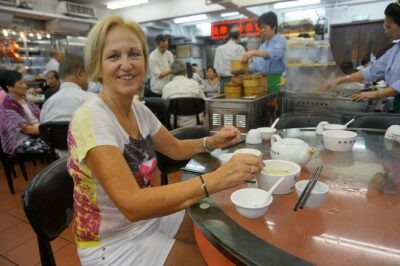
Browse the lists this tour appears in