
Reviewed · CALLIGRAPHY CLASSES
Beijing Historic City Guided Walking Tour + Calligraphy Creation
Beijing is the rare city where you can watch centuries of planning, trade, and daily life share the same street corner. This 3.5-hour guided walk takes you through imperial Beijing landmarks and ends near Qianmen, with time for calligraphy creation. It is part history lesson, part street-level experience.
I especially like two things. First, you get a smart, story-driven tour that connects places like Huguang Guild Hall and hutongs to how Beijing actually worked. Second, you spend time in the art and commerce lanes of Liulichang, then move through commercial streets like Dashilan and Qianmen, including chances to sample food and drinks along the way (and yes, you’ll feel the energy). Guides in past groups included Kris and Hao, and their pacing and explanations are the kind that make a short walk feel like a proper evening plan.
One thing to consider: this is a shared, walking-focused experience, so you should expect a group pace and fewer big-photo stops than you might guess. Also, the tour ends in front of Tiananmen Square but you will not enter, so plan a separate visit if that matters to you.
Key Highlights You Should Actually Care About
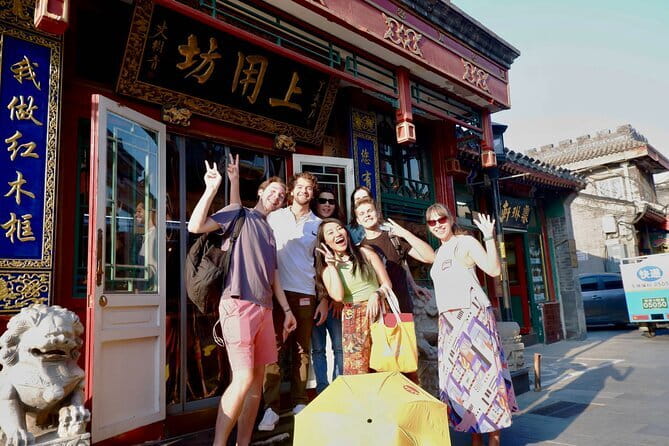
- Huguang Guild Hall (built in 1807): a market-and-opera meeting place that explains how merchants had real power in imperial Beijing.
- Hutong alley time: you walk the narrow lanes with context, not just a photo stop, so the layout makes sense.
- Liulichang Street focus: the old-school arts street where calligraphy culture naturally connects to what you’ll do later in the tour.
- Calligraphy creation included: you get hands-on time, not only sightseeing talk.
- End at Qianmen: a practical finish near Tiananmen that’s great for continuing on your own, plus you’ll likely get a snack or drink moment.
- Tips-based model: the $5 booking is mainly to reserve your spot, and the guide’s pay comes from tips (suggested 160 to 200 RMB).
Why This 3.5-Hour Walking Tour Works in Beijing
This tour is built for the way Beijing actually feels to many first-time visitors. You do not sit in a van. You walk. That matters because the city is layers, literally. One alley can explain an older Beijing, and the next street can show the modern shopping and food scene.
What I like is the balance. You get a clear thread about dynasties and urban planning, but you also spend real time on the ground with neighborhood streets. The best tours help you understand the “why” behind the sights. This one aims for that by connecting historic institutions, hutong life, and the commercial streets that still shape how people move today.
Also, the duration is realistic. Three and a half hours is long enough to feel like you learned something, but short enough that you are not ruined for dinner. The pace sounds like a priority too, with guides keeping people moving even in cold weather, which is a big deal in Beijing.
More Calligraphy Classes in Beijing
- Beijing Calligraphy Class
★ 4.9 · 112 reviews - Chinese Calligraphy Class for Small Group
★ 5.0 · 104 reviews - Beijing Wangfujing Calligraphy Class by Forbidden City
★ 5.0 · 58 reviews
Start at Huguang Guild Hall and Learn the Merchant Power Story
Your walk begins at Huguang Guild Hall, located at Hu Fang Lu. Built in 1807, this place is not just “old architecture.” It’s a window into how trade networks and regional loyalties shaped Beijing.
Why this stop is useful: guild halls like this helped bring together merchants and officials tied to provinces like Hubei and Hunan. In other words, Beijing was not only run from palaces. Important public life often grew out of commerce, too. You’ll also notice the opera stage, which matters because opera was part of civic and social life, not just entertainment.
Expect a short orientation style visit, around 20 minutes. Admission is free. That combination is smart for jet-lag brains. You get context early, so later streets make more sense.
Hutong Alley Time: How to Read Beijing’s Narrow Streets
After the guild hall, you head into hutong neighborhoods for about an hour. Hutong lanes are one of the most popular things to see in Beijing, but most people waste time by treating them like a theme park.
This tour keeps them grounded. You’re walking narrow lanes while your guide explains what you’re looking at and why it developed that way. That transforms your experience from scenery into understanding.
What you’ll get out of it:
- A better sense of how daily life fit into small streets and courtyard-like patterns.
- Stories about city life past and present, so you don’t just memorize alley names.
- A sense of how Beijing’s urban planning issues show up on the street level.
A small drawback is the same one with any hutong walk: expect more walking on uneven pavement and tight lanes. If you’re shopping-focused only, this part might feel less “stuff to buy” and more “time to learn.” But if you want context, this is where the tour earns its reputation.
Liulichang Street: Art Shops, Calligraphy Culture, and a Practical Link
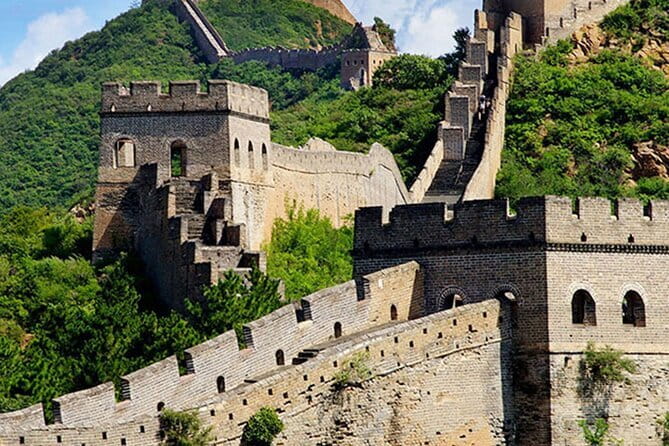
Next you’ll visit Liulichang Street for about 40 minutes. This is a historic arts street known for antique finds and cultural atmosphere, and it’s especially relevant to the calligraphy creation part of your day.
Here’s the practical reason I like this stop: it helps you see calligraphy as a living craft and cultural product, not only as something you do once in a workshop. When you’re surrounded by shops selling writing styles, traditional art supplies, and calligraphy-themed goods, your later hands-on time feels connected.
You can also use this stop to adjust your expectations. If you’ve never tried Chinese calligraphy before, you might assume it’s only about aesthetics. But on Liulichang you see the craft side, including how people value the style and the tools behind the work. That makes it easier to relax and enjoy the process during creation time.
This stop is also free in terms of admission. So you’re not paying extra just to walk, look, and absorb the atmosphere.
More Walking Tours in Beijing
- Beijing Hutong Walking Food and Beer Tour at Hidden Restaurants
★ 5.0 · 1,132 reviews - Private Beijing Walking Tour of the Forbidden City with 7 Options
★ 5.0 · 675 reviews - Forbidden City Private Walking Tour with Optional Sights
★ 5.0 · 400 reviews - Beijing: Forbidden City and Tian’anmen Square Walking Tour
★ 4.9 · 322 reviews
Yangmeizhu Byway: Where Old Streets Meet Modern Creative Life
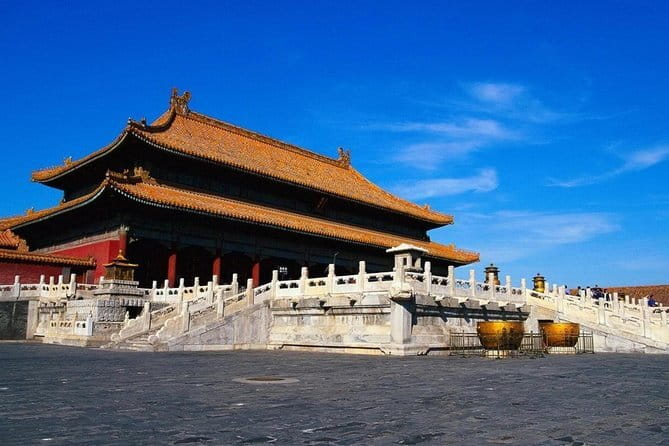
You’ll then walk through Yangmeizhu Byway for about 20 minutes. This is one of those places where older city structure and newer creative culture share the same space.
From a visitor’s point of view, this stop helps you avoid the common Beijing mistake of thinking the city is only about palaces and museums. It’s also about current life. People run businesses, work in studios, and meet friends in alley-adjacent spaces. That’s the “history and modernity together” theme you’re promised, and you’ll see it more clearly here than if your tour stayed only with monuments.
The downside is simple: if you prefer major formal sights, you might want more time at each historic landmark. But for most people, this is a nice palate cleanser between hutong time and the busier commercial streets ahead.
Dashilan Street: Commercial Beijing Without the Museum Feeling
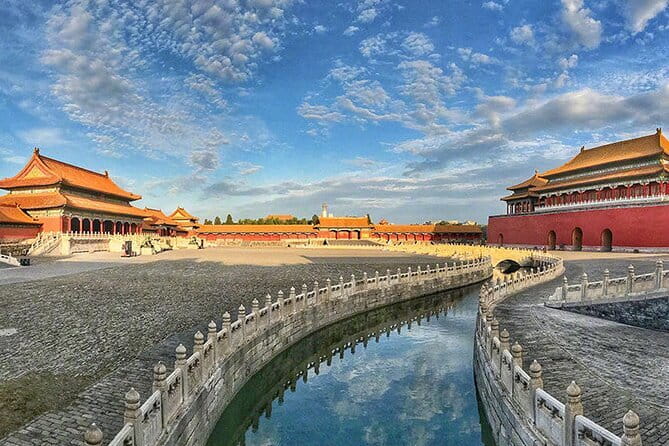
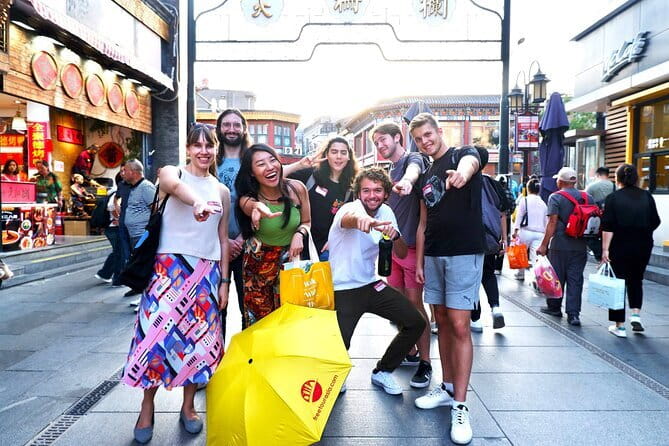
Next comes Dashilan Street for about 20 minutes. This area is described as Beijing’s oldest and most lively commercial hub, and that’s exactly what it feels like on foot. You’re in the “everyday city” lane, where browsing, snacks, and street scenes do the talking.
This stop is a good match for a walking tour because it gives your feet something to do while your brain digests the earlier history. You might notice shop windows, signage styles, and the general rhythm of local commerce. If your tour includes tasting moments, this is the kind of place where it naturally happens.
One thing to remember: it can get crowded in pedestrian zones. Plan to move with the group rather than trying to sprint ahead for photos. The tour aims for a smooth flow, and that’s usually the difference between feeling relaxed and feeling stressed.
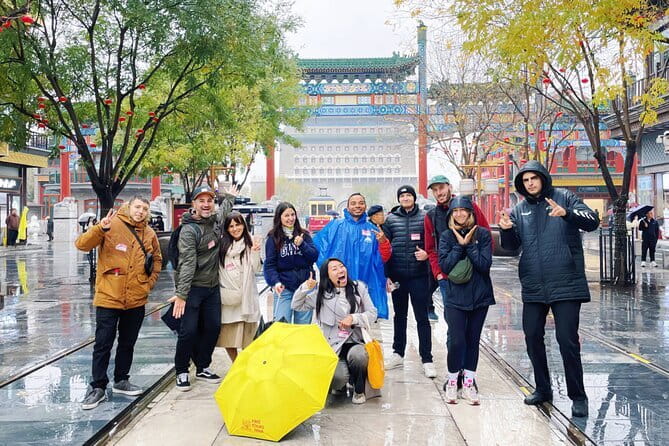
Qianmen Walking Street Finish: A Great Place to Keep Exploring
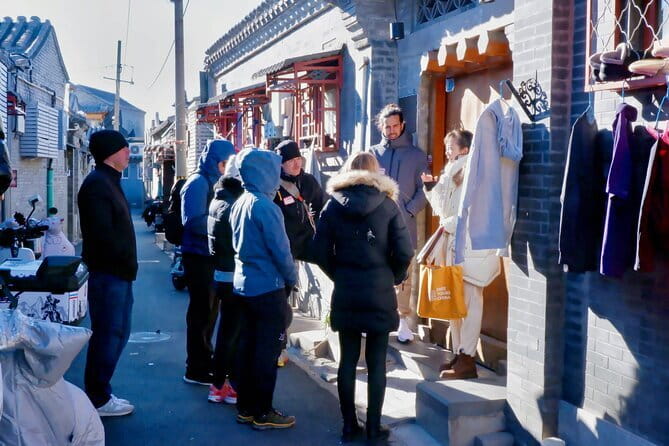
Your final stop is Qianmen Walking Street, also around 20 minutes. This is south of Tiananmen Square, and it’s one of the easiest places to continue your own day after the tour ends.
You’ll get restored historic streets plus the modern shopping and food vibe that still keeps Qianmen relevant. It’s a satisfying ending because:
- You’re not left far from transportation.
- You’re positioned near major landmarks without actually going inside them.
- You can decide what to do next based on your energy and weather.
Important note: the tour ends in front of Tiananmen Square, but you will not enter to visit Tiananmen Square itself. If that’s on your must-do list, reserve a separate visit at least a day in advance. Same-day plans are not guaranteed.
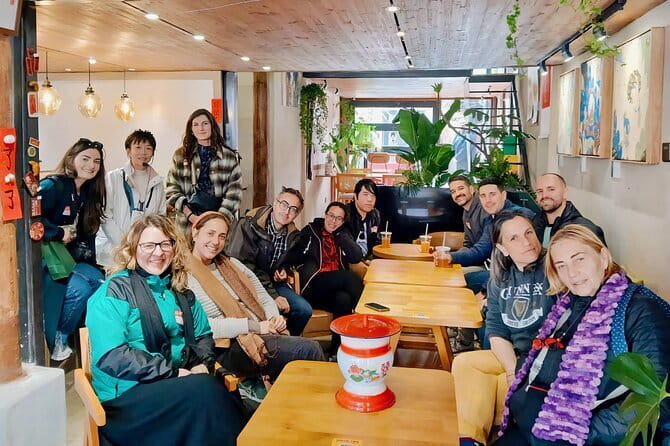
Calligraphy Creation: What You’re Likely Getting From the Hands-On Time
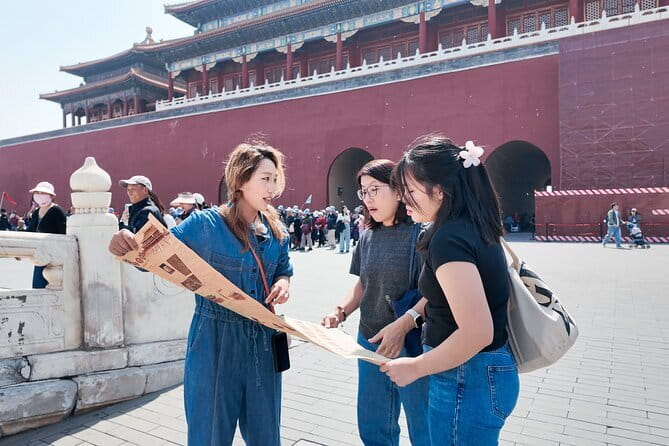
The tour is titled Beijing Historic City Guided Walking Tour plus calligraphy creation, so at some point you’ll get hands-on time to create something with calligraphy. The itinerary details provided don’t spell out the exact materials or technique taught, so I can’t promise the level of instruction you’ll receive.
But here is what you can reasonably expect based on how the day is structured:
- You start with historic context (guild hall and city planning stories).
- You then walk through an arts street culture (Liulichang).
- You finish with more commercial streets where calligraphy style and art shops are part of the everyday visual world.
That means your creation time likely feels like a natural step, not a random add-on. If you’ve been curious about how Chinese writing works, this is a low-stress way to try.
Practical tip from experience in craft activities: treat it as a process, not a test. Your goal is to get a feel for strokes, tools, and the calm focus that makes calligraphy special. Even if your final piece is not museum-worthy, you’ll understand the effort behind it.
Price and Tips: The Value Math You Should Do Before You Book
Let’s talk about the numbers, because the pricing here has a twist.
The tour price shown is $5.00 per person, but that amount is described as a booking fee to reserve your spot. The tour runs on a tips-based model, meaning the guide earns through your voluntary tip.
A suggested tip is 160 to 200 RMB, which is about 20 to 25 USD/EUR. That range is important for two reasons:
- It tells you the tour is priced to be affordable up front, but fair pay depends on tips.
- If you tip well, you’re supporting the kind of storytelling and pacing people keep mentioning in guides like Kris and Hao.
So how do you judge value? Look at what you’re getting for a $5 reservation:
- A 3.5-hour guided walk with multiple stops.
- Local English-speaking guidance.
- An included calligraphy creation element.
- Several stops with free admission.
Even with a tip added, this is still often cheaper than a traditional fixed-price tour. But only if you actually plan to tip. If you want a “no thought required” purchase where everything is bundled, this probably is not the best fit.
Group Size, Pace, and What Cold Weather Can Do
This is a shared group tour, and the structure says up to 6 people per booking. At the same time, it also mentions a maximum capacity of 50 people for the activity overall, which suggests there may be multiple groups running in parallel.
Either way, you should expect:
- A guided flow, with short stops and walking time between them.
- A pace that prioritizes momentum, which helps if the weather is cold or busy.
- Time for interaction, since the stops are short and story-heavy.
From the review style patterns in the provided feedback, guides were praised for staying organized and keeping people moving. That’s a real advantage, because a long walk with poor pacing turns into exhaustion fast.
If you have mobility limitations or you’re expecting long museum-style time, this may feel rushed. But if you like walking tours that teach you to see the city with better “filters,” this is a strong match.
Meeting Points and End Location: Simple, Metro-Friendly, and Handy
You start at Huguang Guild Hall, address listed as 3 Hu Fang Lu, Xi Cheng Qu, China 100052.
Your tour end is near Qianmen Metro Station (Line 2 and 8), specifically at an area described in front of Tiananmen Square but with no entry into Tiananmen Square. Your end point address is shown as Zhengyangmen area, W92X+64H, Qian Men Da Jie, 前门 Dong Cheng Qu, China 100051.
Start time is 10:00 am.
This matters because it’s easier to plan your day. You can combine the tour with shopping, a meal, or a separate attraction near Tiananmen Square after you know you won’t be entering during the walk.
Who This Tour Is Best For (and Who Should Think Twice)
This tour is ideal if you:
- Want a fast, practical introduction to Beijing beyond the big-ticket monuments.
- Like neighborhood streets, old institutions, and the story behind urban design.
- Appreciate a guide who explains what you see as you walk.
- Are curious about calligraphy and want a try-it moment.
You might think twice if you:
- Only want the classic must-see sites that require museum-like time.
- Dislike shared groups and prefer private pacing.
- Are not willing to plan a tip on top of the $5 reservation fee.
For everyone else, the mix of imperial-era context and everyday city streets makes it a strong first or second-day option. It helps you build mental maps quickly, so later parts of the city feel easier.
Should You Book This Walking Tour?
Yes, if you want value, context, and a hands-on cultural activity in one half-day plan. The itinerary is structured to move from Huguang Guild Hall into hutongs, then through arts culture at Liulichang, and finally into commercial Beijing with Dashilan and Qianmen.
Book it especially if you like tours where the guide’s storytelling and pacing matter, because that’s exactly where this experience seems to shine. If you care about Tiananmen Square entry, plan that separately since this tour ends near it without going in.
Finally, don’t treat the $5 as the whole cost. If you tip in the suggested 160 to 200 RMB range, you’re participating in the tips-based model that keeps this kind of walking tour running with real local expertise.
FAQ
How long is the walking tour?
The tour duration is about 3 hours and 30 minutes.
What does the $5 price include?
The $5 booking fee is for reserving your spot. The tour itself uses a tips-based model, so the guide’s work is supported by your voluntary tip.
How much should I tip?
The experience suggests a tip of 160 to 200 RMB (about 20 to 25 USD/EUR).
Where does the tour start and where does it end?
It starts at Huguang Guild Hall at 3 Hu Fang Lu, Xi Cheng Qu, China 100052. It ends in the Qianmen area near Tiananmen Square, with a reference point at Qianmen Metro Station (Line 2 and 8).
Does the tour include Tiananmen Square entry?
No. The tour ends in front of Tiananmen Square, but it does not include entering Tiananmen Square. You need your own reservation at least one day in advance if you want to visit.
What happens if weather is bad?
This experience requires good weather. If it is canceled due to poor weather, you will be offered a different date or a full refund.
More Historical Tours in Beijing
- Beijing Historical Tour II including Summer Palace, Lama Temple & Panda Garden
★ 4.0 · 187 reviews - Beijing Historical Tour I – Forbidden City, Tiananmen Square & Temple of Heaven
★ 4.0 · 120 reviews - Beijing: Bell and Drum Towers Entry Ticket – Historic Landmark
★ 4.6 · 23 reviews - Beijing:Tiananmen Square Entry Reservation – Iconic Landmark
★ 4.0 · 17 reviews
Latest reviews from Beijing
- 11-Day Private China Tour: Beijing, Lhasa, Xi’an and Shanghai★ 5.0 · 5 reviews
- From Beijing: JinShanLing Great Wall Bus Tour with Ticket★ 4.2 · 5 reviews
- Beijing: Jingshan Park Entry Ticket★ 5.0 · 5 reviews
- Beijing: Top Michelin Vegetarian Restaurant Reservation★ 5.0 · 5 reviews
- Lama Temple, Hutong and Silk & Pearl Market Private Day Tour★ 5.0 · 5 reviews
- Beijing Culture Event: Tea Ceremony, Music Show, Calligraphy★ 5.0 · 5 reviews
- Private Great Wall Hiking Tour: Jiankou to Mutianyu★ 5.0 · 5 reviews
- Beijing Golden Mask Dynasty Show With Private Transfer★ 4.8 · 5 reviews
Calligraphy Classes, compared.
Beijing Wangfujing Calligraphy Class by Forbidden City
Read our review →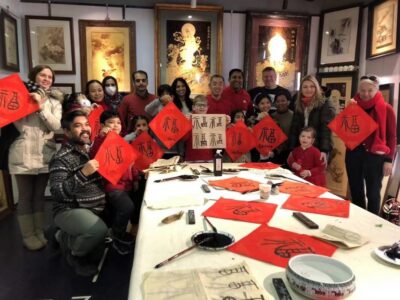
Beijing Wangfujing Calligraphy Class Nearby Forbidden City
Read our review →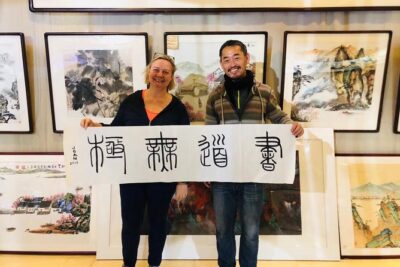

2-Hour Chinese Calligraphy with an Artist in Shanghai, China
Read our review →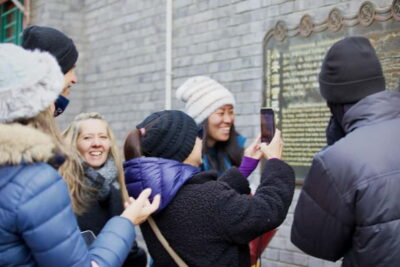
Discover Old Beijing: Hutong Walking Tour & Calligraphy
Read our review →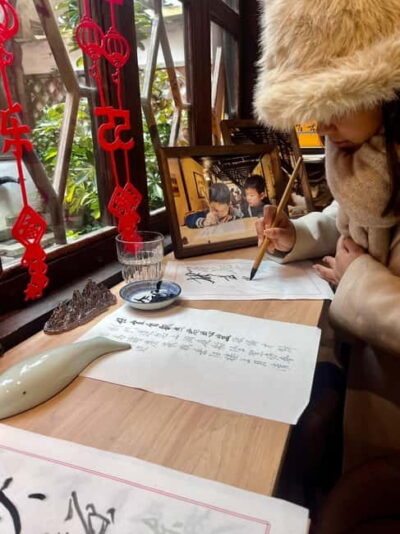
Zhujiajiao Water Town with Calligraphy Experience
Read our review →Browse the lists this tour appears in