
Reviewed · HISTORICAL TOURS
Tour of Jewish Shanghai led by a Jewish History Expert
Shanghai tells stories in layers, and Jewish Shanghai is one of the most surprising. This half-day tour focuses on Hongkou, often called the Shanghai Ghetto, where Jewish refugees and migrants shaped daily life in a very specific WWII era.
Two things I especially like: the tour is led by a Jewish history expert, so you do not just hear dates, you get the why and the context. And the stops are carefully chosen, from the Ohel Moishe Synagogue museum to the memorials in Huoshan Park that connect the story back to real places.
One consideration before you book: this is more history-first than big-photo sightseeing. You will spend a lot of time listening, and some parts involve back lanes and smaller scale sites rather than dramatic landmarks.
Key points to know before you go
- Start on the Bund at the Peace Hotel, a famous landmark tied to Sir Victor Sassoon
- Follow multiple waves of Jewish immigration, not only the WWII story
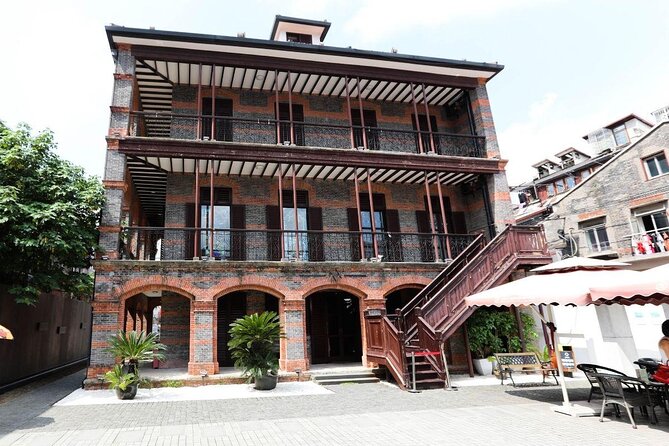
- Visit the Jewish Refugees Museum inside the former Ohel Moshe Synagogue
- See the Huoshan Park WWII monument and memorial plaque
- Walk back lanes and view a former refugee home, for a more human sense of place
- Small-group tour up to 22 people, with air-conditioned transport for comfort
Why Hongkou Feels Like A Living Timeline of Jewish Shanghai
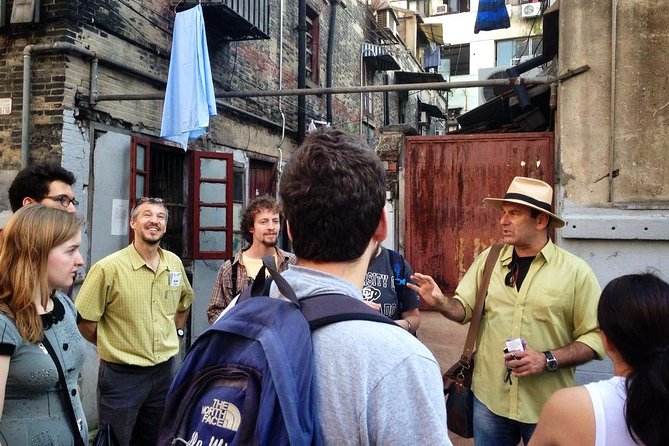
Hongkou today looks like a working neighborhood. That is part of the power here. You are not touring a recreated set. You are walking through an area where immigration history, survival, and ordinary city life overlap.
I like how the tour frames Jewish Shanghai as more than one event. You learn there were different waves of Jewish immigration with different reasons, time periods, and communities. Then the WWII refugee story becomes the main thread, without erasing what came before.
If you enjoy history that you can see and point to, this works. If you want constant wow moments, you might find it more of a guided lecture with walking, not a theme-park style tour.
More Historical Tours in Shanghai
- 4-Hour Private Shanghai Art and History Tour
★ 5.0 · 8 reviews - Private Full Day Tour: Shanghai Colonial History Tour
★ 5.0 · 6 reviews - Shanghai: Natural History Museum Admission entry ticket
★ 4.7 · 6 reviews
Meeting at The Bund: The Peace Hotel Start That Sets the Stage
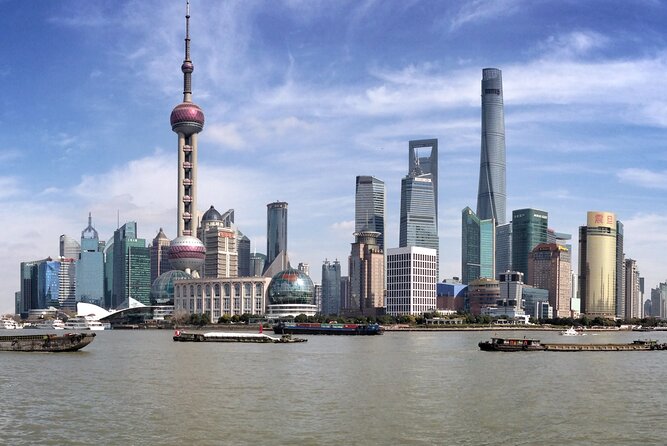
You begin at Nanjing Road (E), using the Peace Hotel area as the key meeting point. This matters because the Peace Hotel is not just a convenient corner. It is connected to Shanghai’s older commercial story through Sir Victor Sassoon, who helped build the city’s financial and social image.
From there, you get city views on the Bund riverfront while the guide connects Shanghai’s growth to Jewish presence. That first segment is useful even if you are not a “city tour” person. Shanghai is massive and fast changing. Starting at the Bund helps you get your bearings and understand why this city became a crossroads for many immigrants.
One practical plus: transport and pacing are built in. The tour includes private transportation and an air-conditioned vehicle, so you are not waiting around in the heat or cold between stops.
Baghdadi Roots: The Earlier Jewish Legacy in Shanghai
A big part of why this tour earns high marks is that it does not treat WWII as the beginning and end of the story. The guide explains the Baghdadi-Jewish legacy of Shanghai and how earlier Jewish merchants and professionals influenced the city.
You’ll hear about a Baghdadi-Jewish real estate developer, and the tour links that thread back to Shanghai’s larger development. This is where the story becomes more than a wartime narrative. You start to see Shanghai as a place that attracted people for business, safety, family networks, and migration routes long before 1939.
I like this approach because it helps you avoid a common trap. When a tour only covers one crisis period, you can miss the continuity. Here, you get a clearer picture of how established communities, economic connections, and later refugee arrivals all fit into the same city story.
Getting to Hongkou: Where The Shanghai Ghetto Story Unfolded
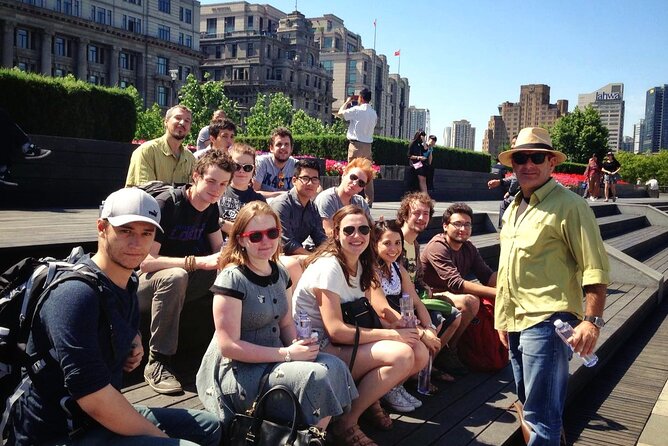
Once you move into the Hongkou district, the tour shifts from theory to geography. The guide takes you to the places tied to the community’s WWII reality, often described as the Shanghai Ghetto.
Hongkou is not a fenced-in museum district. It is lived-in neighborhoods. That is why the walking matters. It helps you understand how refugees navigated overcrowding, shifting policies, and daily routines while still trying to build some stability.
You will also explore back lanes. That can sound vague until you realize the goal is not to chase street aesthetics. The goal is to picture where people moved through the neighborhood, where they may have met neighbors, and how a community functioned in real space.
More history days in Shanghai:
- Shanghai Propaganda and History Walking Tour
★ 5.0 · 5 reviews - Shanghai Uncommon Historic Sites Tour
★ 5.0 · 3 reviews - Beijing Historical Tour II including Summer Palace, Lama Temple & Panda Garden
★ 4.0 · 187 reviews - Beijing Historical Tour I – Forbidden City, Tiananmen Square & Temple of Heaven
★ 4.0 · 120 reviews
Shanghai Jewish Refugees Museum: Ohel Moshe Synagogue In Context
A major anchor stop is the Shanghai Jewish Refugees Museum, housed in the former Ohel Moshe Synagogue. This is one of those places where the building itself helps you understand what you are looking at.
The museum visit is a smart choice for a half-day tour because it offers a focused setting. You are not bouncing between scattered points. You get a concentrated site where the story is organized for visitors, and you can connect the narrative back to the neighborhood you just walked through.
Entrance is included, so you are not stuck figuring out ticket timing. In practice, that means you spend your attention where it belongs: on the guide’s explanations and on the exhibits and interpretive materials inside the museum.
One more thing I appreciate: this stop is not isolated from the rest of the day. The guide connects the museum to what you will see next in Huoshan Park, and to the living conditions implied by the smaller, residential sites later on.
Huoshan Park Monument and Memorial Plaque: Why It Matters That It Is Outside
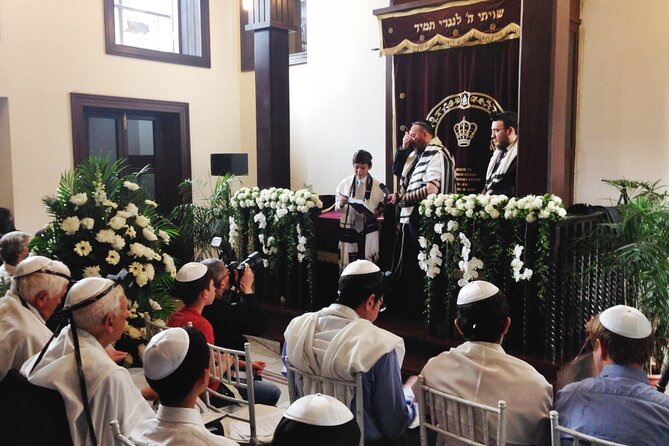
The tour includes a monument in Huoshan Park, along with a memorial plaque. This outdoor stop does something that indoor museum walls cannot always do. It forces you to confront how memory is kept in public space.
When a memorial is in a neighborhood, it is not just history in a display case. It becomes part of the city’s daily visual language. You can look around and imagine the contrast between what refugees experienced then and what local residents experience now.
I also like that the tour treats these memorials as story checkpoints. You are not rushing past them. The guide ties them to the WWII refugee experience so the monument and plaque become more than photo ops.
A Chinese Refugee Home Stop: Learning the Human Scale
Another standout part of the day is the visit to a Chinese home where Jewish refugees used to live. This is the kind of stop that can change how you remember the entire tour.
You might not see a grand exterior or a famous facade. But you get a sense of the domestic scale. That is often where history becomes real, because it shifts your thinking from events and statistics to space, rooms, and everyday survival.
This stop also complements the museum. The museum can explain themes and timeline. The home gives you an instinct for how those themes played out in a place people actually slept, ate, and lived.
If you are the type who likes to ask, What was a normal day like? this is the moment that usually clicks.
Pace, Comfort, and Timing: How to Plan Your Half-Day
The tour lasts about 4 hours and starts at 9:30 am, with the option to run in the morning or afternoon. The guidance is practical: the morning tour is recommended because of daylight constraints and the tour length.
Here is how I’d plan it as a reader:
- Wear comfortable shoes. You will be walking, including time in back lanes.
- Bring water. Food is not included, so you’ll want a plan before or after.
- Expect an expert-led format. Even when you walk, it is still a guided story with stops that may include short pauses.
From past experience with tours like this, the best ones feel like a lecture with movement, not a sprint. The tour format, with private transport and a small group size, supports that kind of pace.
Weather is not an issue you can ignore. The tour operates in all weather conditions, so pack accordingly.
Price and Value: What $96 Buys You in Real Terms
At $96 per person for roughly half a day, the price might look like a lot until you translate it into what you are getting.
You are not only paying for transportation. You are paying for a Jewish history expert guide, a structured route in Hongkou, and included entry to the Jewish Refugees Museum. Plus, the group size cap of 22 travelers helps keep the tour from feeling like a cattle line.
Here is the value equation I use:
- Specialized topic coverage costs more than general city tours.
- WWII refugee history plus earlier immigration waves is a niche area that benefits from an expert who can connect details accurately.
- A well-chosen set of sites means you are not spending time hunting for places on your own.
If you can only do one guided history tour in Shanghai, this is a strong contender, especially if you want a perspective that most standard Shanghai itineraries do not offer.
Who This Tour Suits Best (And Who Might Want Something Else)
This tour is a good fit if you:
- Like history that you can see mapped onto streets and buildings
- Want Jewish Shanghai beyond a single WWII headline
- Appreciate expert storytelling that connects migration waves, community building, and refugee survival
- Prefer a smaller group experience with transport comfort
It may not be the best fit if you:
- Want mostly visual sightseeing with minimal listening
- Prefer very modern, glitzy attraction stops over older, more reflective sites
- Dislike walking through residential lanes, even if it is paced
There is also a subtle fit factor. If you enjoy asking questions and following a narrative thread, you will likely come away with a strong mental timeline. If you just want a quick overview, you might find the emphasis on context is more intense than expected.
The Names You Might Hear: Dvir and Other Expert Guides
In the real world, quality often comes down to the guide in your group. Names that have shown up in past tours include Dvir, with other expert guides also mentioned such as Andy and Anfisa.
Across those accounts, a consistent theme is story clarity and energy, plus a focus on tying the history to the places you visit. Even if your guide is not one of those names, the tour is described as led by a historical expert, so you should expect a serious, fluent English narrative built for visitors.
Should You Book The Jewish Shanghai Half-Day Tour?
If you care about history that is grounded in specific locations, I think you should book this. The combination of the Bund start at the Peace Hotel, the Ohel Moshe Synagogue museum, and the Huoshan Park memorials gives you a full arc from legacy to refugee experience to remembrance.
I’d especially recommend it if you are visiting Shanghai for the first time and want something that feels different from the usual highlights. It also works well as a half-day plan because you can still enjoy the rest of your day for Shanghai’s food and modern sights afterward.
If you are worried about it being too lecture-heavy, plan to bring a curious mindset. This tour is built to reward attention. You will leave with more than facts. You’ll understand how Hongkou became a refuge, and how Shanghai’s identity includes that chapter.
FAQ
How long is the Jewish Shanghai tour?
It runs for about 4 hours.
Where do I meet the guide?
You meet at Nanjing Road (E) at the Peace Hotel area on the Bund riverfront.
What are the main stops?
You visit Hongkou district sites including the Shanghai Jewish Refugees Museum (in the former Ohel Moshe Synagogue) and a monument in Huoshan Park, plus additional walking areas such as back lanes and a former refugee home.
Is the museum admission included?
Yes. Admission to the Shanghai Jewish Refugees Museum is included.
Does the tour run in bad weather?
Yes, it operates in all weather conditions. You should dress for the conditions.
What if I need to cancel?
You can cancel up to 24 hours in advance for a full refund. If you cancel less than 24 hours before the start time, the amount paid is not refunded.
Latest reviews from Shanghai
- Shanghai to Beijing Bullet Train Ticket with Hongqiao Station Transfer★ 5.0 · 5 reviews
- Hangzhou Private Day Trip by Bullet Train from Shanghai★ 4.5 · 5 reviews
- Shanghai Era Theatre Acrobatics Show Ticket★ 5.0 · 5 reviews
- Online Cooking Class Fried Rice by Sunflower Li★ 4.5 · 5 reviews
- Shanghai in a Day: A Whirlwind Tour of the City’s Highlights★ 5.0 · 5 reviews
- Zhouzhuang and Tongli Water Town Private Transfer Service from Shanghai★ 5.0 · 5 reviews
- Shanghai Hongqiao Airport To Shanghai Hotel:Private transfer with Meet service★ 5.0 · 5 reviews
- Private Shanghai City Day Tour with Best Highlights and Shopping★ 5.0 · 5 reviews
Historical Tours, compared.

Beijing Historical Tour II including Summer Palace, Lama Temple & Panda Garden
Read our review →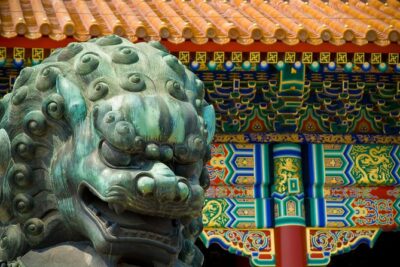
Beijing Historical Tour I – Forbidden City, Tiananmen Square & Temple of Heaven
Read our review →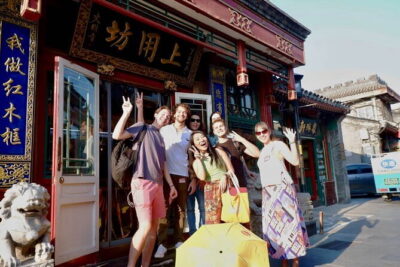
Beijing Historic City Guided Walking Tour + Calligraphy Creation
Read our review →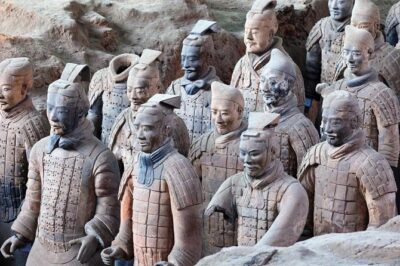
All inclusive Two-Day Xi’an private Heritage Tour
Read our review →
Xi’an Full Day Sightseeing Tour – Shaanxi History Museum, Big Wild Goose Pagoda, Ancient City Wall
Read our review →
Shenzhen History , Culture & Scenic + (Drone Delivery) tour
Read our review →
Private Historical Tour: Guangzhou City Sightseeing Including Lunch
Read our review →
Bell and Drum Towers Entry Ticket – Historic Landmark
Read our review →Browse the lists this tour appears in