
Reviewed · TIBET
11-Day Private China Tour: Beijing, Lhasa, Xi’an and Shanghai
This is a rare China mix because it links the big, showpiece cities with three nights in Lhasa, Tibet. You start with imperial-era icons in Beijing, then shift to Tibet for temples and local streets, and finish with Shanghai’s old and new side by side.
I especially like two things about the way this trip is built. First, you cover major UNESCO World Heritage sites like the Forbidden City, the Summer Palace, and the Terracotta Warriors without having to plan your own connections. Second, you do the Great Wall at Mutianyu with a cable car, then follow it up with a hutong rickshaw tour that helps you understand daily life beyond the big monuments.
One consideration: Tibet adds a real pace change. The itinerary includes flights into Lhasa and a guide briefing on avoiding high altitude reaction, so plan to take it easy on arrival and bring a calm, flexible mindset.
Key highlights worth your attention
- A true private tour: only your group, with a professional guide and experienced driver
- Tibet included end to end: Tibet Travel Permit plus flights and dedicated sightseeing across Lhasa
- UNESCO heavy hitters: Forbidden City, Summer Palace, Terracotta Warriors, and more through guided visits
- Mutianyu Great Wall with cable car: less backtracking, more time for photos and views
- Local-life stops, not just monuments: hutong rickshaw, Barkhor Street strolls, and a Tibetan family visit
- Shanghai mix of classics and creativity: Yu Garden and the Bund, then Tianzifang for modern art-street energy
Price and what you really get for $4,089
At $4,089 per person for an 11-day private route, this is not a budget trip. But it also is not a bare-bones sightseeing day plan. The price covers 10 nights in twin-sharing rooms, three flights (Beijing to Lhasa, Lhasa to Xi’an, Xi’an to Shanghai), a professional guide, transportation, entrance fees, and most meals (10 breakfasts and 4 lunches).
The value improves when you zoom in on the parts that are hard to DIY. Tibet requires a Tibet Travel Permit, and having flights plus permits handled is usually where independent planning turns messy. Add in that the itinerary explicitly includes entrance fees and a lot of timed visits, and you’re basically paying for lower friction.
Still, you should watch the exclusions. International airfare and China visa fees are not included, and personal expenses are not covered. So your real total will also depend on flights to and from China, and how much you spend beyond the included lunches.
More of Tibet:
- Tibet Tour 8 Days Lhasa to Everest Base Camp Small Group Tour
★ 5.0 · 578 reviews - 7 Days Lhasa to Kathmandu Overland Small Group Tibet Tour via EBC
★ 5.0 · 188 reviews - Tibet Tour 15 Days Lhasa to Kailash Trekking Small Group via EBC
★ 5.0 · 104 reviews
Arrival in Beijing, then instant structure (Day 1)
The tour opens in Beijing with a simple, practical setup. When you land at Capital Airport Shunyi, your guide waits in the arrival hall with a sign showing your name, then a driver takes you to the hotel and helps with check-in.
After that, you get rest time. You can handle your own plans for the remainder of Day 1, which is smart because Beijing arrival days can be tiring. You also get a sense of how the trip is designed overall: not just long lists of sights, but an organized flow that starts immediately.
If you arrive early or jet-lagged, this “quiet first day” is a useful buffer. It also makes the next morning’s big sights feel doable rather than rushed.
Tiananmen Square, Forbidden City, Summer Palace: the Beijing power trio (Day 2)
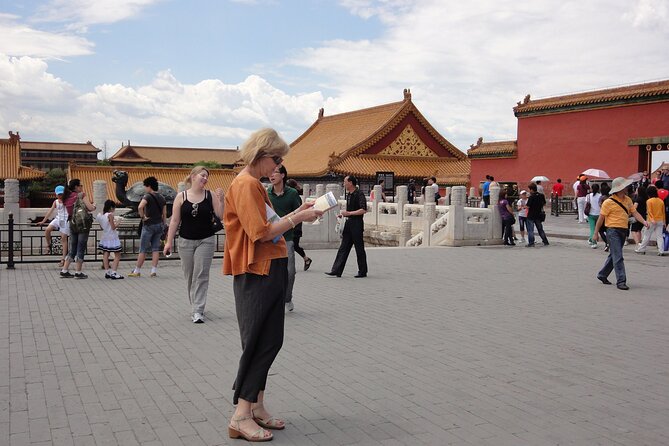
Beijing in one day can feel like drinking from a fire hose. This itinerary softens that by spacing the highlights into clear blocks.
You start with Tiananmen Square, a quick stop that sets context fast. From there you move into the Forbidden City, where you explore halls and pavilions tied to how emperors governed and lived. This is where guided explanations really help, because the scale is huge and it’s easy to get lost.
Then comes the Summer Palace. It’s not just another palace stop. It’s a royal resort vibe with a peaceful garden setting and grand architecture, giving your brain a change of pace after the dense imperial complex. You also get an included welcome lunch at a local restaurant, with the tour pricing noting a CNY150 value.
Possible drawback: this day is still long on-site. If you dislike crowds, go in expecting lots of foot traffic, especially around the most famous spaces.
Mutianyu Great Wall plus hutongs: the Beijing day that feels lived-in (Day 3)
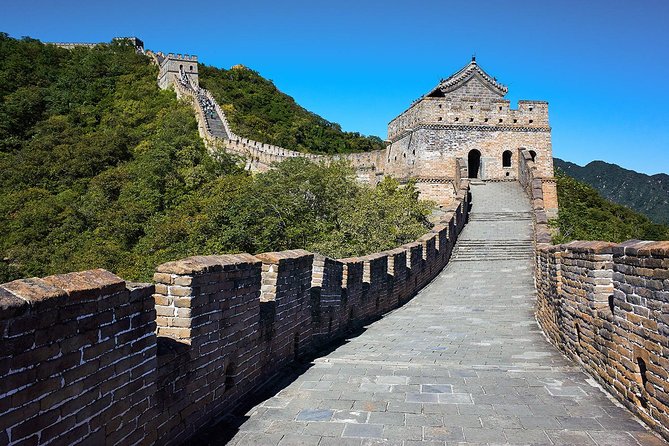
Many Great Wall routes end up being a half-day photo sprint. Here, you get a more balanced feel with Mutianyu, plus the round-trip cable car.
Standing on the wall and looking along the line is the point, and the cable car helps you spend time on the view rather than only transportation. You then get a short photo stop outside Niaochao National Stadium, known as the Bird’s Nest, which is a nice “now you are in modern Beijing” checkpoint.
The best part of Day 3 is what comes after: a hutong tour by rickshaw. You explore original alley areas and you also have a chance to visit a local family. That family connection is the difference between seeing Beijing as only monuments versus seeing it as a city with real routines.
Practical note: the rickshaw tour is included, but it still involves moving through narrow lanes. If you’re sensitive to crowding or uneven ground, take it slow during the walking portions.
A different sort of day out of Beijing:
- From Beijing: Mutianyu Great Wall Tours with Options
★ 4.9 · 9,216 reviews - Beijing: Forbidden City Tour(Group/Private)-Tickets Included
★ 4.8 · 7,974 reviews - Beijing: T-Square & Forbidden City Group or Private Tour
★ 4.8 · 4,446 reviews - All-Inclusive Tour: Tiananmen Square, Forbidden City, Great Wall
★ 5.0 · 2,873 reviews
Temple of Heaven, then fly to Lhasa: a hard switch with a guide on your side (Day 4)
The itinerary keeps Beijing’s spiritual architecture on your schedule with the Temple of Heaven. Emperors worshipped here in hopes of good harvests, and the visit fits well after the political center of Tiananmen and the Forbidden City. It gives you a broader picture of how power and belief were tied together.
Then you fly to Lhasa. The guide meets you at the airport and gives a city intro plus tips on avoiding high altitude reaction while driving into town. After that, the plan is clear: rest at your hotel and adapt to the environment.
I like that the day doesn’t cram in a temple marathon right after arrival. It respects that Lhasa is different, and your body needs time to settle.
Norbulingka, Tibet Museum, and Sera Monastery debates (Day 5)
Day 5 is built around three kinds of understanding: landscape, culture, and living tradition.
You start at Norbulingka (Precious Stone Garden), described as the former summer house for generations of living Buddha and now a major garden space. It’s a calming start that helps you adjust to the atmosphere of Lhasa.
Next is the Tibet Museum, which focuses on culture and history through artifacts, Buddha figures, old handwritten books, Thangka paintings, and ethnic handicrafts. This kind of museum visit can be the difference between watching temples and actually understanding what you’re seeing.
Then you finish at Sera Monastery, where monks debate Buddhist doctrines from 15:00 to 17:00 daily except Sundays. The itinerary highlights how the debate works, including hand clapping as monks urge quick responses and the intensity of the exchange. This is one of the most “alive” experiences in the plan because it is a repeatable daily practice rather than a staged performance.
Consideration: debate sessions are time-specific. If you’re the type who hates fixed schedules, you may feel a bit boxed in. But if you like real religious life, it’s worth it.
Potala Palace and Jokhang, then Barkhor Street by day and by habit (Day 6)
This day is core Lhasa.
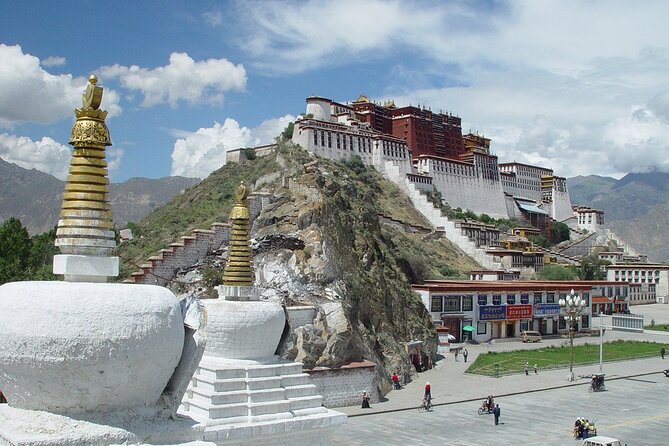
You visit Potala Palace, described as built about 1,300 years ago and known for blending Tibetan temple and palace styles. Even if you’ve seen photos, the guided explanation helps you recognize how it fits into the political and spiritual story of Tibet.
Then it’s Jokhang Temple, around 1370 years old and framed here as the ultimate pilgrimage destination for Tibetan pilgrims. This is where you see devotion close up and understand why so many people travel specifically for this site.
After that, you walk Barkhor Street, which is presented as an iconic street with the original look of Lhasa. You’ll also spend time at a nunnery to get close to the lifestyle of Buddhist nuns.
I like how this sequence moves from grand architecture to everyday religious rhythm. It’s not just “see a temple, take a picture, leave.”
Fly to Xi’an, then let the afternoon stay flexible (Day 7)
You fly from Lhasa to Xi’an and your local guide meets you at the airport, then drives you to the downtown hotel.
The rest of the day is free. That free time matters. Xi’an can be a lot once you start touring museums and major monuments, so letting you reset helps you get more out of the next days.
If you want to plan your own time, this is the day to do it. If you want to stay low-key, that works too.
Terracotta Warriors with hands-on touches and a discoverer family visit (Day 8)
Day 8 is Xi’an’s big signature day: the Qin Terra-cotta Warriors and Horses. This stop is described as lifelike soldiers and horses arranged in battle formations, with distinct expressions on faces. You also see bronze chariots and horses, plus weapons.
What makes the day more than a look-and-leave is that you get additional experiences. The plan includes time with a family visit to the home of the first discoverer of the Terracotta Army, and you can also make a mini clay warrior with a local artisan.
Then you top it off with Big Wild Goose Pagoda, tied to the Tang Dynasty era and the collection of Buddhist sutras brought from India by Xuanzang. You finish with a short, optional free-time style block at the nearby Grand Tang Dynasty Ever-Bright City, a pedestrian street where people dress in traditional costumes.
Possible drawback: the day is packed with variety but that also means it can feel “always on.” If you like long museum pacing, you may want to use the included time to decide what to prioritize instead of trying to see everything equally.
Xi’an City Wall, Great Mosque, and the Muslim Quarter snack time (Day 9)
Today mixes morning fitness and evening food energy.
You start at the Xi’an City Wall Park, where local people do morning exercises, then ascend the city wall. From up top, you explore history from the bricks and details, and you can walk on the wall itself. This is one of those experiences that feels different because it’s about movement, not only looking.
In the afternoon you visit the Great Mosque of Xi’an, one of the largest and oldest Islamic mosques in China, then you head to the nearby Muslim Quarter for time to explore snacks at the bazaar area.
Then you fly to Shanghai and check into your hotel. It’s a long transition day, but it keeps the itinerary moving without turning Xi’an into a split, half-day stop.
Shanghai Museum, Yu Garden lunch, Huangpu River cruise, Bund walk, Tianzifang (Day 10)
Shanghai day is built like a sampler platter, and it works.
First, you visit the Shanghai Museum with rare historical collections. Next is Yu Garden (Yuyuan), an elegant classic garden visit. The day also includes an included farewell lunch valued at CNY150, served at a famous local restaurant.
After lunch, you take a cruise on the Huangpu River, passing the Oriental Pearl TV Tower, then you walk the Bund (Wai Tan). The Bund portion is the classic contrast view, with European-style buildings along the river and modern Pudong skyscrapers across the water.
Finally, you end at Tianzifang, described here as an old-street area where you can relax and find fun. That’s a good way to close out the day because it’s not just monuments. It’s the creative, small-street feel.
If you hate walking after a long day, the Bund segment could feel like a lot. But the payoff is that it’s mostly scenic and not museum-heavy.
Your last morning in Shanghai before your flight (Day 11)
On the final day, your guide transfers you to the airport for your international flight home. It’s simple, which is what you want at the end of a multi-city trip.
If you like having one last chance to look around, this is the day where you might wish the schedule gave you more time. But as it stands, the trip is designed to end on time with minimal stress.
Guides, organization, and the human detail you feel most
A big reason this kind of itinerary works is the guidance quality and how smoothly the day-to-day pieces connect. In past experiences with this provider in Beijing, guides such as Candy have been praised for being organized and efficient, making major sights run smoothly and on time. Another guide, John, has been noted for being helpful even with practical issues like mobile phone support.
In other words, the benefit isn’t only the big names on the schedule. It’s how the tour keeps you from losing time, and how the guide steps in so you can focus on the sights instead of paperwork or confusion.
Since it’s a private tour, you also get more flexible attention. You and your group are the only participants, so the flow is less affected by other schedules.
What fits best, and what might not
This tour is a strong fit if you want structure and you like seeing high-demand sights with guide support. It also works well if you care about variety, because it mixes imperial Beijing, living religious tradition in Lhasa, Xi’an’s archaeology and city wall, and Shanghai’s old and new contrast.
It might not be ideal if you want a slow travel pace, lots of unscheduled free roaming, or you prefer to avoid fixed-time temple debate sessions. Tibet also adds physical and mental demands, and the tour notes moderate physical fitness, which matters if you’re not used to walking through sites and ascending areas like the Xi’an wall.
Should you book this 11-day private China tour?
Book it if you want a smooth, guided route that connects Beijing, Lhasa, Xi’an, and Shanghai without you stitching together flights, permits, and entrance fees. The Tibet Travel Permit being included plus dedicated Lhasa sightseeing is a major reason to choose a packaged private format.
Think twice if you’re traveling on a tight budget or you don’t want the schedule to be mostly set. At this price, you’re paying for convenience and tight planning, not just transportation.
If your priority is maximum iconic coverage with a guide who keeps things organized, this one makes sense. If your priority is lots of spontaneous side trips and a slower pace in each city, you may feel the itinerary is a bit too structured for your style.
FAQ
Is this a private tour or a group tour?
This is a private tour/activity. Only your group participates.
How long is the tour and where does it start?
It runs for about 11 days and starts at Capital Airport Shunyi, Beijing 101300, China, with a start time of 9:00 am.
What is included in the price?
The price includes 10 nights of accommodation in twin-sharing rooms, one-way economy-class airfare for the route between Beijing, Lhasa, Xi’an, and Shanghai, the Tibet Travel Permit, a professional guide and experienced driver, air-conditioned vehicle, entrance fees to tourist sites, two bottled waters per person per day, and breakfast and lunch as listed (10 breakfasts and 4 lunches).
What is not included?
Not included are China visa fees, international airfare, and personal expenses.
Does the tour include flights between the cities?
Yes. The package includes three flights as part of the one-way economy-class airfares from Beijing to Lhasa, Lhasa to Xi’an, and Xi’an to Shanghai.
What if I need to cancel?
You can cancel for a full refund if you cancel up to 24 hours in advance of the experience’s start time. If you cancel less than 24 hours before the start time, the amount paid is not refunded.
Latest reviews from Beijing
- From Beijing: JinShanLing Great Wall Bus Tour with Ticket★ 4.2 · 5 reviews
- Beijing: Top Michelin Vegetarian Restaurant Reservation★ 5.0 · 5 reviews
- Beijing: Jingshan Park Entry Ticket★ 5.0 · 5 reviews
- Lama Temple, Hutong and Silk & Pearl Market Private Day Tour★ 5.0 · 5 reviews
- Beijing Culture Event: Tea Ceremony, Music Show, Calligraphy★ 5.0 · 5 reviews
- Private Great Wall Hiking Tour: Jiankou to Mutianyu★ 5.0 · 5 reviews
- Beijing Golden Mask Dynasty Show With Private Transfer★ 4.8 · 5 reviews
- Beijing: Great Wall Hiking Tour from Jiankou to Mutianyu★ 5.0 · 5 reviews
Tibet, compared.
Tibet Tour 8 Days Lhasa to Everest Base Camp Small Group Tour
Read our review →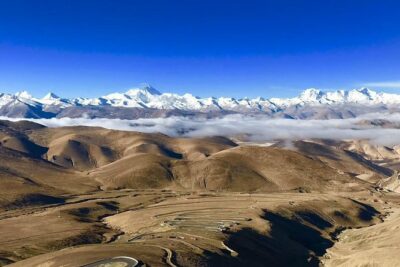
7 Days Lhasa to Kathmandu Overland Small Group Tibet Tour via EBC
Read our review →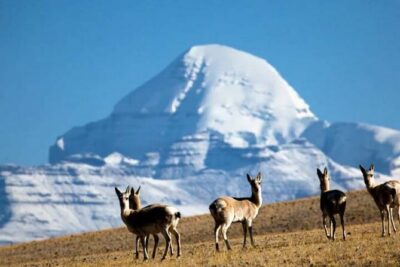
Tibet Tour 15 Days Lhasa to Kailash Trekking Small Group via EBC
Read our review →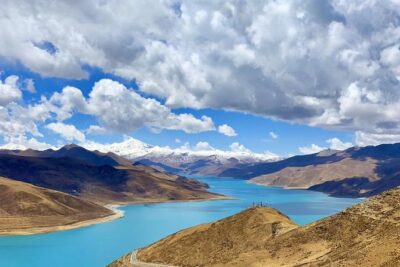
10 Days Tibet Everest Base Camp and Namtso Small Group Tour
Read our review →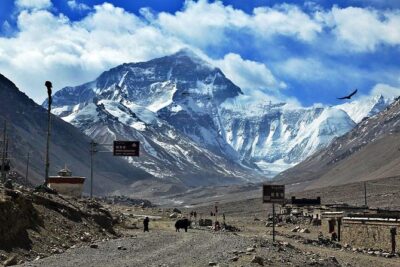
8 Days Lhasa Gyantse Shigatse Mt Everest Group Tour
Read our review →
13 Day Lhasa, Mt. Everest, Mt. Kailash to Kathmandu Adventure
Read our review →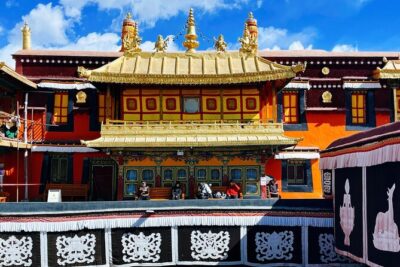
Browse the lists this tour appears in