
Reviewed · TIBET
7 Days Lhasa to Kathmandu Overland Small Group Tibet Tour via EBC
This overland trip is interesting because it ties together Lhasa’s top sites and serious Himalayan altitude in one smooth route, ending at the Gyirong border for your jump into Nepal. I love the fact that they handle the paperwork that can stall Tibet travel, especially Tibet permit support. I also love the small group feel, where you are not lost in a crowd. One consideration: expect long driving days and high elevations, so you will want to take it slow and listen to your guide.
The other thing I like is the comfort and safety built into the logistics, like oxygen in the vehicle and hotel pickup in Lhasa. Guides such as Lobsang or Lhakpa have a strong track record of keeping temple days organized and easy to follow, and drivers like Ihakpa also get praised for being attentive. Just remember, this is a road trip through Tibet, not a sit-on-a-train tour.
Key Highlights You’ll Feel Fast
- Small group size (up to 12), with a more personal rhythm around temples and stops
- Tibet permits and visa invitation help so you are not wrestling forms alone
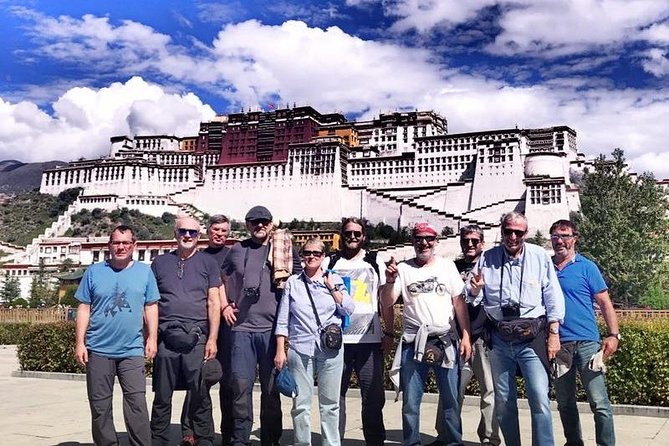
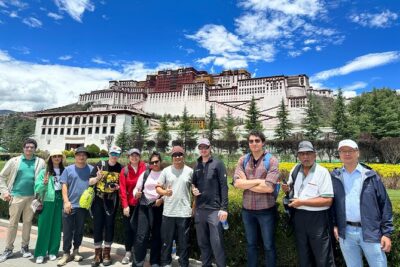
- Potala Palace, Jokhang Temple, Barkor Street kora plus time for local tea moments
- Sera Monastery debate time in the late afternoon window
- Everest Base Camp access with Echo bus and high-pass driving
- End at Gyirong border, with an optional jeep to Kathmandu if you want it
Why This Lhasa to Kathmandu Route Makes Sense
If your goal is to see the biggest hits without stitching together five different bookings, this route is built for you. You start in Lhasa, hit iconic monasteries, then gradually shift higher as you head toward Everest Base Camp. The finish is practical too. You do not just stop at some viewpoint and call it a day. You end at the Kyirong or Gyirong border area, where you can continue into Nepal with a jeep transfer option.
What makes the trip feel efficient is the pacing of the cultural days first. Lhasa comes early, with Potala Palace, Jokhang Temple, and Barkor Street. Then you move into the mountain days, with Shigatse and Gyantse road highlights before Everest. That sequence helps your brain adjust. You get your bearings culturally first, then the altitude gets the spotlight.
Also, you are riding with an English-speaking local Tibetan guide and a driver through a van or minibus. That matters, because the route includes passes and long stretches. It is not the kind of trip where you want to be figuring things out on your phone while everyone else is waiting.
More of Tibet:
- Tibet Tour 8 Days Lhasa to Everest Base Camp Small Group Tour
★ 5.0 · 578 reviews - Tibet Tour 15 Days Lhasa to Kailash Trekking Small Group via EBC
★ 5.0 · 104 reviews - 10 Days Tibet Everest Base Camp and Namtso Small Group Tour
★ 4.5 · 53 reviews
Price and Logistics: What $989 Really Buys
At $989 per person, you are paying for far more than sightseeing tickets. The package includes transportation in Tibet by van or minibus, an English-speaking guide, and oxygen provided in your vehicle. It also includes hotel pickup and drop off in Lhasa on designated times. Most importantly, it includes Tibet travel permits and “other necessary permits,” plus any needed Chinese visa invitation letter support.
Meals are partly covered. You get breakfasts (six of them), plus one welcome dinner. Lunches and dinners are on you. That is normal for overland tours, but it is worth planning for daily costs so you do not get surprised.
Where this price can feel especially fair is the number of planned entry fees you are covered for, plus Everest Base Camp Echo bus mentioned in the inclusions. Still, site entry can sometimes be a spot check depending on timing, so I suggest you confirm directly what is covered for big-ticket sites like Potala Palace and Jokhang Temple when you receive your confirmation. Do this once, then move on with your trip.
If you want a single room, plan ahead too. Twin-sharing is the default. Single supplement is not included.
Day 1 in Lhasa: Arrival, Pickup, and a Gentle Start
Your day starts with a guide greeting you at the airport or train station. From there, you transfer to a hotel in downtown Lhasa. Even when the schedule is simple, the first day matters because Tibet travel is different from sea level travel. You want a low-stress start, time to hydrate, and a chance to adjust.
On the drive you may catch scenery along the Yarlung Tsangpo River route, which is a nice way to “wake up” to the region without adding a long hike on day one. Then it is check-in and settle in.
If your tour includes a welcome dinner, it gives you a clean way to meet the group, learn how your guide likes to run the days, and ask practical questions about altitude. When you hear a guide explain how the oxygen plan works and how they expect you to pace yourself, it prevents a lot of confusion later.
Lhasa Core Days: Potala Palace, Jokhang Temple, and Barkor Street
This is the part where you feel Lhasa for real. You do not just see temples. You see where daily life around temples happens, including pilgrim routines and street-level rituals.
A different sort of day out of Tibet:
- 8 Days Lhasa Gyantse Shigatse Mt Everest Group Tour
★ 5.0 · 52 reviews - 6 Days Central Tibet Culture Small Group Tour
★ 5.0 · 41 reviews - 13 Day Lhasa, Mt. Everest, Mt. Kailash to Kathmandu Adventure
★ 5.0 · 33 reviews - 4 Days Lhasa City Essential Group Tour
★ 5.0 · 25 reviews
Potala Palace and Jokhang Temple
Potala Palace is the winter palace of the Dalai Lama, connected to centuries of Tibetan rule and Buddhist influence. You visit it first, then move onward to Jokhang Temple. Jokhang Temple is tied to the 7th century, and it is famous for what you can find inside, including a statue of Buddha Sakyamuni when he is twelve.
Here’s the practical tip: go in with patience. These are busy places, and the lines can be part of the experience. If you are sensitive to crowds, aim to keep your expectations flexible and rely on your guide for timing.
Barkor Street kora and a local tea moment
After Jokhang, Barkor Street surrounds the temple area. This is where you can do a kora, the circular religious walk around holy sites, and watch local life unfold. You also get a chance to explore old market lanes and taste Tibetan tea with locals in a tea break setting.
That tea and kora combo is one reason I like this kind of route. It nudges you past the “look, take photos, leave” loop and into the habit of how people actually move through a sacred space.
Drepung and Sera Monasteries: More Than Photo Stops
Day 3 is built around two major monastery experiences: Drepung in the morning and Sera in the afternoon.
Drepung Monastery in the morning
Drepung Monastery, located about 25 kilometers southwest of Lhasa downtown, is described as a well-protected ancient Tibetan village surrounded by valleys. You visit and explore the site, with a longer block set aside (around three hours) so you are not rushed through every doorway.
If you are used to “quick museum stops,” this might feel slower, and that is a good thing. Monastery areas give you space to notice how monks and visitors move, how prayer spaces are arranged, and how the architecture supports daily religious life.
Sera Monastery debate session
Sera Monastery is one of the Gelug “great three” monasteries. The standout here is the monks debate, scheduled in the late afternoon window, around three to five. You get that built-in timing, which is not something you want to gamble on during independent travel.
Practical note: debate sessions can be lively and require you to stand, sit, or shift positions. If you have knee issues or need frequent rest breaks, tell your guide early so they can help you find a workable spot.
The Road to Shigatse and Gyantse: Yamdrok Yumtso, Passes, Prayer Flags
After Lhasa, your trip starts stacking elevation and open-road views. Day 4 is a classic overland Tibet day: scenic drives, mountain passes, and a few signature roadside moments.
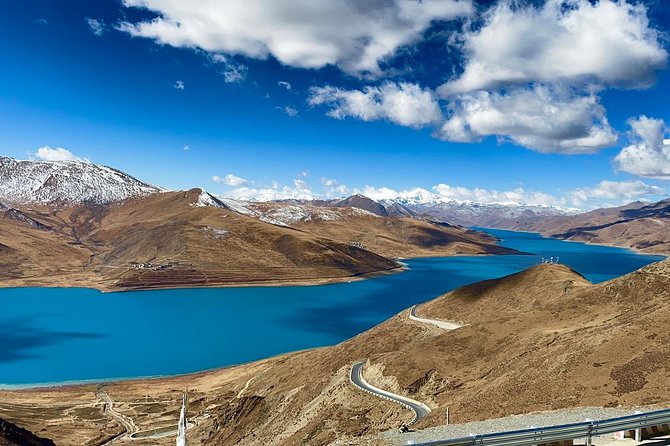
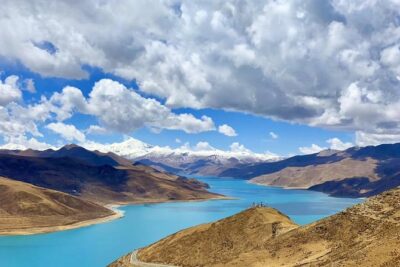
You head toward Shigatse, crossing the Gampala pass (about 4790 meters). Along the way, you glimpse Yamdrok-tso, also spelled Yamdrok Yumtso, at around 4400 meters. The lake sits surrounded by snow-capped mountains, and even if visibility changes, the altitude alone makes it feel dramatic.
Then you pass Karo La Glacier, another planned stop where you can stretch legs and see the roadside terrain close up. You may also hang prayer flags at Manak Dam Lake near Simila Mountain Pass. That is a small moment, but it connects you to a living practice, not just a viewpoint.
If you are the type who likes to understand why stops matter, this day does that. Each stop explains a piece of the route, not just a list of places to check off.
Everest Base Camp Day: High Passes, Echo Bus, and Focus
Day 5 is where the trip turns into an Everest mission. The plan includes a stop at Tashilunpo Monastery in Shigatse first. You also get assistance with an Alien’s travel permit before leaving Shigatse. That is one of those “invisible” travel needs that can derail trips if you do not have support.
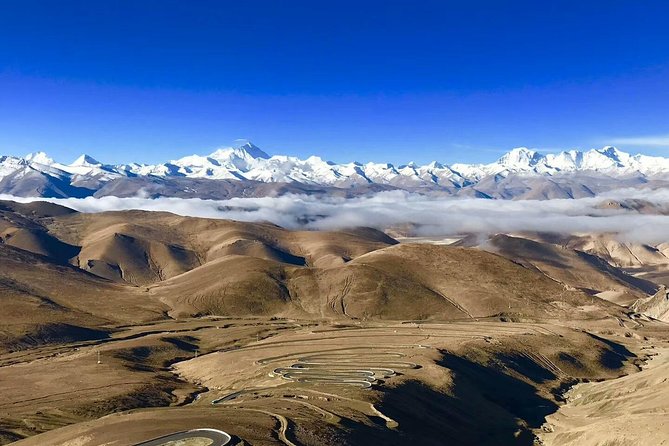
Then you drive toward Lhatse for lunch before the big Everest push. The drive includes several high passes: Tsola Pass (about 4600 meters), Gyatsola Pass (about 5248 meters), and then Gawula Pass (about 5198 meters). Shortly after, you enter the Mt. Everest National Nature Reserve, aiming for panoramic views of the Himalaya.
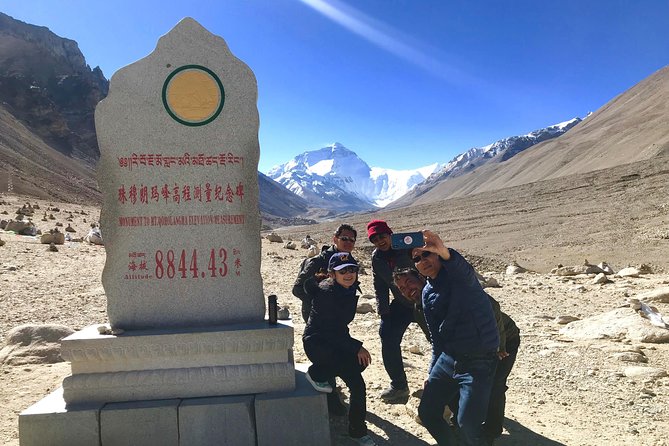
Everest Base Camp itself is paired with the Echo bus inclusion. That means the logistics of getting to the base area are handled in the plan, rather than you trying to organize transport in a remote zone.
A quick reality check: on Everest approach days, your “win” might be as simple as feeling okay, staying hydrated, and not rushing your body. The most important thing you can do is follow your guide’s pace. Photos are great, but breathing comfortably is the real flex.
Rongbuk Monastery at Sunrise: Weather Can Change Everything
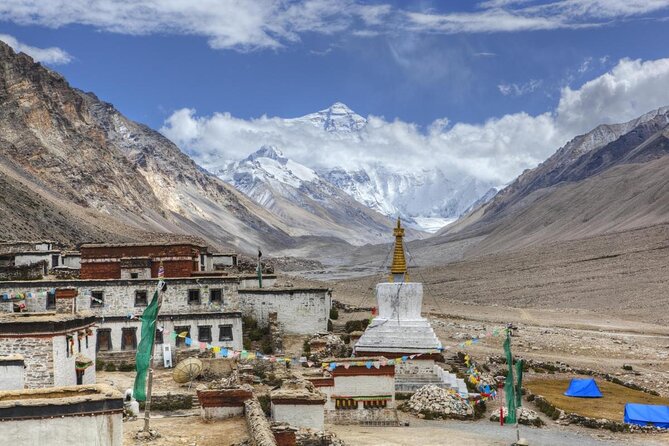
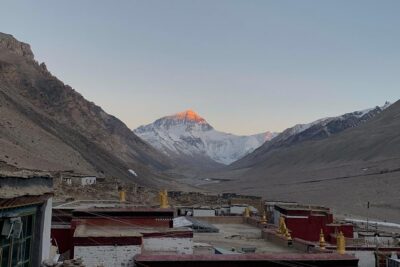
Day 6 adds the classic pre-Everest highlight, sunrise viewing if weather permits. The plan is to appreciate sunrise of Everest Peak from the lodging area first, then head to Rongbuk Monastery.
Rongbuk Monastery is noted as the highest monastery with nuns and monks living together. That makes it feel distinct from other monastery visits. It is not just scenery. It is a real religious community in a place shaped by altitude and weather.
After that, you head from Everest toward the Gyirong or Kyirong border area. The route includes views of Mt. Shishapangma and Pekutso Lake. You pass Ghungtang Lhamo (about 5236 meters) and then arrive in Kyirong late afternoon.
The descent from above 5000 meters is also part of the experience. Once you drop down into Kyirong, you see forest and waterfall scenery, which feels like a reset after the high cold zones.
Crossing Into Nepal at Gyirong: Finishing Strong
Day 7 is simpler, but it is still meaningful. Your tour guide assists you to exit China at the Gyirong border, then sees you off. Service ends after that.
If you are continuing into Nepal, you can choose a jeep transfer to Kathmandu for an additional $60. The distance is listed as about 130 kilometers. This option is handy if you want to keep the momentum rather than arranging independent transport.
The way this ending is set up is practical for most people. You do not have to solve a last-minute logistics puzzle right after altitude exertion. You just follow the guide’s instructions and keep your paperwork clean.
Comfort Level, Hotels, and What to Expect in Rooms
In the main overland rhythm, your comfort comes from three places: transport style, oxygen support, and lodging standard.
Hotels are listed as based on double occupancy, with twin-bedded rooms by default. There is also mention of guests houses dorm bed. That signals you might see a mix of accommodation styles depending on where you stop that night. The best approach is to pack with flexibility in mind. Plan for basic room comfort rather than luxury.
Transport is by comfortable van or minibus with an experienced local driver, with gasoline included in the tour cost. You also receive drinking water during the trip, plus tourist accident or casualty insurance. Oxygen is provided in the vehicle, which is one of the most important inclusions on a route that hits big elevations.
If you are someone who hates being rushed, this tour can feel nice because it is organized without feeling like a factory line. The small group limit, up to 12 travelers, helps with that.
Meals: What’s Included, What You Should Budget
Your meals are split this way: breakfasts are included on six days, and there is one welcome dinner included. Lunches and dinners are not included, so you need a daily budget for food.
This matters because Tibet and Everest-area towns can have limited options. When your tour team does not include lunches and dinners, you lose some control, but you gain flexibility for what you eat. If you have dietary needs, I would plan on bringing simple backup snacks and water purification, just to stay comfortable.
Also, eat light on high-altitude days. Big heavy meals can make your body feel worse. Your guide will likely keep the plan moving, so it helps if you keep your stomach calm.
Best Fit: Who This Tour Is For
This trip is best for people who want a structured overland experience, especially if you do not want to manage permits and transport details yourself. It also fits couples, friends, and solo travelers who like a small group and a clear daily plan.
You should consider this tour if you:
- Want core Lhasa highlights like Potala Palace, Jokhang Temple, and Barkor Street
- Want a guided shot to Everest Base Camp with the Echo bus included
- Prefer having oxygen support and an organized altitude plan
- Like monasteries and real religious routines, including Sera’s debate session
You might want a different option if you:
- Know you struggle with long driving days or high elevations
- Need single-room privacy and want that included in the base price
- Want every meal included, since lunches and dinners are on you
Should You Book This Lhasa to Kathmandu Overland Tour?
I think it is a solid booking if you match the itinerary style: structured days, guided culture, and an Everest approach that relies on planning rather than improvisation. The best part for value is that you get permits, oxygen support, transport, and a real sequence of Lhasa, Shigatse, Gyantse, Everest Base Camp, and the Gyirong border ending.
If you can handle road time and you are willing to budget for lunches and dinners, this is a strong way to connect Tibet to Nepal without turning your trip into a logistics project.
If you want a smoother decision, do this: confirm what site entries are covered for your exact dates, and tell your guide what altitude concerns you have. Then show up hydrated and rested. The rest is pretty much watching the Himalaya do its job.
FAQ
What is the tour price and how long is it?
The tour is $989 per person and runs for about 7 days.
Does the tour include Tibet travel permits and any visa support?
Yes. The tour includes a Tibet travel permit and other necessary permits. It can also include a Chinese visa invitation letter if needed.
What transport do I use during the trip?
You travel by comfortable van or minibus with an experienced local driver. Gasoline is included, and oxygen is provided in the vehicle.
What Lhasa sites are visited?
You visit Potala Palace, Jokhang Temple, Barkor Street, Drepung Monastery, and Sera Monastery.
Is Everest Base Camp included?
Yes. The itinerary includes Everest Base Camp with the Echo bus, plus the relevant entrance ticket fee listed in the inclusions.
Where does the tour end, and how do I get to Kathmandu?
It ends at the Gyirong border, where the guide assists with exiting China. You can arrange a jeep transfer to Kathmandu for an additional $60.
What meals are included?
You get breakfasts (six total). There is also one welcome dinner included. Lunches and dinners are not included.
What about hotels and room types?
Hotels are based on double occupancy with twin-sharing as the default. A single supplement is not included, and some nights may be in guest houses with dorm bed accommodations.
Do they provide oxygen for altitude?
Yes. Oxygen is provided in the tourist vehicle to help support health needs during the trip.
What is the cancellation policy for a full refund?
You can cancel up to 6 days in advance for a full refund. If you cancel less than 2 full days before the start time, the amount paid is not refunded.
Latest reviews from Tibet
- 11-Day Private China Tour: Beijing, Lhasa, Xi’an and Shanghai★ 5.0 · 5 reviews
- From Chengdu: Tibetan Village Live as a Tibetan Day Tour★ 5.0 · 6 reviews
- 7 Days Overland Tour from Lhasa to Kathmandu★ 5.0 · 20 reviews
- Private Guided Day Tour Potala Palace and Sera Monastery★ 5.0 · 22 reviews
- 4 Days Lhasa City Essential Group Tour★ 5.0 · 25 reviews
- 6 Days Central Tibet Culture Small Group Tour★ 5.0 · 41 reviews
- 8 Days Lhasa Gyantse Shigatse Mt Everest Group Tour★ 5.0 · 52 reviews
- 10 Days Tibet Everest Base Camp and Namtso Small Group Tour★ 4.5 · 53 reviews
Tibet, compared.
Tibet Tour 8 Days Lhasa to Everest Base Camp Small Group Tour
Read our review →
Tibet Tour 15 Days Lhasa to Kailash Trekking Small Group via EBC
Read our review →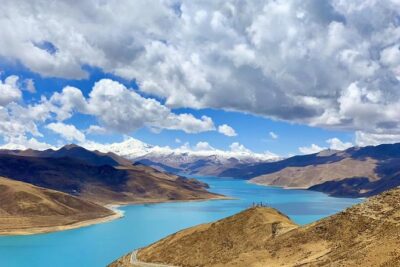
10 Days Tibet Everest Base Camp and Namtso Small Group Tour
Read our review →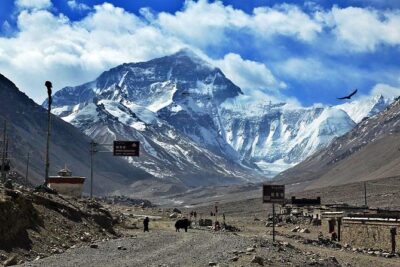
8 Days Lhasa Gyantse Shigatse Mt Everest Group Tour
Read our review →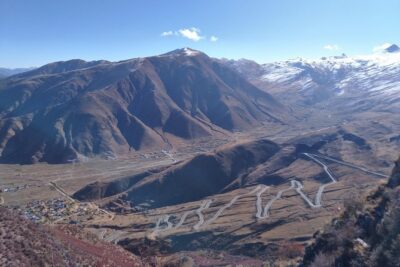
13 Day Lhasa, Mt. Everest, Mt. Kailash to Kathmandu Adventure
Read our review →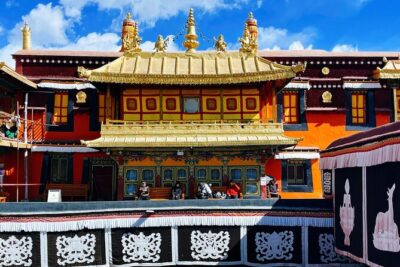
Private Guided Day Tour Potala Palace and Sera Monastery
Read our review →Browse the lists this tour appears in