
A week-long overland run from Lhasa to Kathmandu is an interesting way to see Tibet without doing it in pieces. I really like how the trip starts in Lhasa with Potala Palace and Jokhang Temple, then keeps you moving toward Everest country instead of just circling the same neighborhoods.
I also like the practical setup, from a licensed driver to a local English-speaking guide, plus an emergency oxygen container. The tradeoff is the pace and altitude, including high passes and an early Everest morning, so you need steady patience and moderate physical stamina.
Key points that make this tour worth a hard look
- Private transport with an experienced driver means less logistics stress across remote roads
- Temple-heavy Lhasa days give you real context beyond photos
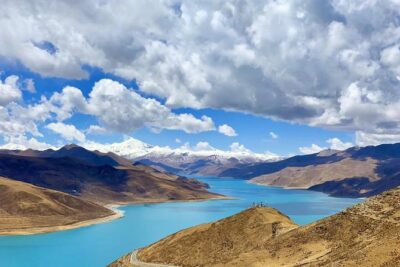
- Yamdrok Lake and Karola Glacier viewpoints are a big reason people sign up
- Everest Base Camp night in a tent plus an early sunrise drives the adventure
- English-speaking local guidance helps you connect what you see with what it means
- A planned end at Gyirong Port sets you up to continue into Nepal
Why this Lhasa to Kathmandu overland route is such a smart structure
This trip is built for people who want Tibet highlights in one week, then keep going toward Nepal. You start in Lhasa, where the spiritual weight and daily rhythm of the region are easiest to feel. Then the route turns outward, taking you through high-altitude scenery toward Everest Base Camp and finally out through Gyirong Port into Nepal.
One of the best parts is how the itinerary mixes big landmarks with smaller, more grounded moments. You are not only chasing the headline sites like Potala and Everest. You also get monastery time in Lhasa, a long road day through holy-lake country, and a monastery stop near the Everest approach. It is a route that makes you feel like you traveled across Tibet, not just through it.
The other advantage is the handoff. Your service ends at Gyirong Port. If your next step is Kathmandu, this setup is convenient because you are not stuck trying to solve border transport at the last minute.
More of Tibet:
- Tibet Tour 8 Days Lhasa to Everest Base Camp Small Group Tour
★ 5.0 · 578 reviews - 7 Days Lhasa to Kathmandu Overland Small Group Tibet Tour via EBC
★ 5.0 · 188 reviews - Tibet Tour 15 Days Lhasa to Kailash Trekking Small Group via EBC
★ 5.0 · 104 reviews
Price and value: what you really pay for at $1,703.95
At $1,703.95 per person, the price is mainly paying for logistics plus the “can’t-do-this-yourself-easily” pieces. You get six nights of accommodation across Lhasa, Shigatse, Everest Base Camp (tent), and Gyirong Town. You also get private transportation with a licensed driver, Lhasa airport (or train) transfers, hotel breakfasts, and a guide who can explain what you are seeing.
Value also comes from the safety and contingency items listed as included. There is tourist accident and casualty insurance, a container of oxygen for emergencies, and handling charges and taxes are already covered. You even get two bottles of drinking water per person per day.
What is not included matters for budgeting. Lunches and dinners are not specified in the itinerary, and entrance tickets for sightseeing places are also not included. Potala includes a reservation fee, but entrance tickets are still not listed as included. If you want a single, predictable cost, ask what you should expect to pay at each stop for tickets.
Days 1 to 3: Lhasa temples, Barkhor street, and the monasteries that explain the culture
Day 1 is straightforward: Lhasa airport pickup, then a guide helps you check into your hotel. This matters in Tibet because you usually land tired and altitude-strained. Getting to your room without extra hassle is a quiet win.
Day 2 is classic Lhasa: Potala Palace, then Jokhang Temple, then a stroll on Barkhor Street for local market life and handicrafts. Potala is the big, famous target, but Jokhang is the one that often sticks in your mind because it is more about spiritual gravity than architecture alone. Barkhor adds texture, letting you see the everyday flow of people moving through the city.
Day 3 focuses on two of the most important monasteries in Tibetan Buddhism: Sera Monastery and Drepung Monastery. If you have ever wondered what “religion in daily life” looks like in practice, these stops are where you get that answer. Also, the quality of guidance matters here. In prior experiences with the operator, guides such as Norbu or Teri have been noted for being engaging and professional, which is exactly what you want on a monastery day.
Days 4 to 5: the high road to Shigatse, Yamdrok Lake, and the approach to Everest Base Camp
Day 4 is where the trip shifts from city spirituality to big mountain country. You drive up to the Kampa(la) Pass at an elevation of 4797 meters for views down toward Yamdrok Lake, plus distant glacier scenery connected to Mount Nyenchen Khangsar. Yamdrok is one of Tibet’s holy lakes, and the itinerary is designed around that moment of looking down and realizing how dramatic and sacred this region feels at altitude.
You then continue to Karola Glacier before heading along the southern Friendship Highway. After that, you reach Gyantse to see Gyantse Kumbum, a major architectural highlight. The day ends in Shigatse, giving you one full night to recover from the long driving day.
Day 5 starts with Tashilunpo Monastery in Shigatse, then moves toward Everest Base Camp via Lhatse and Tingri. You stop at Rongphu Monastery, described as the world’s highest altitude monastery. Then you spend the night at Everest Base Camp in the included EBC tent setup.
One practical tip from past groups: if you care about the best roadside views during long drives, try to sit on the side of the vehicle that gets the better sightlines. Some people specifically noted that the right side can offer good views.
A different sort of day out of Lhasa:
- 10 Days Tibet Everest Base Camp and Namtso Small Group Tour
★ 4.5 · 53 reviews - 8 Days Lhasa Gyantse Shigatse Mt Everest Group Tour
★ 5.0 · 52 reviews - 6 Days Central Tibet Culture Small Group Tour
★ 5.0 · 41 reviews - 13 Day Lhasa, Mt. Everest, Mt. Kailash to Kathmandu Adventure
★ 5.0 · 33 reviews
Everest Base Camp night and sunrise morning: the real payoff, with a few realities
This is the day the whole route is named for, and it is scheduled with intention. You get an early morning experience, then the emphasis shifts to what you can see from the moment the light hits. On Day 6, you enjoy sunrise on Mount Everest and then drive back to the main road, using 318 national highway, toward Gyirong Town.
Two details are worth highlighting. First, the tour notes that there will be no hotel breakfast on the Everest morning. So plan for an earlier day and don’t expect a normal breakfast routine before sunrise.
Second, Everest time is high-stress for your body because altitude is already part of the trip, not a side issue. That is why the included oxygen and the guide’s role matter. You are also advised to move slowly and stay well hydrated, especially since symptoms of altitude sickness can happen to some visitors. If symptoms are severe or worsening, the instructions are to contact your tour guide or staff immediately.
The EBC night is included as a tent stay. That is an intentional style choice. If you know you dislike basic accommodations, treat this as a key decision point before you book.
Leaving Tibet the practical way: Gyirong Port and your Kathmandu next step
Day 6 ends in Gyirong Town. Then Day 7 is early border work at Gyirong Port. The day’s description is simple: you cross the border in the morning, and the service ends at the border.
This matters because cross-border travel is often where itineraries fall apart. Here, you at least know the final handoff point. If you are heading to Kathmandu, you can plan the remaining leg with less guesswork, rather than trying to create your own route from the middle of nowhere.
Also, the trip is set up as private for your group, so you are not sharing this final stage with random strangers. That often helps with timing, especially when everyone is tired after the Everest morning.
Altitude, comfort, and small reality checks you should plan for
Altitude is not optional on this route. The itinerary explicitly includes high elevations, including the Kampa(la) Pass at 4797 meters, plus the Everest Base Camp area. The guidance in the tour info is practical: take it slowly, rest well on the first day, and hydrate strongly to reduce the chance of problems. Most people feel better by the second day, but you should watch for symptoms.
Comfort is handled through included accommodations and breakfasts, but Tibet road travel has quirks. Past tips included that public washrooms can be messy and may be squat-style. That sounds minor until you need it. Bring a small mindset kit for bathroom reality, especially on long drive days.
One more practical note: entrance tickets are not included, so monasteries and other sights may require extra payment on top of the tour price. Potala visit includes a reservation fee, but tickets themselves are not listed as included. If you want to budget cleanly, set aside some money for entrance fees and plan around it.
Who this tour is best for, and who should rethink it
This tour is best for you if you want a structured, guided overland route that covers the big names: Lhasa temples, two major monasteries, a road day through Yamdrok Lake and Karola Glacier viewpoints, Shigatse highlights, and Everest Base Camp.
You will also like it if you want the “I do not want to figure out permits and transport” approach. The tour includes airport pickup, a licensed driver, and a guide who helps with the flow of the days.
Rethink it if you have low tolerance for altitude stress or long driving days. The itinerary is not built for a relaxed pace. Also, the included EBC overnight is in a tent, so it is not a soft-comfort style upgrade.
If you do book, pick guides for your priorities. In previous trips tied to this operator, people singled out guides like Blair, Teri, Chris, Mandy, Cici, and Bob for service and planning. You may not get the same person, but the message is clear: good guidance matters most on monastery and border days.
Should you book this Lhasa to Kathmandu overland tour?
Yes, if you want a one-week Tibet-to-Nepal journey that does not leave you juggling transport and daily planning. The value is strongest for travelers who want private logistics, real guided context, and a high-impact Everest Base Camp experience. The oxygen, insurance, and planned handoff at Gyirong Port also reduce a lot of uncertainty.
Pause before booking if you dislike long days at altitude, hate tent sleeping, or want entrance fees and lunches and dinners fully bundled. This trip includes key pieces, but it does not cover every ticket and meal.
If you want, tell me your travel dates and whether you are entering Tibet by flight, train, or from Nepal. I can help you sanity-check which permit path you will follow and what to budget for once you are on the ground.
FAQ
How much does the Lhasa to Kathmandu overland tour cost?
The price is $1,703.95 per person.
How long is the tour?
It runs for 7 days (approx.).
What lodging is included?
Six nights of accommodation are included across Lhasa city, Shigatse, Everest Base Camp (tent), and Gyirong Town, specifically 3 nights in Lhasa city, 1 night in Shigatse, 1 night at EBC tent, and 1 night in Gyirong Town.
What meals are included?
Breakfasts are provided by the hotels, but there is no breakfast on the Everest morning. Lunches and dinners are not included as listed.
Is transportation included?
Yes. Private transportation with a licensed vehicle and an experienced driver is included.
Are entrance tickets included for the sights?
No. All entrance tickets to the sightseeing places are not included. The Potala Palace reservation fee is included, though.
Is a guide included, and what language?
Yes. A private professional English-speaking local tour guide is included.
What support is included for altitude or emergencies?
Tourists Accident/Casualty Insurance is included, and there is also a container of oxygen for emergency use.
How does the Tibet permit work for travelers?
If you enter by plane from mainland China, the Tibet permit is delivered before you board the flight in the mainland city. If you enter by train, you only need a printed copy of the permit, received via email from the local operator. If you enter Tibet from Nepal, you need a group visa in the Chinese embassy in Kathmandu, and it requires at least 3 working days.
Can I cancel for a full refund?
Yes. Free cancellation is available if you cancel up to 24 hours in advance of the experience start time for a full refund.
Where does the tour end?
Your service ends at the Gyirong Port border after you cross the border early on Day 7.
Latest reviews from Lhasa
- Private Guided Day Tour Potala Palace and Sera Monastery★ 5.0 · 22 reviews
- 4 Days Lhasa City Essential Group Tour★ 5.0 · 25 reviews
- 6 Days Central Tibet Culture Small Group Tour★ 5.0 · 41 reviews
- 8 Days Lhasa Gyantse Shigatse Mt Everest Group Tour★ 5.0 · 52 reviews
- 10 Days Tibet Everest Base Camp and Namtso Small Group Tour★ 4.5 · 53 reviews
- Tibet Tour 15 Days Lhasa to Kailash Trekking Small Group via EBC★ 5.0 · 104 reviews
- 8 Day Tibet Classic Tour★ 5.0 · 5 reviews
- 7 Days Lhasa to Kathmandu Overland Small Group Tibet Tour via EBC★ 5.0 · 188 reviews
Tibet, compared.
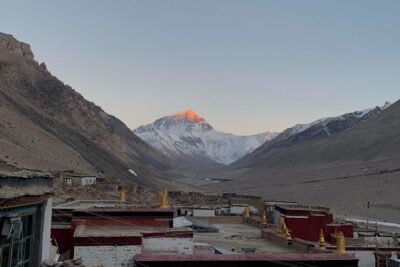
Tibet Tour 8 Days Lhasa to Everest Base Camp Small Group Tour
Read our review →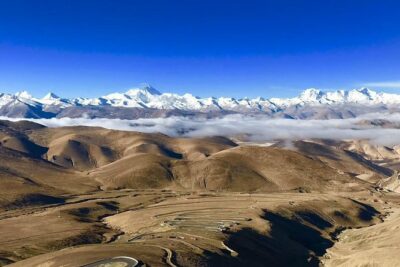
7 Days Lhasa to Kathmandu Overland Small Group Tibet Tour via EBC
Read our review →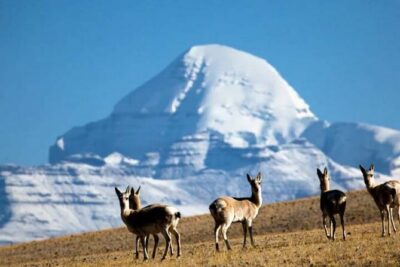
Tibet Tour 15 Days Lhasa to Kailash Trekking Small Group via EBC
Read our review →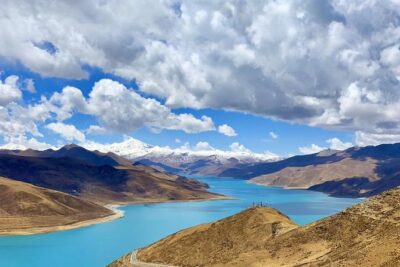
10 Days Tibet Everest Base Camp and Namtso Small Group Tour
Read our review →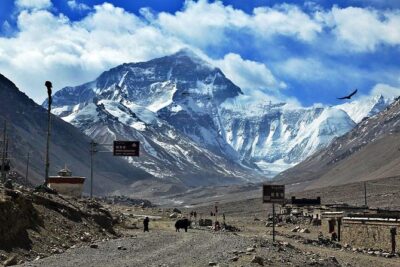
8 Days Lhasa Gyantse Shigatse Mt Everest Group Tour
Read our review →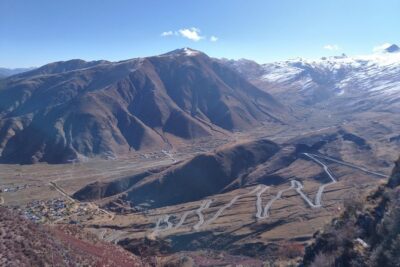
13 Day Lhasa, Mt. Everest, Mt. Kailash to Kathmandu Adventure
Read our review →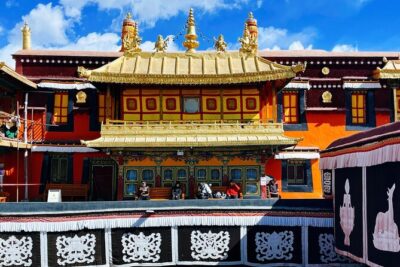
Browse the lists this tour appears in