
Reviewed · TIBET
8 Day Tibet Classic Tour
A trip to Tibet is interesting because the sights feel both spiritual and huge, and the route keeps changing from city temples to high-altitude lakes and the Everest region. I like that this tour is built around major cultural stops in Lhasa and Shigatse, without turning the day into a sprint. I also like that the operator has offices in Lhasa and Chengdu, so problems get handled locally, fast. The main drawback to plan for is that you will spend long hours in the car and you’ll face high altitude, including an early Everest day.
If you want a classic highlights route with solid support, this 8-day plan is one of the most straightforward ways to do it. I’m especially encouraged by how guides are described as professional and focused on safety and pacing, including reminders for oxygen thinning and cold on the Everest day. One thing to keep in mind is that lunch and dinner are not included, so you’ll want to budget for meals on top of the tour price.
Key things that make this Tibet Classic Tour tick
- Small group size (max 12), which keeps the pace manageable on busy temple days
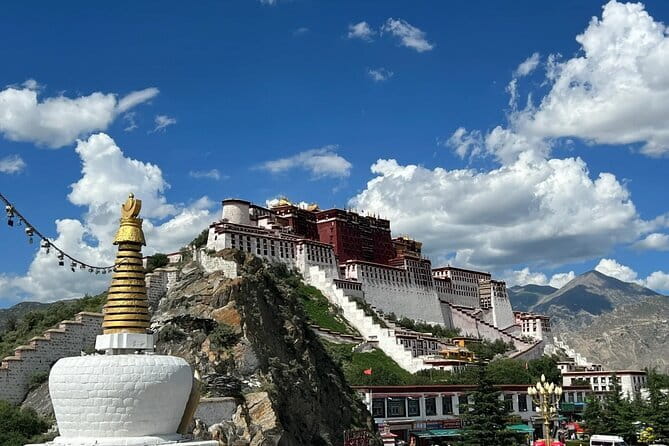
- Potala Palace, Jokhang Temple, and Barkhor Street, the real center of Lhasa day-to-day culture
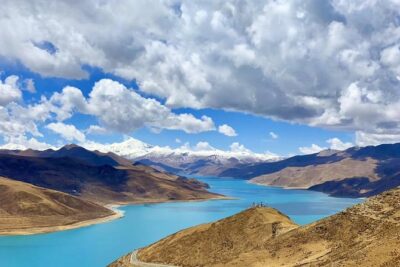
- Yamdrok Yumtso and Lake Namtso, two sacred lakes with serious altitude context
- Rongbuk Monastery and Everest sunrise, with the logistics handled for you
- Four-star hotels plus 7 breakfasts, so you recover without constantly figuring out where to eat
- A local team in Lhasa and Chengdu, designed to solve issues efficiently
Lhasa arrival and that first day rule: rest and acclimatize
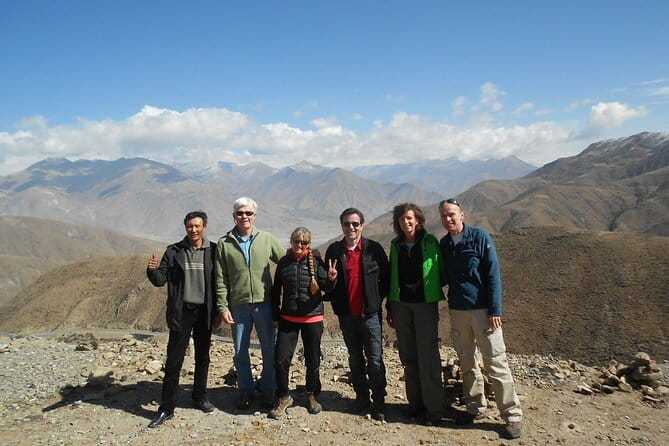
Your first moment in Tibet is practical, not chaotic. After you land, your guide waits for you in the arrival hall, then takes you to the pre-arranged hotel. The plan is intentionally low-key for a reason: you’re advised to avoid going out immediately and instead rest to acclimatize to the high altitude.
This first-day pacing matters more than you’d think. When you arrive tired or tempted to rush, altitude can feel tougher. By keeping day one calm, you give your body time to adjust before the temples start. It also helps families, since you can keep the energy focused instead of burning it all on your first afternoon.
More of Tibet:
- Tibet Tour 8 Days Lhasa to Everest Base Camp Small Group Tour
★ 5.0 · 578 reviews - 7 Days Lhasa to Kathmandu Overland Small Group Tibet Tour via EBC
★ 5.0 · 188 reviews - Tibet Tour 15 Days Lhasa to Kailash Trekking Small Group via EBC
★ 5.0 · 104 reviews
Potala Palace in the morning, Jokhang Temple and Barkhor in the afternoon
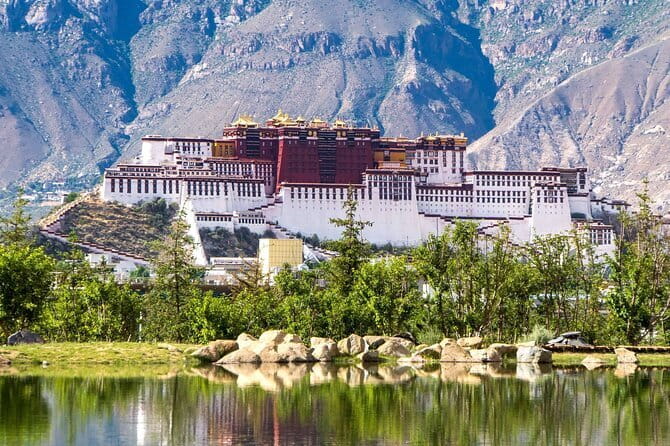
Lhasa’s two headline sites are handled in smart order. You start with Potala Palace, spending about two hours exploring its audience halls and chapel areas, including golden stupa tombs of past Dalai Lamas. This is the kind of place where you don’t just look, you orient yourself. Even if you’ve seen photos, the scale hits in person.
Then you shift to the Jokhang Temple in the afternoon. The tour highlights its blend of Tibetan, Tang, Nepalese, and Indian architectural styles, and it’s treated as a major spiritual center. Admission is included here, so you won’t be scrambling at the ticket window.
After Jokhang, you get Barkhor Street. The plan is to stroll it in a clockwise direction, with time to browse handicrafts or simply wander. I like that this is unstructured. You’re not forced into a long shopping stop, and you can absorb the street energy at your own pace.
Practical note: even with guided timing, these are active places. Wear comfortable shoes, and plan for slower walking than you’re used to.
The Yamdrok Yumtso and Karola Glacier day trip, where altitude shows up fast
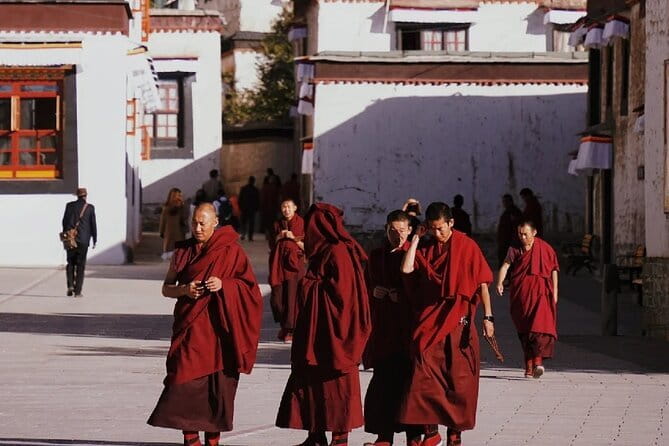
Day three is a classic Tibet road day with two of the area’s most memorable views. You drive from Lhasa to Yamdrok Yumtso Lake, described as one of Tibet’s three sacred lakes and noted as the highest freshwater lake in the world at 4,441 meters. That number is your clue. The lake isn’t just pretty, it’s positioned in a setting that feels brutally high and wide.
After that, you pass by Karo La Glacier for a distant view. This part is about the look, not a long hike. Expect an open vantage, sometimes with dramatic cloud movement, and plenty of chances to pause for photos when visibility is good.
The driving itself is part of the experience. You’re not stuck in a city loop. Instead, you’re watching the terrain change as you move away from Lhasa’s dense feeling.
What to watch for: long days can blur together. If you’re the type who wants time to think, build in a slow moment. Step away from the group for a few minutes when the view is right, then rejoin when ready.
Rongbuk Monastery and the long road to the Everest region
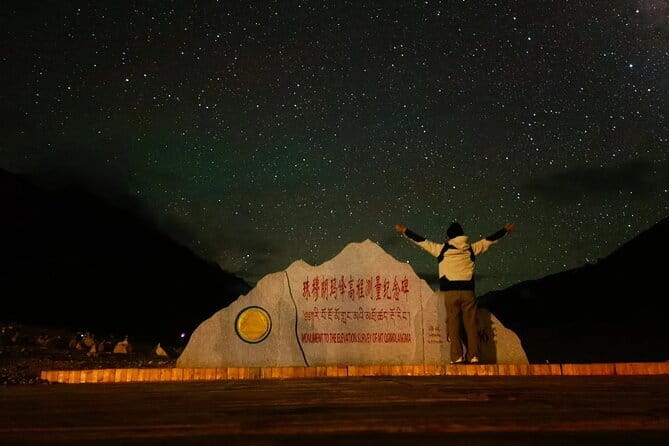
On day four you head west toward Tingri, then onwards toward the Rongbuk area. The description points out the mix of wild grassland, river crossings, and high mountain stretches along the way. This is one of those days where you’ll feel the “Tibet is big” lesson without anyone having to say it.
You also get Rongbuk Monastery, with admission included. If you’ve dreamed of Everest views, this is where the mood shifts. Rongbuk isn’t just a sightseeing stop. It’s the staging area spirit, the place where the Everest route becomes real.
The tour also flags a key variable: clear weather. If it’s clear, you can get glimpses of big mountains. If not, you still get the spiritual setting and the sense of place, but the summit drama may be reduced. Either way, arriving early in your head rather than later helps you enjoy what you get.
A different sort of day out of Lhasa:
- 10 Days Tibet Everest Base Camp and Namtso Small Group Tour
★ 4.5 · 53 reviews - 8 Days Lhasa Gyantse Shigatse Mt Everest Group Tour
★ 5.0 · 52 reviews - 6 Days Central Tibet Culture Small Group Tour
★ 5.0 · 41 reviews - 13 Day Lhasa, Mt. Everest, Mt. Kailash to Kathmandu Adventure
★ 5.0 · 33 reviews
Everest sunrise and the practical path to Base Camp area
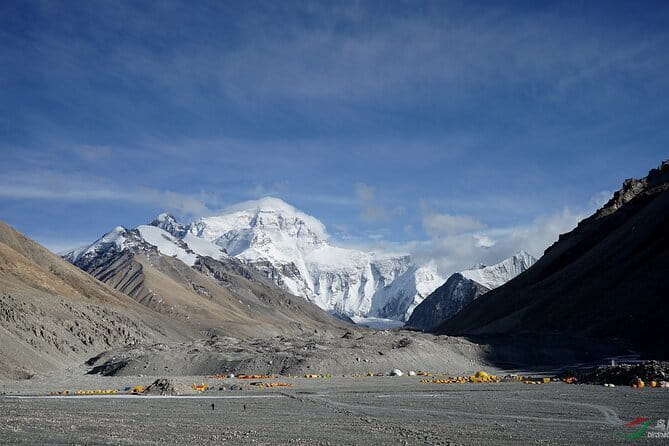
Day five is the famous one: early morning for Mt. Everest sunrise from Rongbuk. This timing is the point, but it also means you’ll be trading sleep for light and views.
After sunrise and time for viewing, you take a local bus for about half an hour to reach the Everest Base Camp area. Then you have time on foot before returning by bus. Admission is listed as free for this stop, but the key value here is the choreography. Getting to this region can be confusing if you’re doing it solo.
The most reassuring part, based on the operator’s guide reputation, is the briefing. One guide description specifically mentions being given answers related to oxygen thinning and temperature on the Everest day. That doesn’t remove the altitude reality, but it does help you understand what to expect and how to handle it day-of.
My advice: don’t plan to be the fastest walker. Take it easy, keep warm, and follow what your guide tells you about timing and safety.
Shigatse and Tashilunpo Monastery, a calmer historic hit before the return drive
After the Everest intensity, the tour brings you into Shigatse for Tashilunpo Monastery, listed as the largest monastery in West Tibet. You’ll spend about two hours there, with admission included. This is a different feel than Lhasa’s major palaces. It’s less “royal building complex” and more religious center with a strong West Tibet identity.
Day six also gives you a natural rhythm: you visit the monastery before the long drive back toward Lhasa, with about four hours of driving mentioned. That sequencing makes sense. If you did the drive first, you’d arrive tired and less able to enjoy the monastery.
I like the balance here. You get one major “think and look” site, then you focus on getting back to better rest. It’s a relief compared with tours that squeeze in extra stops after big travel days.
Namtso Lake on the Qinghai-Tibet Highway, prayer flags and the high pass vibe
Day seven moves you to Lake Namtso. The morning drive is described through vast northern grasslands along the Qinghai-Tibet Highway, with colorful prayer flags fluttering in the wind. It’s also the day with one of the tour’s highest altitude markers besides Everest, including a 5,190-meter-high pass.
That means the day is scenic and also physically demanding, even if you’re not hiking much. You’re watching the world change at altitude, and you’re doing it from a moving vehicle with set stop times.
You’ll arrive in time to see Namtso, with admission included, and the tour gives about three hours total time at this stop. That’s long enough to take in the lake edges, cloud patterns, and the overall feeling of space without turning it into a rushed photo dash.
Practical tip: on high altitude lake days, weather can change fast. Layer up for temperature swings and keep your camera gear protected.
Hotels, breakfast coverage, and why 7 breakfasts matters
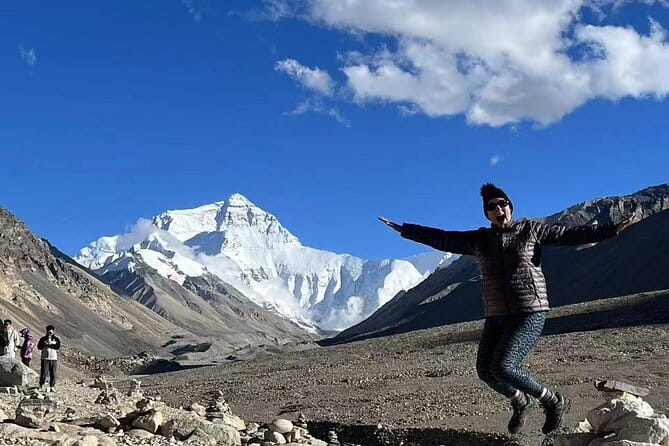
This tour includes four-star hotels throughout and breakfast for 7 mornings. That’s not a small detail. In Tibet, mornings can start early, and after long days on the road, dinner plans can become a stress point. Having breakfast handled lets you stay on schedule and keeps the day from unraveling.
Lunches and dinners are not included, so you’ll want to plan for spending a bit more each day once you’re on the road. The good part is that the schedule gives you time to eat without racing from attraction to attraction in search of meals every night.
Also, because it’s a small group (maximum 12 travelers), hotel experiences tend to be smoother than big-coach travel. Check-in and logistics feel less chaotic.
Local support, guides, and the value of getting permits handled
A major part of Tibet comfort is paperwork and communication. This tour includes a Tibet Travel Permit, and it comes with a Tibetan English speaking tour guide. The operator also notes it rejects middlemen and can solve issues efficiently, with offices in Lhasa and Chengdu.
In the guide feedback you’ll see names like Zhaba and Xiao Bu connected to strong service. Zhaba is described as professional and enthusiastic, and Xiao Bu is tied to safety reminders for the things to be aware of. That matters because Tibet isn’t hard because people are unkind, it’s hard because conditions are real: altitude, weather, and timing.
If you’ve ever tried to coordinate details in a high-demand region, you know how quickly small problems become big ones. Having a team that’s local is a real value, not a marketing line.
Price and value math for 8 days in Tibet
At $1,280 per person, the smart way to judge value is to look at what’s covered. This price includes admission fees, transportation within Tibet, four-star hotels, and 7 breakfasts. It also includes the permit and a guide.
What’s not included is the stuff that can add up later: lunches and dinners, international airfare, and tips for the driver and tour guide. So your total trip cost will still depend on your appetite and how you handle meals.
Where this tour feels especially good value is that you’re not paying separately for major entry tickets and you’re not arranging intercity transport on your own. For many people, the biggest cost is time and mental energy. This package spends both for you, so you can focus on the temples and the views.
There’s also the small group limit. A max of 12 travelers generally means you spend more time with the people and less time waiting for someone to finish a photo.
Who this Tibet Classic Tour fits best
This tour is a good match if you want Tibet highlights in a single trip without going full independent logistics mode. It also suits families, including multi-generational groups, because day one starts slow and the route hits major sights efficiently.
It’s also ideal if you like a middle pace. One review tone you’ll pick up is that there isn’t constant pressure for shopping stops, more time for scenery and cultural experiences. That fits travelers who don’t want a circus schedule.
The biggest “not for me” signal is if you hate early starts and long drives. Everest sunrise and the road time are the core of the experience. If you’re sensitive to altitude or prefer strictly low-travel days, you’ll need to think carefully before committing.
Should you book the 8-day Tibet Classic Tour?
Book it if you want a classic, well-paced highlights route: Potala Palace, Jokhang Temple, sacred lakes like Yamdrok and Namtso, and the Everest sunrise and Base Camp area logistics handled for you. The included permit, admissions, transport, and guide support make it feel like a “let the grown-ups handle it” approach to a difficult destination.
Don’t book it if you’re trying to do Tibet on a tight lunch and dinner budget, or if you’re the type who gets miserable with long driving days and very early mornings. Also, if you want lots of downtime with no schedule pressure at all, you might find the big days intense.
If you do book, set yourself up for success: plan layers for cold at altitude, slow your pace mentally, and listen closely to what your guide says about the Everest day. That’s the difference between just seeing Tibet and actually enjoying it.
FAQ
What does the tour price include?
The price includes all admission fees, all transportation within Tibet, a Tibetan English speaking tour guide, the Tibet Travel Permit, four-star hotels throughout the trip, and breakfast (7).
What is not included in the tour price?
Lunches and dinners are not included, and neither is international airfare. Tips for the driver and tour guide are also not included, and you tip as you wish.
How long is the tour?
The tour runs for 8 days approximately.
How large is the group?
This tour has a maximum of 12 travelers.
Is pickup included when I arrive and when I leave?
Yes. On arrival, your guide meets you in the arrival hall and takes you to your arranged hotel. On the final day, the driver transfers you to Lhasa Airport or the train station.
Which major sights are visited?
Key stops include Potala Palace, Jokhang Temple, Barkhor Street, Yamdrok Yumtso Lake, Karo La Glacier (for a distant view), Rongbuk Monastery, Mt. Everest (sunrise and the Base Camp area), Tashilunpo Monastery, and Lake Namtso.
What is the cancellation refund timeline?
You can cancel up to 3 days in advance for a full refund. If you cancel less than 3 full days before the start time, the amount paid is not refunded.
Latest reviews from Lhasa
- 7 Days Overland Tour from Lhasa to Kathmandu★ 5.0 · 20 reviews
- Private Guided Day Tour Potala Palace and Sera Monastery★ 5.0 · 22 reviews
- 4 Days Lhasa City Essential Group Tour★ 5.0 · 25 reviews
- 6 Days Central Tibet Culture Small Group Tour★ 5.0 · 41 reviews
- 8 Days Lhasa Gyantse Shigatse Mt Everest Group Tour★ 5.0 · 52 reviews
- 10 Days Tibet Everest Base Camp and Namtso Small Group Tour★ 4.5 · 53 reviews
- Tibet Tour 15 Days Lhasa to Kailash Trekking Small Group via EBC★ 5.0 · 104 reviews
- Tibet Tour 8 Days Lhasa to Everest Base Camp Small Group Tour★ 5.0 · 578 reviews
Tibet, compared.
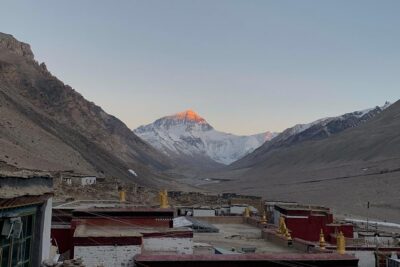
Tibet Tour 8 Days Lhasa to Everest Base Camp Small Group Tour
Read our review →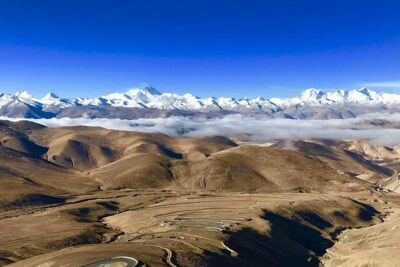
7 Days Lhasa to Kathmandu Overland Small Group Tibet Tour via EBC
Read our review →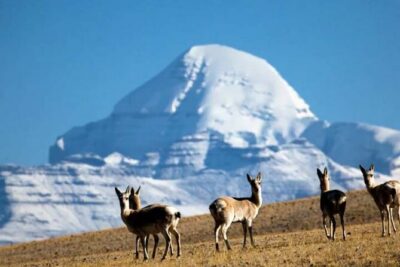
Tibet Tour 15 Days Lhasa to Kailash Trekking Small Group via EBC
Read our review →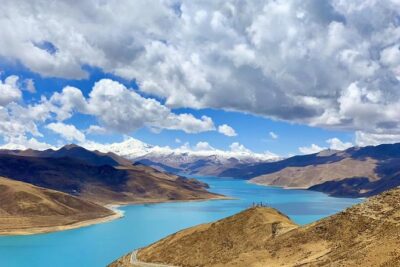
10 Days Tibet Everest Base Camp and Namtso Small Group Tour
Read our review →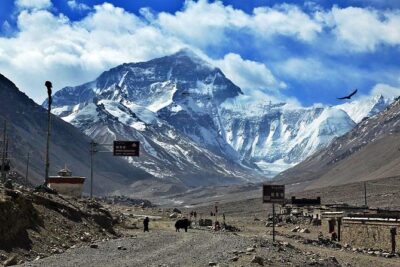
8 Days Lhasa Gyantse Shigatse Mt Everest Group Tour
Read our review →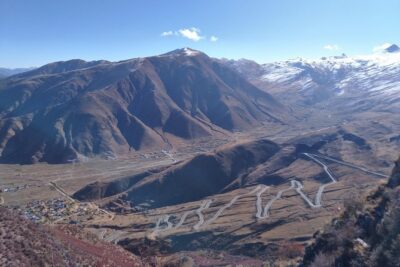
13 Day Lhasa, Mt. Everest, Mt. Kailash to Kathmandu Adventure
Read our review →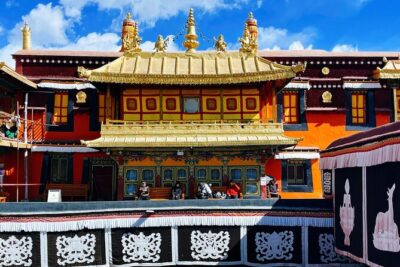
Browse the lists this tour appears in