
Reviewed · TIBET
8 Days Lhasa Gyantse Shigatse Mt Everest Group Tour
This tour is interesting because it strings together Tibet’s big identity stops, Lhasa to Everest, without making you wrestle schedules or permits. You’ll cover iconic Lhasa monuments in the same trip, and you get that clean, guided rhythm that helps you handle altitude days with less stress.
I like that the trip is built around major temples and monasteries plus a full day’s worth of lakes and glacier views on the way to Gyantse and Shigatse. I also like the practical safety side, including an emergency oxygen tank and a licensed vehicle for transfers, gas, and parking.
The main drawback to weigh is that one night is either a dorm bed at a guesthouse or a nomad tent, so comfort is not the same level every step of the way. Also, Tibet altitude is real, even when the pace is sensible.
Key points before you go
- Lhasa’s greatest hits in two days, including Drepung, Potala Palace, Jokhang Temple, and a stroll around Barkhor
- Permit and transport handled, so you can focus on sites instead of paperwork
- Yamdrok Yumtso and Karola Glacier give you scenery days, not just stone-and-stone days
- Everest-area sunrise planning depends on weather, but the itinerary is designed for it
- Small group size (max 12) means you are less likely to feel herded
- Practical altitude support, including emergency oxygen and a tour pace that takes acclimatization seriously
Getting real value from an $1,100 group tour in Tibet
At $1,100 per person, this is not a budget-bare-bones deal, but it can be excellent value if you factor in what Tibet usually demands: permits, a guide, a vehicle, and managed logistics between distant towns.
You’re getting the basics that blow up DIY plans. The tour includes a Tibet Tourism Bureau Permit (TTB), government tax, the guide, and a travel-licensed vehicle with gas and parking. It also includes lodging for 6 nights in twin rooms with en-suite bathrooms at 3-star or 4-star properties, plus 1 night on a simpler level (dorm or nomad tent). That mix is common on Everest routes because the mountain side can be limited.
It also includes safety and comfort extras that matter more than you might expect. There’s an oxygen tank for emergency use, plus two bottles of mineral water per person per day. You also get breakfast included for 6 days, and a welcome meal. Lunch and dinner are not included, but knowing that up front helps you budget calmly instead of hunting menus while you’re tired.
The best value angle is time. You won’t spend days comparing transport options or re-checking schedules. You’ll move through Lhasa, then out to Gyantse and Shigatse, then toward Everest, in one designed route.
More of Tibet:
- Tibet Tour 8 Days Lhasa to Everest Base Camp Small Group Tour
★ 5.0 · 578 reviews - 7 Days Lhasa to Kathmandu Overland Small Group Tibet Tour via EBC
★ 5.0 · 188 reviews - Tibet Tour 15 Days Lhasa to Kailash Trekking Small Group via EBC
★ 5.0 · 104 reviews
Day 1 in Lhasa: simple airport or railway starts
Day 1 is straightforward: pickup and transfer to your hotel. If you arrive using the free service, you get airport-to-hotel transfers at 9:30 am, 1:00 pm, and 4:00 pm on the first day. If you’re arriving by Lhasa Railway Station, there’s a free transfer as well on the first and last day.
This is a small thing, but it changes your whole arrival mood. Tibet has enough going on on day one. Having someone handle the first move lets you do what you should do anyway, take it easy, hydrate, and let your body adjust.
One practical note: on day 1 and day 8, there may not always be a guide present, because the tour involves picking up and dropping off everyone in the group. Usually, the driver handles the transport. That’s normal for group touring, but I recommend you keep your travel documents ready and your schedule confirmation handy.
Days 2 and 3 in Lhasa: Drepung, Potala, Jokhang, Barkhor
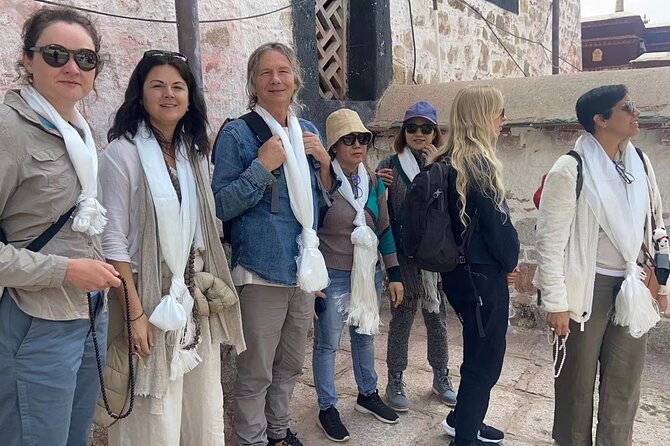
If you want a first-timer-friendly introduction to Lhasa, these two days are the core. You’ll see the main spiritual magnets of the city, plus the everyday rhythm of local devotion.
Drepung Monastery and the Tibet Museum
You start at Drepung Monastery (Zhebang Si), described as the world’s largest monastery, and historically tied to the Dalai Lama for centuries. It’s a 2-hour visit with the ticket included.
Then you shift gears to the Tibet Museum. This is where I like having a break from monumental stone and instead focusing on how people live and celebrate. The museum visit covers life scenes, clothing, house architecture, and festival customs.
You’ll finish the day at Norbulingka (Precious Stone Garden), the Dalai Lama’s summer retreat and a classic royal garden style. Another 2 hours here gives your eyes a different kind of Tibet. Less “temple intensity,” more “royal calm.”
Practical tip: these sites have a lot of walking across uneven ground. Wear shoes you can trust. In Tibet, even when the itinerary looks relaxed on paper, the air and the stone paths can add up.
A different sort of day out of Lhasa:
- 10 Days Tibet Everest Base Camp and Namtso Small Group Tour
★ 4.5 · 53 reviews - 6 Days Central Tibet Culture Small Group Tour
★ 5.0 · 41 reviews - 13 Day Lhasa, Mt. Everest, Mt. Kailash to Kathmandu Adventure
★ 5.0 · 33 reviews - 4 Days Lhasa City Essential Group Tour
★ 5.0 · 25 reviews
Potala Palace, Jokhang Temple, and Barkhor Street
Day 3 is the big center-of-everything day.
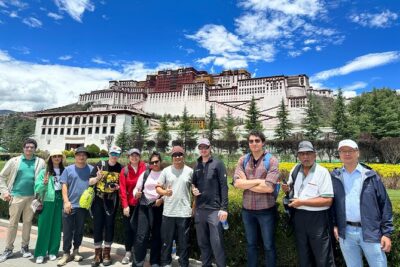
First: Potala Palace. You get about 2 hours here, with tickets included. The palace is the landmark symbol of Tibet, and it’s built in a style that makes it look like part of the mountain itself.
Next is Jokhang Temple, one of the most sacred temples in Tibet, in the middle of Lhasa. It’s 2 hours and is known for local pilgrims doing their regular circuits.
Then you do Barkhor Street, the devotional loop street around Jokhang, and also a lively market area. You’ll walk it for about 2 hours.
This combination works because it gives you both sides of Lhasa: the major monument and the ongoing daily practice around it. It’s also where you start seeing how many people live their religion as a routine, not a special event.
Norbulingka’s slow pace is not filler
Some itineraries stack temples and call it culture. Here, Norbulingka feels like an intentional counterweight.
That garden style matters because it teaches you something visual about Tibetan leadership and leisure. Norbulingka is a royal garden and summer resort, so you get a different mood than the hard lines of palace and temple architecture.
Also, the timing is useful. You are not doing everything at full intensity with no decompression. You’ve got a museum, a royal garden, then Potala and Jokhang. That pacing helps if you are adjusting to altitude or simply want time to take pictures without feeling rushed.
Day 4 to Gyantse: Yamdrok Yumtso, Karola Glacier, and Pelkor Chode
Leaving Lhasa, the tour starts rewarding you with wide-open views.
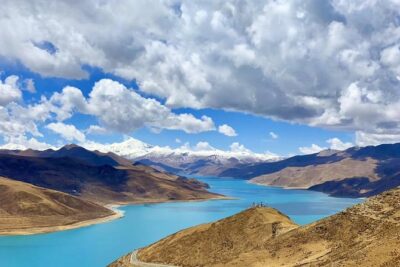
First stop is Yamdrok Yumtso Lake, one of Tibet’s holy lakes. The visit includes a viewpoint time of about 1 hour, on the roadside lake shore with blue water shimmering in good conditions.
Next, you pass Karola Glacier for another roughly 1-hour roadside look. These are quick hits, not hiking treks. That’s a tradeoff, but it’s smart for an 8-day schedule where you also want time for monasteries and Everest.
Then you head into Gyantse and visit the main monastery there: Pelkor Chode Monastery. The time shown is cut off in your details, but you do get the monastery stop as a key cultural anchor.
What I like about this day is variety. You are not only consuming religious buildings. You also get big-water and ice visuals that make Tibet feel like Tibet, not just a series of scheduled entrances.
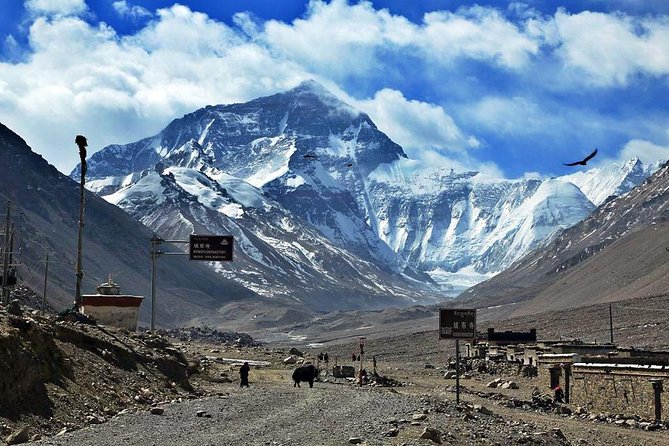
Days 5 and 6: toward Everest Peak Lodge and Qomolangma National Nature Preserve
This is the heart-and-gravity part of the trip. You’re moving from town rhythms into mountain-route time.
Day 5 has a long travel block, about 10 hours, heading from Shigatse toward Lhatse, then onward to Tingri. You may stop for lunch at a local restaurant along the way, and the route includes passing Tsola Pass (mentioned in the itinerary description). Then you reach the Qomolangma National Nature Preserve area.
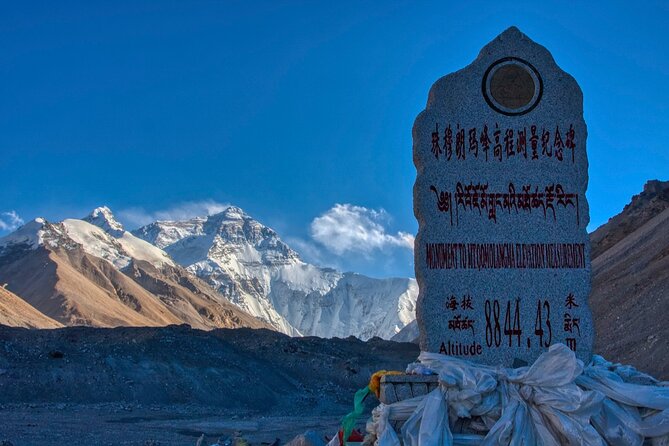
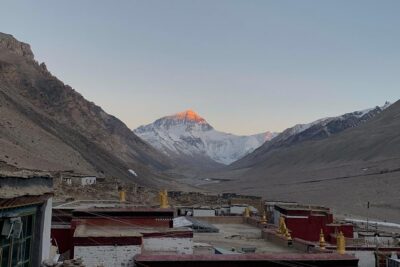
Day 6 is the sunrise logic day. If the weather is good, you can rise early and enjoy sunrise at the Everest Peak Lodge. The visit time shown is 4 hours, and it is listed as dependent on conditions.
Here’s the reality check you need before you build expectations: Everest-area travel depends heavily on weather. The itinerary acknowledges that with the sunrise condition. So go in expecting the plan, not guaranteed views.
Also, this is when altitude and cold are most likely to affect you. One of the best pieces of advice for your comfort here is to pack for real cold, not just chilly. In winter departures, people have described the weather as super cold, and it’s the sort of day where staying warm is the difference between enjoying the morning and just surviving it.
Your Everest-area night: guesthouse dorm or nomad tent
The tour includes 1 night described as either a dorm bed at a guesthouse or a nomad tent. That’s not just a line item, it is a comfort-level change.
If you’re used to hotel routines, plan for simpler sleeping conditions. Bring a warm layer you can actually sleep in. Bring things that help you recharge fast, earplugs if you’re sensitive to noise, a scarf for drafts, and a way to keep your essentials dry.
Also, since this is an Everest-route night, hydration matters, even if you feel less hungry. The tour provides mineral water daily, but you can still manage your own intake carefully.
From past experiences on this route, some included hotel options in Lhasa have offered in-room oxygen, and that can be reassuring if you have altitude worries. Even then, don’t treat oxygen as a guarantee you can ignore your body. Tibet punishes overconfidence.
Day 7 in Shigatse: Tashilunpo Monastery and the Panchen Lama
After Everest-area travel, Shigatse feels calmer, and Tashilunpo Monastery is a strong way to land.
The stop is about 2 hours, with the ticket included. Tashilunpo is the home of the Panchen Lama. It was founded in 1447 and is historically and culturally significant in Shigatse.
This is a good day for slower attention. In Lhasa you saw the main Dalai Lama monuments. Here you see another major pillar of Tibetan religious leadership. Together, it makes the bigger political and spiritual map start to make sense.
Day 8: exit smoothly with airport and railway drop-offs
Day 8 is another easy logistics finish. The guide and driver escort you to the airport or railway station for your next destination.
You have multiple drop-off times to the airport on the last day: 8:30 am, 12:30 pm, and 2:30 pm. As with the first day, if your schedule falls outside the free transfer times, you would need a paid private vehicle. The tour details list $60 per vehicle per time for private Lhasa airport transfers outside the free service windows.
Finish up in a calm way. Check your flight or train time twice, and keep your permit documents and passport together with your small day bag.
Group touring with a max of 12: why the size matters
This trip caps at 12 travelers. That small size changes the feel compared to bigger motorcades.
You’re more likely to get a smoother pace and easier management in crowded places like Jokhang and Barkhor. It also helps on the travel blocks, because you are coordinating fewer people inside one vehicle schedule.
Also, English-speaking local guides lead the experience. Past departures have praised guides for being friendly and punctual, and for explaining things with enough detail without turning every stop into a lecture.
Some guides and support staff names that have shown up with strong feedback include Lobsang as a top guide experience, and responsive help from team members like Emily, Beatrice, Jennie, Merry, and Tashi. You cannot count on any one person for every departure, but it’s a good sign that staff support has mattered to people and helped keep trips running smoothly.
Altitude and pacing: what you should plan for, not hope for
This is Tibet. Even with a carefully planned route, altitude is still a variable you cannot fully control.
The itinerary is structured for a logical progression and includes emergency support (oxygen tank). Some travelers have described how seriously the trip takes altitude. Still, one key lesson from real experiences is that even oxygen and IV support might not be enough for everyone. If you start feeling worse, you need to speak up fast and take the situation seriously.
Practical strategy for you:
- Go slow in the morning and avoid sprinting to catch photos.
- Hydrate and eat what you can, even if your appetite is off.
- Tell your guide early if you’re struggling.
- If you have the option to arrive a little earlier to acclimatize, it can help.
If you come in thinking you will be invincible at 4,500 meters plus, the mountains will correct that assumption.
Meals, timing, and budgeting beyond the headline price
You get breakfast for 6 days, plus a welcome meal. Lunch and dinner are not included.
One itinerary detail does mention lunch at a local restaurant on the Day 5 travel toward Tingri. So you should expect at least one paid lunch during the long travel day block. Dinner will likely be at your own expense as well, depending on where the group stays that night.
This is one reason the all-in mental budget matters. Your $1,100 rate covers many of the big costs, but you still need spending money for meals on most days.
If you’re eating vegetarian or you have dietary needs, speak up before the trip starts. There have been notes about food options being an area where improvements could be made for vegetarians, so you should plan to coordinate rather than assume.
Should you book this Lhasa, Gyantse, Shigatse, and Everest 8-day tour?
Book it if you want:
- A first-timer friendly route that links Lhasa temples, Gyantse sights, Shigatse’s monastery, and Everest-area views
- Someone handling the permit and transport, so you are not building an itinerary from scratch
- A small group pace (up to 12) with enough structure to reduce decision fatigue
Skip it or rethink if:
- You need a consistent hotel-comfort setup every night, because one night is a guesthouse dorm or nomad tent
- You have major concerns about cold, early mornings, or altitude, and you are not willing to go slowly and adapt if weather and conditions limit sunrise plans
- You are hoping for lunch and dinner to be included in the price, because those are not part of the deal
If you want Tibet in a tight, organized package with real highlights, this is a strong fit. If you want full independence and total control over every minute, you may find this group format limiting.
Latest reviews from Lhasa
- 7 Days Overland Tour from Lhasa to Kathmandu★ 5.0 · 20 reviews
- Private Guided Day Tour Potala Palace and Sera Monastery★ 5.0 · 22 reviews
- 4 Days Lhasa City Essential Group Tour★ 5.0 · 25 reviews
- 6 Days Central Tibet Culture Small Group Tour★ 5.0 · 41 reviews
- 10 Days Tibet Everest Base Camp and Namtso Small Group Tour★ 4.5 · 53 reviews
- Tibet Tour 15 Days Lhasa to Kailash Trekking Small Group via EBC★ 5.0 · 104 reviews
- 8 Day Tibet Classic Tour★ 5.0 · 5 reviews
- 7 Days Lhasa to Kathmandu Overland Small Group Tibet Tour via EBC★ 5.0 · 188 reviews
Tibet, compared.
Tibet Tour 8 Days Lhasa to Everest Base Camp Small Group Tour
Read our review →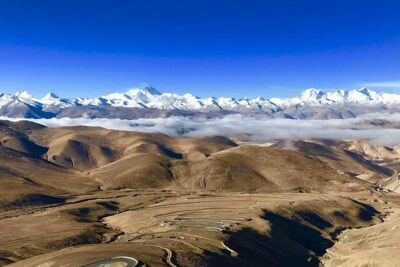
7 Days Lhasa to Kathmandu Overland Small Group Tibet Tour via EBC
Read our review →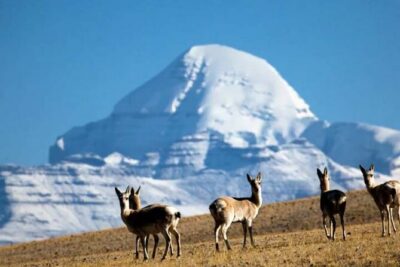
Tibet Tour 15 Days Lhasa to Kailash Trekking Small Group via EBC
Read our review →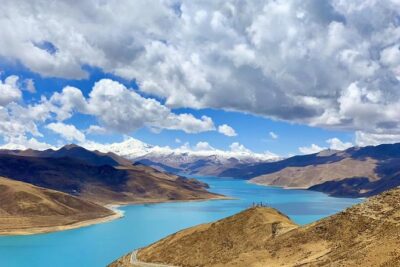
10 Days Tibet Everest Base Camp and Namtso Small Group Tour
Read our review →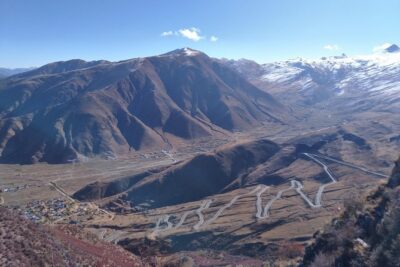
13 Day Lhasa, Mt. Everest, Mt. Kailash to Kathmandu Adventure
Read our review →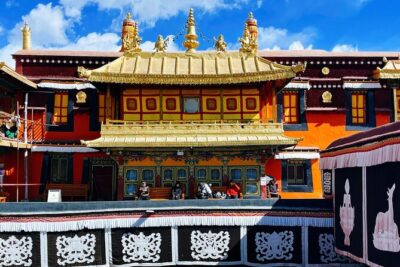
Private Guided Day Tour Potala Palace and Sera Monastery
Read our review →Browse the lists this tour appears in