
Reviewed · TIBET
Tibet Tour 8 Days Lhasa to Everest Base Camp Small Group Tour
Tibet from Lhasa to Everest Base Camp is one of those rare trips where you feel the country changing under you, day by day, not just place by place. I like that this route stacks the spiritual heart of Lhasa with the real road grit of the Everest approach, so you get context, not a jump-cut photo tour.
I also like the small-group format. With a maximum group size of 12, you get easier access to your English-speaking Tibetan guide, plus smoother timing for bus stops, walking kora routes, and handling the practical parts of altitude travel without rushing.
The main drawback to plan for is the effort level. This is not a stroll-everywhere schedule, and the long drive day to Everest Base Camp, plus high passes, asks for moderate physical fitness and solid weather luck.
Key things I’d watch before you go
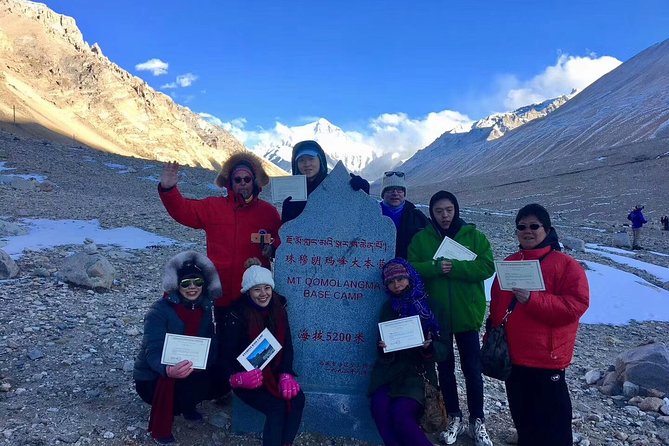
- Small group up to 12: easier questions, less bottlenecking at temples, and more guide attention.
- Permits and entrance fees are built in: Tibet Travel Permit and site tickets are listed as included.
- Altitude support in the van: an oxygen cylinder is carried in the vehicle (4L or 7L).
- Rongbuk morning is a whole event: sunrise timing and the Everest-view viewpoint at Rongpuk/Rongbuk area.
- Winter comfort at Rongpuk Guest House: from Nov 15 to Feb 15 there’s a hot water bottle and electric blanket.
- Everest Base Camp logistics included: Echo bus is included for the Base Camp area.
Why Lhasa to Everest Base Camp feels like one connected trip
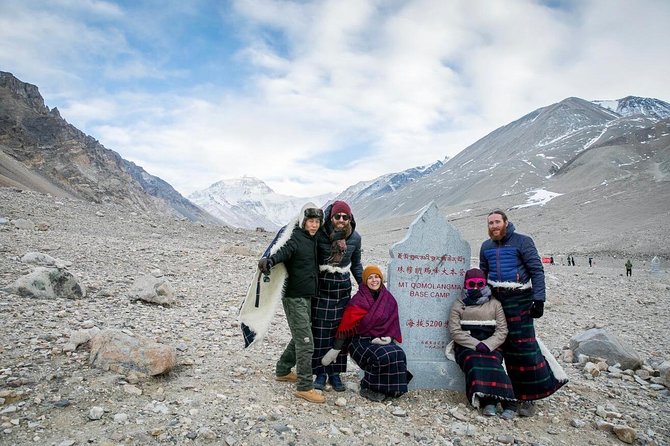
What makes this route interesting is how it strings together two kinds of Tibet experience that many tours treat separately. You start with Lhasa’s living religious center, where walking circuits and temple details make the place feel human. Then you trade city rhythm for highway rhythm, crossing lake viewpoints, passes, monasteries, and small towns until Everest Base Camp turns the whole journey into a single focus: getting close to the world’s biggest mountain.
In a good way, it also helps you stop “doing everything” and start understanding why each stop matters. Potala Palace and Jokhang Temple explain the spiritual gravity of Tibet. Sera and Tashilunpo show how that spirituality plays out daily, through debate and monastic life. Then the road to Everest adds the raw geography side: cold air, big elevation numbers, and long stretches where you really feel the effort.
More of Tibet:
- 7 Days Lhasa to Kathmandu Overland Small Group Tibet Tour via EBC
★ 5.0 · 188 reviews - Tibet Tour 15 Days Lhasa to Kailash Trekking Small Group via EBC
★ 5.0 · 104 reviews - 10 Days Tibet Everest Base Camp and Namtso Small Group Tour
★ 4.5 · 53 reviews
Permits, your guide, and the Lhasa arrival setup
Your trip opens with a Tibetan guide greeting you at the airport or train station, then transferring you into downtown Lhasa. That matters more than it sounds. Lhasa is not a place where you want to be figuring out meeting points, phones, and transport on your own after a flight.
The big practical win here is that the Tibet Travel Permit and other necessary permits are listed as included, excluding the Chinese L visa. You’ll still need to provide passport photocopies and China L visa copies in advance, because your operator has to process paperwork for the permit. The permit itself is delivered to your delivery address or hotel address in one city in China, and the operator will contact you after booking confirmation.
Once you’re moving, your guide and driver do the heavy lifting. Transport is by comfortable van or minibus with an experienced local driver, and gasoline is included. Drinking water is provided during the trip, and your package also includes liability travel insurance, plus a Tibet handy map.
Lhasa Day: Potala Palace, Jokhang Temple, and the Barkhor tea stop
Lhasa is where your brain needs a reset. It’s easy to think Tibet is only about Everest. But on this route, Lhasa forces you to notice the everyday pull of temples, prayer, and pilgrimage movement.
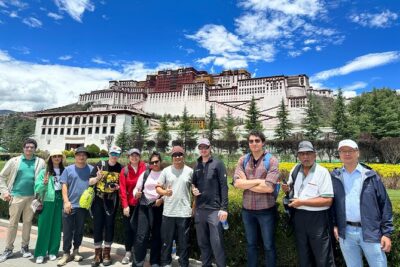
At Potala Palace, you’re visiting the winter palace associated with the Dalai lama, described as having been put to use since the 7th century. Even if you’re not a museum person, this stop helps you understand why Lhasa matters. It’s not just a building, it’s a statement of how power and devotion got tied together historically.
Next comes Jokhang Temple, founded in the 7th century. You get a specific inside detail to look for, the Buddha Sakyamuni statue at age 12. That kind of pinpoint helps you move beyond generic temple photos and actually notice what makes this shrine distinct.
Then you step out onto Barkhor Street, where the kora route around the temple is a live religious loop. You’ll also explore the old market area, and the schedule includes time to taste Tibetan tea with locals. That tea moment is small, but it’s useful. It slows the trip down just enough so you can feel the place instead of speed-scanning it.
Practical note: Potala Palace and Jokhang are both major targets, so build a realistic expectation of walking, crowds, and patience. Your advantage is having a guide who keeps you moving efficiently through the route.
Sera Monastery and Dadong Village: monastic debate plus quieter Lhasa
After the first day of major landmarks, the next day turns more into atmosphere and rhythm.
Drepung Monastery (Zhebang Si) is paired with Dadong Village, described as 25 kilometers southwest of Lhasa, and highlighted as a well-protected ancient Tibetan village. If you like the feeling of stepping away from the busiest city edges, this is the place to do it. It also helps you understand that Lhasa is not only temples on a map, it’s connected communities and a countryside that still influences how people live.
Then comes Sera Monastery, one of the “great three” Gelug monasteries. The standout here is the monks debate, scheduled around 3 – 5 in the afternoon. Debate is not background entertainment. It’s a window into how training happens, how ideas get tested, and how learning stays public.
What I’d watch: debate times can shift with daily operations and conditions. If you want the debate, arrive with a flexible mindset and trust your guide to keep you aligned with the scheduled window.
A different sort of day out of Lhasa:
- 8 Days Lhasa Gyantse Shigatse Mt Everest Group Tour
★ 5.0 · 52 reviews - 6 Days Central Tibet Culture Small Group Tour
★ 5.0 · 41 reviews - 13 Day Lhasa, Mt. Everest, Mt. Kailash to Kathmandu Adventure
★ 5.0 · 33 reviews - 4 Days Lhasa City Essential Group Tour
★ 5.0 · 25 reviews
Road day to Shigatse: Yamdrok Yumtso, Karo La Glacier, and Gyantse Kumbum
This is the long-view day. You’ll drive from Lhasa toward Shigatse, with major photo stops along the way.
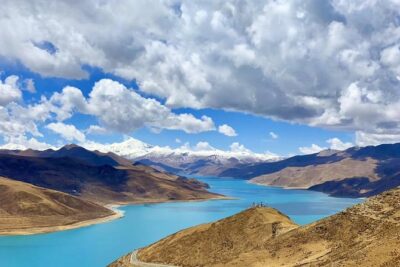
First is Yamdrok Yumtso Lake. You drive over Gampala Pass at 4,790 m, and you’ll get a glimpse of the lake around 4,400 m. For many travelers, a high-altitude lake is the first time the scale of Tibet hits in a non-temple way. The lake and surrounding snow-capped mountains set the tone for the rest of the drive.
Next you pass Karo La Glacier on the roadside, then stop at Manak Dam Lake. You’ll also have a chance to hang prayer flags at Simila Mountain Pass. That’s one of those travel moments that feels simple, but it links you to Tibetan ritual in a hands-on way, not just a photo.
In Gyantse, you visit Pelkor Chode Monastery and Gyantse Kumbum, and you get a far view of Gyantse Fortress. The schedule also frames Gyantse as historically Tibet’s third largest city after Lhasa, which gives the city stop a bigger sense of place than “one more monastery.”
Then you continue to Shigatse. This is the kind of day where your body will feel the altitude and the driving. Your best move is to keep hydration consistent, dress in layers, and treat this as a travel day, not an adrenaline day.
Everest Base Camp approach: permits, Lhatse lunch, and high passes
The Everest portion starts on a day that is all about getting there safely and on time.
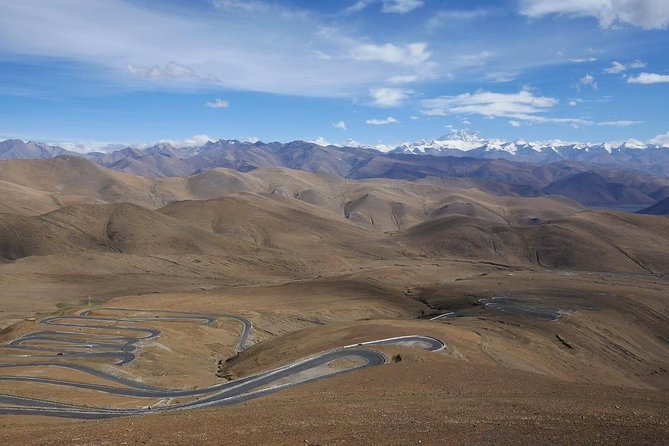
You’ll first handle your Everest-related entry process by getting your Alien’s travel permit, then drive to Lhatse for lunch. After that, the route goes over Tsola Pass at 4,600 m and Gyatsola Pass at 5,248 m before entering the Everest area.
This is also where you’ll feel the difference between “seeing Everest” and “getting to Everest.” The drive is long, described as about 12 hours. You’re not hiking to the viewpoint, you’re traveling through a high-altitude corridor where the cold and the thin air are part of the experience. The upside is that once you’re there, you’ll appreciate it more because you earned it through the journey.
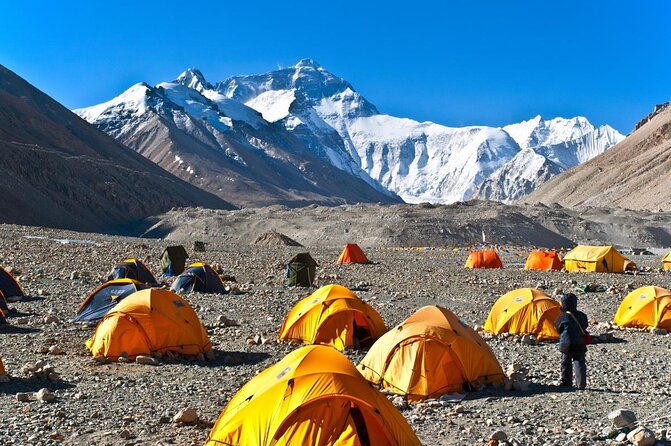
For Base Camp itself, entrance coverage and an Everest Base Camp Echo bus are included. That matters because it reduces the need to figure out local shuttle logistics on your own. You’re guided through the practical steps so your attention can stay on the big moment.
What I’d plan for: even if you feel fine in Lhasa, the Everest-day altitude can feel tougher. Keep your expectations grounded, move slowly, and avoid pushing hard for extra side stops.
Rongbuk Monastery sunrise: why the timing matters
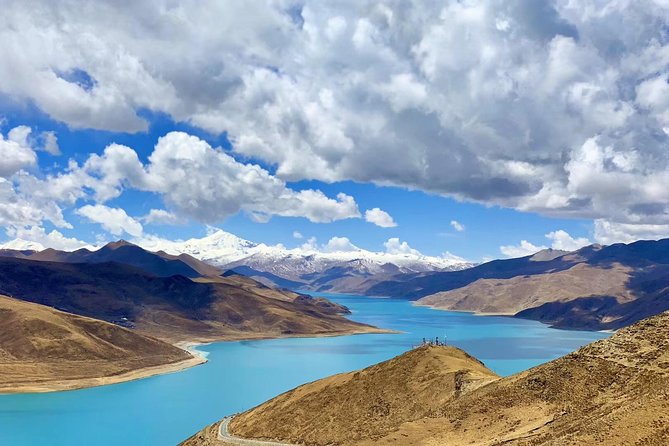
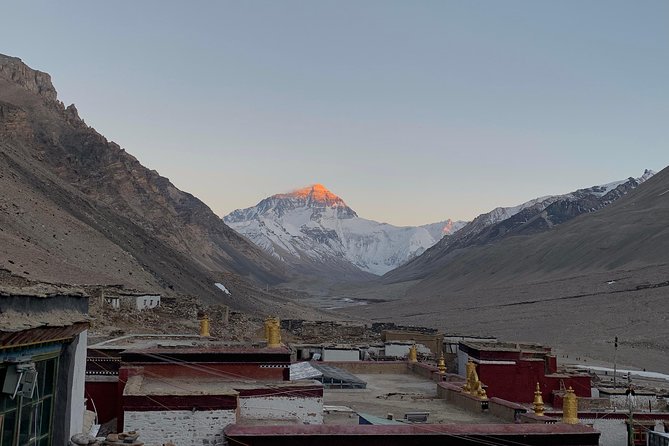
The next morning is built around the Everest view, from the Rongbuk Monastery area. You can see sunrise appear at the top of Everest and get a full view described as a snow-capped pyramid ahead of you.
This part of the itinerary is short in time, about 1 hour for the monastery area, but it’s huge in value. Sunrise at Everest is not just pretty. It changes visibility, contrast, and the way the mountain’s shape reads. Even with a cloudy sky, being at the right viewpoint helps you understand why people plan their lives around this sight.
You’ll be at the vantage point for the mountain, and the schedule mentions Rongpuk as the viewpoint area. If you’re sensitive to cold, remember that winter care is part of the plan in the right season. From Nov 15 to Feb 15, the Rongpuk Guest House winter care service includes a hot water bottle and an electric blanket to keep warm.
The ride back to Lhasa: Tashilunpo Monastery and Panchen Lama context
After Everest, the trip shifts back toward spiritual Tibet with Tashilunpo Monastery.
Tashilunpo is described as the seat of Tibet’s second highest incarnation, the Panchen lama. That framing gives you a clearer idea of the monastery’s importance beyond its architecture. It also helps tie the dots between Lhasa’s main power centers and other major religious seats.
Then you drive about 175 miles, or 280 km, back to Lhasa by far. This is a long travel block, but at this point, your brain already knows where you are headed. You’ll likely find yourself more relaxed about the driving than you were on the Everest approach day.
Day 8 departure: permit limits and how to plan your end date
Your final day is about leaving Tibet by air or flight. The tour notes that Tibet permit time is limited for this tour, so you will need to depart.
If you want to stay longer, you can contact the operator to arrange airport or railway drop-off service for an extended schedule. The key thing is to plan your end with enough time margin. Don’t schedule a flight you’d be stressed about missing, because your arrival plan is tied to the tour’s permit timing.
Price and what you really get for $949 per person
At $949 per person, this price looks like a “do it with a guide” deal, not just a ticket to a bus. The value comes from what’s bundled.
Included elements that matter for cost and stress:
- Tibet Travel Permit and other necessary permits (Chinese L visa excluded)
- English-speaking Tibetan guide
- Comfortable van or minibus with experienced local driver, with gasoline included
- Oxygen cylinder in the car (4L or 7L)
- Entrance ticket fees for listed tourist sites, plus Everest Base Camp Echo bus
- Hotels with breakfast based on twin-sharing in Lhasa and Shigatse
- Welcome dinner in a local restaurant when the group meets in Lhasa
- Drinking water during the trip
- Pick-up and drop-off from airport or train station in Lhasa to downtown
- A Tibet handy map and liability travel insurance
Not included:
- Lunches and dinners (with the note that only 1 lunch and 1 welcome dinner are included)
- Tips for driver and guide
- Flight or train ticket to Lhasa (though help arranging it is offered)
- China L visa itself, since it’s excluded from the package, though an invitation letter can be provided if needed
You can think of this as paying for coordination. You’re outsourcing permits, route timing, vehicle logistics, and entrance steps to a team. That’s often worth it when altitude and distance make DIY planning feel like a gamble.
One other cost consideration: the price is based on double occupancy. Single-room supplements can apply and depend on availability, so budget for that if you want your own room.
What to pack and how to pace yourself for high altitude
The tour asks for moderate physical fitness. That doesn’t mean you need to be an athlete, but it does mean you should be comfortable with long drives, uneven surfaces, and days that feel higher than you’re used to.
A few practical tips based on how this schedule is built:
- Dress in layers. Daytime sun and nighttime cold can feel wildly different, especially near Everest viewpoints.
- Use the oxygen support calmly. The cylinder is carried in the car, but it doesn’t replace rest and pacing.
- Keep an eye on hydration. Drinking water is provided during the trip, but you still need to drink steadily.
- Plan for cold in season. If you travel between Nov 15 and Feb 15, winter care at Rongpuk Guest House includes hot water bottle and electric blanket.
Also remember: the tour needs good weather. If poor weather cancels the plan, you’re offered a different date or a full refund. That’s not a detail to fear, it’s a reality in the Everest corridor.
Who this Tibet and Everest small-group tour fits best
This itinerary works especially well if you want a guided route that balances major sights with the in-between country drive.
You’ll likely enjoy it if:
- You want small-group access and an English-speaking local guide who handles logistics
- You prefer structured days rather than building an itinerary day-by-day
- You want both Lhasa spiritual sites and the Everest Base Camp approach without extra planning work
- You value built-in altitude support, like oxygen in the vehicle, and winter comfort when relevant
You might rethink if:
- You dislike long driving days, because the Everest approach day is described as about 12 hours
- Your schedule flexibility is low, since good weather matters for Everest-area plans
- You want fully independent control over meals, entrances, and timing, because lunches and dinners are not included and the guide controls the route flow
Should you book this Lhasa to Everest Base Camp tour?
If your goal is to reach Everest Base Camp while keeping the “how do I do this” questions off your plate, this is the kind of package that makes sense. The standout for me is the mix of value drivers: permits, guide, transport, entrance fees, oxygen support, and the practical Everest-area bus piece all being included.
I’d book if you’re comfortable with altitude and long travel days, and you can handle the reality that conditions in the Everest region can affect timing. If you want that big sight plus grounded, guided context in Lhasa, this tour is built for exactly that.
FAQ
What is included in the $949 per person price?
The package lists Tibet Travel Permit and other necessary permits (excluding the Chinese L visa), a Chinese visa invitation letter if needed, transportation in a comfortable van or minibus with an experienced local driver, an English-speaking Tibetan guide, a welcome dinner, oxygen cylinders in the car, liability travel insurance, drinking water, a Tibet handy map, winter care in season, government taxes and service charges, airport or train station pick-up and drop-off in Lhasa, hotels with breakfast based on twin-sharing in Lhasa and Shigatse, entrance tickets for the sites on the route, Everest Base Camp Echo bus, platform service fee, and breakfast (6).
Do I need to arrange the Tibet permit and China visa myself?
The Tibet Travel Permit and other necessary permits are listed as included, excluding the Chinese L visa. You are required to provide photocopies of your passport and China L visas at least 20 days prior to travel. The operator also notes it can provide a Chinese visa invitation letter if needed.
How does the tour help with altitude and cold?
An oxygen cylinder is provided in the car (4L or 7L). For winter travel between Nov 15 and Feb 15, winter care at Rongpuk Guest House includes a hot water bottle and an electric blanket to keep warm.
What meals are included and what are not?
Breakfast is included (6). A welcome dinner in a local restaurant is included. The notes also say lunches and dinners are excluded, with only 1 lunch included in addition to the welcome dinner.
What group size is this tour?
The tour has a maximum of 12 travelers, with a small-group format.
Where do pick-up and drop-off happen?
Pick-up and drop-off from the airport or train station to Lhasa are included. The tour also states it starts at 9:00 am and ends back at the meeting point.
Are single rooms available?
The price is based on double occupancy. Single room supplements are subject to availability and may have an additional charge.
Latest reviews from Lhasa
- 7 Days Overland Tour from Lhasa to Kathmandu★ 5.0 · 20 reviews
- Private Guided Day Tour Potala Palace and Sera Monastery★ 5.0 · 22 reviews
- 4 Days Lhasa City Essential Group Tour★ 5.0 · 25 reviews
- 6 Days Central Tibet Culture Small Group Tour★ 5.0 · 41 reviews
- 8 Days Lhasa Gyantse Shigatse Mt Everest Group Tour★ 5.0 · 52 reviews
- 10 Days Tibet Everest Base Camp and Namtso Small Group Tour★ 4.5 · 53 reviews
- Tibet Tour 15 Days Lhasa to Kailash Trekking Small Group via EBC★ 5.0 · 104 reviews
- 8 Day Tibet Classic Tour★ 5.0 · 5 reviews
Tibet, compared.
7 Days Lhasa to Kathmandu Overland Small Group Tibet Tour via EBC
Read our review →
Tibet Tour 15 Days Lhasa to Kailash Trekking Small Group via EBC
Read our review →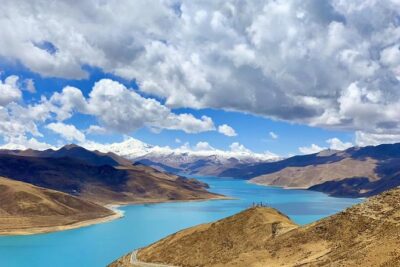
10 Days Tibet Everest Base Camp and Namtso Small Group Tour
Read our review →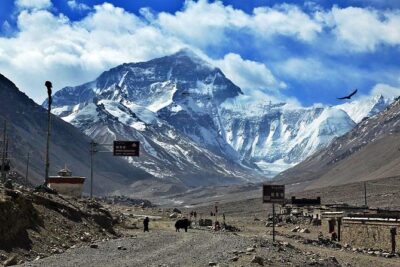
8 Days Lhasa Gyantse Shigatse Mt Everest Group Tour
Read our review →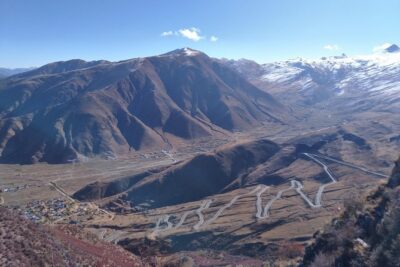
13 Day Lhasa, Mt. Everest, Mt. Kailash to Kathmandu Adventure
Read our review →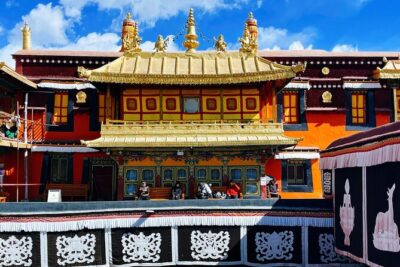
Private Guided Day Tour Potala Palace and Sera Monastery
Read our review →Browse the lists this tour appears in