
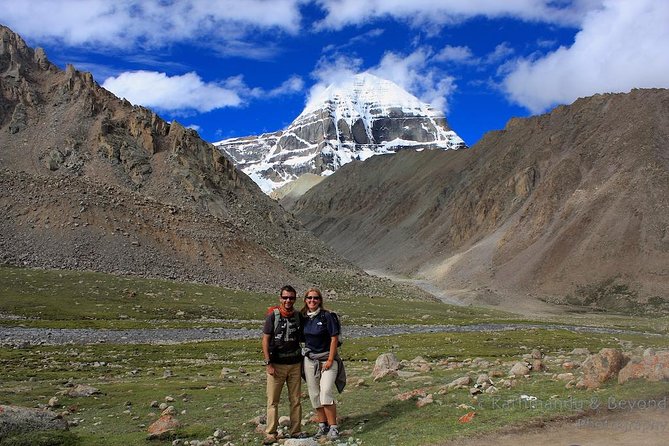
Reviewed · LHASA TOURS
15 Days Mt Everest and Mt Kailash Kora Pilgrimage Group Tour
This 15-day Tibet journey is interesting because it stitches together two big goals in one trip, Mt Everest Base Camp and the Mt Kailash Kora. You start in Lhasa with the key monasteries and temples, then you spend days driving, trekking, and camping at extreme altitude.
I like that this is run like a true package. You get airport pickup and drop-off, plus lodging that ranges from hotels to guesthouses and even nomad tents.
Your main consideration is stamina at high altitude, with passes like the Dromala pass at 5,630m and early starts for the Everest area.
Key Things to Know Before You Go
- Small group size (max 12) for easier pacing and more flexible decisions
- Airport transfers from Lhasa Gonggar Airport on arrival and departure days
- Permits and entrance fees included so you are not chasing paperwork and tickets
- Everest Base Camp camping gear included, including a sleeping bag and oxygen tank
- Kailash Kora trek logistics are built in, including eco-bus rides and porter support
- Long road days with major stops, from Yamdrok Yumtso Lake to Sakya Monastery
Why This 15-Day Everest and Kailash Plan Feels Like Real Tibet
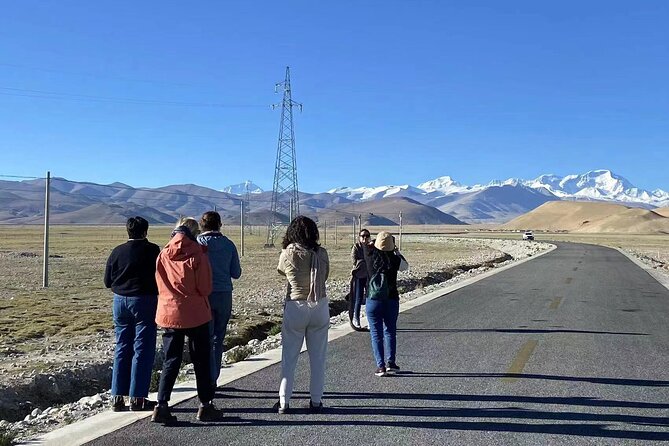
This is not a quick sightseeing loop. It is a big, slow-moving route that connects Lhasa, the Everest National Nature Reserve area, and far-west Tibet around Kailash and Manasarovar. If you like structured travel but still want real moments in remote places, this format hits the sweet spot.
The best part is the mix of holy sites and hard physical days. Lhasa can feel like a living museum, then the itinerary shifts into high-altitude terrain and a Kora trek that forces you to focus on breath, footing, and rhythm.
One practical upside, and it matters: the trip comes with the heavy lifting for Tibet travel. You are not just buying a bus ticket. You are buying a plan that includes all necessary permits, entrance fees, and the transportation with a travel license.
What else people fit into the same Lhasa trip:
- Tibet Tour 8 Days Lhasa to Everest Base Camp Small Group Tour
★ 5.0 · 578 reviews - 7 Days Lhasa to Kathmandu Overland Small Group Tibet Tour via EBC
★ 5.0 · 188 reviews - Tibet Tour 15 Days Lhasa to Kailash Trekking Small Group via EBC
★ 5.0 · 104 reviews
Lhasa Arrival: Getting Oriented Fast on Day One
You land at Lhasa Gonggar Airport and get picked up for the transfer to your hotel the same day. Pickup times are listed as 9:30 am, 1:00 pm, and 4:00 pm, which makes it easier to match your arrival even if flights are delayed.
I like that the tour keeps the start simple. Day one is about getting your bearings and staying comfortable, not stacking extra activities on top of jet lag and altitude.
Also note the tour mentions transfers related to the Lhasa Railway Station on the first and last days. So if you are connecting by train within Tibet, it is built into the overall flow.
Lhasa Temples and Monasteries: The Places That Give Context
The itinerary leans into three Lhasa anchor experiences: the major Gelug monasteries, the most sacred temple complex, and the Dalai Lama palace.
Drepung Monastery, then Tibet Museum, then Norbulingka
Drepung Monastery (Zhebang Si) gives you a taste of the Gelug tradition. The schedule is designed so you can explore it after breakfast, with a solid two hours allocated.
In the afternoon you rotate to a more grounded, human-scale side of Tibetan life. The Tibet Museum focuses on everyday scenes, clothing, architecture, and festival customs. Then Norbulingka, the Precious Stone Garden, comes next as the summer resort of the Dalai Lama.
This mix is smart. Monasteries can be impressive, but the museum helps you understand what you are seeing, so the buildings and rituals feel less random.
A different sort of day out of Lhasa:
- 10 Days Tibet Everest Base Camp and Namtso Small Group Tour
★ 4.5 · 53 reviews - 8 Days Lhasa Gyantse Shigatse Mt Everest Group Tour
★ 5.0 · 52 reviews - 6 Days Central Tibet Culture Small Group Tour
★ 5.0 · 41 reviews - 13 Day Lhasa, Mt. Everest, Mt. Kailash to Kathmandu Adventure
★ 5.0 · 33 reviews
Potala Palace and Jokhang Temple, plus Barkhor Street
Potala Palace is scheduled in the morning. You spend time just walking and taking in the view angles and the sheer presence of the palace.
After lunch, you visit Jokhang Temple, described as built in the seventh century and considered the most sacred temple in Tibet. The highlight noted in the schedule is the statue of Buddha there, which tells you where the focus will be during your visit.
Then you get Barkhor Street, a lively pedestrian loop with traditional Tibetan souvenirs. This is the part where you get your bearings fast, because you can see how the day-to-day energy of Lhasa moves around the holy center.
The Road to Shigatse: Yamdrok Yumtso Lake, Karola Glacier, and Gyantse
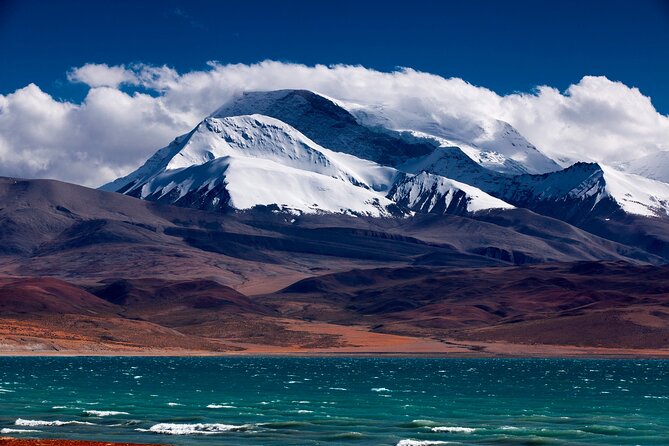
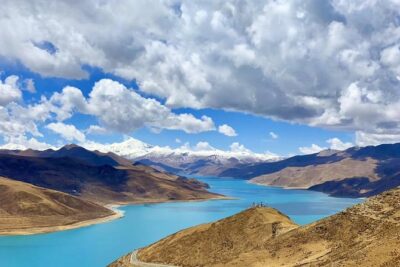
The route begins shifting away from the city. You drive from Lhasa to Shigatse and stop at Yamdrok Yumtso Lake, a holy lake with striking scenery.
The schedule also includes a roadside stop to enjoy Karola Glacier. It is close to the highway, about 300 meters off the main road to Gyantse, so it is the kind of stop you do without feeling you lost half the day.
In Gyantse, Pelkor Chode Monastery is on your list. The tour notes its exquisite architecture and intact murals and statues. If you like details, this is where you will feel the difference between a quick photo stop and a place you can actually study.
Into Everest Country: Passes, National Reserve, and Base Camp Views
Once you leave Shigatse, you are no longer just touring. You are moving into Everest National Nature Reserve terrain, and the altitude and driving days become part of the experience.
Day five includes Tashilunpo Monastery, the Panchen Lama’s home, before you head toward Lhatse. Then the itinerary builds toward the Everest area with driving via Tsola Pass (4,600m) and Gyatsola Pass (5,248m). Those numbers are not just trivia. They signal that you will spend real time at altitude, and you should pace yourself and avoid treating the days like you are on a flat road trip.
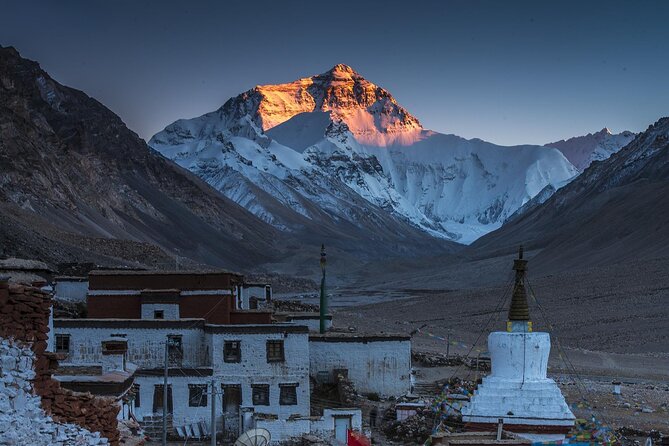
Day six is where the Everest moment shows up. The plan mentions an early rise for sunrise at Everest Base Camp if the weather is good. That wording matters: you should expect the weather to control your experience here. You are paying for access and timing, not guaranteed clear mountain views.
You also drive onward to Saga. On the way, you get a panorama view of Mt Shishapangma (8,012m), described in the itinerary. This is one of those stretches where the day feels long, but you keep getting visual payoffs that remind you how wide the high Himalaya is.
The Long Drive to Kailash: Views, Time, and Mental Prep
Day seven is a travel-heavy day toward Kailash. The schedule says you will spend a lot of time on the way, but the scenery is worth it, with views of the great Himalayas to the south and the Trans-Himalayan to the north.
This day is not about checking off a single monument. It is about adjusting your body and expectations. When you finally reach the trek start area later, you will be glad you treated this as a “save your legs” day rather than a “do everything fast” day.
Kailash Kora Trek: What the Trek Really Demands
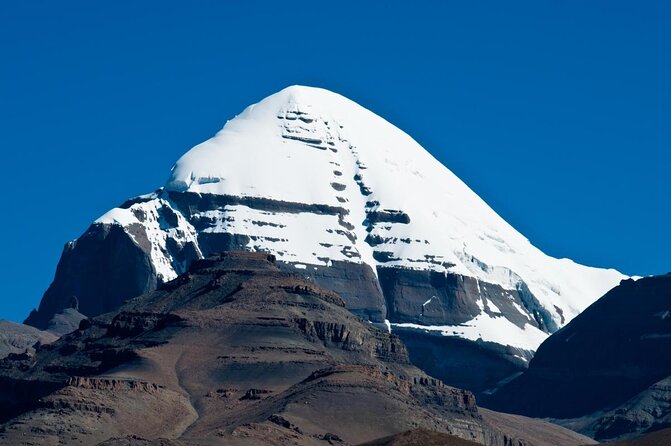
The Kailash portion is the core physical experience here. It is not just a hike. It is a trek around a sacred mountain with a day that includes the highest pass on the Kora route.
Day eight: Sarshung Valley start, porters, and meeting yaks
You take an eco-bus to Sarshung Valley and start trekking from there. Then you meet your porters and yaks at Sarshung Valley, and the itinerary notes the cost of hiring yaks or horses is part of the trek logistics.
I like that the tour builds this into the experience. You are not suddenly trying to solve logistics at altitude while your energy is already low. Having porters and pack animals in the plan reduces what you personally carry, which helps if you are new to high-altitude trekking.
Day nine: Dromala pass (5,630m) and the hard day you plan around
Day nine is described as the most challenging day of the trek because you climb the Dromala pass at 5,630m. You stop briefly at the top, then descend into a long valley for lunch.
This is the day you should prepare mentally. Plan for slow walking and frequent pauses. If you are the type who pushes pace to feel in control, Kailash will teach you the opposite, and that is part of the value of doing this trek the planned way.
Day ten: An easier trek segment, Manasarovar, and returning by eco-bus
Day ten is described as an easier trek day. You trek 9 km to complete the Kora, then you take the eco-bus back to Darchen.
The itinerary connects this with the spiritual meaning: doing a kora around a holy mountain for one circle can rid sins according to Buddhism. Even if you are not there for the religious side, it still helps explain why the day is paced with reverence.
After the Trek: Sakya Monastery and the Drive Back Toward Lhasa
Once Kailash is done, the rhythm changes. You move into monastery time again, plus long driving stretches.
Day eleven drives from Zhongba to Lhatse. The schedule says there are no famous scenic spots, but the scenery is endless, and you cross 7 high mountain passes. So even without a listed big “must-see,” the altitude and road conditions will keep your attention.
Day twelve is Sakya Monastery, in Sakya County, with background that it is the main monastery of the Sakyapa and was built in the 1360s. This is your chance to slow down again and view a different style of Tibetan Buddhist architecture and monastery life.
Day thirteen drives from Shigatse back to Lhasa along the northern route, including the Yarlung Tsangpo valley. In Nyemo, you can visit a Tibetan Incense Workshop, if it fits the day’s flow.
Lhasa Free Time on Day Fourteen
Day fourteen is intentionally unplanned in terms of major attractions. You have free time in Lhasa city with your tour guide, and if you want extra activities, the itinerary notes they need approval of the other members.
I like this kind of buffer. After extreme altitude days, it helps to have a flexible block where you can rest, do souvenir shopping, or simply revisit somewhere you loved without feeling you are wasting time.
How the Group Tour Runs, and Where You Have Room to Adapt
This is a small-group tour with a stated maximum of 12 travelers. That size matters in practical ways: you tend to get better pacing, easier communication, and fewer awkward logistics when weather changes.
The itinerary also gives you some “if weather is good” moments, especially around Everest Base Camp sunrise. So the best mindset is to plan as if conditions might be imperfect, and still show up early and do your part.
Meals are partly included. The listing includes breakfast (10), and it also includes water, two bottles of mineral water per person per day. Beyond that, your own meal choices are part of the real travel rhythm, especially during drive-heavy days.
The tour includes lodging with oxygen tank access for emergency use. It also includes a sleeping bag, which is exactly what you want when the plan includes camping at Everest Base Camp.
Price and Value: Is $2,280 Fair for This Much Tibet?
At $2,280 per person for about 15 days, the value depends on how much of the “hard stuff” you want handled for you. This price includes a lot of the expensive and paperwork-heavy items that often surprise people later.
What you get included:
- All necessary Tibet permits
- All entrance fees mentioned in the plan
- A licensed vehicle with parking and gas
- An experienced local English-speaking guide
- Airport hotel transfers on arrival and departure days
- Oxygen tank for emergency use and a sleeping bag
- Lodging across the trip, including guesthouses and nomad-tent style nights
The biggest hidden value is the permit and logistics support. Tibet travel is not just booking transport and hotels. You need permits, documents, and timing. The listing also notes the Tibet Tourism Bureau Permit often takes about 12 working days to apply, so your planning window matters.
There is also an emotional value. A well-run group tour makes it possible to do a route like this without spending your time troubleshooting. The tour has a strong recommendation rate and a high rating, which usually means people felt it delivered what it promised, not just a checklist of stops.
Practical Altitude Advice, Based on What This Route Requires
The itinerary explicitly asks for a strong physical fitness level. You should take that seriously, because you will face both altitude and uneven terrain.
Here are the altitude triggers built into the plan:
- Tsola Pass (4,600m) and Gyatsola Pass (5,248m) on the road to Everest National Nature Reserve
- A planned sunrise at Everest Base Camp if weather allows
- Dromala pass at 5,630m during the Kailash Kora trek
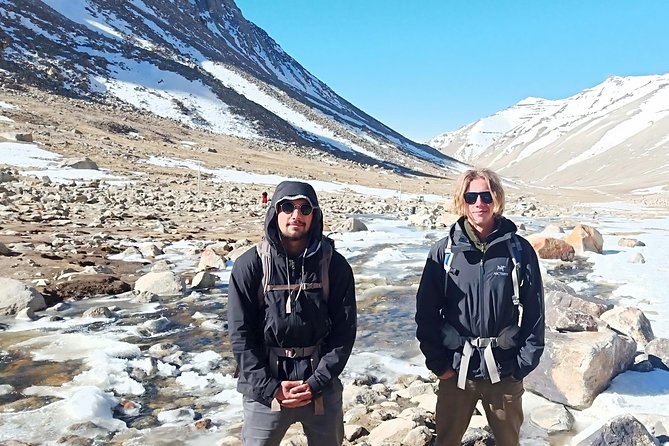
This does not mean you need to be an athlete. It does mean you should be ready to walk slowly, breathe deliberately, and handle cold, especially if nights involve camping.
Also, the tour provides an oxygen tank for emergency use. That helps you feel safer, but it is not a reason to ignore pacing. Think of it as backup, not a lifestyle.
What You Should Pack for This Trip (So You Don’t Overthink It)
You are getting a sleeping bag included, which is a big weight and cost saver. Still, you should pack for cold conditions and long days at altitude.
Plan around:
- Warm layers for early starts and higher passes
- A daypack for trekking days
- A hat and gloves for cold wind, especially when you are outside waiting for sunrise windows
- Comfort-focused footwear for the trek and pass day
Since mineral water is provided, you do not need to bring all your water, but you may want to carry additional personal snacks in case meal timing gets stretched by road schedules.
Should You Book This Everest and Kailash Kora Tour?
Book this tour if you want a structured, all-in-one Tibet experience that tackles both Everest Base Camp camping and a real Kailash Kora trek. The included permits, entrance fees, and guide support make the big logistical challenges manageable, which is a huge deal on this kind of route.
You should think twice if you are not comfortable with altitude or you prefer low-effort travel. The itinerary includes high passes and a demanding trek day over Dromala at 5,630m. If that sounds like too much, you will likely feel stressed rather than inspired.
If you do like deep travel, small-group pacing, and you want your Tibet time to feel like more than photos, this is a strong match.
FAQ
How long is the tour?
The tour runs for 15 days, approximately.
What city does the tour start from, and where does it end?
It starts in Lhasa, China, and ends in Lhasa. You are transferred to either the Lhasa airport or the railway station on the final day.
Is pickup and drop-off included?
Yes. You get pickup from Lhasa Gonggar Airport to your hotel on the first day (9:30 am, 1:00 pm, and 4:00 pm). On the last day, there is a drop-off from your hotel to Lhasa Gonggar Airport at 8:30 am, 12:30 pm, and 2:30 pm.
What kind of accommodation is included?
Accommodation is included as listed in the itinerary, including hotels, guesthouses, and nomad tents. A sleeping bag is also included.
Are permits and entrance fees included?
Yes. The tour includes all necessary permits to Tibet and all entrance fees mentioned in the itinerary.
Is oxygen provided?
Yes. The tour includes an oxygen tank for emergency use.
How big is the group?
The tour has a maximum of 12 travelers.
What about meals?
Breakfast is included (10 breakfasts). Two bottles of mineral water per person per day are also included. Other meals are not listed as included.
What is the Kailash shuttle bus cost?
The shuttle bus fee to Kailash is listed as USD 10 per person, and the shuttle bus fee back from Kailash is also USD 10 per person.
What is not included?
Tourists travel insurance is not included, along with personal expenses, optional sights, flights or trains, and anything not mentioned in the included list.
Latest reviews from Lhasa
- 7 Days Overland Tour from Lhasa to Kathmandu★ 5.0 · 20 reviews
- Private Guided Day Tour Potala Palace and Sera Monastery★ 5.0 · 22 reviews
- 4 Days Lhasa City Essential Group Tour★ 5.0 · 25 reviews
- 6 Days Central Tibet Culture Small Group Tour★ 5.0 · 41 reviews
- 8 Days Lhasa Gyantse Shigatse Mt Everest Group Tour★ 5.0 · 52 reviews
- 10 Days Tibet Everest Base Camp and Namtso Small Group Tour★ 4.5 · 53 reviews
- Tibet Tour 15 Days Lhasa to Kailash Trekking Small Group via EBC★ 5.0 · 104 reviews
- 8 Day Tibet Classic Tour★ 5.0 · 5 reviews
Lhasa Tours, compared.
Tibet Tour 8 Days Lhasa to Everest Base Camp Small Group Tour
Read our review →
7 Days Lhasa to Kathmandu Overland Small Group Tibet Tour via EBC
Read our review →
Tibet Tour 15 Days Lhasa to Kailash Trekking Small Group via EBC
Read our review →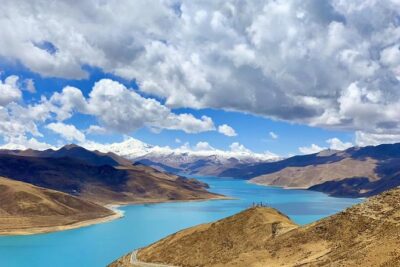
10 Days Tibet Everest Base Camp and Namtso Small Group Tour
Read our review →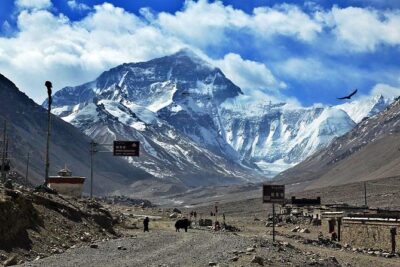
8 Days Lhasa Gyantse Shigatse Mt Everest Group Tour
Read our review →
13 Day Lhasa, Mt. Everest, Mt. Kailash to Kathmandu Adventure
Read our review →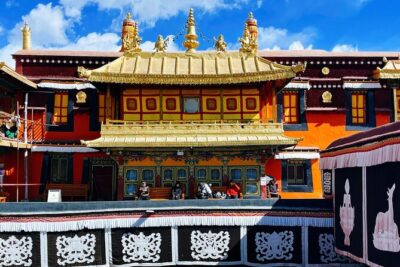
Browse the lists this tour appears in