
Reviewed · FOOD & DRINK
Puer Tea Picking and Tasting | 6 Hour Morning Trip
Pu’er tea picking is interesting because you are not just buying tea in a shop. You are doing the work that creates it, picking leaves, watching processing, and then tasting what your hands helped make. I love the hands-on tea picking part, and I love the field-to-tasting flow that makes the flavors click fast. The main drawback is practical: this is a real farm visit, so you’ll want comfortable shoes and you should expect uneven ground.
I also like how the day is built for small groups, capped at 6 participants, with an English-speaking guide option (plus French, German, and Italian). In several experiences, guides such as Maxime make the conversations easier by translating your questions to the plantation owner and explaining tea and coffee cycles, with Dai culture coming up naturally.
One more consideration: lunch timing and what is included can vary by how the operator plans the farm meal. Some versions list lunch at the farm as included, while an additional local meal option is also mentioned, so it’s worth confirming before you go.
Key highlights worth your morning
- Pickup from Jinghong or Pu’er: You start and end with convenient transport, typically in a VW ID.4 or a small minivan.
- You pick and process tea: The tour includes hands-on leaf picking and a tasting at the processing farm.
- 300 grams of tea to take home: You leave with tea you picked and processed yourself.
- Tea processing steps are shown: You see stages like withering, rolling, and drying explained on site.
- Multiple tasting angles: The tastings can include styles such as aged, raw, candy tea, and red tea (depending on the day).
- A possible coffee bonus: Some days add a stop at a coffee estate south of Pu’er with additional tastings and food.
Jinghong or Pu’er pickup, small group ride, and the 5 to 7 hour rhythm
This is a 5 to 7 hour morning trip. That timing matters in Yunnan because you’re trying to pack something real into a short window, without burning the whole day. The half-day format is also great if you’ve already got plans after lunch, or you want to keep your energy for markets and viewpoints.
Transport is part of the value. Pickup and drop-off are included from Jinghong or Pu’er, and the operator uses a VW ID.4 for up to three guests, with a comfortable 6-seat minivan for larger groups. That means you’re not stuck with a long wait while everyone gathers, and the ride is calm enough to get oriented before you start walking.
Group size is capped at 6 people, which is a big deal for tea learning. If you have questions about leaf selection, fermentation, aging, or how Pu’er differs from other black teas, a small group makes it easier to get answers without feeling rushed.
If you’re traveling solo, that small-group cap is also reassuring. You’ll still be in a group setting, but you’re less likely to be “one face in a crowd.”
More eating and drinking in Kunming:
- Authentic Local Food Tour in Central Shanghai
★ 5.0 · 1,382 reviews - Beijing Hutong Walking Food and Beer Tour at Hidden Restaurants
★ 5.0 · 1,132 reviews - Shanghai: 3-Hour Local Food Tasting Tour
★ 4.9 · 806 reviews
Tour of a Pu’er tea plantation: what you learn when you walk the rows
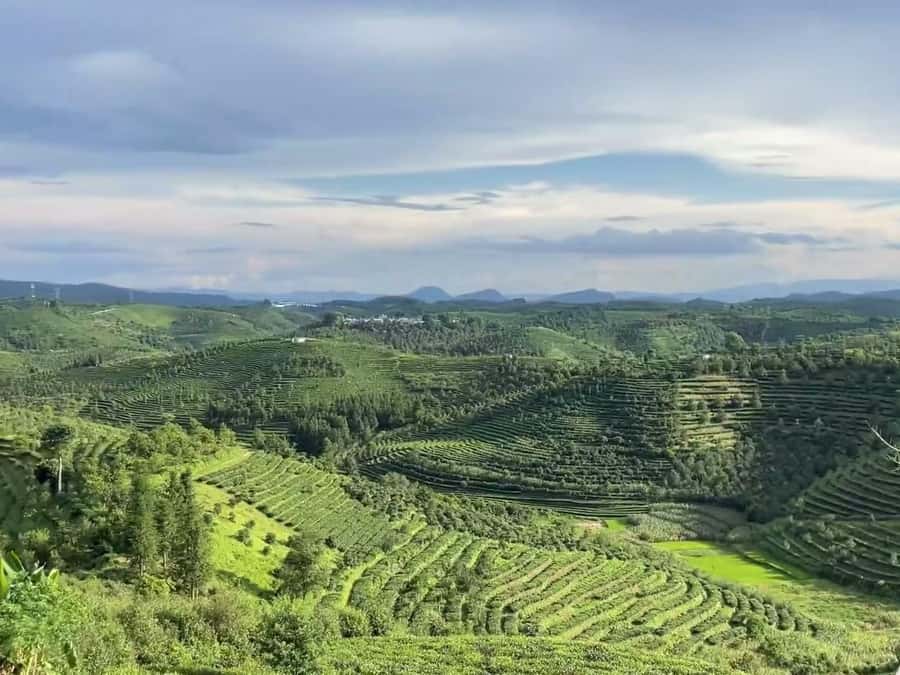
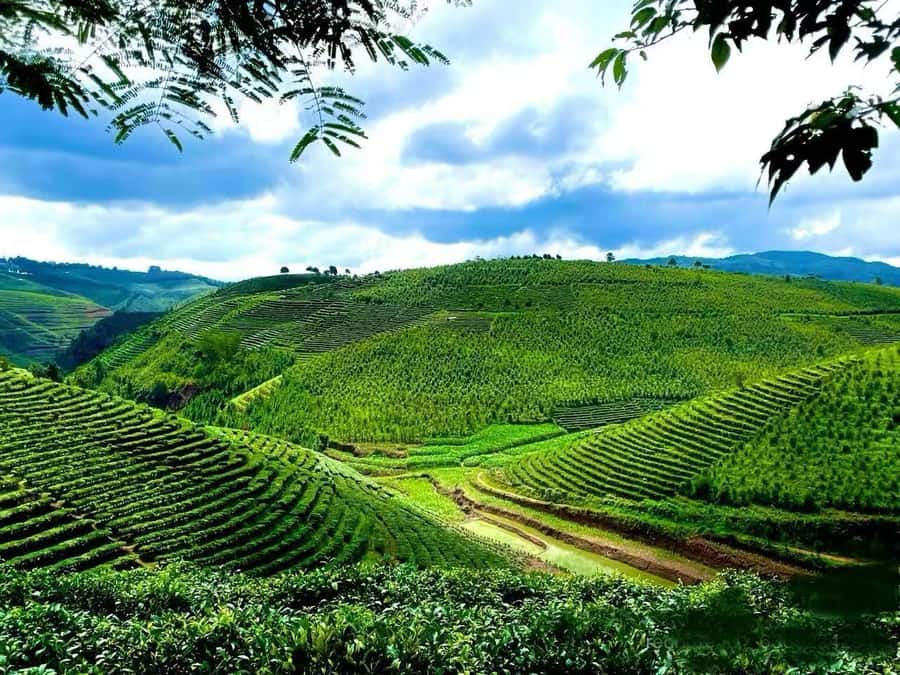
The plantation visit is not just a scenic stroll. The walk is guided, and the goal is to connect the tea you drink with the plant in the field and the people who grow it.
On site, you should expect:
- A guided tour of the surrounding plantation area
- Explanations about the history and significance of Pu’er tea
- Guidance on how tea cultivation works in practical terms, not just poetry
Why this matters for you: Pu’er can feel confusing because “Pu’er” can mean different processing styles and different flavor outcomes depending on how the tea is handled after picking. Seeing the growing environment and the plantation management makes the later tasting feel less random.
Also, the tone tends to be grounded in local culture. In at least one documented experience, the guide connected the day’s tea and coffee explanations to Dai culture, and that cultural framing helps you understand why tea is treated like more than a product.
A possible downside: this is outdoors time in a working agricultural area. If you go when it’s humid or warm, you’ll be glad you wore breathable layers and shoes that can handle muddy patches.
Hands-on tea picking: getting leaf selection right in real life
This part is usually the emotional highlight, because it turns tea into something physical. You aren’t just watching. You’re learning how people pick leaves that make good tea.
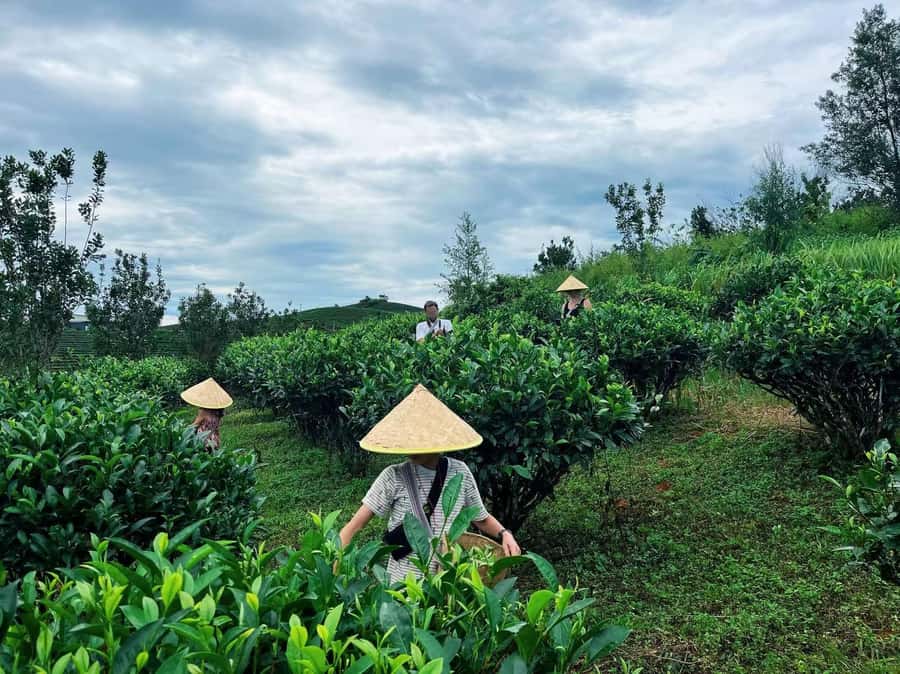
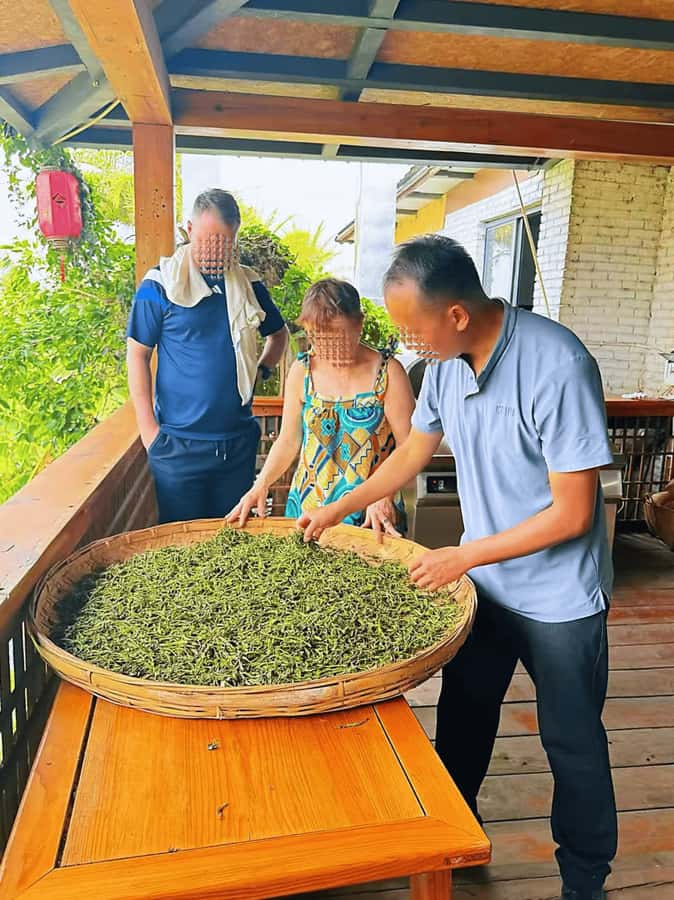
Your guided picking experience focuses on technique. You’ll be shown how to select leaves for quality, with local experts guiding you while you practice. That “watch, then try” structure is exactly what you want, because Pu’er picking is not only about grabbing leaves. It’s about picking with an eye for the kind of tea you want to end up tasting.
For your own success, here are the practical things to keep in mind:
- Wear comfortable shoes you trust on uneven ground
- Expect you’ll be picking at least some portion by hand, so your arms and wrists will get a workout
- Ask questions while you still have time in the rows, because after you process tea, you’ll remember the hands-on mistakes more clearly than the explanations
I also like that the tour is designed around learning. The picking session is tied to what happens next, so you’ll see why certain leaves and timing affect the later aroma and flavor.
If you’re the type of traveler who usually skips “hands-on” tours because they feel gimmicky, this one can still work. The key is that the picking feeds directly into the tasting and the take-home tea.
From withering to drying: seeing Pu’er processing up close
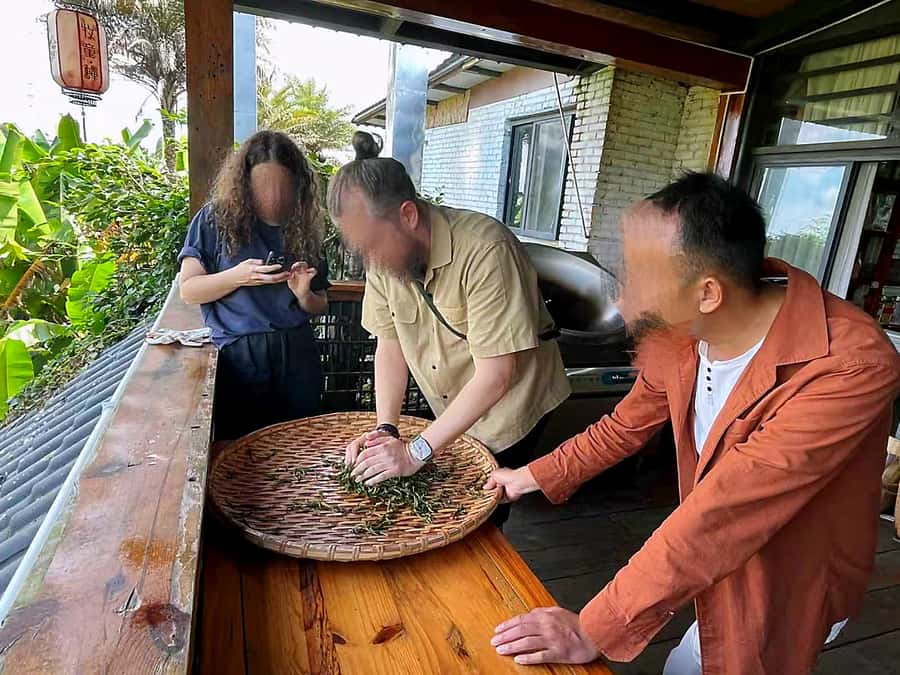
After picking, the day shifts into production mode. You visit the farm processing area and learn how fresh leaves become Pu’er tea.
This is where the tour becomes genuinely educational. Pu’er tea is shaped by a chain of steps, and the processing farm gives you the chance to see those steps in sequence. Based on what’s described, you should expect discussion and observation of stages such as:
- Withering
- Rolling
- Drying
You might also get the chance to try part of the processing. Even if you only do a small step, it helps you understand how careful handling changes the tea’s final character.
Why this matters to you as a tea drinker: after you watch withering and rolling, you’re less likely to think of Pu’er as one simple tea. You start to think in terms of process and transformation, which makes tastings easier to read.
One more useful detail: the processing farm is also where the guide can explain your tea tasting in plain terms. Instead of memorizing complicated tea labels, you’ll connect your cup back to what you saw and did that morning.
A different sort of day out of Kunming:
- 9 days Ancient Town Tour
★ 5.0 · 21 reviews - Kunming: Stone Forest Private Day Tour
★ 4.7 · 13 reviews - 1 Day Stone Forest & Jiuxiang Cave Tour
★ 5.0 · 13 reviews - Eat Your Way Through Yunnan’s Tea & Horse Road, from Dali to Lijiang, 8-day Trip
★ 4.5 · 11 reviews
Tea tasting session: how to read Pu’er when styles differ
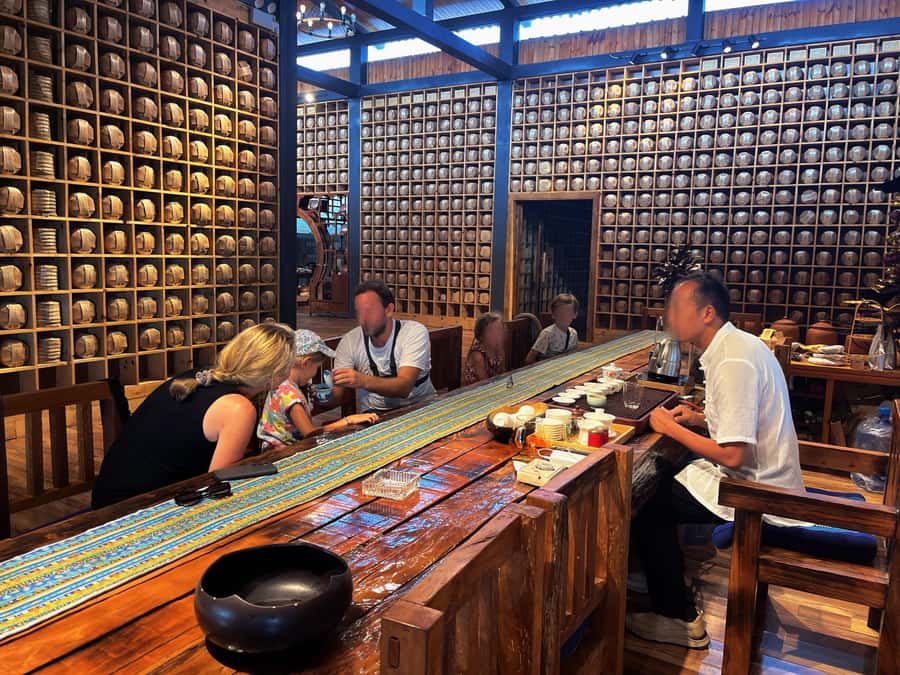
The tasting is the payoff. This is where you test your new understanding.
You’ll have a tea-tasting session featuring freshly processed Pu’er tea. You’ll also learn about different varieties and brewing methods that shape the flavor.
In some tours, tastings include styles such as:
- aged
- raw
- candy tea
- red tea
You might find that your preferences shift once you taste multiple styles side by side. That’s normal. The point is to train your palate to recognize what changes from one tea to the next.
Here’s how to get more from the tasting without overthinking it:
- Take notes, even rough ones, like aroma first, then taste, then finish
- Pay attention to mouthfeel, not only flavor
- Ask the guide what you should brew and how long, since brewing method can change the outcome
Guides like Maxime are also described as answering lots of questions with passion, which helps if you came curious but not fluent in tea jargon. A good guide makes the tasting feel like a conversation, not a lecture.
Your take-home reward: 300 grams of Pu’er you picked and processed
This is a standout value point. The tour includes 300 grams of Pu’er tea that you picked and processed during your visit.
That’s more than a token souvenir. For many visitors, tea is the reason they do a tea tour at all. Having a meaningful amount to take home turns the morning into a lasting purchase, not just a photo and a memory.
A practical tip: if you buy other tea later, you’ll have a baseline from your own batch to compare with. That makes your next tea purchase smarter, because you can say, “This tastes closer to the style we made today,” instead of relying on vague marketing.
Some experiences also mention a discount on tea purchased at the end, like a 20% reduction in one case, and importantly, that the owner did not pressure people into buying. That’s exactly the kind of shop environment you want after a tasting, calm and informed.
Lunch at the farm, Dai food, and a possible coffee detour south of Pu’er
Food matters here because it anchors the day in local life. Lunch is listed as part of the experience, and an optional lunch option is also described with a price mentioned. Since these details can vary by how the operator plans your schedule, I’d treat lunch as a “confirm at booking” item rather than assuming it will be identical to every other day.
What you can likely expect:
- A meal at the farm with local specialties
- A relaxed pace so you can digest the tea lessons
Also, some versions of the day include a coffee add-on. In multiple documented experiences, the tour continued to a coffee plantation south of Pu’er, with coffee tastings and Dai food. One experience even expanded into a route through what was described as Coffee Valley, with more processing facilities to see.
If you want that extra coffee content, you’ll want to ask whether it’s included in your specific departure. If it is, it pairs nicely with Pu’er because it deepens the Yunnan “taste culture” theme in one morning.
Price check: does $82 per person make sense for what you get?
At $82 per person, this is not the cheapest thing you can do around Pu’er. But it also isn’t just a casual walk.
Here’s why the price can feel fair:
- Pickup and drop-off from Jinghong or Pu’er are included
- Your day includes a guided plantation visit
- There is hands-on tea picking
- You get a tea-tasting session plus processing-farm visits
- You receive 300 grams of Pu’er tea you picked and processed
That last point is the big one. Many tours offer small tastings and one tiny bag of tea. Here, you’re leaving with enough tea to actually drink for weeks or months, depending on how often you brew Pu’er.
So the decision comes down to your priorities:
- If you want to learn the process and take home a meaningful amount of tea, the price is strong.
- If you only want a casual tasting and you already prefer buying tea from a shop you trust, you might decide this is more work than you need.
Who this tour fits best, and who should think twice
This is a good match if you:
- enjoy hands-on experiences
- drink tea and want a better sense of how Pu’er is made
- like guided explanation, not just free time
- want a small-group morning plan with clear structure
A few groups should think twice based on the stated suitability:
- It is not suitable for babies under 1 year
- It is not suitable for people over 70
- Pets are not allowed
The “over 70” limit is worth respecting for comfort and safety, especially because a tea picking morning can involve uneven ground and sustained standing.
If you have a tight train or bus schedule, the 5 to 7 hour duration is helpful, but you should still plan buffer time. One experience noted regret that they wanted more time due to a train catch, so give yourself some breathing room.
Should you book this Pu’er tea picking and tasting trip?
Yes, if you want more than a tasting. Booking makes sense when your goal is to understand Pu’er through actions, not just words.
I’d especially recommend it if you love these ideas:
- making your own tea souvenir
- learning the steps behind flavor
- getting a guide who can translate questions and explain choices in everyday language
Before you click, do two simple checks:
- Confirm lunch details for your specific date, since lunch inclusion vs optional meal pricing is described with different numbers.
- Bring comfortable shoes, and plan for farm-style walking.
If you’re expecting a luxury, fully seated experience, this isn’t it. But if you want a real morning that connects a cup of Pu’er to leaf and process, this tour is a solid bet.
FAQ
How long is the Pu’er tea picking and tasting trip?
The trip runs for about 5 to 7 hours.
Where does pickup and drop-off happen?
Pickup and return are available from Jinghong or Pu’er.
What language is the live tour guide available in?
The live guide is available in English, French, German, and Italian.
How big is the group?
The group is kept small, limited to 6 participants.
What tea experience is included?
You’ll have a guided visit to a Pu’er tea plantation, a hands-on tea picking experience, and a tea-tasting session at a local processing farm.
Do I take tea home?
Yes. You receive 300 grams of Pu’er tea that you picked and processed during the visit.
Is lunch included?
Lunch at the farm is listed as included, and there is also mention of an optional lunch option. It’s a good idea to confirm what applies to your departure.
What should I bring?
Wear comfortable shoes.
Are pets allowed?
No, pets are not allowed.
Is cancellation free?
You can cancel up to 24 hours in advance for a full refund.
Latest reviews from Kunming
- Lijiang: Jade Dragon Snow Mountain for Foreign Tourists★ 3.7 · 5 reviews
- Kunming: Stone Forest, Roast Duck Lunch and City Tour★ 4.0 · 5 reviews
- China Shangri-La Tiger Leaping Gorge : A Canyon Adventure★ 4.3 · 6 reviews
- 4 Days Haba Snow Mountain Climbing Tour (Lijiang-Shangri-La)★ 5.0 · 6 reviews
- Lijiang to Shangri-La HuXiang Road Private Scenic Tour★ 4.5 · 6 reviews
- 8 Days Private Yunnan Highlight Tour★ 5.0 · 10 reviews
- Eat Your Way Through Yunnan’s Tea & Horse Road, from Dali to Lijiang, 8-day Trip★ 4.5 · 11 reviews
- Kunming: Stone Forest Private Day Tour★ 4.7 · 13 reviews
Food & Drink, compared.

Authentic Local Food Tour in Central Shanghai
Read our review →
Beijing Hutong Walking Food and Beer Tour at Hidden Restaurants
Read our review →


Hong Kong’s Tin Hau Hidden Eats Food Tour with 7+ Local Tastings
Read our review →
Browse the lists this tour appears in