

Reviewed · TICKETS
Beijing:Drum and Bell Towers Entry Ticket- Cultural Treasure
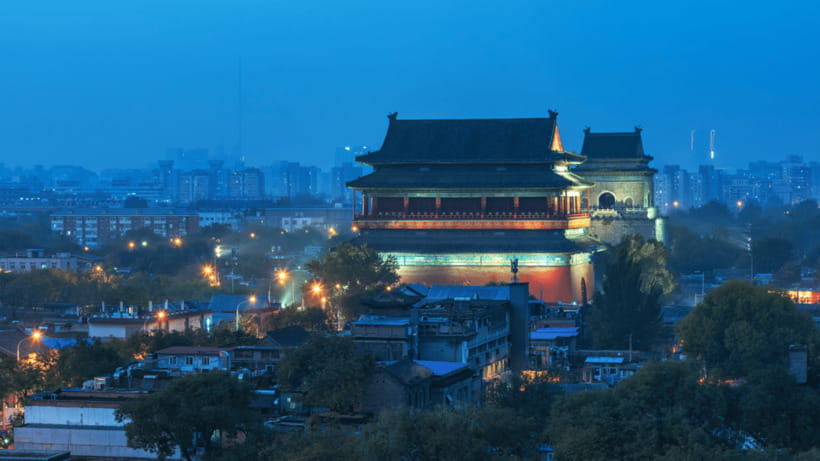
Beijing’s Bell and Drum Towers are one of those places where the city’s old rhythm still shows up in the architecture. I love that you get both towers in one visit, and I also love that the included English textual and visual guide helps you connect what you see to how imperial Beijing kept time. One thing to plan for, though, is the stair climbing, which can feel long and steep.
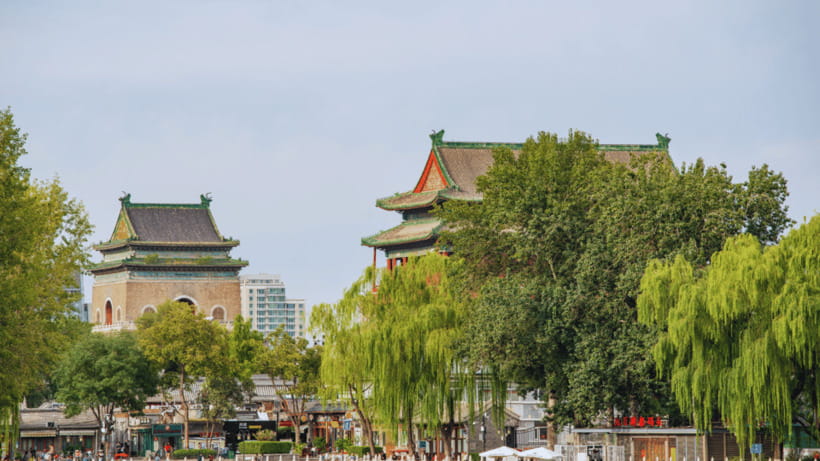
These towers sit on Beijing’s grand central axis, at the northern end, so it’s an easy stop to frame against what else you might be doing that day. You are walking in a real historic complex built across dynasties, with the Drum and Bell relationship kept clear by the layout, Bell slightly north of Drum.
For a straight, no-frills cultural visit, this works well. It is not a live guided tour, so you should be happy to self-navigate with your guide in hand for roughly 2 hours.
Key points to know before you go
- Prebooked e-tickets: enter directly with the QR codes you receive
- Two towers, one theme: dusk drum and morning bell timekeeping, all in one stop
- Big-ticket fact: the Yongle-era bell is known as the King of Ancient Bells, weighing 63 tons
- Historic layout on the central axis: Bell Tower slightly north of Drum Tower
- English guide included: helpful for understanding the buildings and the surrounding hutongs
- Stairs are real: steep, and not ideal if mobility is limited
Why Beijing’s Bell and Drum Towers still matter for timekeeping

The Bell and Drum Towers are not just old buildings with views. They were the official time-setting center of Beijing for centuries, built first in the Yuan Dynasty (1206-1368) and then used through the Ming (1368-1644) and Qing (1644-1911). When you visit, you are basically walking into an old system where time was public, not private.
The idea is simple and striking: time was told by a dusk drum and a morning bell. That rhythm shaped the daily flow of an enormous city, and the towers were designed to broadcast it. Even if you do not think about timekeeping in your own life much today, you can feel how intentional the architecture is when you see how the complex is laid out.
I also like that the site is state-level protected and covers 12,597 square meters. That matters because it signals this is not a quick photo spot. You get space to understand the complex as an ensemble, not just a single gate and a tower.
What else people fit into the same Beijing trip:
- From Beijing: Mutianyu Great Wall Tours with Options
★ 4.9 · 9,216 reviews - Beijing: Forbidden City Tour(Group/Private)-Tickets Included
★ 4.8 · 7,974 reviews - Beijing: T-Square & Forbidden City Group or Private Tour
★ 4.8 · 4,446 reviews
What you actually get: two tower tickets plus an English guide
This is a ticket package, not a full guided program. You receive entry tickets for both the Bell Tower and the Drum Tower, plus an English textual and visual guide. There is no live tour guide and no audio guide included, so your “tour” is your own pace plus the guide materials.
That sounds basic, but it can be a strength. When you self-explore, you control how long you linger at details like inscriptions, tower structure, and viewpoints. The guide is designed to make that easier by giving you context you can read as you go.
One of the best practical surprises for me, even from a ticket-only format, is how the included materials can help you move beyond the towers. The guide includes information about the surrounding hutongs, and it even comes with recommendations for local restaurants nearby. That is the kind of added value that turns a “ticket visit” into a more complete neighborhood experience.
Entering the complex smoothly with e-tickets and skip-the-line access
Logistics are where a lot of “simple tickets” become annoying. Here, the process is streamlined: after you place your order, you provide your passport name, passport number, and date of birth. The operator reserves your tickets 3 days prior to your visit.
Once the reservation is successful, you get e-tickets by email or WhatsApp, which you use to enter both towers directly. This is also a key reason the experience is worth considering if you are visiting during peak periods, because it supports skip the ticket line entry rather than waiting around.
Bring the document you used for booking. You should have your passport or ID card with you. If you do not have it ready, you can slow down the entry process, even when you have an e-ticket.
You are planning for about 2 hours total. That is enough time to do both towers without feeling rushed, as long as you are comfortable with climbing and moving between levels.
Drum Tower: stairs, dusk drum symbolism, and 25 drums in context
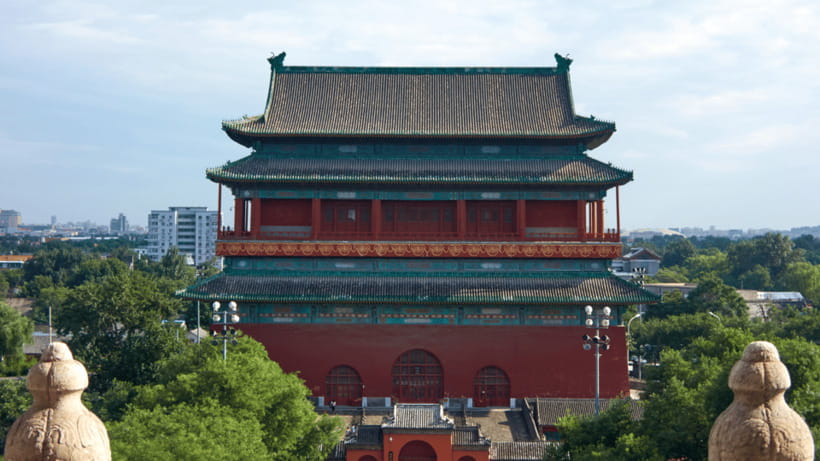
When you arrive, the Drum Tower is part of the older timekeeping story. It is the place where the concept of the dusk drum makes sense. The Drum Tower is linked to the idea of counting down the day, the moment when public time shifted from day activities toward night routines.
The details you might notice here include the historical claim that there used to be 25 drums in the Drum Tower. Even if you do not see all of them in the way people imagined centuries ago, the “25 drums” fact is a good anchor. It helps you picture the scale and organization behind the system.
The biggest real-world factor at the Drum Tower is movement. From what I can see during visits like this, you should expect steep, long stairs. One important caution: if you have mobility limitations, this visit may not be the best choice. The stair climbing is not a small inconvenience here, it is the main physical challenge.
If you do go, I suggest you set a simple goal: take your time ascending, stop briefly if you need to, and use the guide to keep you oriented. When you read while you climb, you slow yourself down in a good way and you get more out of the effort.
A different sort of day out of Beijing:
- All-Inclusive Tour: Tiananmen Square, Forbidden City, Great Wall
★ 5.0 · 2,873 reviews - MuBus: Mutianyu Great Wall ENG/ESP/RUS Guided Bus Tour
★ 5.0 · 2,361 reviews - 4-Hour Small Group Tour to Forbidden City with Entry Tickets
★ 5.0 · 1,863 reviews - Beijing: Tiananmen Square Registration Service(Ticket)
★ 4.5 · 1,704 reviews
Bell Tower: the Yongle-era bell and the morning bell moment
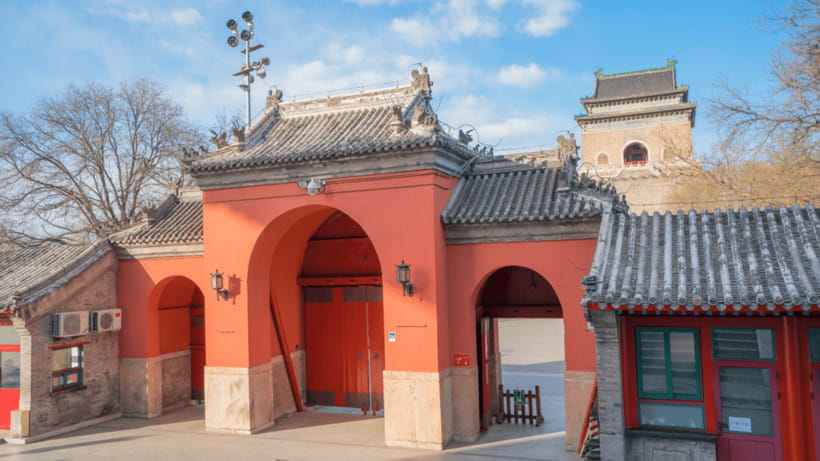
The Bell Tower is the northern counterpart in the pair, and it sits slightly north of the Drum Tower. That positioning is not random. It keeps the complex’s north-south relationship easy to understand as you move between the two structures.
The centerpiece idea is the morning bell, the other half of the timekeeping story. This is also where the famous scale numbers start to matter. The bell cast during the Yongle era (1403-1424) of the Ming Dynasty is known as the King of Ancient Bells and it weighs 63 tons.
That 63-ton detail is the kind of fact that makes the Bell Tower feel different from a generic viewpoint stop. It helps you connect the tower’s purpose to real engineering, because a bell that heavy implies major effort, major materials, and a belief that the city needed something dependable and loud enough to matter.
And yes, you are still dealing with stairs and levels. Plan to spend time where you can pause and take in the surroundings. This is not a place you want to power through like a checklist item, because the meaning comes from understanding the pair together.
How to use the included guide to get more than a photo stop
Because there is no live guide, the English guide is your best tool for turning the visit into learning. I like using it in two passes.
First, read a bit before you start moving between towers. You want a few anchor points in mind, like the dynasties involved, the fact that time was signaled by dusk drum and morning bell, and the main names tied to the bell. This way, you are not staring at details wondering what they mean.
Second, use the guide to shape your direction while you are inside. You might focus on architectural layout, the relationship between the two towers, or the surrounding neighborhood context. The materials include info and even suggestions for great local restaurants nearby, and that helps you plan the “after” part of your visit without guessing.
One of the most useful practical takeaways is how close the towers are to Beijing hutongs. If you did not expect that, the guide can change how you think about the site. Instead of treating the towers like an isolated monument, you can plan a walking route that connects the historic complex with the older street fabric around it.
Price check: does $13 feel like value, or a rip-off?
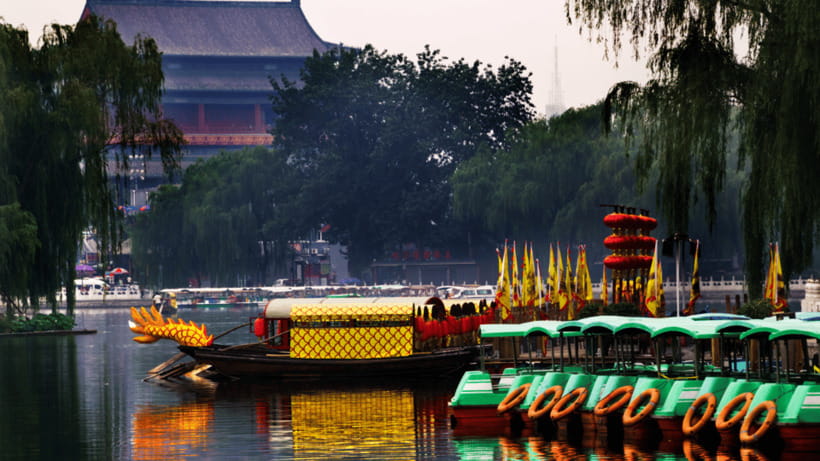
The price is listed as $13 per person, and your sense of value will depend on what you hate most about travel days.
If you dislike waiting in lines, paying this fee can feel fair fast. The ticket setup supports skip-the-line entry, and it also delivers the e-tickets ahead of time. That reduces friction, especially when queues build.
If you are comfortable buying on your own and you are traveling at a slower time of year, you might feel the price is high compared to what you could pay at the gate. One review called the price excessive compared with what they believed they would pay on the spot, so this is a real concern for some people.
My balanced take: this ticket is usually best value when
- you want predictable entry,
- you need a smooth plan for a busy day,
- and you will actually use the included English guide.
If you can skip lines elsewhere with less markup, you might shop around. But if you want the simplest path into both towers with context and neighborhood guidance, the $13 fee can make sense.
Who this fits best, and who should plan differently

This works best for independent travelers who enjoy self-paced cultural sites. You get a clear duration target, 2 hours, and you can spend that time at your own speed with an English guide in your hand.
It is also good for people who like architectural symbolism and want to connect the buildings to how cities used to run. The Yuan, Ming, and Qing timeline plus the big bell detail give your visit a storyline you can follow.
The main mismatch is mobility. With steep, long stairs involved, it may not be suitable if you have limited ability to climb. If that is your situation, you might want to look for an alternative site with less vertical effort.
Should you book this ticket package for the Bell and Drum Towers?

I’d book it if you want two classic towers, a readable English guide, and a smoother entry experience with e-tickets and skip-the-line access. It is especially worth considering if you are visiting during high-demand periods when queues can eat up your day.
I would hesitate if you are very price-sensitive and you are fine with the uncertainty of buying at the site. In that case, you might compare what you would pay on your own and decide whether the added convenience and guide justify the extra cost.
If you do book, come with one plan: read enough of the guide before you climb, then use it to connect the Drum and Bell Towers into one timekeeping story, and finally use the hutong tips to keep your day from ending at the ticket gates.
FAQ
What is the duration of this Bell and Drum Towers entry ticket?
The total visit time is listed as 2 hours.
What tickets are included?
You get a ticket for Bell Tower and a ticket for Drum Tower.
Is there a live tour guide or an audio guide included?
No. This includes an English textual and visual guide, but there is no live tour guide and no audio guide.
How do I receive my tickets after booking?
After you book, the operator reserves your tickets 3 days prior to your visit. If the reservation is successful, you receive e-tickets by email or WhatsApp.
Can I enter using the e-tickets directly?
Yes. Visitors can enter the Bell Tower and Drum Tower directly with the e-tickets provided.
What documents should I bring?
Bring your passport or ID card.
Do I need to check in at a specific time?
The duration is about 2 hours, and you should check availability to see starting times.
What if I need to cancel?
The listing states free cancellation up to 24 hours in advance for a full refund.
Latest reviews from Beijing
- 11-Day Private China Tour: Beijing, Lhasa, Xi’an and Shanghai★ 5.0 · 5 reviews
- From Beijing: JinShanLing Great Wall Bus Tour with Ticket★ 4.2 · 5 reviews
- Beijing: Jingshan Park Entry Ticket★ 5.0 · 5 reviews
- Beijing: Top Michelin Vegetarian Restaurant Reservation★ 5.0 · 5 reviews
- Beijing Culture Event: Tea Ceremony, Music Show, Calligraphy★ 5.0 · 5 reviews
- Lama Temple, Hutong and Silk & Pearl Market Private Day Tour★ 5.0 · 5 reviews
- Private Great Wall Hiking Tour: Jiankou to Mutianyu★ 5.0 · 5 reviews
- Beijing Golden Mask Dynasty Show With Private Transfer★ 4.8 · 5 reviews
Tickets, compared.
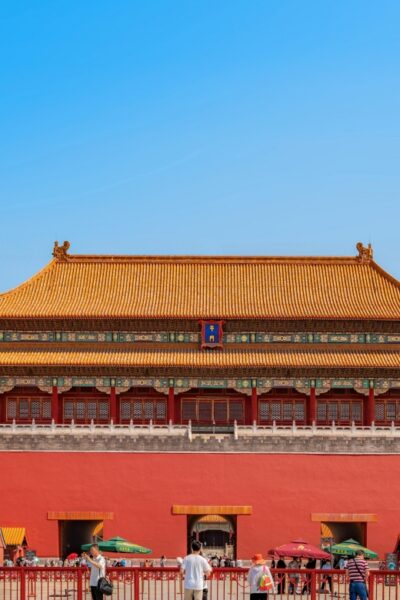
Forbidden City Tour(Group/Private)-Tickets Included
Read our review →
Mutianyu Great Wall Daily Tour with Ticket & Lunch
Read our review →
4-Hour Small Group Tour to Forbidden City with Entry Tickets
Read our review →
Ngong Ping 360: Cable Car Return Tickets & Combos
Read our review →
The Temple of Heaven or Summer Palace Entry Ticket
Read our review →
Beijing Forbidden City Ticket Booking (Optional: guide service)
Read our review →