
Reviewed · LAMA TEMPLE
Beijing: Lama Temple (Yonghe Temple) Admission Ticket
The Lama Temple, also called Yonghe Temple, is interesting because it feels like a Tibetan Buddhist world dropped into Beijing. You get a quiet, sacred mood the moment you’re inside, with incense smoke drifting over courtyards and prayer spaces that locals use every day. I love how the complex blends multiple cultures in the architecture, and it doesn’t feel like a museum set.
Two things I really liked: first, the layout is easy to follow, so you can explore at your own pace without getting lost. Second, the temple’s standout object, the 18-meter-tall sandalwood Buddha, gives you a real sense of scale that photos just can’t match.
One thing to consider: the site can get very crowded, especially on big holiday days. If you prefer breathing room, plan your timing carefully and expect to move slowly through popular prayer areas.
Key things to know before you go
- Fast-track entry helps with getting inside faster, but security checks still apply
- Yonghe Gate to Palace Hall is a straightforward route if you want an easy self-guided visit
- Four Learning Halls each focus on a different teaching or function, so it feels more than one “main shrine”
- 18m sandalwood Maitreya Buddha is the jaw-drop moment, and it’s famous for a Guinness record
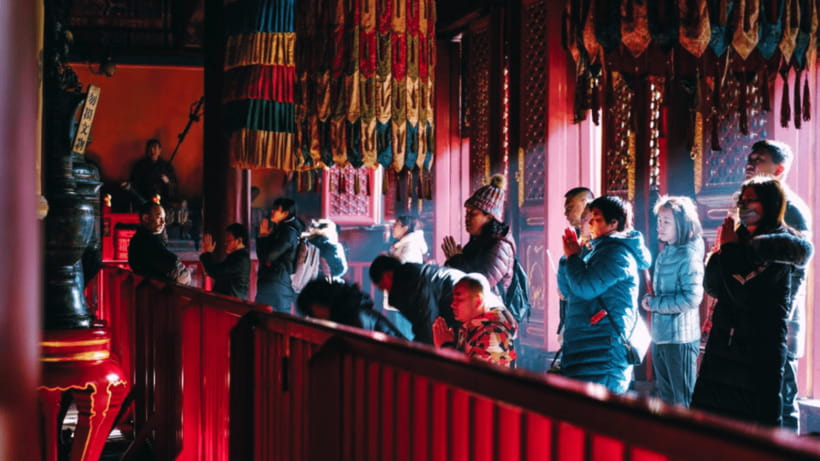
- Incense use is part of the atmosphere, and you’ll see locals praying alongside visitors
- PANDA144 messaging on WhatsApp and email makes the process smoother for first-time Beijing visitors
Yonghe Temple at a Glance, and Why the Architecture Feels Different
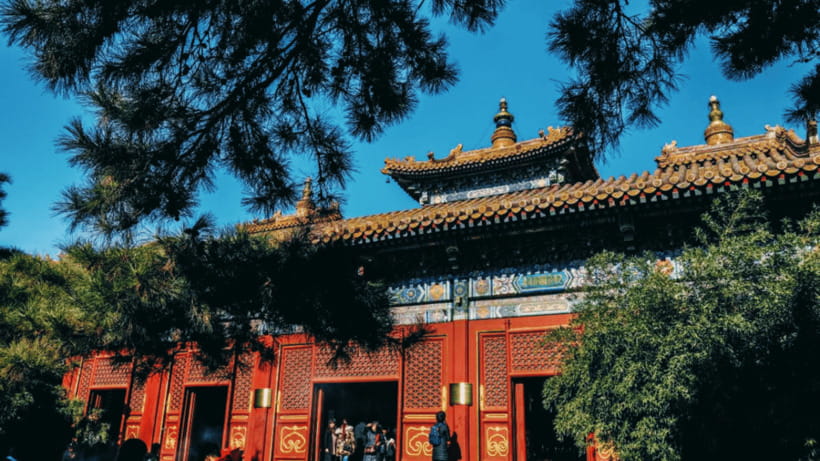
The Lama Temple (Yonghe Temple) is a Tibetan Buddhist temple in Beijing with deep imperial roots. It was built in 1694 during Emperor Kangxi’s reign as the residence of Emperor Yongzheng before he became emperor. Later, it became an imperial palace, then shifted into a Tibetan Buddhist temple during Emperor Qianlong’s reign in 1744. That timeline matters because you can actually see it in the mix of styles.
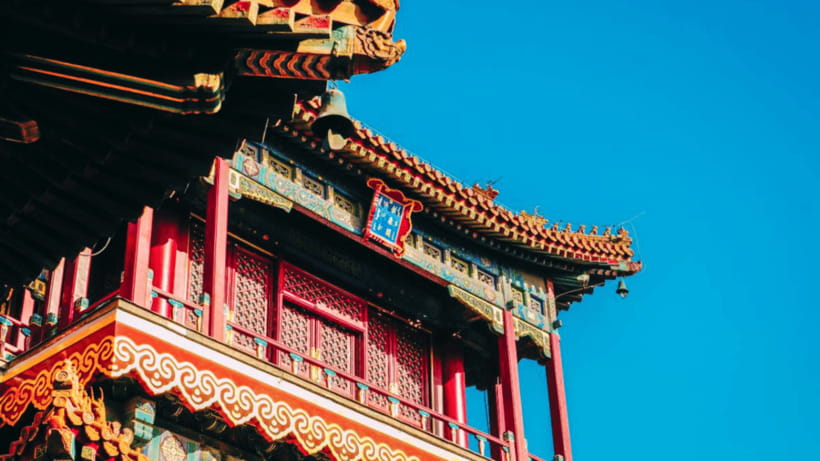
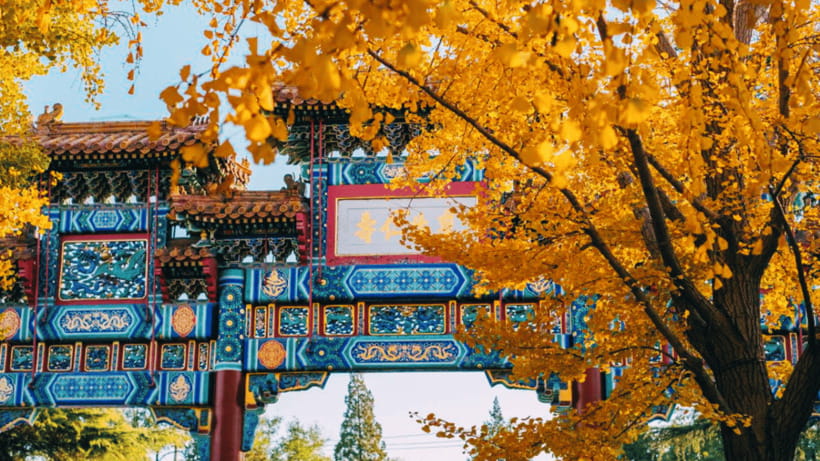
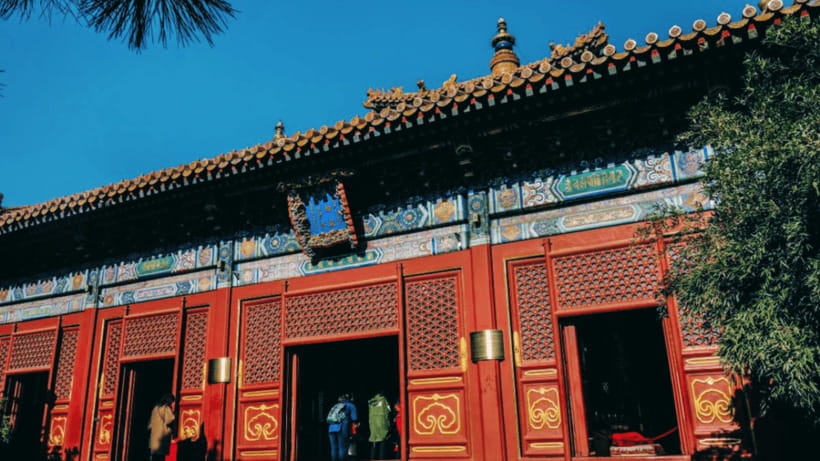
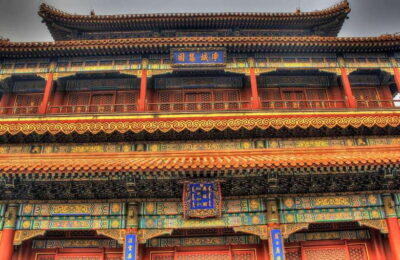
What you’ll notice when you walk through is the blending of Han, Manchu, Tibetan, and Mongolian architectural influences. It’s not random decoration. The colors, the doorways, the rhythm of courtyards, and the way the halls are arranged all feel like different traditions meeting in one carefully designed space.
If you like cultural sites that still feel used, not just preserved, this is a strong choice. You’re there for sacred halls and prayer areas, not just scenery.
More at the Lama Temple:
- Temple Heaven, Lama Temple, Summer Palace & Peking Duck Bus Tour
★ 5.0 · 377 reviews - Temple of Heaven, Summer Palace, Lama Temple, Hutong Tours
★ 5.0 · 311 reviews - Beijing Historical Tour II including Summer Palace, Lama Temple & Panda Garden
★ 4.0 · 187 reviews
Planning Your Visit: Timings, Crowds, and What Fast-Track Means
This is a 1-day admission ticket experience, and you’ll check availability for starting times. The big practical point is that the ticket includes fast-track entry, but it explicitly does not skip security checks. So you should still expect the usual security screening before you reach the temple grounds.
Two timing rules can affect your plan:
- Final entry is one hour before closing
- You must exit 30 minutes before closing
That means you should aim to arrive with buffer time, especially if you hit a busy period. On New Year’s Day, for example, the complex can be packed with people coming to pray. Even if you’re not visiting on a holiday, this is still a major religious site in the city.
If you want a calmer visit, go earlier rather than later. If you’re okay with crowds because you want the full prayer atmosphere, any time before final entry can work.
Getting In Smoothly With PANDA144: QR Code Reality Check
Here’s where people often get confused, and it’s worth reading this part carefully. The information says the GetYourGuide QR code is not a valid ticket on its own. You’re expected to coordinate through WhatsApp or rely on the confirmation email you receive.
You also need real-name booking. That means you must send your full name exactly as it appears on your passport, plus your passport number. If that information is not received on time, the booking can be canceled and a cancellation fee may apply.
In practical terms, this is good news if you like clear instructions. In multiple bookings, communication on WhatsApp and the ticket being sent quickly by email is described as making things easy, even for first-time visitors. I’d still recommend you keep an eye on your email and message thread the day before, so you’re not guessing at the gate.
Also bring your passport. Pets are not allowed, and there are restrictions on weapons or sharp objects and explosive substances.
Walking the Route: From Yonghe Gate to the Palace Hall
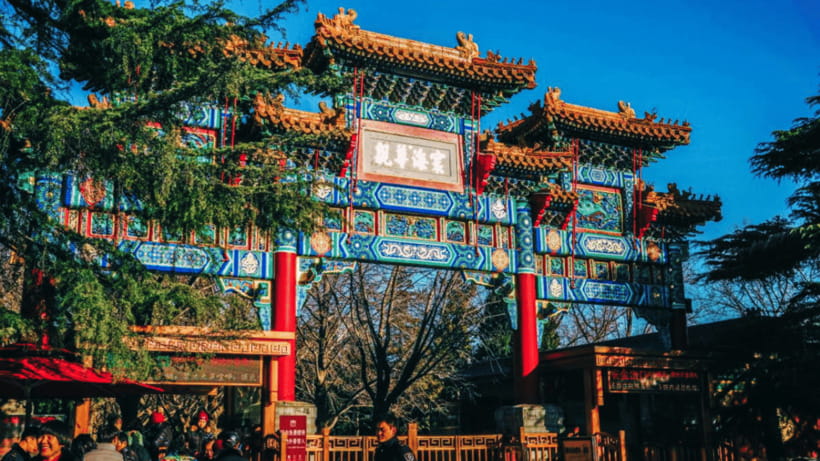
Once you’re inside, you’ll follow a route that naturally pulls you deeper into the complex. The experience is self-paced, so the “itinerary” is really a sequence of places you’ll want to visit in order.
A different sort of day out of Beijing:
- From Beijing: Mutianyu Great Wall Tours with Options
★ 4.9 · 9,216 reviews - Beijing: Forbidden City Tour(Group/Private)-Tickets Included
★ 4.8 · 7,974 reviews - Beijing: T-Square & Forbidden City Group or Private Tour
★ 4.8 · 4,446 reviews - All-Inclusive Tour: Tiananmen Square, Forbidden City, Great Wall
★ 5.0 · 2,873 reviews
Yonghe Gate
This is your first major threshold, and it sets the tone. Gates in complexes like this do more than mark entry. They guide your pace and attention. You’ll get your first real look at the temple’s architectural style as you step from ordinary city movement into a ceremonial space.
Yonghe Palace Hall
Next comes the feeling of grandeur. The palace hall is one of the main stops, with space designed for worship and ceremony rather than sightseeing. If you’re used to temples where everything is small and quiet, you’ll probably notice the scale here right away.
A drawback, if you dislike busy interiors, is that big halls tend to collect people. You may need to move with the flow, not against it.
Three exhibition rooms
Interspersed with the main halls, the exhibition rooms give context. They’re not the center of the religious experience, but they help you make sense of what you’re seeing, especially if you want more than just a visual tour.
The Four Learning Halls: Where Each Space Has a Different Purpose
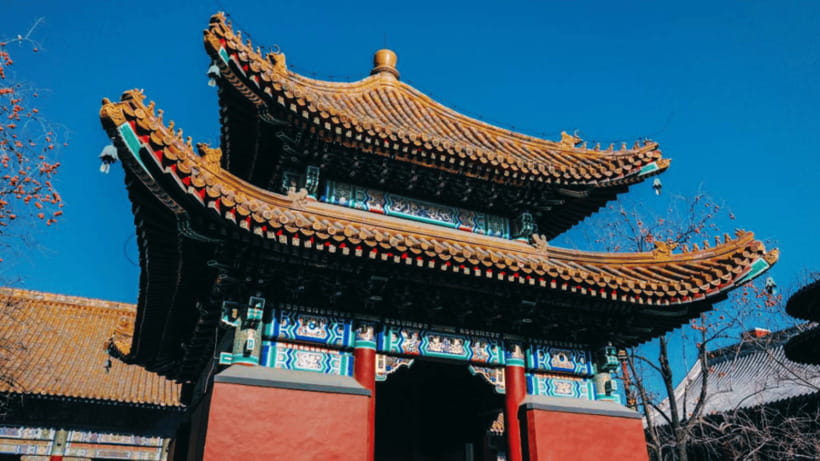
One reason I like this complex is that it’s not just one “main temple” repeated. The temple includes the Four Learning Halls, and they each focus on a different theme:
- Hall of Medicine Buddha
- Mathematics Hall
- Tantric Hall
- Lecture Hall
Even if you don’t read much signage, the idea is clear as you move from hall to hall. The worship areas feel connected, but the functions are distinct. It gives your visit structure. You’re not wandering in one big blur.
What to expect inside
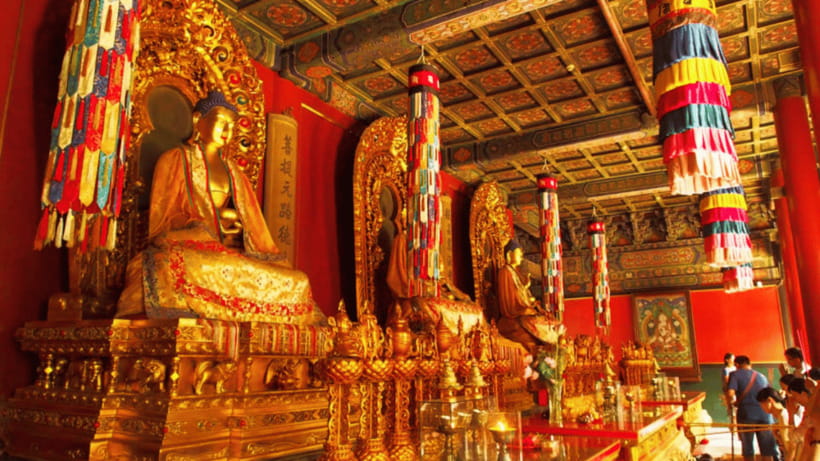
Inside the halls, you’ll see Buddha statues, thangkas, and precious artifacts. The thangkas in particular can catch your attention because they visually communicate religious stories and teachings in a way that still feels old-world and intentional.
A practical note: some parts may be more crowded than others. If you want photos, be ready to step aside and wait for breathing space. If you want prayer atmosphere, stay a little longer in the quieter corners rather than racing for the next hall.
The 18-meter Sandalwood Maitreya Buddha: The Moment That Actually Lands
Every major description of the Lama Temple eventually circles back to one big highlight: the 18-meter-tall sandalwood Buddha, known as Maitreya. It’s carved from a single piece of sandalwood and has held a place in the Guinness World Records since 1990.
Standing near it changes your sense of what you’re looking at. You can see details up close, but the scale also hits you from farther away. It’s the kind of object where you stop thinking about your phone and just look.
If you’re visiting with family, it’s a strong “everyone agrees” stop. It’s impressive without requiring deep background knowledge. And even if you don’t know the religious story, the craftsmanship and size speak for themselves.
Incense, Prayer Atmosphere, and the Simple Etiquette That Helps
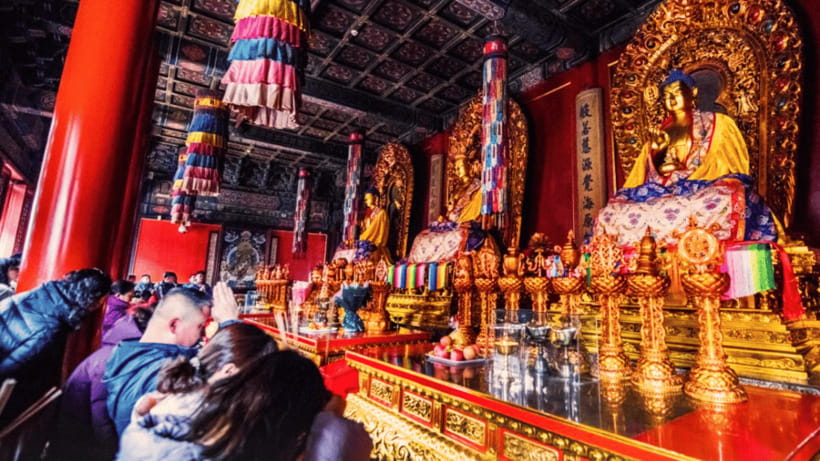
One review notes that people came to pray and that incense use is part of the experience. You’ll likely see locals lighting incense and offering prayers, with the smoke creating that soft, devotional haze that makes the temple feel alive.
Here’s how I’d handle it so you don’t feel awkward:
- Watch first, then follow. If you see others doing a certain gesture, copy the general respect level, not the exact ritual.
- Keep your movements slow in prayer areas. If people are standing or sitting in silence, treat it like you’re entering a quiet room.
- Avoid blocking sightlines. A few seconds of repositioning is better than a constant camera angle that gets in the way.
Crowds can be part of the charm if you’re comfortable with them. It can also feel intense if you want quiet and fast photos. Pick what you want most, then plan your timing.
Wheelchair Access and Self-Guided Comfort
This ticket is wheelchair accessible, which is a big plus if mobility is a concern. Since this is self-guided, you can take breaks without feeling like you’re “behind schedule.”
That said, temple complexes have their own physical realities, like courtyards and indoor transitions. If you’re planning for accessibility, I’d go at an unhurried pace and give yourself extra time for transitions and crowded areas.
Also, there’s no guided tour included and no audio guides. That means your experience is mostly your own choices, plus whatever context you pick up from signage and the exhibition rooms.
Value for Money: What You Really Get for About $10
The price listed is around $10 per person. For that, you’re getting:
- fast-track entry (not security-skip, but often faster reaching the grounds)
- access to major temple buildings and cultural exhibitions
- a reservation fee
The value here is time and access. If you just showed up without planning, you might spend more time in the general process. This ticket helps you get into the temple grounds and start your visit.
Also, because the complex is compact compared to some huge heritage sites, you can cover a lot in one day. The Four Learning Halls plus palace hall plus exhibitions plus the main Buddha gives you several “anchor” stops, not just one photo moment.
So even though the price is relatively low, the ticket content is focused on the heart of the complex. That makes it a practical buy.
Who This Experience Fits Best
I think this is a great pick if you want:
- a self-guided visit with structured highlights (gates, palace hall, learning halls, Buddha)
- a religious site that locals actually use, not just a staged attraction
- a temple experience where architecture and artifacts matter, not only views
It might be less ideal if you want:
- a full guided narrative from start to finish, because guided tours are not included
- a slow, quiet stroll with no crowds at all. On peak dates, you’ll share space with a lot of people praying.
Should You Book This Lama Temple Admission Ticket?
Yes, you should book it if you like planning that keeps the day smooth. The main reasons are simple: the access includes fast-track entry, you can see the major halls and exhibitions in one self-guided loop, and the standout 18-meter sandalwood Buddha is a true centerpiece.
I’d especially book in advance if you’re a first-time visitor to Beijing and you don’t want uncertainty about what works at the gate. Just read the ticket-use note: the GetYourGuide QR code is not the ticket by itself, so rely on the WhatsApp messages or the confirmation email you receive, and make sure your passport name and number match exactly.
If you’re ready for some crowds and you want to see a living Tibetan Buddhist temple in Beijing, this one is an easy yes.
Latest reviews from Beijing
- 11-Day Private China Tour: Beijing, Lhasa, Xi’an and Shanghai★ 5.0 · 5 reviews
- From Beijing: JinShanLing Great Wall Bus Tour with Ticket★ 4.2 · 5 reviews
- Beijing: Jingshan Park Entry Ticket★ 5.0 · 5 reviews
- Beijing: Top Michelin Vegetarian Restaurant Reservation★ 5.0 · 5 reviews
- Beijing Culture Event: Tea Ceremony, Music Show, Calligraphy★ 5.0 · 5 reviews
- Lama Temple, Hutong and Silk & Pearl Market Private Day Tour★ 5.0 · 5 reviews
- Beijing Golden Mask Dynasty Show With Private Transfer★ 4.8 · 5 reviews
- Private Great Wall Hiking Tour: Jiankou to Mutianyu★ 5.0 · 5 reviews
Lama Temple, compared.
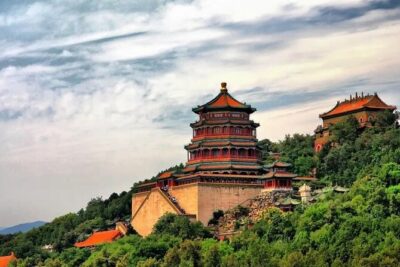
Temple Heaven, Lama Temple, Summer Palace & Peking Duck Bus Tour
Read our review →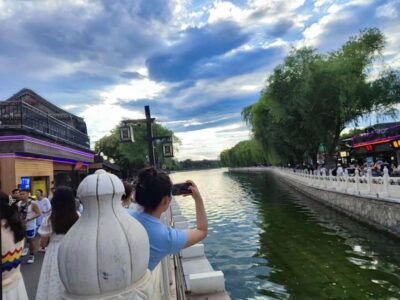
Temple Heaven, Summer Palace, Lama Temple, Hutong Bus Tour
Read our review →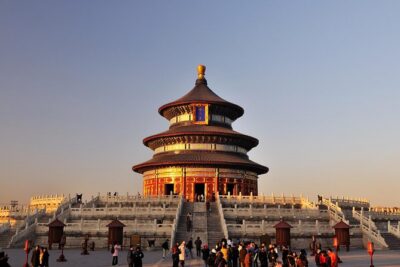
Temple of Heaven, Summer Palace, Lama Temple, Hutong Tours
Read our review →
Beijing Historical Tour II including Summer Palace, Lama Temple & Panda Garden
Read our review →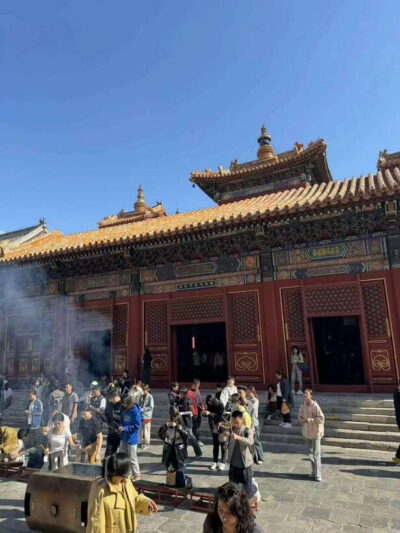
Panda House, Temple of Heaven, Lama Temple, Summer Palace & Lunch
Read our review →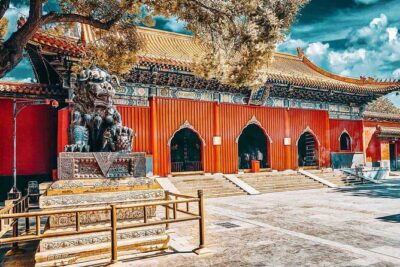
Beijing Lama Temple Entrance Ticket with Optional Guided Service
Read our review →Browse the lists this tour appears in