
Reviewed · MUSEUMS IN BEIJING
Beijing: China National Film Museum Entry Reservation
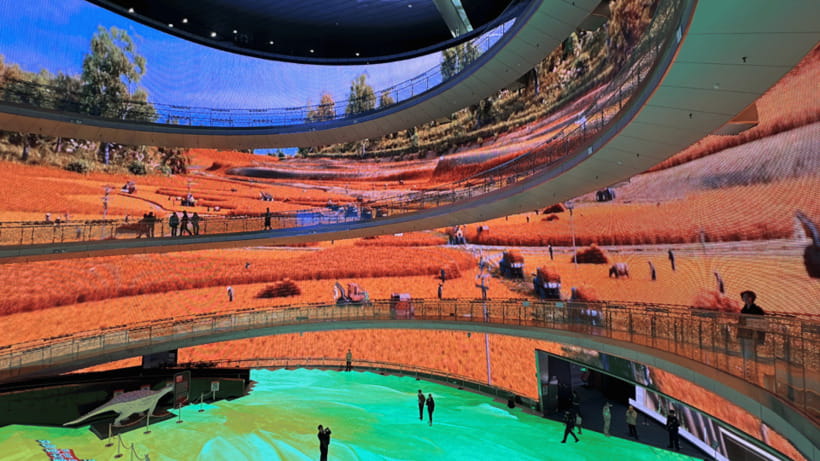
The China National Film Museum is interesting because it treats film like a real cultural timeline, not just posters on walls. I like that you get access to 21 exhibition halls and six movie halls in a structured space built for big viewing, and I especially love the convenience of entering with the QR code they send you.
One thing to consider: most on-site descriptions can be Mandarin-heavy, so your experience will depend on how much you use the included English guide. If you want a movie screening, remember that paid screenings are not included.
Key things to know before you go
- Skip-the-line entry using the QR code sent separately for admission
- 21 exhibition halls across multiple floors, designed for a paced visit
- Six movie halls, including an IMAX GT hall, plus other screening spaces
- A century-long film history across periods and filmmaking stages
- English textual and visual guide included, helpful if you do not read Chinese well
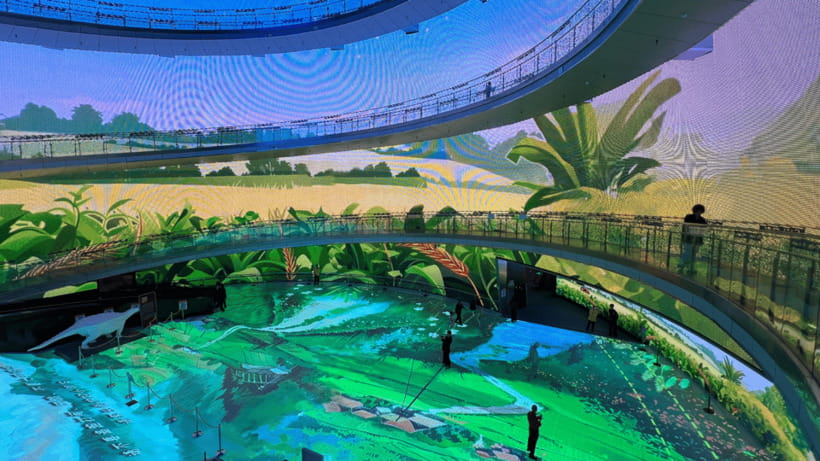
- Themed exhibition areas can be family-friendly, including dinosaur displays at exhibition entrances
China National Film Museum in Beijing, what this reservation really includes
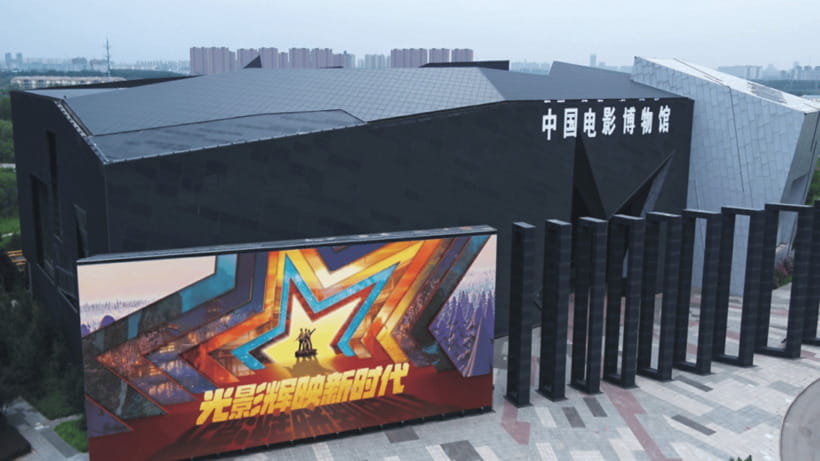
The China National Film Museum is a large public cultural institution tied to China’s film story. It was founded on December 29, 2005 and opened to the public on February 10, 2007. The grounds and interior are big enough that it feels like a destination, not a quick stop, with about 8.7 acres and nearly 38,000 square meters of architectural space.
Your reservation is simple but smart: you are paying for entry reservation plus an English version of the textual and visual guide. There is no live guide included, so you will be using the museum’s layout and the materials you get, at your own speed. In 2 hours, you cannot see every exhibition hall in full depth, but you can get a strong overview of how Chinese cinema changed over time.
What makes this place especially practical is the way it’s organized. The museum has:
- 21 exhibition halls (about 13,000 square meters combined)
- Thematic exhibitions distributed across multiple floors
- Six movie halls, with IMAX GT among them, built for big audience viewing
That means you can plan a visit that’s mostly exhibits, or mostly film screenings, or a balanced mix.
More Museums in Beijing
Getting in fast with the QR code you actually need
The entry process is where people can trip up, so pay attention here. After you order, you receive an e-ticket by email or WhatsApp. Then, you must use the QR code provided to enter the museum directly.
Important detail: the code shown inside the GetYourGuide app is not the admission ticket. You need the QR code they send separately for entry. If you only screenshot the wrong code, you may waste time at the entrance.
Bring your passport. The museum rules for your visit are minimal, but they are strict on one point: no smoking. Plan around that and keep the rest of your visit stress-free.
Practical move: before you leave your hotel, open your WhatsApp or email, find the message with the QR code for admission, and save it where you can reach it quickly. A two-hour visit is easier when you are not hunting for the correct code.
Two hours inside: how to pace 21 exhibition halls without feeling rushed
A 2-hour entry window sets a real pace. This is not the kind of museum where you “wander until you finish.” Instead, it works best when you pick a path.
Here’s a pacing idea that works well with the museum’s structure:
1) Start with the first floor theme exhibition
2) Then go up to the main multi-floor history exhibition
3) Use one movie hall as a bonus if you still have time (and if you choose a paid screening)
Because there are 21 exhibition halls spread through the museum, you’ll likely cover just the highlights within your 2 hours. That is not a downside. With film history, focus matters. You want the big timeline beats, the storytelling arc, and the “how it’s made” moments. You can always return later if you want a deeper pass.
Also, set expectations: since this is not a guided tour, you will get what you bring to it. If you read Mandarin well, you will go farther through the displays. If you do not, the museum’s English guide becomes your main translator.
First floor: the theme exhibition space and how to use it
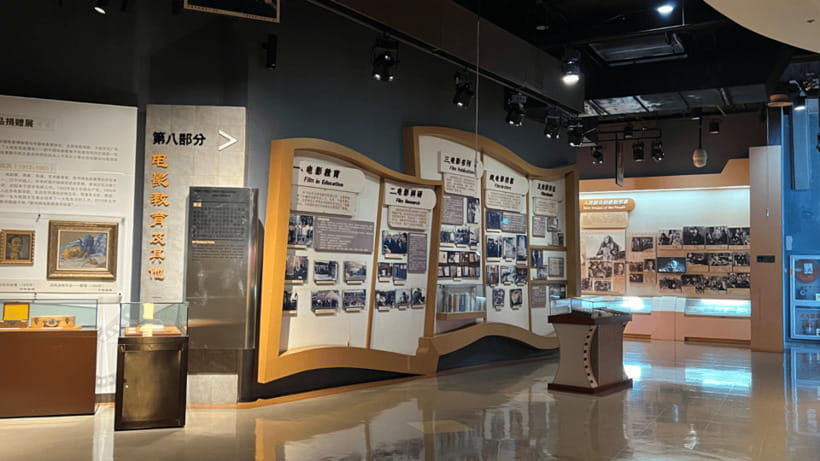
On the first floor, you can find The Theme Exhibition of A New Journey of Struggle. Even without getting lost in details, a theme exhibition like this is a useful start because it sets context before you hit the full historical overview.
What to do on this floor:
- Treat it as your warm-up, not your whole visit
- Look for narrative cues that help you understand the film-history sections above
- Spend enough time to catch the big ideas, then move on
The advantage of starting here is mental. You are not walking into a century-long timeline cold. You already have a lens for how film themes and eras connect.
The drawback is timing. If you spend too long on the theme floor, you might feel hurried on the main multi-floor exhibition. Since your reservation is time-limited, aim for a calm sprint, not a marathon.
A different sort of day out of Beijing:
- From Beijing: Mutianyu Great Wall Tours with Options
★ 4.9 · 9,216 reviews - Beijing: Forbidden City Tour(Group/Private)-Tickets Included
★ 4.8 · 7,974 reviews - Beijing: T-Square & Forbidden City Group or Private Tour
★ 4.8 · 4,446 reviews - All-Inclusive Tour: Tiananmen Square, Forbidden City, Great Wall
★ 5.0 · 2,873 reviews
Second to fourth floors: A Century of History, A Century of Glory
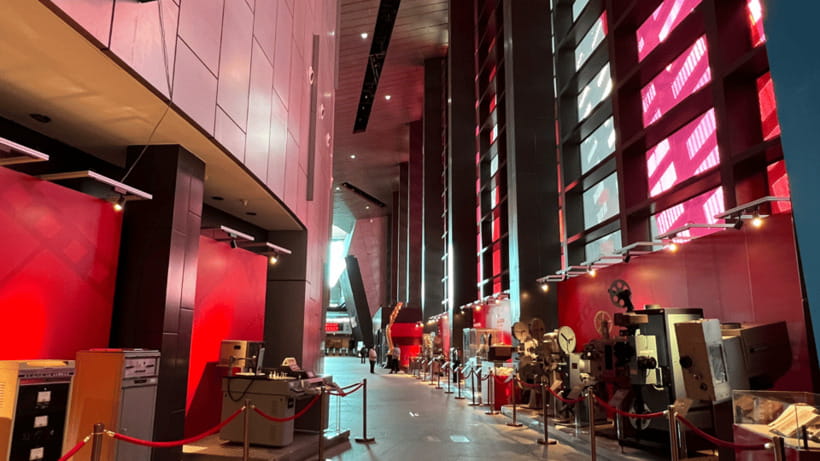
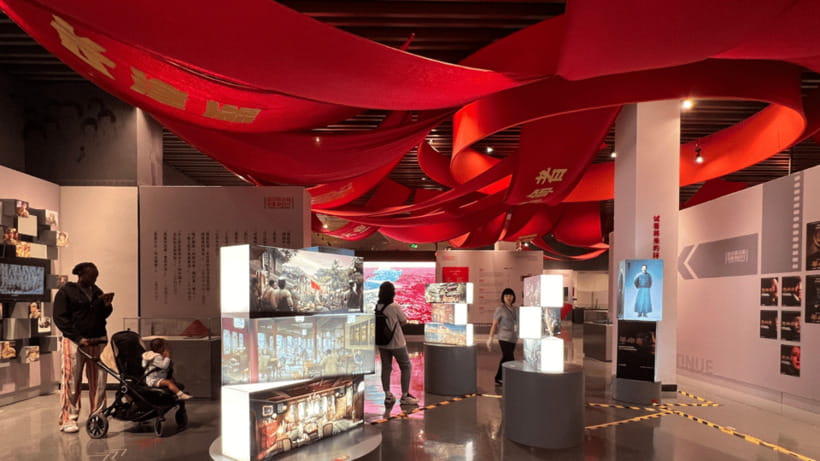
If you want the heart of the museum, this is it. On the second, third, and fourth floors, you’ll find A Century of History, A Century of Glory. This exhibition is built around:
- A century-long history of Chinese films
- The development of film in different periods and stages
- Significant artistic achievements of numerous film-makers
- Insights into the secrets of film making
This is the kind of exhibition that helps you see filmmaking as a process, not a mystery. Even if you only catch parts of the text, you can often follow the story through visuals, timelines, and sections on technique.
A helpful way to navigate this big exhibition in limited time is to focus on three types of moments:
- The era markers: where the timeline changes, what new styles or production approaches appear
- The craft explanations: anything that explains how films get made, not just what films exist
- The filmmaker achievements: moments that show why certain works or people mattered
And here’s a tip based on what many visitors find memorable: the museum includes themed exhibition entrances, including dinosaur-related displays. That can be a fun surprise when you are walking between big sections, and it is also a nice moment if you are visiting with kids.
If you are not reading Mandarin, plan to use the English guide right here. This is where it pays off most, because the main exhibition is the one you most want to understand.
Movie halls, including IMAX GT: when it’s worth paying extra
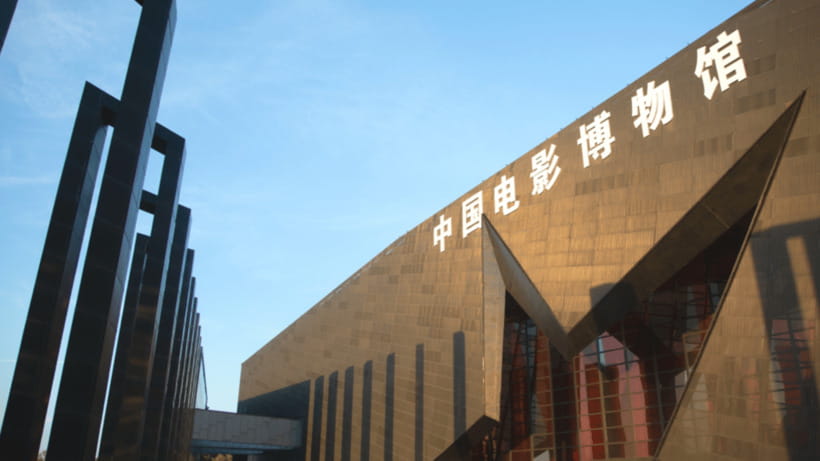
The museum also has six movie halls, designed for large groups, with capacity of over 1,000 people. One of these is an IMAX GT hall.
Your reservation covers entry, but paid movie screenings are not included. That matters because it changes how you plan your 2 hours.
Here’s the decision rule I use for museums like this:
- If the screening schedule lines up with your ticket time, a movie hall can turn the museum from a history walk into an emotional experience.
- If it does not, focus on exhibits and skip the added cost.
Also consider logistics. Movie halls can be time-consuming even when you only plan to “peek.” If you have only 2 hours, choose either:
- a light exhibit run plus one screening, or
- a heavy exhibit run with no screening
If you’re a film fan, a screening can be a satisfying capstone. If you just want the story and context, the exhibitions will already do the heavy lifting.
English guide vs. Mandarin signage: how to stay confident
One of the most important practical realities is language. Even though the entry reservation includes an English version of the textual and visual guide, the museum’s on-site signage and descriptions can be Mandarin-only in places.
So don’t assume you will magically understand everything just by walking in. Instead, use a simple system:
- Keep the English guide open when you reach big sections, especially in the main history exhibition
- Spend your attention on the visuals and the sections that summarize eras and filmmaking stages
- Accept that some smaller text elements may be hard, and focus on the overall timeline you can piece together
If you want a museum experience that feels smooth in English, this still can work, but it asks you to be a bit hands-on. Think of the English guide as your steering wheel.
The value equation: is $4.82 a good deal for this museum?
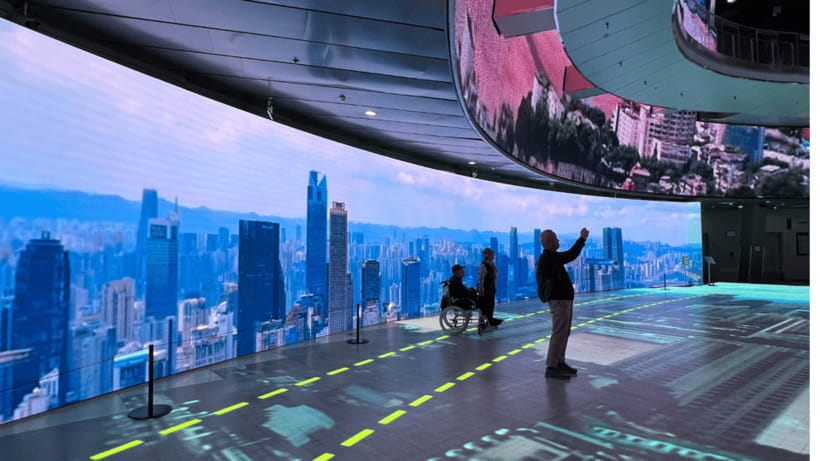
At about $4.82 per person, this entry reservation can be excellent value, mainly because you are not only buying admission. You are also getting:
- Reserved entry (helpful for skipping the ticket line)
- An English textual and visual guide
- A museum built around major exhibitions and screening halls
The price makes sense because you are effectively paying for access plus interpretation support, while the museum’s content does the rest.
What is not included is what usually drives costs up later: paid movie screenings. If you add an IMAX-like screening, your final budget will rise. If you choose to focus only on exhibitions, you can keep the experience close to the initial cost.
For a film-history museum this size, the combination of low price, time-suited duration, and the English guide is what makes it feel like a smart booking rather than just cheap entry.
Who should book this entry, and who should reconsider
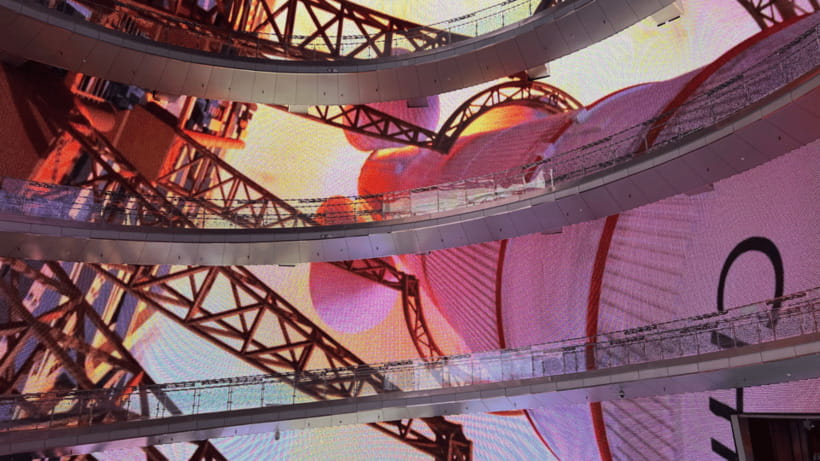
This is a great fit if you:
- love film history and want a structured timeline of Chinese cinema
- enjoy museums where craft and process are part of the story
- like big cultural institutions and can handle some language friction
- want a family-friendly element, since dinosaur displays at exhibition entrances can be a fun break from the serious timeline material
You might want to reconsider if:
- you need a full English live guide to fully understand everything
- you want a visit that is mostly English on walls and screens, not mixed with Mandarin signage
- you only have patience for very small museums and do not like big spaces
In other words, it is not a classic walking tour. It is a museum entry you manage. If you can do that, you will likely enjoy it.
Practical tips to make the 2-hour visit feel easier
To get the most out of this reservation, you can plan around the reality that you are choosing highlights, not completing everything.
A few practical ideas:
- Plan a top-to-bottom flow: start at the first floor theme exhibition, then move upward to the main history floors.
- When you enter the main exhibition, use the English guide to anchor your reading. That prevents you from feeling lost.
- If you want a movie hall, check your timing early and commit. Switching plans mid-visit can eat time.
- Bring your passport and keep the correct QR code ready before you reach the entrance.
Also, be realistic about the museum scale. You will likely remember big themes more than tiny details. That’s normal here.
FAQ
What do I receive with the entry reservation?
You receive entry reservation for the China National Film Museum and an English version of the textual and visual guide.
How long is the visit time window?
The duration listed is 2 hours. Check availability to see starting times.
Do I need a passport?
Yes, you should bring your passport.
How do I enter the museum?
After ordering, you will receive an e-ticket by email or WhatsApp. Use the QR code provided to enter the museum directly.
Is the QR code in the GetYourGuide app valid for entry?
No. The code from the GetYourGuide app is not your entry ticket. Use the QR code sent separately for admission.
Are movie screenings included?
No. Paid movie screenings are not included.
What languages are available for guidance?
An English version of the textual and visual guide is included. The museum information on-site may be in Mandarin.
Can I cancel?
Yes. Free cancellation is available up to 24 hours in advance for a full refund.
Can I pay later?
The option listed is Reserve now & pay later, meaning you can book your spot and pay nothing today.
Is the museum wheelchair accessible?
Yes, it is listed as wheelchair accessible.
Should you book this China National Film Museum entry reservation?
Book it if you want a value-priced, time-friendly way to understand Chinese film history in Beijing, and you are comfortable using an English guide inside a museum where some information may be in Mandarin. The low price helps you focus on the content rather than the cost, and skipping the ticket line keeps your 2 hours from being eaten by logistics.
Skip it only if you want a fully guided English experience with minimal reading effort, or if you are set on movie screenings and are hoping they are included. For most people who like museums and film, this reservation is a smart way to make the museum work within a short visit.
Latest reviews from Beijing
- 11-Day Private China Tour: Beijing, Lhasa, Xi’an and Shanghai★ 5.0 · 5 reviews
- From Beijing: JinShanLing Great Wall Bus Tour with Ticket★ 4.2 · 5 reviews
- Beijing: Jingshan Park Entry Ticket★ 5.0 · 5 reviews
- Beijing: Top Michelin Vegetarian Restaurant Reservation★ 5.0 · 5 reviews
- Beijing Culture Event: Tea Ceremony, Music Show, Calligraphy★ 5.0 · 5 reviews
- Lama Temple, Hutong and Silk & Pearl Market Private Day Tour★ 5.0 · 5 reviews
- Private Great Wall Hiking Tour: Jiankou to Mutianyu★ 5.0 · 5 reviews
- Beijing Golden Mask Dynasty Show With Private Transfer★ 4.8 · 5 reviews
Museums in Beijing, compared.
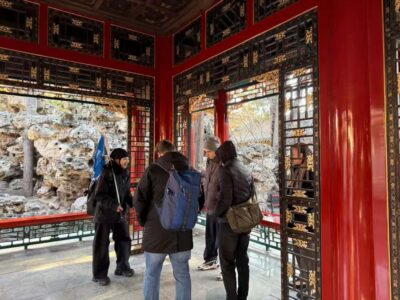
Tianmen Square, Forbidden City & Royal Museum Tours
Read our review →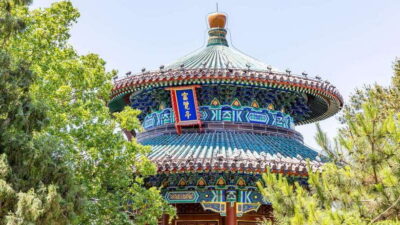
Beijing:Jingshan Park (Palace Museum Garden) Ticket
Read our review →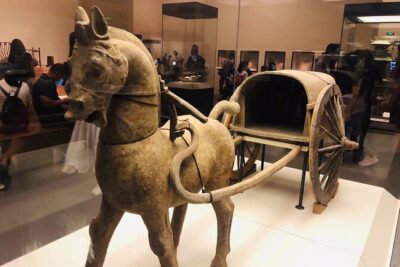
Beijing Half Day: National Museum of China In-depth Tour with Subway Transfer
Read our review →
Beijing’s Forbidden City with Special Viewing of Treasure Gallery and the Great Wall Ruins at Badaling
Read our review →
Lama Temple, Confucius Temple and Guozijian Museum
Read our review →
China National Museum Ticket Pre-booking and Tiananmen Square
Read our review →
4-Hour Private Tour: Lama Temple, Confucius Temple, Guozijian Museum with Dim Sum
Read our review →
JingShan park (palace museum garden) entry ticket
Read our review →Browse the lists this tour appears in