
Reviewed · YANGTZE RIVER CRUISES
China Golden Triangle Cities & Yangtze River Cruise
This tour is interesting because it links two very different China experiences: top imperial sights in big cities, plus a 3-night Yangtze River cruise that slows the pace for real river views. It is also the kind of trip where small details matter, like how you get from airport to hotel, and how your guide manages crowds at major sites.
I especially like the Mutianyu Great Wall plan, with a cable car and optional chairlift and toboggan fun. I also like that the route stays practical, you see Xi’an’s must-dos and then fly to Chongqing to board the cruise, instead of wasting time backtracking. If your Beijing guide is someone like Tina, you can expect steady momentum and lots of answers while you move through crowds.
One possible drawback: the itinerary is tight and transit-heavy, with high-speed trains and flights between regions, so you need to accept shorter sightseeing windows and more time on the move.
Key takeaways before you go
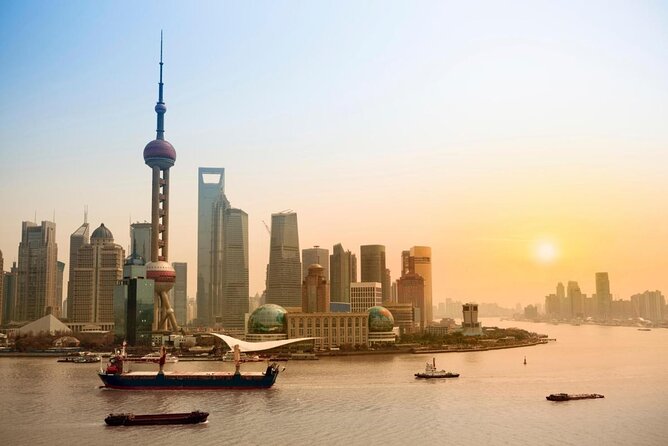
- Mutianyu Great Wall with cable car plus optional chairlift and toboggan to manage effort and keep it fun
- Three Gorges cruise includes a Three Gorges Dam excursion, not just passing views
- Xi’an hits both icons and texture, from Terracotta Warriors to the Great Mosque and Muslim Quarter street snacks
- Shanghai is planned for variety, museum time, Yu Garden area, Huangpu River cruise, and a Bund evening window
- Included guides in multiple cities can make a big difference, and groups have praised guides such as Maggie, Jackie, Tom, and Chris
- Pickup works best when you are proactive, since one past arrival had a guide not waiting as expected
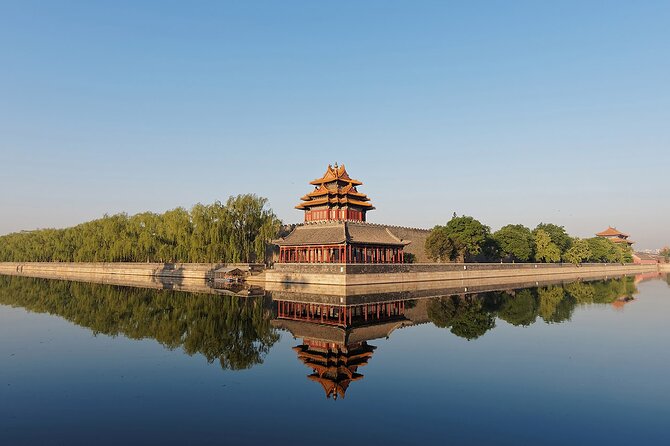
Beijing: Tiananmen and Forbidden City, minus the stress
Beijing starts with a simple, useful setup. After you arrive, a professional guide meets you at the airport holding a sign with your name, then you transfer to the hotel and get checked in. After that, you can rest or do your own thing before the big sights begin.
On your Tiananmen Square day, you get a short, focused stop. Tiananmen Square is huge and often busy, but the time on-site is designed to help you register what you are seeing, without turning it into an all-day endurance test.
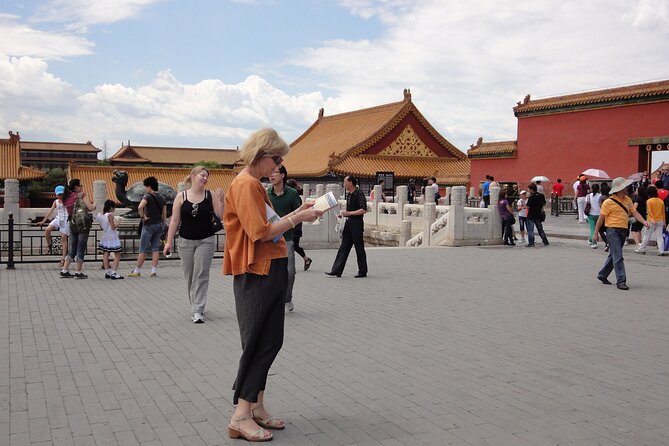
Then comes the Forbidden City, and this is where pacing matters. You get a proper block of time (at least 2 hours) because the Palace Museum is not something you can skim. You’ll want comfortable shoes, and you’ll want to pick a few areas to focus on so your visit feels meaningful instead of like a checklist.
One lunch break helps too. The tour includes an a la carte lunch at a famous local restaurant, valued at CNY150 per person. That is one less thing for you to plan when jet lag or crowds make decision-making harder.
More Yangtze cruises:
- 14-Day Small-Group China Tour: Beijing, Xi’an, Guilin, Yangtze Cruise, Shanghai
★ 5.0 · 15 reviews - 14-Day Small-Group Tour to Beijing, Xi’an, Chengdu, Yangtze, Chongqing, Shanghai
★ 5.0 · 8 reviews - 15-Day Classic China Tour with Yangtze Cruise
★ 5.0 · 6 reviews
Temple of Heaven, Lama Temple, and the best kind of variety
Beijing is more than one mega-site per day, and you’ll feel that balance in the second half of Day 2. The Lama Temple (Yonghegong) is a solemn imperial lamasery, with a mix of Han, Mongolian, and Tibetan influences. It is not just pretty architecture, it is also a change of pace from the strictly imperial mood of palaces and squares.
Then you move to the Temple of Heaven, where emperors worshiped. Even if you do not know every detail, the setting helps. You see why this place mattered, because it is built around ceremony and atmosphere. The included time is long enough to look up, walk through, and not feel rushed.
This section of the tour works well for most people because it gives you a rhythm: one “big wow” cultural site, one more atmospheric religious site, and then a return to the city with the day still feeling manageable.
Also, the tour includes an a la carte lunch and multiple entrance fees. That matters in Beijing, where tickets and entry lines can turn a good day into a chaotic one if you are managing it yourself.
Mutianyu Great Wall, Bird’s Nest photos, and hutongs by rickshaw
If you came to China for the Great Wall, Mutianyu is a strong choice. The tour takes you to Mutianyu by vehicle, and you get a round-trip cable car, which is a big deal if you do not want to spend the whole day climbing up and down.
Once you are on the wall, the experience becomes the point. You can look out and feel the scale, and you can choose how much effort you want. There is also an option mentioned for a chairlift up and a toboggan down, which is one of those activities you will either love a lot or wish you had tried sooner.
On the way back, you stop for quick photos at the National Stadium area, including the Bird’s Nest from the 2008 Olympics. It is brief (about 20 minutes), but that is enough for a photo and a reality check that you are in Beijing now, not just looking at postcards.
Then the tour shifts into local Beijing with a hutong rickshaw tour. Hutongs are traditional alley neighborhoods, and the rickshaw format can help you glide through narrow streets without exhausting yourself. There is even a chance to visit a local family, which adds human context, not just architecture.
I like this combination because it spreads your Great Wall “peak” across the day. You do not jump from palace to stadium to wall without a break. You get big views, then local texture.
Summer Palace and the high-speed hop to Xi’an
The Summer Palace is a great follow-up to Tiananmen and the Forbidden City because it feels different. It is a royal resort, and it helps reset your brain after days of stone, ceremony, and strict layout. Your time here is about 2 hours with entrance included, so it is enough to stroll key areas and take in how the royals treated leisure as a form of power.
Then, you transition to Xi’an with a high-speed train. This is a practical moment in the trip. Flying or train connections can be stressful, but high-speed rail usually means less airport hassle and more predictable timing than long domestic drives.
On arrival in Xi’an, you check in at a well-selected hotel with a local professional guide waiting. That handoff is exactly what makes multi-city tours feel smooth instead of like you are constantly rebuilding your plans.
Also, this tour includes a one-way economy flight from Xi’an to Chongqing later. So the sequence of rail and air is set up to keep the river part of the itinerary from becoming a timing headache.
A different sort of day out of Beijing:
- From Beijing: Mutianyu Great Wall Tours with Options
★ 4.9 · 9,216 reviews - Beijing: Forbidden City Tour(Group/Private)-Tickets Included
★ 4.8 · 7,974 reviews - Beijing: T-Square & Forbidden City Group or Private Tour
★ 4.8 · 4,446 reviews - All-Inclusive Tour: Tiananmen Square, Forbidden City, Great Wall
★ 5.0 · 2,873 reviews
Terracotta Warriors, mini clay warrior making, and Tang-era vibes in Xi’an
Xi’an’s signature stop is the Terracotta Army Museum. You do not just see statues. You see pottery soldiers and horses arranged as if they are protecting an emperor’s tomb. There is also time at the home of the first discoverer of the Terracotta Army, plus a hands-on activity where you make a mini clay warrior with a local artisan.
I like hands-on touches in big historical cities because it gives your brain a break from constant looking. It also helps you remember what you saw. Even if your clay warrior looks more like an abstract art experiment, you will still leave with the story behind it.
After that, you head to the Big Wild Goose Pagoda. It was built to store Buddhist scriptures brought from India during the Tang dynasty. The included time is about an hour, which is enough for photos and a calm walk through the area.
Then comes the Grand Tang Dynasty Ever Bright City for a short, free-time-style wander. The point here is less “tour guide speech” and more feeling the place. You can see people in traditional-style costumes and watch the pedestrian street energy.
Xi’an City Wall walk, Great Mosque, and the Muslim Quarter food pause
The Xi’an City Wall day is one of those “choose your effort” experiences. You start at the City Wall Park to get context, then you ascend the wall and walk around. This is a history lesson you can feel under your feet.
There is also an option to rent a bicycle on the wall, but that is at your expense. The nice part is that you still get the core experience even if you stick to walking.
Next is the Great Mosque of Xi’an, described as blending Chinese and Islamic cultures. The tour notes it is said to be the only Islamic mosque in Chinese style in the world, and that kind of claim is worth paying attention to when you see it, because you will notice the architectural language shifting around you.
Then you spend time in the Muslim Quarter. This is the part where you can slow down and eat what you like. The tour makes room for you to stroll, snack, and soak up the street rhythm, without turning food into a rushed add-on.
Chongqing, panda time, Ciqikou Village, and boarding the ship
On the way to the river, the tour does a smart transition: you fly to Chongqing, then you start with light sightseeing before you board.
Chongqing includes pandas and a visit to Ciqikou Village, an ancient village known for old folk houses from the Ming and Qing dynasties. You also get the snack angle, because the tour explicitly calls out spicy local foods. This is a good place to satisfy curiosity about how people eat and live, before your schedule becomes “river time.”
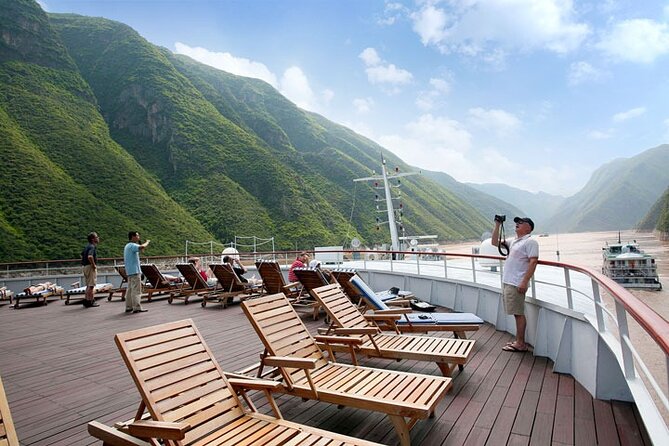
Then you transfer to board the cruise ship. As you depart Chongqing, the relaxed part begins. You also get a safety, orientation, and river briefing early on, which helps you understand what you will see and what the day-by-day rhythm will look like while you are on board.
This cruise includes full board, and the package lists breakfasts, lunches, and dinners across the trip. You also get two bottled waters per person per day, which is small but genuinely useful during sightseeing days.
Also, there is a Captain’s Welcome Party mentioned during the Shuanggui Mountain day, with Chinese folk dancing and music. It is not required, but it is a fun morale boost after travel days.
Shuanggui Mountain and your first big “river day”
Day 8 starts with the briefing and then heads to Chongqing Shuanggui Mountain and Shuangguishan National Forest Park. This is not another museum stop. It is a break into nature and viewpoints, which matters because the Yangtze cruise can otherwise feel like constant movement through ports and shore excursions.
The tour also lists time for Chinese folk dancing and music around 18:00, so expect a scheduled moment of onboard entertainment. If you like that kind of group energy, it will feel welcoming. If you do not, you can still enjoy the day and just treat it as optional.
The Shuanggui Mountain excursion is also about pacing. You get a half-day block, then your day flows into the next river segment. That spacing is helpful if you prefer a trip that moves with a rhythm instead of one that compresses everything into long, exhausting days.
Qutang and Wu Gorge, Shennong Stream, and the boat ride you’ll remember
This is where the tour earns its name. On your main Three Gorges cruise day, you sail through Qutang Gorge and Wu Gorge, with descriptions of sharp peaks and misty rocky shapes.
Then you disembark for an excursion to the Shennv (Shennong) Stream. The highlight here is the boat ride: a small motor boat that gives you speed and a close-up view of mossy rocks, plants, and local wildlife in the stream area. The tour also mentions a drift style experience and then continuing through the western section of Xiling Gorge after the excursion.
I like that the tour does not only promise “views from the ship.” You actually get onto a smaller craft and feel the scenery up close. If you are used to city tours, this is the kind of change that makes a multi-city trip feel balanced, not just packed.
One caution: boat rides and short excursions can be affected by weather and river conditions, so plan to go with the flow. You can enjoy it more when you stop thinking of the cruise as a photo shoot and treat it as a day out.
Three Gorges Dam excursion, then train to Shanghai
After you pack your luggage and complete check-out procedures, you head to the Three Gorges Dam Project excursion. This is a major stop because it shifts your river experience from scenery to engineering. You get a dedicated block of time for this, which helps you connect what you are seeing in the gorges with what was built to manage the river.
Then you move onward to Shanghai. The cruise company drives you to the Three Gorges Tourist Center in Yichang, and then a local guide escorts you to the high-speed train for Shanghai. You check in at the hotel after you arrive, which keeps the transition from “ship day” to “city day” from turning into a logistical nightmare.
If you prefer not to lose whole afternoons to travel, this sequencing helps. You are not stuck in a port until late, and you reach Shanghai with enough energy for at least one full sightseeing day next.
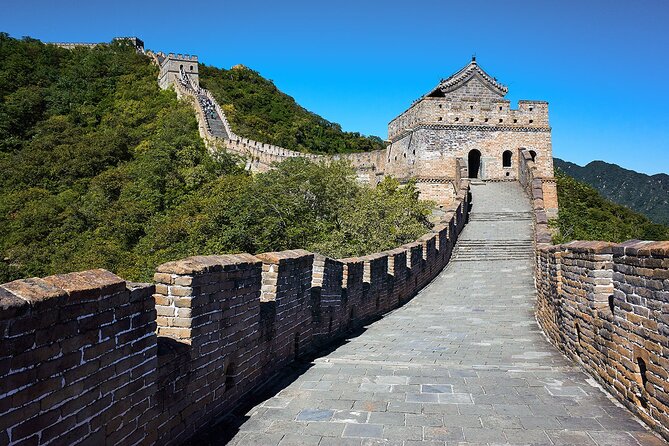
Shanghai Museum, Yu Garden, Huangpu River cruise, and the Bund moment
Shanghai on this trip is planned like a sampler menu: art, gardens, river views, and the most famous skyline walk.
The Shanghai Museum is first. The tour describes it as one of the largest museums in China, focused on art from ancient times. You get about 2 hours, which is enough for a meaningful visit without turning it into “museum fatigue.”
Then you head to Yu Garden and the nearby bazaar area. The tour calls out the Nine Zigzag Bridge and the elegant pavilions, plus the idea of traditional design you can walk through slowly. A mid-day a la carte farewell lunch is included and valued at CNY150 per person, which is nice after a busy day of moving between neighborhoods.
You also get a one-hour cruise along the Huangpu River. This helps you see the city from a different angle. Then you get free time on the Bund, which is a must for many first-timers to Shanghai, because it is such an easy place to orient yourself visually.
Finally, Tianzifang closes the day, described as a cultural street with artsy stores and bars and restaurants. The key word here is optional exploration. You can use it to unwind instead of cramming in one more major ticket site.
What you pay, what you get, and what to budget separately
At about $3,139 per person (12 days approx.), this tour is priced as a full package: hotels in twin-sharing rooms, a cruise cabin, major entrance fees, a professional guide, an experienced driver, air-conditioned transport, and domestic transport including high-speed trains and a flight.
That mix is where the value comes from. Paying for entrance fees and guides across multiple cities saves you a lot of planning friction. You also avoid the risk of doing the Great Wall and Terracotta Warriors with the wrong timing or poor crowd strategy.
Meals are also partly handled for you. The tour lists breakfast (11), lunch (5), and dinner (2) included. Plus, the cruise itself is full board. That reduces your daily budget stress.
What to budget separately is also clear: China visa fees, international flights, and gratuities for guides and drivers, recommended but not included. If you like to tip well, you should factor that in early so you are not scrambling at the end.
One more practical cost note: optional activities exist, like renting a bicycle on the Xi’an City Wall. You will want to keep some spending money ready for those extras.
Also, you can get pickup and transfers, which helps when jet lag is real. One past group issue involved a guide not being waiting on arrival even after contact, so the practical takeaway is simple: keep your arrival details and messaging ready, and verify the pickup location and timing shortly before you land.
Who this tour suits best, and who should think twice
This works best if you want a guided “greatest hits” China plan with real structure. You’ll like it if you enjoy iconic landmarks but also appreciate some local texture, like hutongs by rickshaw, Muslim Quarter snack time, and a garden and bazaar break in Shanghai.
It also suits people who do not want to negotiate trains and tickets between cities. The routing is built around high-speed rail where possible, and flights when it keeps the river portion from becoming a long overland slog.
Who might think twice: if you want lots of downtime, you may find the pace intense. The itinerary mixes big sights with frequent city changes, so you need to accept that you are spending time moving as well as seeing.
Also, double-check the Lhasa question. The tour description mentions Beijing, Xi’an, Lhasa, and Shanghai, but the day-by-day schedule provided here focuses on Beijing, Xi’an, Chongqing/Yangtze, and Shanghai. Before you book, confirm whether Lhasa is included in your exact departure dates.
Should you book this Golden Triangle and Yangtze combo?
If your priority is to see the headline sights with a guide who keeps things organized, I think this is a strong option. The Mutianyu Great Wall, the Terracotta Warriors with hands-on clay making, and the Yangtze cruise with Three Gorges Dam plus Shennong Stream boat time form a trip that feels more balanced than a simple city hopping tour.
But if you hate travel days and prefer slow mornings, you might want a more relaxed plan. This one is efficient, not laid-back.
My rule of thumb: book it if you want structure and variety, and you are okay with moving between places quickly. If you want a slower, deeper dive into just one region, then you would likely be happier with a single-city or single-region focused trip.
FAQ
How long is the tour?
The tour is listed as 12 days approximately.
What parts of the trip are on trains and flights?
It includes one-way high-speed train fare Beijing to Xi’an, and Yichang to Shanghai. It also includes one-way economy airfare from Xi’an to Chongqing.
Is the Yangtze River cruise 3 nights?
Yes. The itinerary includes a 3-night Yangtze River cruise.
Are entrance fees included?
Yes. The tour notes that entrance fees are included as part of the sightseeing program.
What meals are included?
The package includes breakfast 11 times, lunch 5 times, dinner 2 times, and full board during the Yangtze River cruise. Two bottled waters per person per day are also included.
What is the starting meeting point and time?
The start is Capital Airport Shunyi, Beijing 101300, China, with a start time of 9:00 am.
Is it refundable if you cancel?
No. This experience is non-refundable and cannot be changed for any reason.
Latest reviews from Beijing
- 11-Day Private China Tour: Beijing, Lhasa, Xi’an and Shanghai★ 5.0 · 5 reviews
- From Beijing: JinShanLing Great Wall Bus Tour with Ticket★ 4.2 · 5 reviews
- Beijing: Jingshan Park Entry Ticket★ 5.0 · 5 reviews
- Beijing: Top Michelin Vegetarian Restaurant Reservation★ 5.0 · 5 reviews
- Beijing Culture Event: Tea Ceremony, Music Show, Calligraphy★ 5.0 · 5 reviews
- Lama Temple, Hutong and Silk & Pearl Market Private Day Tour★ 5.0 · 5 reviews
- Private Great Wall Hiking Tour: Jiankou to Mutianyu★ 5.0 · 5 reviews
- Beijing Golden Mask Dynasty Show With Private Transfer★ 4.8 · 5 reviews
Yangtze River Cruises, compared.
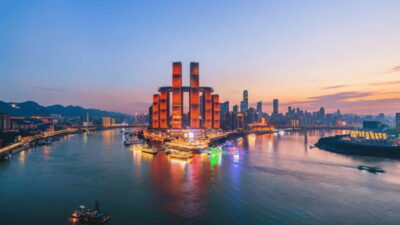
Two Rivers Night Cruise- Yangtze & Jialing Rivers
Read our review →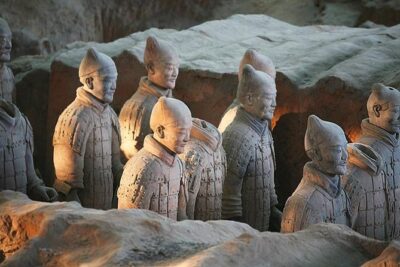
14-Day Small-Group China Tour: Beijing, Xi’an, Guilin, Yangtze Cruise, Shanghai
Read our review →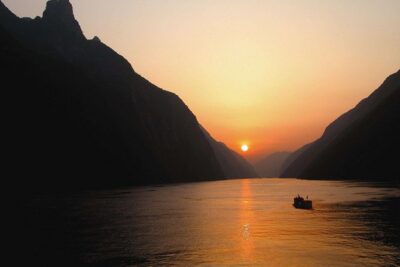
Yangtze River Cruise from Yichang to Chongqing Upstream in 5 Days 4 Nights
Read our review →
4D3N Yangtze River Cruise: Chongqing to Yichang by Century Cruise
Read our review →
Chongqing Yangtze River Cruise and Illuminated Night Tour
Read our review →
4D3N Yangtze River Victoria Cruise: Chongqing to Yichang
Read our review →
Yangtze River Cruise from Chongqing to Yichang Downstream in 4 Days 3 Nights
Read our review →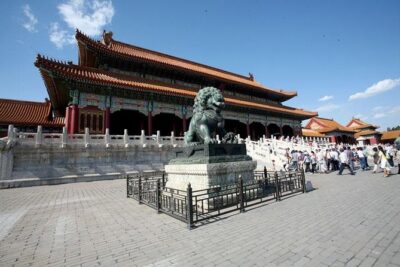
14-Day Small-Group Tour to Beijing, Xi’an, Chengdu, Yangtze, Chongqing, Shanghai
Read our review →Browse the lists this tour appears in