
Reviewed · HISTORICAL TOURS
Shanghai Propaganda and History Walking Tour
This is the kind of Shanghai tour that makes you slow down and look at the city with new eyes. It blends political history with two very different sites, then walks you through the classical French Concession streets where the past still shows through.
I like that the poster museum is not just a photo-op. You get context for why the images were made, what they were trying to do, and how that messaging shaped everyday life. I also like that the guide connects the museum themes to real people, then follows it up with a stop at the Soong Ching-ling residence. One thing to keep in mind: this is a walking tour with a museum visit, so plan on being on your feet for a good chunk of the 3 hours and wear comfortable shoes.
Key Things You’ll Notice on This Shanghai Walk
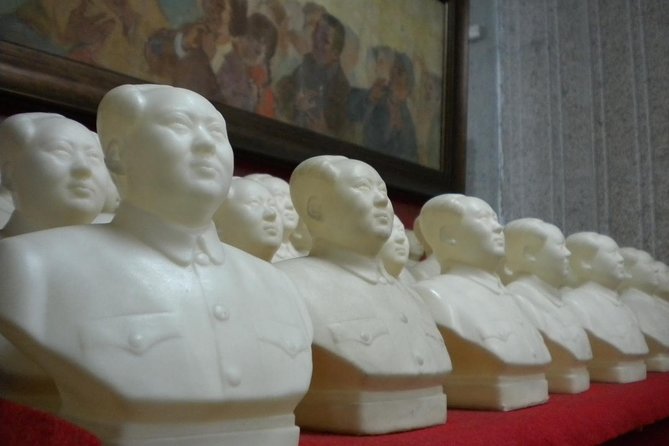
- Propaganda Poster Art Center with over 6,000 original posters from the 1940s to the 1990s
- Soong Ching-ling Memorial Residence tied to Dr. Sun Yat-sen and the shift into early communist-era China
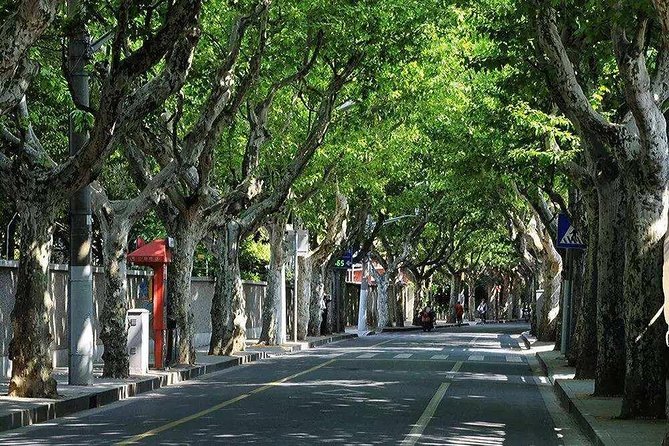
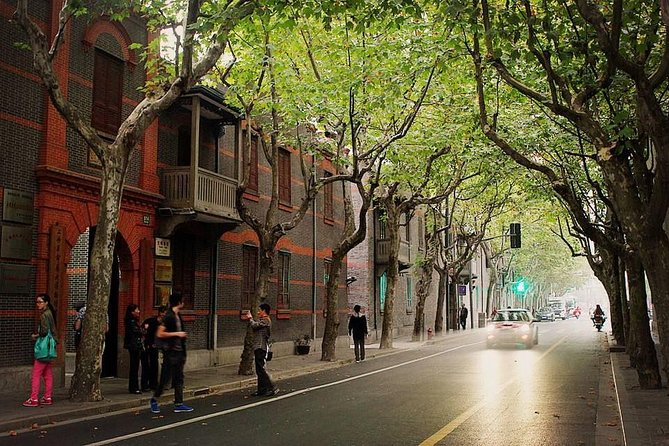
- Wukang Road walk (about 1.2 km) through one of Shanghai’s best-preserved European-style streets
- Small group size (max 15) keeps questions from getting lost
- Entrance fees included, plus snacks with Chinese wonton soup
- English guide with live storytelling, not just audio facts
Why This Tour Works: Posters, People, and the Streets Between
If you only see Shanghai through skyscrapers and river views, you can miss a big part of how modern China learned to tell its story to the public. This tour leans into that idea. You spend the first hour inside a museum devoted to propaganda posters, then you meet a real historical figure through her former residence, and you finish with a walk through a neighborhood where the architecture reflects Shanghai’s layered history.
I also like that it does not treat politics as an abstract topic. The museum collections focus on the messaging itself, but the guide is there to explain what you are looking at and why it mattered. Then, at the Soong Ching-ling site, you get a human anchor: her life, her work, and how that connects to the Republic and the early communist period.
The practical payoff is that you get history in three different formats:
1) what posters tried to communicate,
2) what a prominent person’s home can show, and
3) what a street can tell you just by walking it.
More Historical Tours in Shanghai
- Tour of Jewish Shanghai led by a Jewish History Expert
★ 5.0 · 106 reviews - 4-Hour Private Shanghai Art and History Tour
★ 5.0 · 8 reviews - Private Full Day Tour: Shanghai Colonial History Tour
★ 5.0 · 6 reviews
Stop 1: Shanghai Propaganda Poster Art Centre (Jiangsu Road Metro Area)
The tour starts at Jiangsu Road Metro Station. From there, you head into the former French Concession area to visit the Shanghai Propaganda Poster Art Centre, a private museum with over 6,000 original propaganda posters spanning the 1940s to the 1990s.
What makes this stop more interesting than most history museums is that propaganda is visual, direct, and often very specific. You are not just reading about political campaigns. You are looking at the artwork and layout choices and trying to understand the message they were designed to deliver. The museum covers Chairman Mao’s era, plus the political movements during the New China period.
There is also a nice origin story here: the museum was founded by Yang Pei Ming, who began collecting posters as a hobby back in 1995. That detail matters because it helps you understand the museum as something built from passion and long-term collecting, not just a temporary exhibit.
What you’ll likely focus on inside the museum
You can expect the guide to help you interpret what you see. On this kind of tour, the storytelling is the point. You will typically spend about 1 hour at the museum with admission included.
If you are the type of traveler who likes context, this is a strong fit. Propaganda posters can look repetitive at first, but once someone explains the themes and the time periods, you start noticing patterns in the characters used, the slogans, and the way the posters tried to guide public behavior.
The main drawback to plan for
Museums are quieter and more static than streets. If you prefer lots of outdoor time, this first stop may feel more dense. The good news is that you have a guide, and you are only there for about an hour, so it does not drag.
More Walking Tours in Shanghai
- Shanghai City Guided Walking Tour | China’s 1st and Best Rated
★ 5.0 · 285 reviews - Shanghai Breakfast Walking Tour of Former French Concession
★ 5.0 · 139 reviews - Private Shanghai Evening Street Food Walking and Cruise Tour
★ 5.0 · 123 reviews - Shanghai: Evening Walking Food Tour
★ 4.9 · 115 reviews
Stop 2: Soong Ching-ling Memorial Residence and the Human Side of the Era
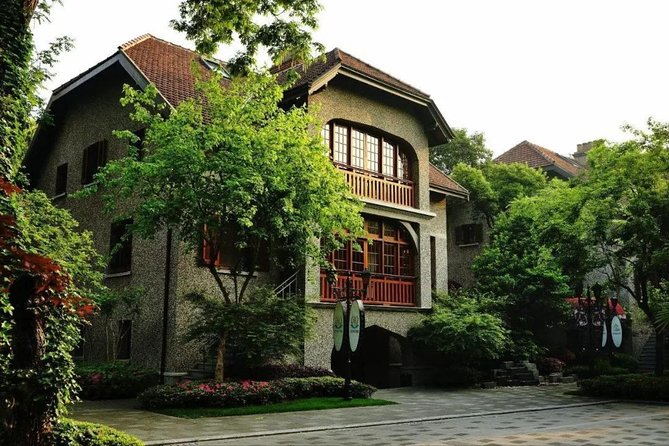
After the museum, you move to the Soong Ching-ling Memorial Residence, a site nearby in the same general area. This is the former residence of Soong Ching-ling, who was the wife of Dr. Sun Yat-sen.
Inside the house, the emphasis is on her life achievements and what her personal story can reveal about the wider shifts in China during the Republic and the early communist period. For a lot of people, this is where the tour clicks. The posters show the message sent to the public. The residence gives you a person and her path through a turbulent time.
You should expect this stop to take about 2 hours total on the second part when you include the time spent walking afterward. Admission is included, so you can focus on understanding rather than ticket logistics.
Why this stop changes the mood
Propaganda messaging can feel heavy. A residence like this is different. It slows everything down. You are looking at a home setting and life achievements, which naturally leads to questions like: what did people do day to day, and how did politics connect to personal responsibilities?
The tour framing also points you toward empathy, including the hardships ordinary people faced while still hoping for a better future. Even if you do not agree with how any regime used media, you still come away with a clearer sense of what people were dealing with.
The local food break: wonton soup
Between the historical stops, the guide takes you to a local shop for a bowl of Chinese wonton soup. This is one of those simple inclusions that makes the tour feel less like a checklist.
It also helps you stay grounded. You are seeing institutions and political messaging, then you are eating something basic and comforting in a local setting. You do not have to hunt down a meal on your own during the middle of the afternoon.
The French Concession Walk: Wukang Road for About 1.2 km
After the residence stop and the food, you walk along Wukang Road for about 1 mile (1.2 kilometers). This part is designed to be pleasant, not just educational. The goal is to show you one of Shanghai’s best-preserved European-style streets, with historical buildings lining both sides.
This is where the tour gives you a contrast. You move from the museum’s graphic political imagery into neighborhood architecture shaped by foreign presence and Shanghai’s global connections. Even if you are not into architecture, walking a street like this makes the city feel more real. You start noticing details you would normally skip.
What to pay attention to while walking
Since the tour is guided, you can use the explanation as your lens. When the guide points out building styles and street character, you get a quick tutorial in how Shanghai’s past physical layout influenced what life looked like in different periods.
Also, this is one of the few chances you get on a short walking tour to slow down in a specific, walkable area rather than just crossing between stops.
Guide and Group Size: How the Tour Stays Personal
This is an English-language tour led by a professional guide. The group size is capped at 15 travelers, which matters more than you might think on a history-focused walk. With smaller numbers, you can actually ask questions about specific posters, time periods, or what you just saw in the residence.
One name that came up in strongly positive experiences is Alana. In at least one case, she was praised for explaining both the posters and the bigger story across the walk. You also get a sense that the operator communicates quickly after booking, including guide email follow-up even when booking is made shortly before the date.
If you tend to get impatient with “speed-run history” tours, the small group size and the guide-led explanations are exactly what keep this from feeling like a lecture.
Timing and Pace: What 3 Hours Feels Like in Real Life
The total duration is about 3 hours, and the structure is tight but not rushed:
- Start at 1:00 pm from Jiangsu Road Metro Station
- Museum first for about 1 hour
- Residence and then a food stop
- A Wukang Road walk of about 1.2 km
- End at Soong Ching-ling Former Residence (North Gate) on Huai Hai Zhong Lu
From a planning standpoint, this timing is good for an afternoon start. You avoid the early-morning fatigue, and you also do not tie up your whole day. It also ends at a major location, which usually makes it easier to continue exploring nearby without backtracking.
Wear comfortable shoes. You will walk, and you will also spend time standing or moving inside the museum and residence spaces.
Price and Value: Is $73.60 a Good Deal?
At $73.60 per person for a 3-hour guided experience, the question is not just whether it is affordable. It is whether you get value beyond a simple walk.
Here is what you get for the money:
- English tour guide
- All entrance fees included
- Free snacks included, including wonton soup
- A guided, story-driven walk through multiple historically relevant places
- Small group size (max 15)
- Mobile ticket
- A centrally located meeting point near public transportation
For many Shanghai tours, entrance fees and meals can quietly add up. Here, they are bundled in. That makes it feel more like a planned experience than a pick-and-choose day.
The only cost you are really taking on is your time and shoe wear, not a pile of extra tickets or separate meal planning.
Who This Tour Fits Best (And Who Might Want Something Else)
This tour is a good match if you:
- want a meaningful change of pace from Shanghai’s classic sightseeing circuits
- like learning history through the way it was presented to the public, not just through dates
- enjoy guided interpretation, especially for complex topics
- want a short, structured afternoon plan
It might be less satisfying if you:
- prefer purely scenic walks with minimal political or museum time
- dislike museums or indoor explanations
- are hoping for a long, slow, fully immersive experience (this one is tightly timed)
Also, it is listed as most travelers can participate, with children needing to be accompanied by an adult. Service animals are allowed.
What to Bring, How to Prepare, and How to Get More Out of It
You do not need special travel gear, but you will get the most from it if you show up ready to pay attention.
Bring:
- comfortable shoes (the walking and museum movement matter)
- water if you get thirsty easily (the included food is a plus, but you still may want extra)
- a curious mindset
Helpful prep:
- Go in expecting that propaganda posters are designed to persuade. Even if you disagree with the message, you can still study how the communication works.
- In the residence, be ready for a more personal, human timeline rather than pure political slogans.
Most of all, let the guide do the heavy lifting. This tour is built around explanations, and the best moments tend to come when you connect the images to the era.
Should You Book This Shanghai Propaganda and History Walking Tour?
Book it if you want a smart, tightly organized afternoon that teaches you how China’s political story was communicated to the public, then grounds that story in a real person and a real neighborhood.
Skip it if your idea of a great Shanghai day is mostly outside, mostly scenic, and mostly free of museums. This one spends meaningful time indoors, and the themes are political and historical.
If you are on the fence, here is the simple decision rule: if posters and the way they shape public life interest you at all, this tour is strong value because entrance fees and a meal are included and the small group setup makes the history easier to absorb.
Latest reviews from Shanghai
- Shanghai to Beijing Bullet Train Ticket with Hongqiao Station Transfer★ 5.0 · 5 reviews
- Hangzhou Private Day Trip by Bullet Train from Shanghai★ 4.5 · 5 reviews
- Shanghai Era Theatre Acrobatics Show Ticket★ 5.0 · 5 reviews
- Online Cooking Class Fried Rice by Sunflower Li★ 4.5 · 5 reviews
- Shanghai in a Day: A Whirlwind Tour of the City’s Highlights★ 5.0 · 5 reviews
- Zhouzhuang and Tongli Water Town Private Transfer Service from Shanghai★ 5.0 · 5 reviews
- Shanghai Hongqiao Airport To Shanghai Hotel:Private transfer with Meet service★ 5.0 · 5 reviews
- Private Shanghai City Day Tour with Best Highlights and Shopping★ 5.0 · 5 reviews
Historical Tours, compared.

Beijing Historical Tour II including Summer Palace, Lama Temple & Panda Garden
Read our review →
Beijing Historical Tour I – Forbidden City, Tiananmen Square & Temple of Heaven
Read our review →
Tour of Jewish Shanghai led by a Jewish History Expert
Read our review →
Beijing Historic City Guided Walking Tour + Calligraphy Creation
Read our review →
All inclusive Two-Day Xi’an private Heritage Tour
Read our review →
Xi’an Full Day Sightseeing Tour – Shaanxi History Museum, Big Wild Goose Pagoda, Ancient City Wall
Read our review →
Shenzhen History , Culture & Scenic + (Drone Delivery) tour
Read our review →
Private Historical Tour: Guangzhou City Sightseeing Including Lunch
Read our review →Browse the lists this tour appears in