
Reviewed · MUSEUMS IN BEIJING
Beijing: National Art Museum of China Entry Reservation
A pre-booked entry reservation for the National Art Museum of China is a smart way to see Beijing’s art side without wasting time at the ticket counters. You get a timed window, then about two hours to explore modern and contemporary Chinese art, plus traditional forms like ink and calligraphy.
I love how self-paced this visit feels. No group shuffle. No rush forced by a script. Just you, your interests, and a museum with enough variety to keep you busy for the whole 2 hours.
Two other things I really like: the museum’s mix of modern works with traditional ink, sculpture, and calligraphy, and the fact that you get an English version of the textual and visual guide. One possible drawback is simple timing, you need to match your visit to the start times shown when you check availability.
Key things to know before you go
- Timed entry for a smooth start, designed to help you get in without line stress
- English textual and visual guide so you can follow the art, not just look at it
- Modern and contemporary Chinese art plus traditional ink, calligraphy, and sculpture
- Self-paced exploration with about 2 hours to move at your speed
- Redeeming at the ticket office is described as straightforward, so plan a quick stop after arrival
The big reason this works: art without the hassle
Beijing is great for big-ticket sights, but sometimes you want something calmer and more personal. This experience is basically built for that. You pre-book an entry reservation, show up during your window, and then enjoy the museum on your own schedule.
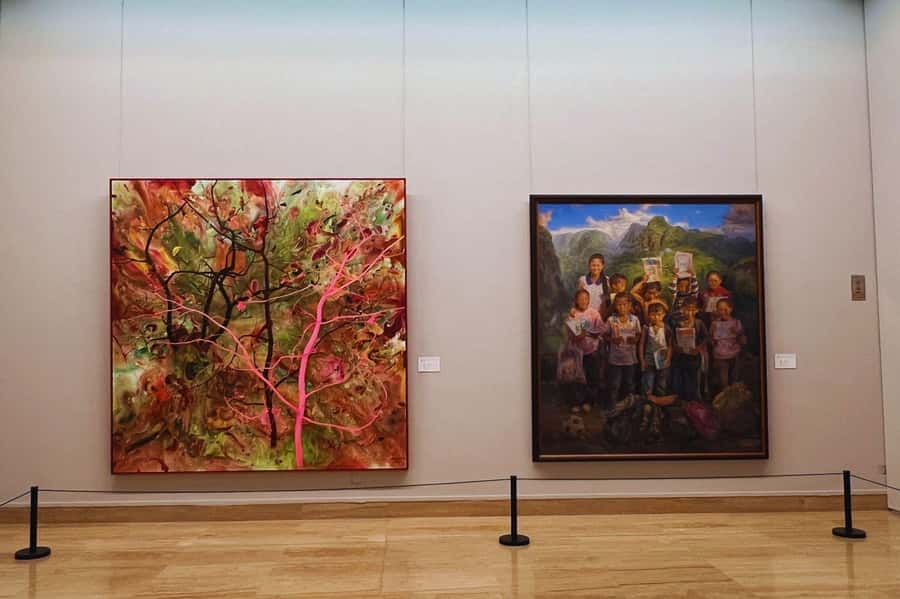
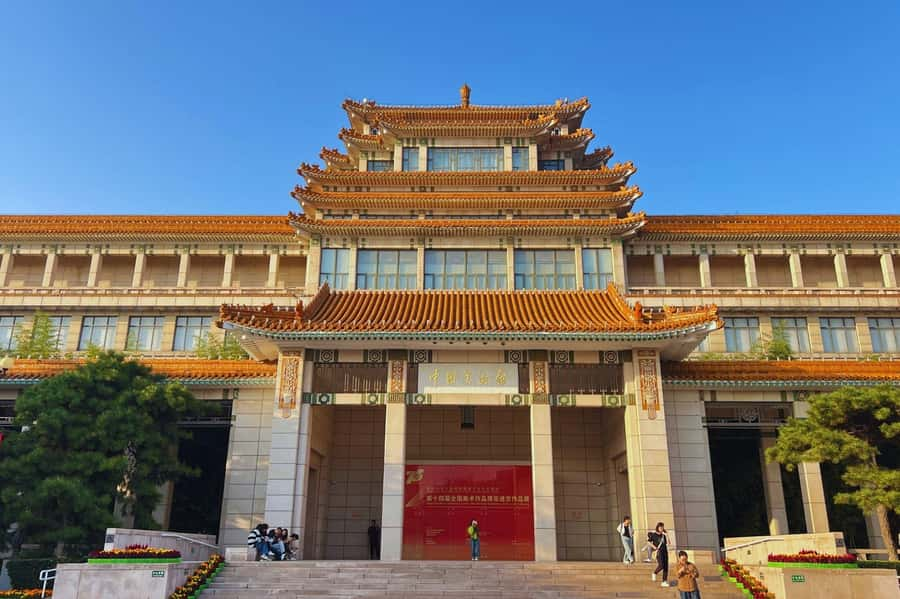
The National Art Museum of China (NAMOC) is one of China’s top art institutions. It holds a massive collection, over 100,000 pieces, spanning modern and contemporary Chinese art as well as older traditions like ink paintings, calligraphy, and sculpture. Even if you are not a hardcore art person, the sheer range makes it easier to find something that clicks.
And the practical side matters. This reservation is set up so you can skip the ticket line, which is a big deal when you are trying to fit a museum into a busy Beijing day. A short, efficient start buys you more time to actually enjoy what you came for.
More Museums in Beijing
Entering NAMOC with a reservation (and using the time wisely)
You book an entry reservation, then you choose a time slot based on available starting times. The visit window is listed as 2 hours, which means you should plan your arrival so you can settle in and still have a good chunk of time to see what you want.
What you will do when you arrive is simple. You bring your passport or ID card, then redeem your reservation at the ticket office to enter. Reviews specifically mention that redemption is easy at the ticket office, so you should not expect a complicated process once you are there.
Because this is timed, your best move is to treat those two hours as art “quality time,” not a museum marathon. NAMOC is enormous, so trying to see everything is a fast track to burnout. Instead, pick a couple of themes before you go. For example:
- Follow the story of Chinese art as it shifts from traditional techniques to modern expression
- Focus on ink, calligraphy, and sculpture if you love hands-on artistry
- Or center your time on modern and contemporary works if you want a more current vibe
That small planning step helps you make the most of the 2-hour slot.
The museum experience: a self-paced visit that fits your taste
Once inside, the key word is self-paced. You are exploring at your own speed, which is great at NAMOC because people connect with art differently. Some visitors will want to slow down and read labels. Others want to move fast and let themes emerge visually.
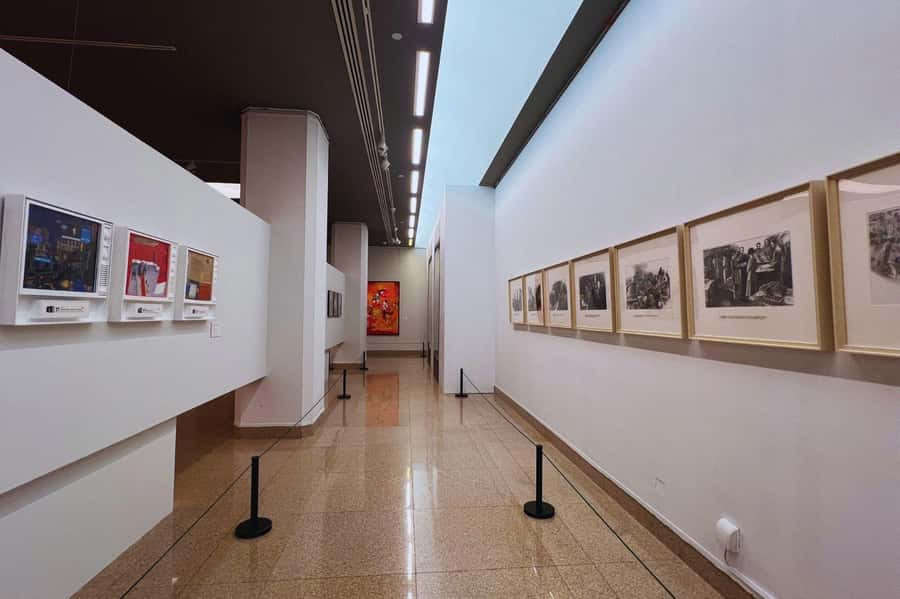
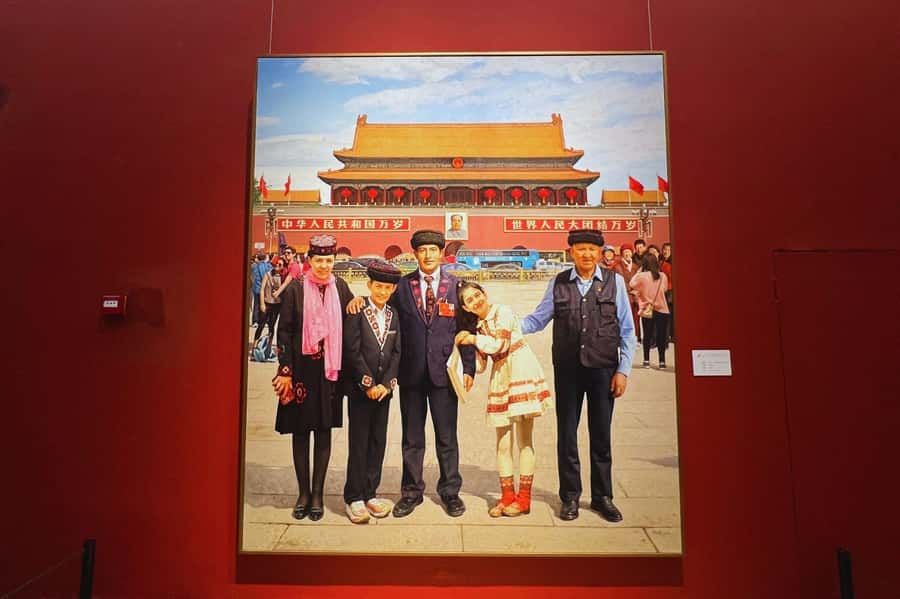
You will likely find a lot of works grouped across eras and styles. NAMOC is known for housing modern and contemporary Chinese art, and it also includes traditional works such as ink paintings, sculptures, and calligraphy. That blend is part of the value here. You do not have to choose one lane.
How to structure your time (without overthinking it)
Since you only have about 2 hours, I’d use a simple plan:
- First pass: get your bearings and spot what grabs you most
- Second pass: return to the works or areas you care about and spend more time reading
- Final stretch: catch the most impressive pieces you may have missed during the first pass
This approach keeps you from wandering aimlessly, but it still respects the self-paced format.
A different sort of day out of Beijing:
- From Beijing: Mutianyu Great Wall Tours with Options
★ 4.9 · 9,216 reviews - Beijing: Forbidden City Tour(Group/Private)-Tickets Included
★ 4.8 · 7,974 reviews - Beijing: T-Square & Forbidden City Group or Private Tour
★ 4.8 · 4,446 reviews - All-Inclusive Tour: Tiananmen Square, Forbidden City, Great Wall
★ 5.0 · 2,873 reviews
Modern and contemporary Chinese art: why this collection matters
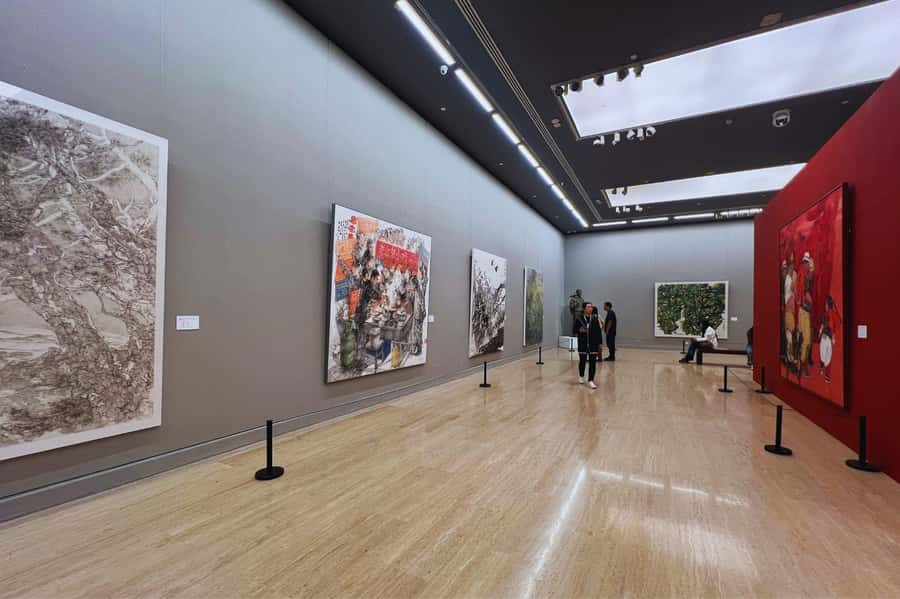
NAMOC’s reputation comes from its depth in modern and contemporary Chinese art. The museum offers a window into how artists respond to changing society, new ideas, and evolving artistic language.
For you, the main payoff is variety. Modern and contemporary art can feel intimidating if you think you need a special background. But when you are walking through a collection that also includes older traditions, it becomes easier to see continuity. You can start noticing how themes and techniques shift over time, instead of feeling like you are staring at unrelated art.
Also, NAMOC does not just hold art in storage. It regularly hosts special exhibitions and events. You may catch something on-site depending on the day, so it’s worth checking what is currently featured when you enter. Even if you focus mostly on the permanent collection, knowing there are changing exhibitions can help you decide where to spend your limited time.
Traditional ink, calligraphy, and sculpture: the best contrast
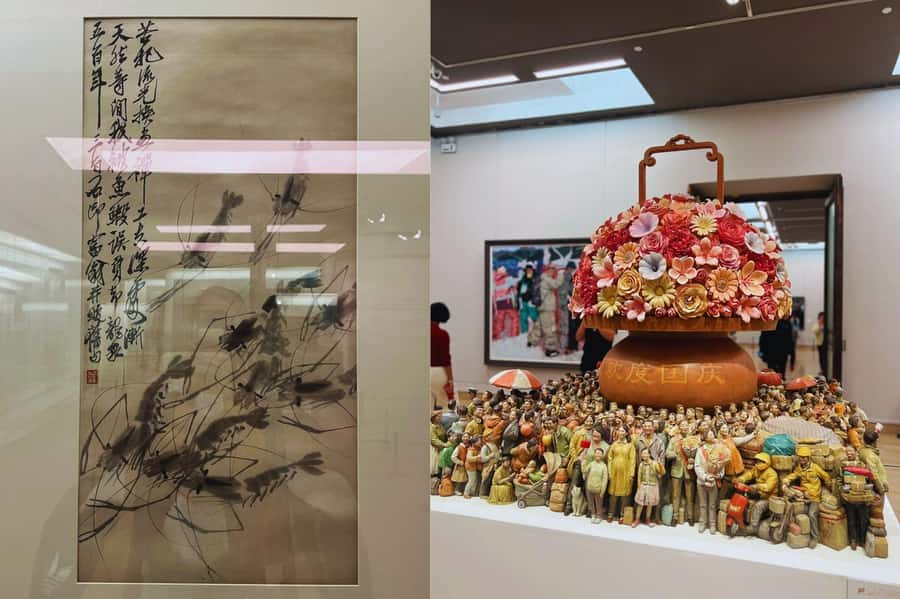
A lot of people come for the modern collection, then end up lingering longer than expected with traditional forms. That is one reason this ticket feels like good value. The museum’s holdings include traditional ink paintings, sculptures, and calligraphy, so you can compare how different art forms communicate.
If you love fine details, you’ll probably enjoy ink and calligraphy because they reward slower looking. With sculpture, you might focus on shape, material, and how form changes the mood of a work. The contrast between modern pieces and traditional ones can also make the museum feel more “readable.” You stop treating art as separate categories and start seeing a bigger artistic evolution.
Even if you only spend a small portion of your two hours on traditional works, the experience can feel more complete. It’s not only a tour through one era. It is a tour through artistic change.
Using the English textual and visual guide without getting lost

One of the strongest features here is the included English version of the textual and visual guide. This matters more than people think. Art museums are full of objects that look good, but without context they can feel flat.
The guide can help you:
- Understand what you are looking at
- Follow the visual themes and explainers attached to works
- Spend less time guessing and more time appreciating
How I’d use it in your situation: treat the guide like a set of steering wheels, not a script. Use it when you hit a piece that you are genuinely curious about. If a work is not landing for you, skip ahead. With only two hours, you want your attention to go where it matters to you.
Practical details that keep the visit smooth
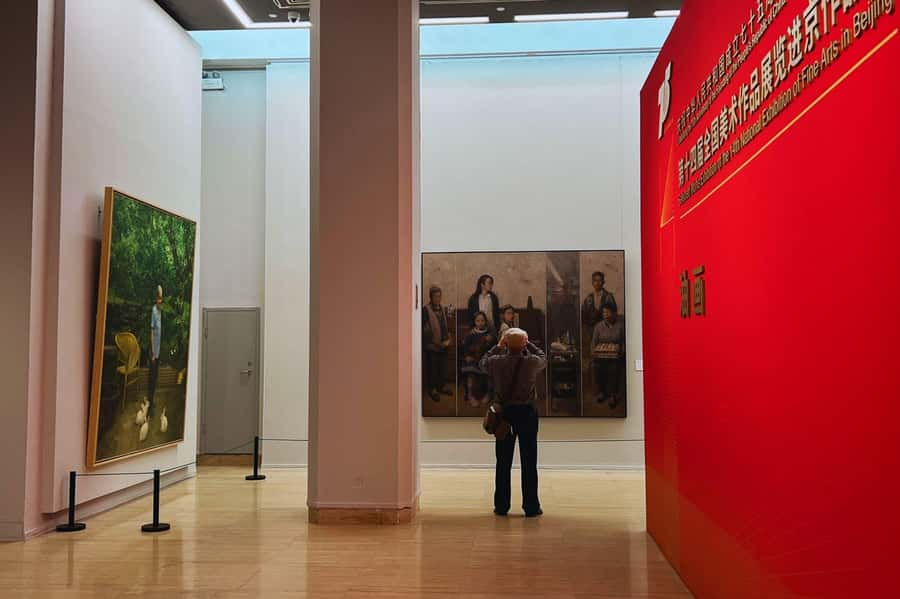
This experience is designed to be straightforward. Here are the practical points that help you show up prepared.
What to bring
Bring your passport or ID card. That is explicitly required for the reservation entry.
What is not allowed
Smoking is not allowed.
Who can do this
The experience is listed as not suitable for children under 2 years. If you travel with very young kids, double-check whether the timing and museum environment will work for your family.
How long it really feels
The reservation states 2 hours. In a big museum, that is enough time for meaningful viewing if you plan lightly. It is not enough time to see everything.
Price and value: $6 that can actually feel like a bargain
At $6 per person, the value comes from what you get bundled together. You are not only paying for entry. You are also getting a reservation setup that helps you skip the ticket line, plus an English textual and visual guide included in the package.
So your real question is not just whether it is cheap. It is whether it saves you time and helps you understand what you see. In this case, those two things are built in.
Should you book this if you are not an art super-fan?
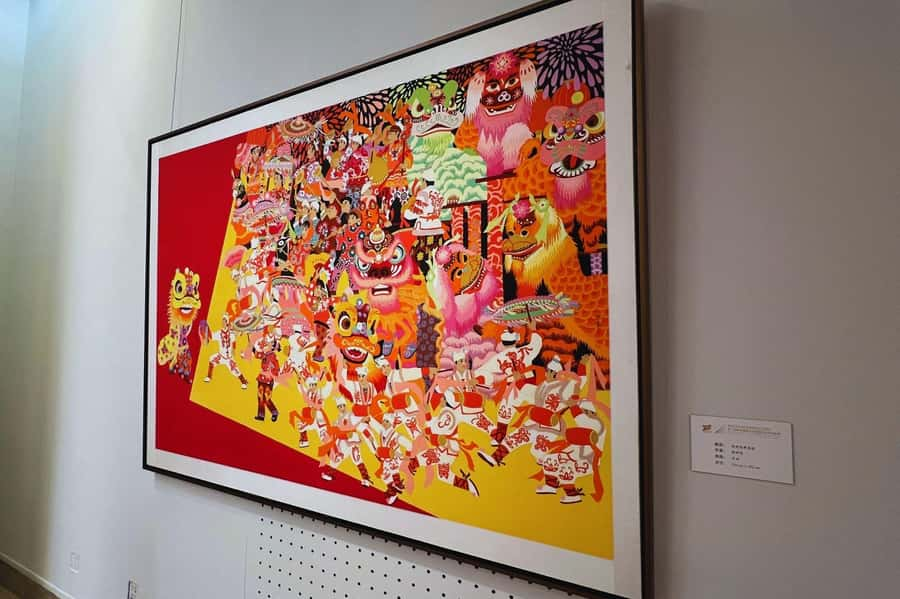
This reservation makes sense for several types of travelers.
Book it if:
- You want a calm cultural stop that you can do at your own pace
- You like learning from museum context, especially with an English guide
- You are curious about how Chinese art evolved from tradition into modern forms
- You want a low-cost entry option that avoids line stress
Maybe think twice if:
- You want a guided tour with a live lecturer. This is a self-paced experience, so the learning comes from the included guide, not from a person explaining everything in real time.
- You are the type who needs lots of hours per museum. Two hours will feel short.
The nice thing is that you can still walk away feeling like you made progress. NAMOC is big, but the timed entry keeps the experience focused.
A quick reality check on what you will not get
Because this is self-paced with a provided guide, you should not expect:
- A structured, step-by-step route with named stops
- A live host guiding you through particular rooms
- Extra add-ons beyond entry reservation and the English guide
That is not a dealbreaker. It’s just the format. It’s a good match for travelers who like independence.
Should you book the National Art Museum of China entry reservation?
If you like modern and traditional Chinese art, this is an easy yes. The price is low, the entry process is designed to be simple, and the included English textual and visual guide can turn “I looked at art” into “I understood what I saw.”
If you only have a limited window in Beijing and you want to avoid ticket-line friction, the reservation approach is exactly what you want. I’d book it if you can plan around the available starting times and you are comfortable spending your time self-directed inside a big museum.
Latest reviews from Beijing
- 11-Day Private China Tour: Beijing, Lhasa, Xi’an and Shanghai★ 5.0 · 5 reviews
- From Beijing: JinShanLing Great Wall Bus Tour with Ticket★ 4.2 · 5 reviews
- Beijing: Top Michelin Vegetarian Restaurant Reservation★ 5.0 · 5 reviews
- Beijing: Jingshan Park Entry Ticket★ 5.0 · 5 reviews
- Lama Temple, Hutong and Silk & Pearl Market Private Day Tour★ 5.0 · 5 reviews
- Beijing Culture Event: Tea Ceremony, Music Show, Calligraphy★ 5.0 · 5 reviews
- Private Great Wall Hiking Tour: Jiankou to Mutianyu★ 5.0 · 5 reviews
- Beijing Golden Mask Dynasty Show With Private Transfer★ 4.8 · 5 reviews
Museums in Beijing, compared.
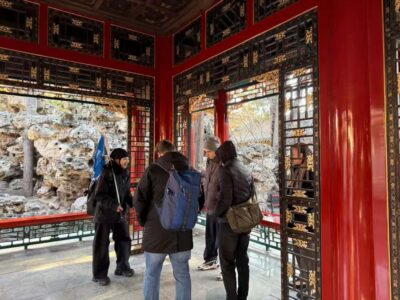
Tianmen Square, Forbidden City & Royal Museum Tours
Read our review →
Beijing:Jingshan Park (Palace Museum Garden) Ticket
Read our review →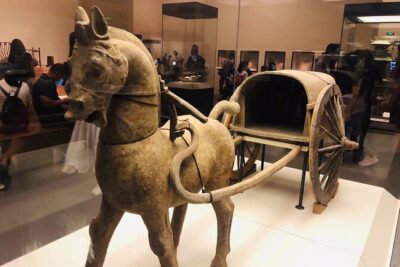
Beijing Half Day: National Museum of China In-depth Tour with Subway Transfer
Read our review →
Beijing’s Forbidden City with Special Viewing of Treasure Gallery and the Great Wall Ruins at Badaling
Read our review →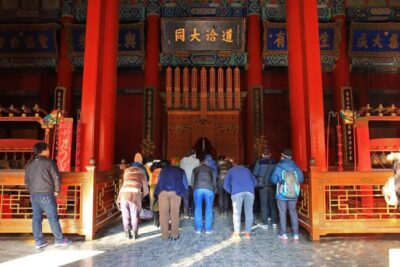
Lama Temple, Confucius Temple and Guozijian Museum
Read our review →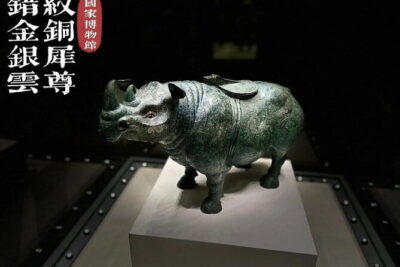
China National Museum Ticket Pre-booking and Tiananmen Square
Read our review →
4-Hour Private Tour: Lama Temple, Confucius Temple, Guozijian Museum with Dim Sum
Read our review →
JingShan park (palace museum garden) entry ticket
Read our review →Browse the lists this tour appears in