

Reviewed · HUTONG TOURS
Beijing Walking Food Culture Tour in Hutong and Hidden Places
Beijing after dark can feel loud and crowded, but this small-group hutong food tour is different. Starting in the Shichahai area at 6:00 pm, you walk real side streets and eat at old, local spots you would not find on your own. I love how the route mixes food with neighborhood context, and I love that the pace stays easy enough to enjoy the stories.
My other favorite part is the hands-on side, including snack-making in hutong kitchens, plus surprise bites picked to match what your group likes. One thing to consider: the price feels steep if you are only looking for a quick sample platter, since you are paying for the full guided experience and included dinner. Also, your guide may differ, and in feedback I see guides named Rina and Sylvia, with both praised for clear explanations.
Key highlights you should know before you go
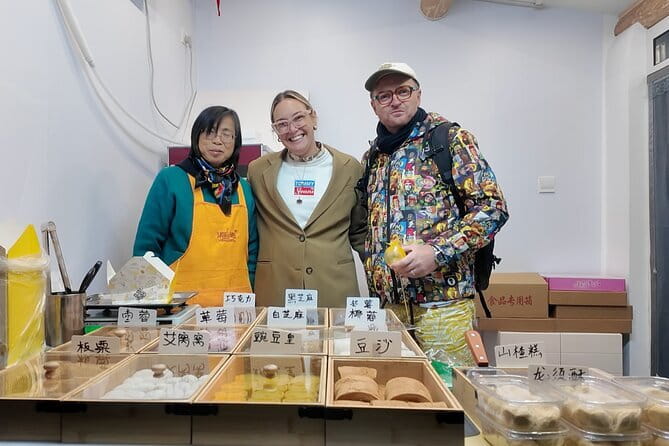
- Max 8 people means more conversation, less waiting, and better pacing through narrow alleys
- Yandai Xiejie plus landmarks like the Great Qing Post Office give names and meaning to the walk
- Four classic dishes at off-the-beaten-path eateries, topped with a surprise local tasting
- A functioning ancient timekeeping system stop adds culture without breaking the food flow
- Courtyard restaurant with East-meets-West twists, plus more hands-on food fun
Walking food culture in Beijing: why 6 pm in the hutongs works
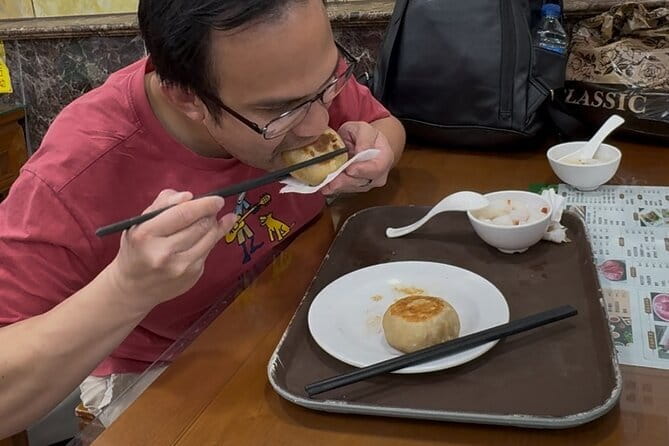
I like food tours that teach you how to order and how to judge what you see, not just where to stand for photos. This one makes that easy by tying each bite to place and context, then letting you actually taste the result. The fact that it is timed for a night start also matters, because hutong life feels different after the workday, and food becomes the center of the evening.
You also get a dinner included format, which is great if your day is full of museums, markets, or travel stress. Keep lunch light and save your appetite, because the walk plus multiple tastings can add up fast. The tour is also described as layover-friendly, so if Beijing is one stop on a longer trip, this is a practical way to get real flavor without losing a whole day.
The walking is part of the point. Plan comfy shoes and expect to move through narrow passages where you cannot just pause and look around for long. If you hate close-quarters crowds or slow detours, you will still probably be fine, since the group size is kept small.
More Food & Drink in Beijing
- Beijing Hutong Walking Food and Beer Tour at Hidden Restaurants
★ 5.0 · 1,132 reviews - Beijing: Hidden Gems Guided Food Tour with Beer and Tastings
★ 4.9 · 306 reviews - Beijing Private Hutong Food Walking Tour
★ 5.0 · 299 reviews
Yandai Xiejie and hutong food origins, plus the Great Qing Post Office
The tour begins at Shichahai in Xicheng District, and it immediately places you in a older-feeling Beijing lane. Your first neighborhood walk focuses on Yandai Xiejie, described as one of Beijing’s oldest and most charming hutongs. This is where you start learning how hutong names and the local logic behind them connect to daily life and older city systems.
One of the key landmarks mentioned for this opening stretch is the Great Qing Post Office. Even if you have no idea what it was used for, the guide helps you understand why it matters in the larger story of how people communicated and moved information through the city. I like this kind of “why is this here” moment early, because it makes the architecture and street pattern feel useful, not just decorative.
Food is not tacked on. At the first stop, you also join a hands-on food and culture experience tied to signature snacks. The exact items are not listed in the details you provided, but the structure is clear: you watch how the snack steps are done, then you taste freshly prepared local delicacies connected to what has been passed down for generations.
Practical note: since your first stop mixes walking with participation, arrive on time, and bring water habits from the start. You get bottled water included, but you still want to pace yourself so you can enjoy the later tastings without feeling rushed.
Shichahai side streets, four local dishes, and a surprise tasting
After the Yandai stretch, the tour shifts into a quieter rhythm near Shichahai Lake. This part matters because you get a change in pace: from more active neighborhood edges into narrower hutong alleys where local daily life still continues at a normal tempo. If you want that “I’m actually in the neighborhood” feeling, this is the section that most helps.
You then reach a cozy family-run eatery tucked deep inside the hutongs. This is where the tour delivers one of its headline promises: four beloved local dishes, each tied to a story and a specific flavor profile. Since the dish names are not spelled out in the details you provided, the best way to approach this meal is with curiosity, not pre-planning. Your guide is handling the ordering strategy so you are not stuck with language barriers, menu anxiety, or the temptation to pick the most tourist-friendly item.
And yes, there is a surprise tasting at the end. I like that the tour does not pretend every eater likes everything. The structure is set up so the guide can respond to the group’s reactions, which is exactly the kind of flexibility you want on a food tour.
If you have dietary restrictions, the information you provided does not specify specific accommodations. So I would treat this as a “check with the operator” situation before you book, especially if your restrictions are strict. In a small group setting, getting a clear answer in advance will save stress.
The working intangible heritage timekeeping stop, and why it fits a food tour
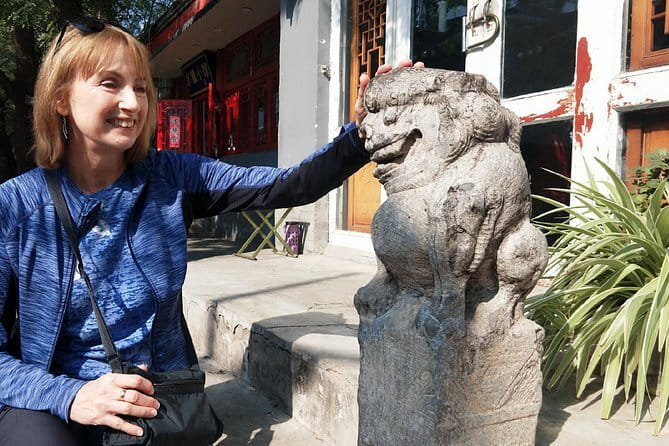
One of the most clever parts of this itinerary is how it inserts a culture pause without breaking your momentum. The tour heads north to a low-key cultural landmark recently recognized as intangible heritage: an ancient timekeeping system that is still functioning today.
That sounds academic, but it is still practical within a food tour. Timekeeping is a big deal in how cities organize work, meals, and daily routines, especially in communities where life has historically followed the clock and the seasons. When your guide connects it to what you see around the square, the point becomes simple: food culture is not random, it is scheduled, seasonal, and tied to routine.
As you spend time nearby, you also observe everyday motion in the hutongs. The description includes familiar scenes like elderly locals playing chess and vendors setting up for dinner. These are not staged moments. You are essentially taking a short breather to notice how locals live around the food rhythm, then heading back to eating with a clearer sense of where it all fits.
The bonus here is contrast. You walk into food-focused alleys, then step into a more open space where you can see how people gather. That makes the rest of the tour feel more grounded, not like you are moving from meal to meal without context.
More Walking Tours in Beijing
- Private Beijing Walking Tour of the Forbidden City with 7 Options
★ 5.0 · 675 reviews - Forbidden City Private Walking Tour with Optional Sights
★ 5.0 · 400 reviews - Beijing: Forbidden City and Tian’anmen Square Walking Tour
★ 4.9 · 322 reviews - Beijing: Hutong Culinary Walking Tour with 15+ Tastings
★ 5.0 · 162 reviews
Fusion flavors in a hidden courtyard, where East meets West in real life
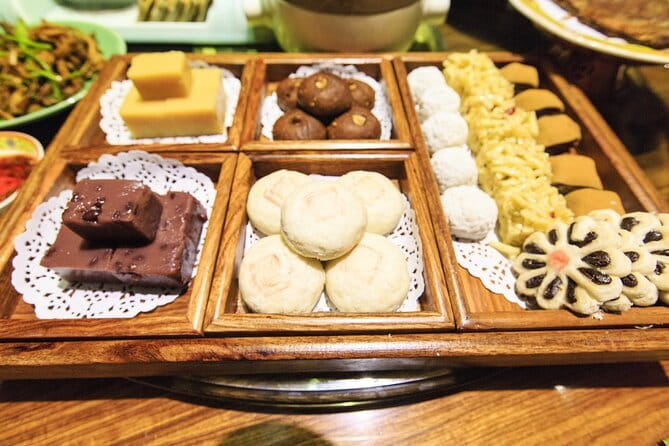
Next comes a traditional courtyard restaurant that adds a twist to what you thought you knew about hutong food culture. The theme is clear: East meets West in both the conversation and the plates. The idea is that you see how foreigners live in hutong spaces and how old recipes can be reworked with modern interpretations.
This stop is also described as interactive again, with another hands-on food activity. Even without a detailed list of what you make, the point is that you are not just watching someone eat. You are participating, which is usually how you remember a tour. The taste plus the small “how it is done” lesson sticks longer than a photo and a menu translation.
What I like most about this part is the social angle. Courtyard dining is not just about food, it is about how families and communities share space. When a guide frames the meal with cross-cultural hutong life, it helps you understand why food changes over time without losing its identity.
If you strongly prefer only traditional, unmodified dishes, this part might feel like a detour. But it can also be a helpful reality check, since Beijing food culture is not frozen in time. It adapts, and this stop gives you a chance to taste that adaptation.
The ancient army one-pot feast, practicality that turns into comfort food

The final stop is built like a story with a purpose. You finish with a dish inspired by centuries-old military cooking, centered on the idea of practicality and nutrition. The description explains it as an all-in-one concept, like what soldiers could manage on the move using just one copper pot.
That copper pot detail is not just trivia. It explains why one-pot meals make sense historically: fewer cooking steps, less to carry, and a complete meal in one vessel. When you sit down at the table for the finishing bite, you are not only tasting food, you are tasting the logic behind survival cooking.
This is also where you get the best chance to slow down, chat, and compare flavors from earlier stops. Because the tour has already covered street-food origins, neighborhood names, and modern courtyard adaptations, this last bite lands with extra meaning. It ties the experience together: food in Beijing is not just entertainment, it is problem-solving plus tradition.
Practical move: by the end, you may feel “full but still curious.” That is normal when tastings roll through multiple places. Pace your bites, and if you love a particular flavor, ask your guide how to recognize it when you see it again around Beijing.
Small group size, guides with real stories, and how the night stays organized

The tour caps at 8 people, which is a big deal in hutongs. Narrow streets are not forgiving, and good guides keep the group moving without snapping the vibe. You also get the kind of attention where the guide can handle ordering and help you focus on tasting instead of translating menus.
Feedback attached to the experience highlights that this format feels easy. People praise that the guide handled everything, even adding surprise dishes based on how the group responded. I take that as a sign the tour is not rigid. It is designed to match your taste and energy level, which is exactly what you want from a small-group dinner walk.
Also, a clear value point is the guide background: described as a local history and sociology expert who has done deep research. In real terms, that means you get explanations that connect food to how neighborhoods work, how people lived, and why street food has the shape it has. It is not a list of facts, it is a guided way to see.
Price and value: is $88 worth it?
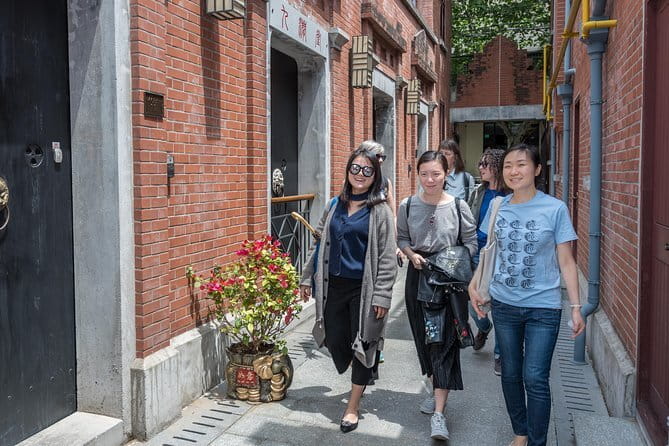
At $88 for about 3 hours, this is not the cheapest way to eat in Beijing. The better way to judge it is what you actually get: dinner included, bottled water, multiple stops, a guided walk, and hands-on snack-making experiences. You are also paying for small-group attention and route design that tries to keep you away from the most generic tourist patterns.
The tour has a 4.9 rating from 59 reviews and 98% recommendation, which suggests most people feel it lands well. One note to keep you honest: at least one review flagged the price as high. That does not mean it is overpriced for everyone, but it does tell you the value depends on what you want.
If your goal is a quick meal with no walking, or you are looking for only a couple bites, you may feel it is not worth the cost. If your goal is a guided evening that teaches you how Beijing food culture works, and you want to leave with memories and ordering confidence, the price is easier to justify.
Who should book this Beijing food culture walk
This tour fits best if you:
- Want a walk-and-eat evening in hutongs, not a restaurant crawl with no context
- Like stories that connect street food to neighborhoods, names, and daily routines
- Enjoy hands-on learning, even if it is simple snack-making
- Prefer smaller groups, so you can ask questions and keep the pace relaxed
It is also aimed at most people, and it allows service animals. If you are traveling with someone who loves food but gets bored by long museum stops, this is a good match because it keeps changing settings while staying centered on eating.
If you are coming with a very picky diet, strict allergies, or a “no experiments ever” mindset, you might want to clarify ahead of time how flexible the ordering can be. The tour is described as flexible in food choices, but the details you provided do not list specific dietary handling.
Practical tips for a smooth 3-hour hutong dinner night
- Wear comfortable, grippy shoes, because hutong sidewalks can be uneven and narrow.
- Keep your day lighter. Dinner is included, and tastings across several stops add up.
- Bring a bit of curiosity. With surprise tastings and hands-on moments, you are stepping into a guided “try it first” mindset.
- If you drink alcohol, know that beer is mentioned in feedback as a preference for some people. The provided details do not confirm alcohol inclusions, so treat it as a general note, not a guarantee.
Finally, show up with energy. The best food tours feel like a conversation, not a checklist, and the small group format only works when everyone stays engaged.
Should you book the Beijing Walking Food Culture Tour in Hutong and Hidden Places?
I think you should book it if you want an evening that mixes authentic hutong atmosphere, guided context, and real food you do not have to plan. The small group cap and the hands-on snack-making elements make it feel personal, not generic. And the combination of hutong walks, a working timekeeping stop, courtyard fusion flavors, and a one-pot military-inspired finale gives you variety without chaos.
Skip it if price is your main concern and you only want a quick bite. Also, if you have strict dietary needs, I would confirm accommodations in advance, since the exact dish list is not provided in the details here.
If your travel style is “walk a little, eat well, learn why it matters,” this is one of the most straightforward ways to do that in Beijing.
FAQ
How much does the tour cost?
The tour costs $88.
How long is the experience?
It lasts about 3 hours.
What time does the tour start?
The start time is 6:00 pm.
Where do I meet for the tour?
You meet at Shichahai, Xicheng District, Beijing, China, 100035.
Is dinner included?
Yes, dinner is included.
Is bottled water included?
Yes, bottled water is included.
How many people are in the group?
The tour has a maximum of 8 travelers.
Is the ticket mobile?
Yes, the tour uses a mobile ticket.
Can I bring a service animal?
Service animals are allowed.
How soon will I receive confirmation after booking?
Confirmation is received within 48 hours of booking, subject to availability.
More Hutong Tours in Beijing
- Temple of Heaven, Summer Palace, Lama Temple, Hutong Tours
★ 5.0 · 311 reviews - The Hutong Experience by Bike
★ 5.0 · 163 reviews - Beijing Hutong Breakfast Food Tour
★ 5.0 · 155 reviews - Beijing Hutong Breakfast Food Tour
★ 5.0 · 120 reviews
Latest reviews from Beijing
- 11-Day Private China Tour: Beijing, Lhasa, Xi’an and Shanghai★ 5.0 · 5 reviews
- From Beijing: JinShanLing Great Wall Bus Tour with Ticket★ 4.2 · 5 reviews
- Beijing: Jingshan Park Entry Ticket★ 5.0 · 5 reviews
- Beijing: Top Michelin Vegetarian Restaurant Reservation★ 5.0 · 5 reviews
- Beijing Culture Event: Tea Ceremony, Music Show, Calligraphy★ 5.0 · 5 reviews
- Lama Temple, Hutong and Silk & Pearl Market Private Day Tour★ 5.0 · 5 reviews
- Private Great Wall Hiking Tour: Jiankou to Mutianyu★ 5.0 · 5 reviews
- Beijing Golden Mask Dynasty Show With Private Transfer★ 4.8 · 5 reviews
Hutong Tours, compared.
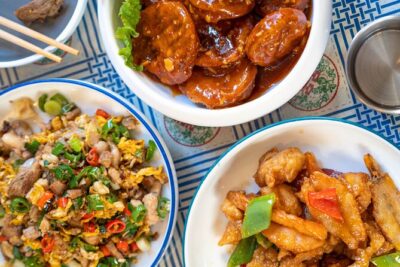
Beijing Hutong Walking Food and Beer Tour at Hidden Restaurants
Read our review →
Temple Heaven, Summer Palace, Lama Temple, Hutong Bus Tour
Read our review →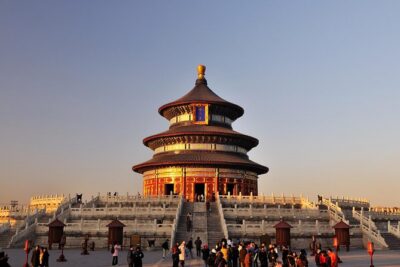
Temple of Heaven, Summer Palace, Lama Temple, Hutong Tours
Read our review →

Browse the lists this tour appears in