
Reviewed · COOKING CLASSES
3-Hour Biang Biang Noodles Cooking Class in Xi’an
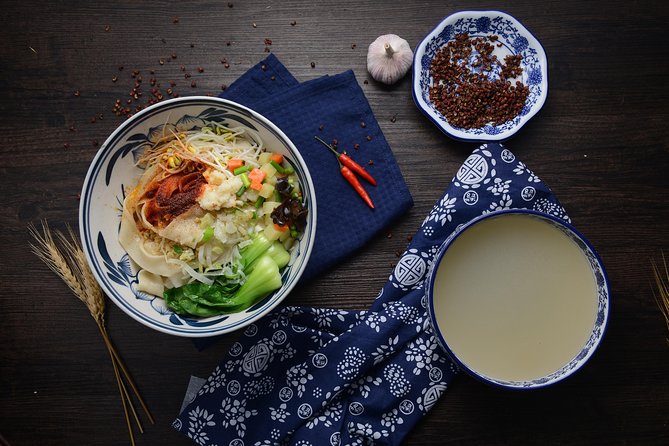
Xi’an biang biang noodles get their name from the sound made when the dough is worked and stretched. This 3-hour small-group class puts you close to the action, and you end by eating what you made, not just watching. I especially like that it starts with ingredient shopping so the flavors make sense before you touch the noodles. One drawback to keep in mind: it is not strictly a self-directed full cooking course, more of a guided lesson with practice plus a market visit.
You meet at Sa Jin Qiao Subway Station, Exit D (Line 1), which is handy if you like using public transit. In past sessions, hosts including Michael and guides like Susan have been praised for friendly English and local-culture chat while you cook. The one real consideration is that the experience is not wheelchair accessible, so plan your route from the metro exit carefully.
Quick hits before you go
- Max 10 travelers keeps it personal when you’re learning technique.
- Spice market stop gives you a real sense of what goes into the noodle flavors.
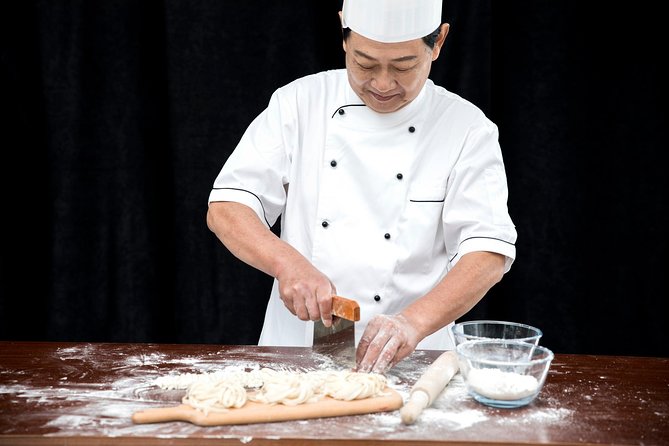
- Professional cooking school with an English-speaking chef for hands-on guidance.
- Tea and drinks included while you learn and relax before your meal.
- You eat your own biang biang noodles, so the experience ends on a payoff.
How this Xi’an noodle class feels in real life
This class works because it connects three things most food tours keep separate: the ingredients, the technique, and the meal. You start with local spices and other inputs you’ll use during cooking, then you move into a professional kitchen setting where you actually practice. By the time you sit down, the flavors are already familiar, so your bowl tastes more intentional.
It also has the right pacing. The full tour is about 3 hours, but the actual class time is around 1 hour, with extra time built in for the market walk and the final meal. For people who want something active but not all-day, that structure is a good fit.
The format is also worth understanding up front. Based on how the experience has been described, it’s more of a guided demonstration plus practice with support from your noodle teacher and chef, paired with a market visit. That means you should expect coaching and conversation, not total freedom to just cook on your own from scratch.
More cooking classes in Xi'an:
- Half-Day Xi’an Biang Biang Noodles Cooking with a Market Visit
★ 5.0 · 48 reviews - Private Home Cooking Class:Dumpling Cooking Class Tour in Xi’an
★ 5.0 · 7 reviews - Private Dumpling Cooking Class in Xi’an Local Family
★ 5.0 · 3 reviews
Finding Sa Jin Qiao, Exit D, and keeping the day stress-free
Your meeting point is clear and transit-friendly: Sa Jin Qiao Subway Station, Exit D on Line 1. The tour returns to the meeting point at the end, so you’re not stuck figuring out a complicated drop-off.
Because there is no hotel pick-up or drop-off, treat this like a “go to the meeting spot and you’re set” experience. If you’re staying somewhere central, using the subway can be the simplest plan, and the “near public transportation” detail matters here.
Practical tip: plan to arrive a bit early. Market time is part of the magic, and getting delayed at the start compresses everything afterward. If you hate scrambling, give yourself a small buffer from the metro exit.
The spice market walk: where the flavors begin
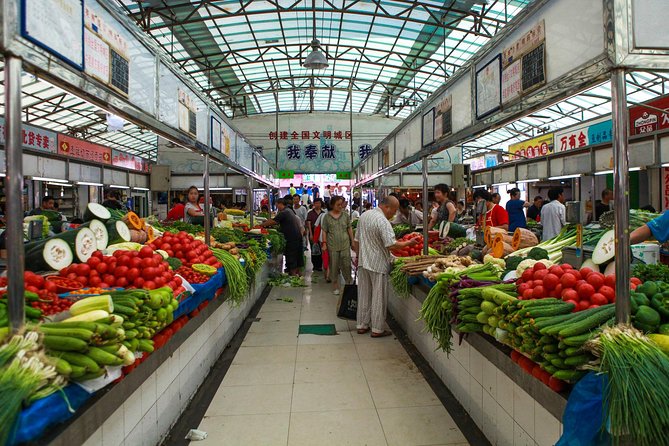
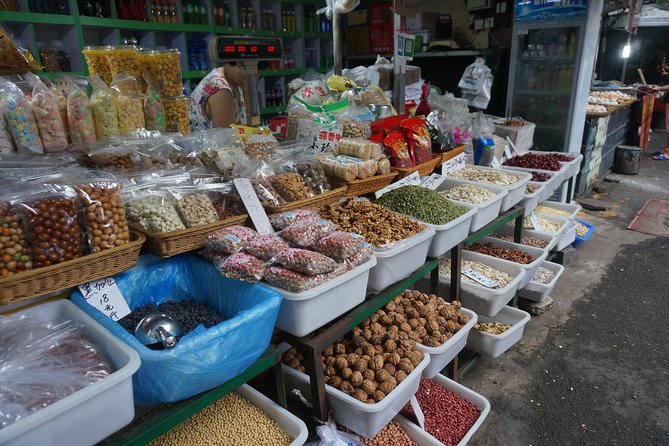
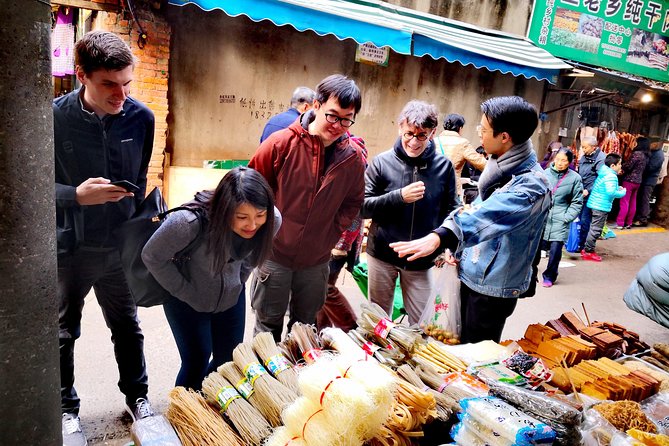
One of the strongest parts of this tour is the stop at an authentic local spice market before cooking. Instead of tasting spices after the fact, you get to see and discuss what goes into the dish, then connect those ingredients to the next stage of the class.
This is also where the experience turns from food instruction into cultural context. You’ll be learning about local noodle culture while you walk, and you’re picking up clues about how Xi’an street-food-style flavors get built. Even if you don’t memorize every ingredient name, you’ll leave with a better instinct for what you’re tasting when your sauce and seasonings finally show up.
You may also find that the walking route includes quieter, back-road style streets. That kind of route makes the market visit feel more lived-in and less like a choreographed photo stop.
Inside the professional cooking school with an English-speaking chef
The cooking happens in a professional cooking school connected to a well-known local restaurant. That matters more than it sounds. It means you are learning technique in a kitchen environment built for food prep, not a small demo space.
During the class, you work with an English-speaking chef (and a noodle teacher style instructor) who explains what to do and supports you while you practice. You’ll also have tea and coffee during the learning portion, so it doesn’t feel like a frantic race against a timer.
This is where the small group size helps. With a maximum of 10 travelers, you’re less likely to get lost in the back row. If you need a repeat of the steps for stretching, shaping, or handling the dough, smaller groups generally make that easier.
A different sort of day out of Xi'an:
- Mini Group Xian Day Tour to Terracotta Army, City Wall, Pagoda and Muslim Bazaar
★ 5.0 · 1,320 reviews - Xi’an Evening Food Tour by TukTuk
★ 5.0 · 715 reviews - Customized Private Day Tour of Terracotta Warriors and Xi’an
★ 5.0 · 513 reviews - Xi’an: Exclusive Terracotta Army Tour & Local Family Lunch
★ 4.9 · 484 reviews
Learning biang biang noodles: technique, practice, and that signature sound
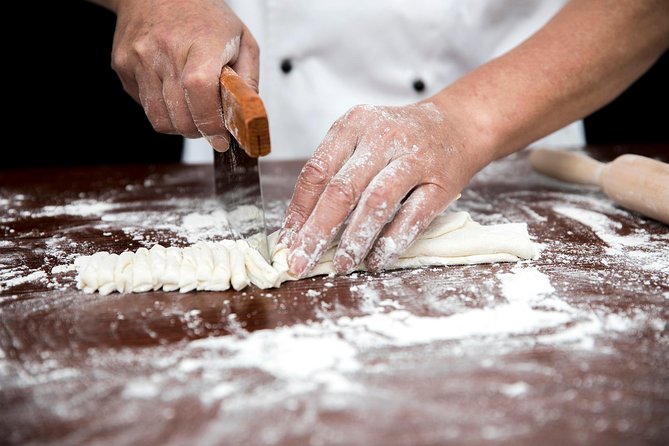
The heart of the experience is learning how to make biang biang noodles, one of Xi’an’s famous noodle dishes named for the sound of the noodles when they are made. That naming detail is a hint about what you’re really practicing: working the dough in a way that creates that distinctive process, not just rolling out dough like you might at home.
In the class, you’ll learn the main technique and then practice it with guidance. This is not described as a pure watch-and-take-photos event. You’re meant to get your hands involved, which is why the experience feels more like a noodle workshop than a standard tasting.
Here’s a practical way to get more from the session: pay attention to the order of steps and the small corrections. In noodle-making, tiny adjustments can be the difference between noodles that handle well and noodles that fight you. Since you’re going to eat the results at the end, you also have a direct reason to focus.
If you’re worried about your skill level, relax. This is set up as a guided activity, and the point is not perfection. The point is doing it with support, learning what the chef expects, and leaving with noodles you can truly appreciate.
The noodle party finish: tea, drinks, and eating your own bowl
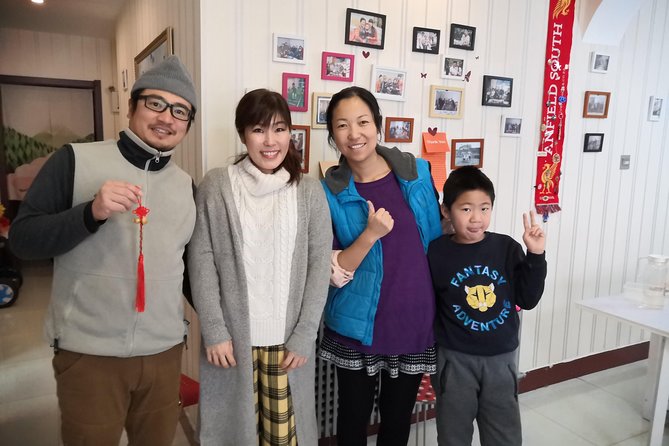
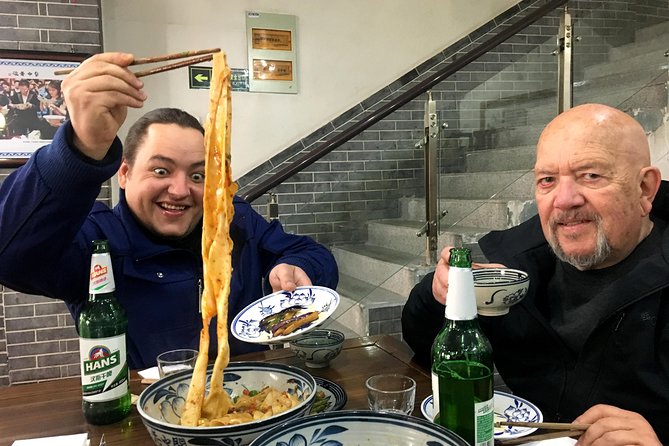
The payoff comes at the end. After you finish making the noodles, you get treated to Chinese tea or other drinks while you eat. Then comes the best moment: you taste the noodles you prepared yourself.
That last part is bigger than it sounds. Many cooking experiences end with food that belongs to someone else, or with you eating a prepared dish while the instructor handles the hard parts. Here, your final meal is tied to what you made, so you’ll understand what worked, what you adjusted, and what you want to remember for next time.
For me, the strongest value angle is that you’re not paying just for instruction. You’re paying for a meal experience that rewards effort and makes the class feel complete.
Price and value: is $74.88 a good deal?
At $74.88 per person, you’re paying for a package, not just “a cooking class.” The included items are meaningful: all cooking class fees, complimentary tea and drink, an English-speaking chef, and the chance to taste your self-made noodles.
You’re also getting something extra that many classes skip: the spice market visit to discover local ingredients you’ll use. That ingredient context is part of the value because it makes the flavor story click.
Two things are not included, and you should plan for them:
- Hotel pick-up and drop-off means you handle your own travel to the meeting point.
- Since it’s not wheelchair accessible, you’ll need to plan accordingly if mobility is a concern.
If you already like using public transit and you enjoy hands-on food work, this price tends to make sense. If you want a very flexible schedule or private, custom cooking time, you might compare against other options. But for a structured 3-hour experience with market context and an included meal, it has a good value-to-time ratio.
Who should book this class (and who should think twice)
This is a great fit if you want:
- A small-group food experience with personal attention.
- A chance to learn one specific Xi’an specialty deeply enough that you can recognize it by flavor and texture.
- An experience that includes both a market walk and a real end-of-class meal.
It’s also a solid choice if you like foodie-guided wandering. The market portion adds texture to the day, and the class is built to feel social and relaxed, not purely instructional.
Think twice if:
- You need wheelchair access. The tour notes it is not wheelchair accessible.
- You want hotel-level convenience like door-to-door pick-up. There is no pick-up or drop-off here.
- You’re expecting a fully independent class where you do everything without demonstration or coaching. This is more guided practice than a do-it-yourself cooking bootcamp.
Tips to get the most out of your 3 hours
- Wear comfortable shoes. You’ll be walking to and through the market area before you cook.
- Bring a positive mindset about mess. Noodle making is hands-on, and that’s part of the fun.
- Budget time to get to Line 1, Exit D. If you arrive late, you lose prime market time.
- Plan to enjoy tea and drinks during the session. They’re part of how the pace stays friendly, especially during practice.
Also, check that you’re ready to use a mobile ticket. It’s listed as part of the experience, and being prepared keeps the start smooth.
Should you book this biang biang noodles class?
Yes, if you like food experiences that end with you eating what you made, and you want to understand Xi’an flavors through ingredients first, noodle technique second. The small group size and the combination of spice market plus hands-on practice are the main reasons to book.
Skip it only if your priority is luxury convenience or full DIY cooking without guidance, or if mobility access is required. For most people who want a focused, memorable Xi’an food activity in a half-day window, this one is a strong choice.
If you book, show up on time at Sa Jin Qiao, Exit D, lean into the market conversation, and let the chef guide your noodle practice. The best moment is when you finally sit down and eat your own bowl.
FAQ
Where do I meet for the biang biang noodles cooking class?
You meet at Sa Jin Qiao Subway Station, Exit D, Line 1.
How long is the cooking class?
The tour is about 3 hours.
How many people are in the group?
The class has a maximum of 10 travelers.
Is hotel pick-up or drop-off included?
No. Hotel pick-up and drop-off are not included.
Is the experience wheelchair accessible?
No, the tour/activity is not wheelchair accessible.
What is included in the price?
The price includes the cooking class fees, complimentary tea and drink, an English-speaking chef, and the chance to taste your self-made noodles.
Do I get to eat what I make?
Yes. After finishing making the noodles, you eat the noodles you prepared.
Is there a market stop before cooking?
Yes. The guide takes you to an authentic local spice market to discover spices and ingredients used in the class.
How do I get the ticket?
A mobile ticket is used.
What is the cancellation policy?
This experience is non-refundable and cannot be changed for any reason. If you cancel or ask for an amendment, the amount you paid will not be refunded.
Latest reviews from Xi'an
- Xi’an: Hua Shan Mountain Private day Tour★ 4.9 · 5 reviews
- Xi’an Vegetarian Food Tour★ 5.0 · 5 reviews
- Private 1-Day Xi’an City Highlights Tour★ 5.0 · 5 reviews
- 3 Days Xian Highlight Small Group Tour★ 5.0 · 5 reviews
- Xian: Terracotta Army Admission Ticket★ 4.6 · 5 reviews
- Mt. Huashan Private Roundtrip Transfer with Driver’s Tickets Help★ 4.5 · 6 reviews
- Form Xi’an To Luoyang Longmen Grottoes & Shaolin Temple Day Tour by Bullet Train★ 5.0 · 6 reviews
- Terra cotta Army Museum Private Tour With English Guide Service★ 4.5 · 6 reviews
Cooking Classes, compared.
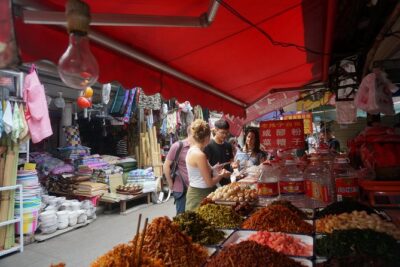
Half-Day Chengdu Cooking Class with a Local Market Visit
Read our review →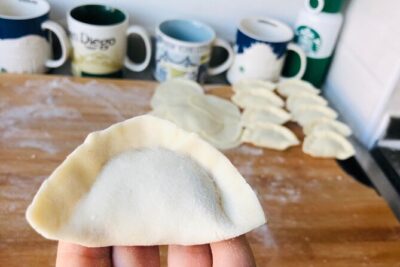
Online Cooking Class Beijing Dumplings and Cuisine by Sunflowerli Renowned Chef
Read our review →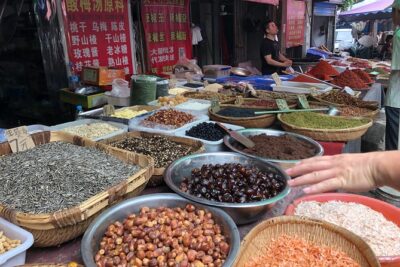
Half-Day Xi’an Biang Biang Noodles Cooking with a Market Visit
Read our review →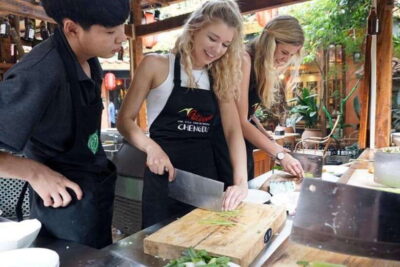
Cooking Class with Fresh Market Half Day Experience
Read our review →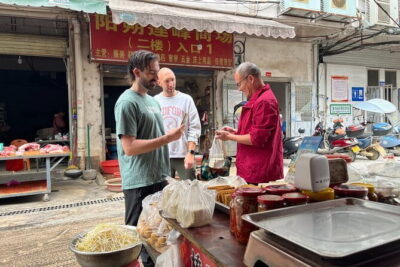
Private Cooking Class: Make Your Own Dim Sum In Shanghai
Read our review →
Half-Day steamed Buns Cooking Class with a Local Market Visit
Read our review →Browse the lists this tour appears in