
Reviewed · COOKING CLASSES
Half-Day Xi’an Biang Biang Noodles Cooking with a Market Visit
This is interesting because you learn biang biang noodles by starting with ingredients in a real spice market, then moving into a traditional home kitchen to make the dough and noodles yourself. It also helps that the instruction can be clear and friendly, with instructors like Fiona (easy to follow in English) and Lily (strong spice know-how).
I love the spice market hunt element. It turns grocery shopping into a lesson, so when you get to the kitchen you already understand what each ingredient is doing. I also like the hands-on pace, since you are guided step by step with a professional chef, then you get to eat what you make with tea and drinks.
One possible drawback to keep in mind: while the experience is described as a cooking class, there has been at least one complaint that the setup felt more like a cooking demonstration in an apartment rather than a fully hands-on, each-person-station format. If you want the most active, individual noodle-time possible, it is worth booking with that expectation in mind.
Key things that make this class worth your time
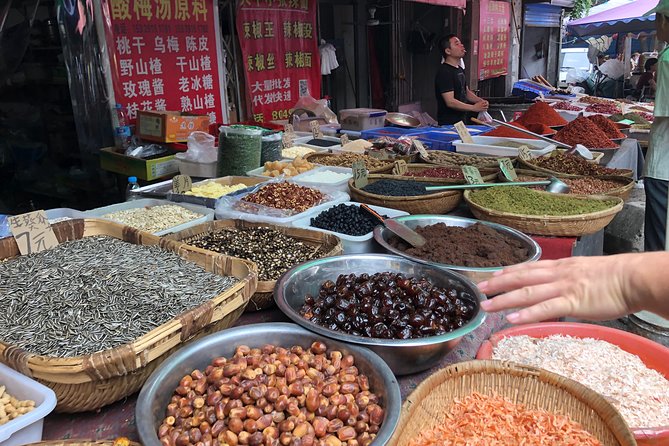
- Market visit in the Muslim Quarter area to pick up the spices and ingredients you will use right away
- Spice challenges that teach you what different Chinese spices and ingredients are for
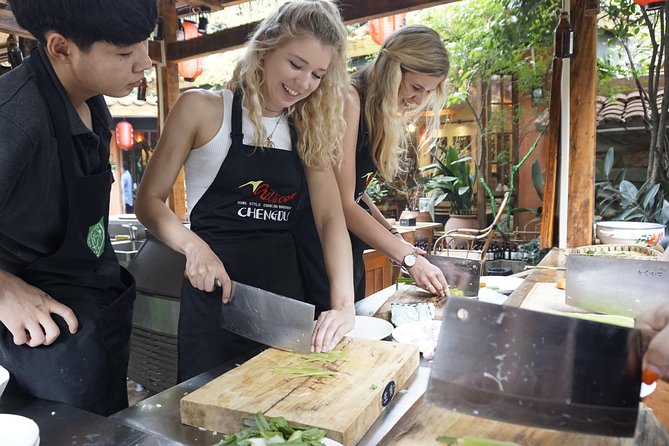
- Hands-on biang biang noodles led by a professional chef in a traditional Chinese home setting
- Tea plus beer or other beverages as part of the flow, not an afterthought
- Everything included: ingredients, recipes, water, tea, beer, and food tasting
- Maximum 15 people for a more personal feel and easier questions
Biang biang noodles, the Xi’an skill you’ll remember (and reuse)
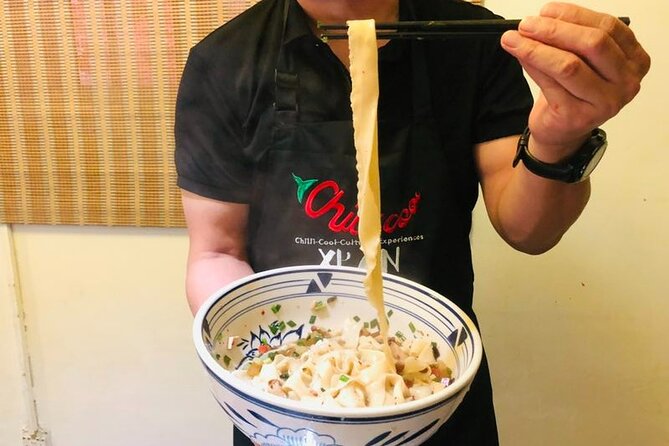
Biang biang noodles are one of Xi’an’s most recognizable dishes, and the appeal here is practical: you are not just watching noodles happen. You learn the technique in a structured way, using ingredients you picked up in advance. The point is to get past the common at-home problem of not being able to get the dough and shape right.
This class format also makes the dish make sense. When you understand why certain spices and ingredients go into the mix and sauces, the noodles turn from something you order into something you can recreate. It is the kind of cooking lesson that actually feeds your travel brain, then gives you a souvenir you can eat again later.
More Half-Day Tours in Xi'an
- Half-Day Mini Group Xian Tour to Terracotta Warriors Museum
★ 5.0 · 467 reviews - Private Half-Day Tour of Xi’an Terracotta Warriors
★ 5.0 · 201 reviews - All Inclusive Private Half-day tour to the Terracotta Warriors
★ 5.0 · 117 reviews
Where to start: Sajin Bridge and the walk into the Muslim Quarter scene
You meet at Sajin Bridge (Sa Jin Qiao) in Lian Hu Qu, Xi’an. The tour starts there and returns you back to the meeting point when it ends. It is also near public transportation, which matters if you are pairing this with other Xi’an sights.
The route takes you toward the Muslim Quarter, where you start in a market environment before you ever touch dough. That is a smart order. It helps you get your bearings in the neighborhood, then you transition smoothly into shopping for flavors instead of just sightseeing.
Practical tip: wear comfortable walking shoes. Even though it is a short day, markets are still markets, and your feet will do more work than you expect.
Spice market challenges that turn shopping into real learning
The market stop is the lead-in. You walk through a local spice market and take part in fun challenges that help you identify different Chinese spices and ingredients that will show up in your cooking class. You are not just shown jars and told what they are. You are guided to notice, learn, and connect the ingredient to the final noodle experience.
This is also where you pick up a useful mindset for Chinese cooking. Many spices are not interchangeable. Their flavor profiles and roles matter. By the time you reach the kitchen, you are more likely to remember what each ingredient was and why it mattered, especially if you are asked questions during the market part.
In a chef’s home kitchen, you go from dough to biang biang noodles
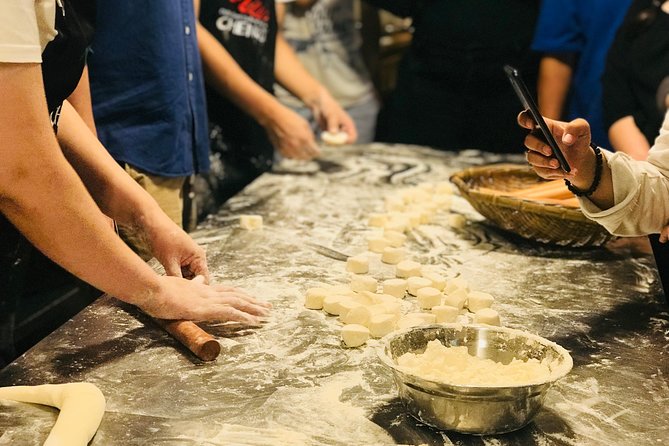
After the market, you head to a traditional Chinese chef’s home. This is where the experience feels most “real.” Cooking happens in a local setting rather than a showroom kitchen, so the tone is informal and friendly. You are guided by a professional chef and start the noodle-making process.
You can expect the class to cover the actual steps needed to make biang biang noodles by hand. This matters because the noodles are the headline dish, and your goal is to take home the technique. A recurring theme from instructor-led classes like this is that the pulling and shaping are the hard parts, and that is exactly where you get support so you do not just end up with a sad plate of soup noodles.
Tea comes in here too. Local tea is served as it is offered to friends and visitors, so you get a small cultural pause before you cook. Then you continue until you can enjoy what you made.
One more note based on reported experiences: the cooking portion is sometimes set up more like a demonstration depending on the day’s conditions and kitchen space. If you are the type who learns best when you have your own station and time to repeat motions, consider confirming that the class is hands-on on your scheduled session.
More cooking classes in Xi'an:
- Private Home Cooking Class:Dumpling Cooking Class Tour in Xi’an
★ 5.0 · 7 reviews - 3-Hour Biang Biang Noodles Cooking Class in Xi’an
★ 5.0 · 3 reviews - Private Dumpling Cooking Class in Xi’an Local Family
★ 5.0 · 3 reviews - Half-Day Chengdu Cooking Class with a Local Market Visit
★ 5.0 · 465 reviews
Tea, then beer, plus a meal built in
This half-day is designed so you eat as part of the flow. The experience includes lunch or dinner depending on whether you book the morning or afternoon session. There is also food tasting, plus water and beverages throughout.
You are served local tea during the workshop, then after you finish cooking you can enjoy your creations with beer or other beverages. That sounds like a small detail, but it actually helps the value. You are not paying extra for drinks or trying to find a meal afterward while everyone is tired and hungry.
If you are traveling with people who do not love cooking, this beverage and meal pacing can be a small peace offering. You still get the ingredient education and noodle-making, but the day ends with a proper sit-down payoff.
Price and value at $75 per person
At $75 per person, the real value comes from what is included. Your ticket covers:
- food ingredients
- recipes
- tea, beer (or other beverages), and water
- lunch or dinner (based on your session timing)
- food tasting
That combination matters because cooking classes often nickel-and-dime you with add-ons. Here, you can plan your day with less uncertainty. Also, the market stop is not free on its own. You are paying for the guidance and the ingredients education, then using that knowledge immediately.
Duration is about 3 hours 30 minutes, so it fits into a packed Xi’an itinerary without eating your whole day. With a half-day format like this, I treat it as a “do it once and remember it” experience, especially if you are excited about noodle technique and flavors.
Small group size in a short class day
The group maximum is 15 travelers. That number is important for two reasons. First, you can actually hear the chef and instructors while you are working. Second, questions are easier to fit in without everyone waiting.
You will likely work through the steps in a guided way, not in a giant lecture hall style. The small group setup also tends to reduce the stress of cooking in unfamiliar conditions, which is a big deal when you are dealing with dough and timing.
Vegetarian option and handling dietary needs
A vegetarian option is available. You are also advised to tell the provider about any specific dietary requirements at the time of booking. That is the right approach for cooking classes. Even when the dish is flexible, sauces and spice blends can shift, and it helps the kitchen prepare in advance.
If vegetarian eating is a priority for you, I recommend booking early so they have time to plan your ingredient set. The market part will still happen, but the cooking portion should match your needs.
Should you book this Xi’an biang biang cooking class?
I would book it if you want a short, structured way to learn handmade biang biang noodles, and you like the idea of starting with ingredients in the market instead of only learning in a kitchen. It also fits well if you care about clear instruction, since instructors like Fiona and Lily are highlighted for being easy to understand and strong on spice knowledge.
I might skip or at least adjust expectations if you are specifically chasing a very “each person fully independent at their own station” format. The cooking part has had mixed feedback about being more demonstration-like on at least one occasion. If that would frustrate you, consider asking what the hands-on structure looks like for your exact time slot before you commit.
Bottom line: for most food-focused travelers who want real technique plus real flavors, this is a fun half-day with strong built-in value, and it ends with something you actually made, not just something you watched.
FAQ
How long is the cooking class?
It runs for about 3 hours 30 minutes (approx.).
Where do we meet for the tour?
The meeting point is Sajin Bridge (Sa Jin Qiao), Lian Hu Qu, Xi’an, Shanxi.
Does the tour end at the same place?
Yes, the activity ends back at the meeting point.
Can I choose a morning or afternoon session?
Yes, you can choose either a morning or afternoon session.
What’s included in the ticket price?
The experience includes beverages/beer/tea/water, lunch or dinner based on your schedule, food ingredients, food tasting, and recipes.
Is there a vegetarian option?
Yes, a vegetarian option is available. You should advise at booking time if you need it.
What is the maximum group size?
The tour has a maximum of 15 travelers.
Does it run in bad weather?
It operates in all weather conditions, and if it is canceled due to poor weather you will be offered a different date or a full refund.
What is the cancellation policy for a full refund?
You can cancel up to 24 hours in advance for a full refund. If you cancel less than 24 hours before the start time, it is not refunded.
More Shopping Tours in Xi'an
- Mini Group Xian Day Tour to Terracotta Army, City Wall, Pagoda and Muslim Bazaar
★ 5.0 · 1,320 reviews - Xi’an Morning Food & Market Tour by TukTuk
★ 5.0 · 46 reviews - Xi’an Muslim Quarter Night Market Foodie Walking Tour
★ 4.2 · 22 reviews - Flexible Xian Terracotta Warriors Private Day Tour Non-shopping
★ 5.0 · 21 reviews
Latest reviews from Xi'an
- Xi’an: Hua Shan Mountain Private day Tour★ 4.9 · 5 reviews
- Xi’an Vegetarian Food Tour★ 5.0 · 5 reviews
- Private 1-Day Xi’an City Highlights Tour★ 5.0 · 5 reviews
- 3 Days Xian Highlight Small Group Tour★ 5.0 · 5 reviews
- Xian: Terracotta Army Admission Ticket★ 4.6 · 5 reviews
- Mt. Huashan Private Roundtrip Transfer with Driver’s Tickets Help★ 4.5 · 6 reviews
- Form Xi’an To Luoyang Longmen Grottoes & Shaolin Temple Day Tour by Bullet Train★ 5.0 · 6 reviews
- Terra cotta Army Museum Private Tour With English Guide Service★ 4.5 · 6 reviews
Cooking Classes, compared.
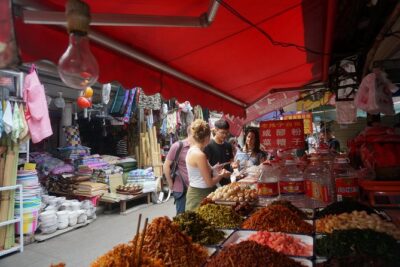
Half-Day Chengdu Cooking Class with a Local Market Visit
Read our review →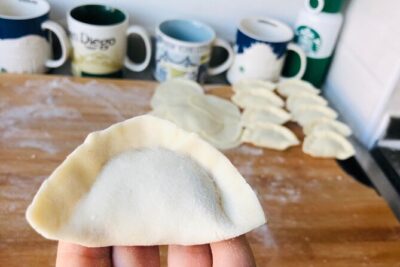
Online Cooking Class Beijing Dumplings and Cuisine by Sunflowerli Renowned Chef
Read our review →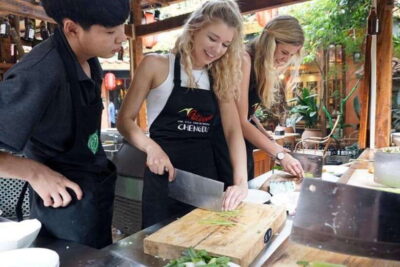
Cooking Class with Fresh Market Half Day Experience
Read our review →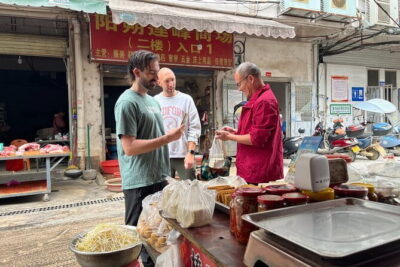
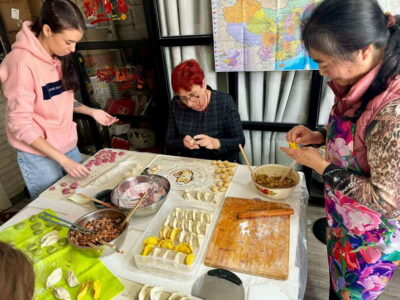
Private Cooking Class: Make Your Own Dim Sum In Shanghai
Read our review →
Half-Day steamed Buns Cooking Class with a Local Market Visit
Read our review →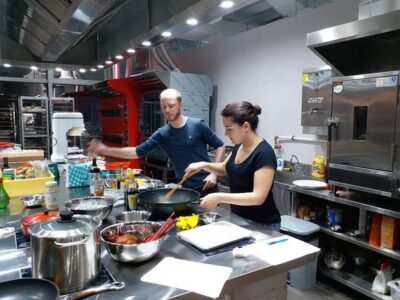
Hong Kong Market Walking Tour & Chinese Cooking Class
Read our review →Browse the lists this tour appears in