Reviewed · BEIJING TOURS
8 Days Private Tour of Beijing, Xian, and Shanghai
This tour is interesting because it handles China’s biggest challenge for you: distance and logistics. You fly and ride rail between cities, then you get a private car for the days you actually want to spend sightseeing. I like the 4-star hotels with daily breakfast and most lunches included. I also like the English-speaking guide plus door-to-door transfers, so you are not stuck figuring out timing or tickets. The main drawback is that the schedule is full, so you will want comfortable shoes and a patient mindset for busy attractions.
One thing I really pay attention to is who is supporting the trip when plans change, like a late flight or a station crowd. In past experiences, contacts such as Grace Chen and Sophia Liu (plus guides like Amy Fang and Maria) got called out for being responsive and organized. If you like having someone handle the annoying parts, this format can feel reassuring.
You should also know this is best for travelers with moderate walking fitness. You will spend real time on your feet at major sites, with some optional add-ons if you want a breather.
Key things I’d watch for before you book
- Bullet train plus an internal flight: efficient city-to-city travel without you booking everything yourself.
- Major highlights, but with local flavor: Forbidden City plus Hutong rickshaw time, not just big monuments.
- Mutianyu Great Wall options: you can walk the wall or use the cable car if you want it easier.
- Terracotta Warriors in the right context: multiple pits and a dedicated exhibition setup, not a quick drive-by.
- Shanghai that mixes old and new: Yu Garden and Market, then Xintiandi and the Bund.
- Private service, not a cattle-car group: it is truly just your party for land tours.
Why the Beijing-Xi’an-Shanghai route works so well
China is huge, and the wrong plan can burn days. This itinerary uses a smart mix of transport, catching the high-speed bullet train from Beijing to Xi’an, then flying to Shanghai. That alone can be the difference between a trip that feels rushed and one that actually lets you enjoy the sights.
On the city days, you use a private air-conditioned vehicle with a licensed driver. That matters more than it sounds. You get fewer stress points around getting from one ticket line to the next, and your guide can keep the day moving at a reasonable pace.
You are also not stuck trying to piece together attraction entry times. Entrance fees are included as listed, and bottled water is provided. So while you still need energy for the walking, you avoid a lot of the administrative friction.
What else people fit into the same Beijing trip:
- From Beijing: Mutianyu Great Wall Tours with Options
★ 4.9 · 9,216 reviews - Beijing: Forbidden City Tour(Group/Private)-Tickets Included
★ 4.8 · 7,974 reviews - Beijing: T-Square & Forbidden City Group or Private Tour
★ 4.8 · 4,446 reviews
Day 1 in Beijing: airport pickup and an easy start
Your first day is basically a smooth handoff. When you arrive at Beijing Capital International Airport, your driver meets you at the exit based on your flight schedule, then transfers you to your hotel for check-in. You get a true rest period afterward with no scheduled sightseeing pressure.
This is a nice way to start, especially if you are crossing time zones or arriving after a long flight. If you want a low-key evening, you can do exactly that: get groceries, charge devices, and walk a nearby block to learn your bearings before you tackle the big iconic sites.
Day 2: Tiananmen Square, the Forbidden City, and Hutong Alley by rickshaw
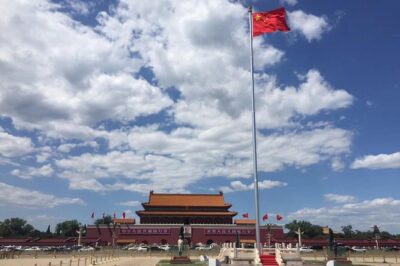
Beijing begins with the most famous civic space in the country: Tiananmen Square. It is the heart and symbol of Beijing and the largest city square in the world. Even if you have seen photos, being there in person helps you understand the scale. Your visit is short and focused, which works well because the real time sink comes next.
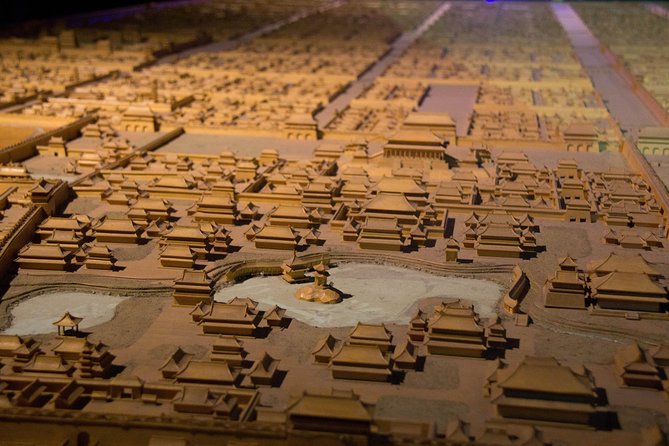
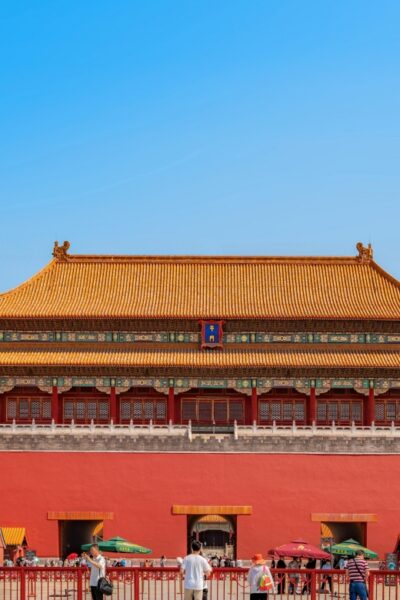
Then you head into the Forbidden City, also known as the Palace Museum. This complex is one of the largest and most completely preserved palace sites built of wood. It served as the imperial home through the Ming and Qing dynasties, with 24 emperors living there. Two hours feels tight for a place this big, so having a guide to point out what matters helps a lot. The goal is to see the structure, the logic, and the main areas without turning it into a scavenger hunt.
After all the formality, you switch gears with a Hutong Alley experience, which is the feel of everyday Beijing. Hutong are local folk residential lanes, and there is an opportunity for a rickshaw ride to see daily life from a different angle than you would get from wider streets. That contrast is one of the best reasons to choose this style of tour. You get one day that includes both the ceremonial core and the lived-in neighborhoods.
Practical tip: wear shoes you can stand in for several hours total. You will move more than you think, even when individual stops are not “all-day.”
Day 3: Temple of Heaven and Mutianyu Great Wall, plus Bird’s Nest and Water Cube
The day starts at the Temple of Heaven, a sacrificial complex where emperors prayed for peace and harvest. It is not just a pretty viewpoint. It is part of the city’s cultural logic, and your guide’s explanations make the place feel more than just another big monument.
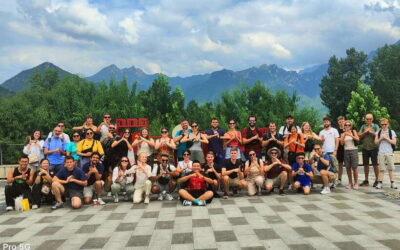
Then comes the big one: Mutianyu Great Wall. This section is known as scenic and is especially photogenic across seasons because a large portion is covered by vegetation. It is also a reminder that not all Great Wall experiences feel the same. Mutianyu includes long stretches where you can choose your comfort level.
If hiking is too much, the cable car is optional. That choice is huge because it helps you match the experience to your body, not the other way around. You still get the wall views, but you avoid turning the day into a knee test.
On the way back, you do an outer visit to Bird’s Nest and Water Cube. It is not a deep architecture tour, but it gives you the key landmarks so you can recognize them later if you see them in photos or on TV.
The main consideration for Day 3 is time management. Great Wall days feel long because of travel time plus walking plus viewpoints. Build in water and a slow pace inside the crowds.
A different sort of day out of Beijing:
- All-Inclusive Tour: Tiananmen Square, Forbidden City, Great Wall
★ 5.0 · 2,873 reviews - MuBus: Mutianyu Great Wall ENG/ESP/RUS Guided Bus Tour
★ 5.0 · 2,361 reviews - 4-Hour Small Group Tour to Forbidden City with Entry Tickets
★ 5.0 · 1,863 reviews - Beijing: Tiananmen Square Registration Service(Ticket)
★ 4.5 · 1,704 reviews
Day 4: Summer Palace plus the high-speed transfer to Xi’an
Beijing’s royal gardens show up at the Summer Palace, spread across about 290 hectares. It is the largest and most completely preserved imperial garden in China. One detail I like here is how the layout imitated the West Lake in Hangzhou. It gives the place a design story, not just a list of buildings and bridges.
After lunch, you shift from sightseeing to travel efficiency. You transfer to Beijing West Railway Station for the high-speed train to Xi’an. When you arrive, a local driver picks you up and transfers you to your hotel downtown.
This is the “value hidden in logistics” part of the tour. Train days can go wrong if you have to coordinate luggage, tickets, and station navigation alone. Here, transfers and timing are handled for you.
Day 5: Terracotta Warriors, Xi’an City Wall options, and the Muslim Quarter food walk
Xi’an delivers its headline attraction early and with the right framing. You visit the Qin Terra-cotta Warriors and Horses Museum, often called the Eighth Wonder of the World. The museum includes Pit 1 (the largest), Pit 2, Pit 3, plus an exhibition hall for chariots and horses.
What I find most compelling is the origin story: the site was discovered in 1974 by four local farmers drilling a well. That turns the attraction from something that feels ancient and distant into something tied to local lives and real-world discovery.
It is a lot of ground in two hours, so your guide’s direction helps you prioritize what to focus on. If you are the type who likes to read every label, you might still want extra time, but for many travelers this duration hits the sweet spot.
After that, you walk the boundaries of ancient Xi’an with the City Wall. It is the most completely preserved and largest city wall in China, built in the Ming Dynasty era about 650 years ago. You can optionally ride a bike on the wall, but the rental fee is on your own side.
Then the day ends with a very practical slice of Xi’an life: the Muslim Quarter near Bell Tower and Drum Tower Square. It is famous as a food street. Even if you do not have a strict plan, it is the kind of place where you can wander, grab a bite, and taste the city without needing a formal restaurant reservation.
Food tip: bring cash for quick purchases and snacks, and plan on time for slow browsing.
Day 6: Shaanxi History Museum and Big Wild Goose Pagoda, then flying to Shanghai
The morning brings culture that connects directly to Xi’an’s role as a capital for many dynasties. You visit the Shaanxi History Museum, one of the biggest and most famous museums in China. While it is a provincial museum, the collection is presented as national level in both quantity and quality because Xi’an has housed multiple dynasties across long stretches of time.
If you love museums but hate “hit-and-run” visits, this stop is a good match. You walk around with your guide and stop at priceless exhibits, which helps you understand how artifacts connect to a bigger story.
Next is the Big Wild Goose Pagoda (Dayanta). It is a sacred place for worshiping Buddha and was originally built to preserve sutras and figures of Buddha brought from India by Xuanzang during the Tang Dynasty. Around the pagoda is a garden area where you can take a breather and slow down after the museum.
After lunch, you fly to Shanghai. Your driver transfers you to your downtown hotel on arrival. This is the second transport “win” of the trip: you save time and keep the sightseeing days intact.
Day 7: Shanghai Urban Planning, Yu Garden and Market, Xintiandi, and the Bund
Shanghai can feel like two cities in one day. This itinerary leans into that by mixing design, heritage, and skyline views.
You start with the Shanghai Urban Planning Exhibition Hall, focused on city, human, environment, and development. This is one of those stops that can be either boring or useful, depending on your mood. With a guide, it tends to become a quick orientation tool, helping you understand why Shanghai looks the way it does.
Then comes Yu Garden (Yuyuan Garden), finished in 1577 by Pan Yunduan for his parents. It is built for calm enjoyment and it shows how gardens were designed as living spaces, not just decorative ones. Afterward, you wander the lively Yuyuan Market with plenty of snacks and small goods. The market setup includes traditional crafts like chopsticks, fans, and pottery, plus local foods such as steamed buns, crab shell cake, and pork chop with rice cakes. You can also haggle for a better price, if that is your thing.
Next is Xintiandi, a leisure and entertainment area where shops and bars are transformed from Shikumen houses. It is a chance to see Shanghai’s older neighborhood styles turned into a modern social space.
Finally, you get a classic Shanghai finish at the Bund along the Huangpu River. The Bund features 26 buildings with different architectural styles, including Gothic, Baroque, Romanesque, Classicism, and Renaissance influences. It gives you the feeling of Shanghai’s past as a global port city, plus the skyline drama you expect in modern China.
Suggestion: if it fits your energy, plan to linger at the Bund viewpoint a little longer. The photos are great, but the mood changes as the crowds flow.
Day 8: Easy airport transfer to close the loop
On your last day, you are not rushed into one last “mandatory” stop. A driver meets you at your hotel at the confirmed time and escorts you to the airport. It is a clean ending that helps you avoid last-minute stress and makes departure day feel normal.
Hotels, meals, and what you should budget for
You get seven nights in 4-star hotels with daily breakfast, plus most lunches included. Entrance fees are covered as listed, and bottled water is provided. That is a strong baseline because food and tickets can quietly add up in big-city travel.
Still, personal expenses are not included, and gratuities to your guide and driver are not included. You should also expect optional add-ons to be on you, like any battery car or shuttle inside attractions, and bike rental at the city wall if you choose to ride. If you want the most relaxed experience, set aside some cash for snacks, drinks, and small purchases.
If you have dietary needs, there is a vegetarian option available, and you are asked to advise at booking. That is worth doing early so meals can be planned around your needs.
English guides and private service: how to get the best day-by-day value
This is a private tour, meaning only your group participates in land tours. In practical terms, you get flexibility that group tours rarely allow. If your day needs to slow down, your guide can often adjust. If you want a few extra minutes at a viewpoint, you have a better chance of making it happen.
Based on past client praise, the human side matters. Contacts and guides like Grace Chen, Sophia Liu, Amy Fang, and Maria were highlighted for being efficient, professional, and supportive. You should still come with curiosity, not a demand list. The more you ask about what you are seeing, the more these major sites become meaningful.
Simple strategy I recommend: pick one “must learn” thing for each major stop, like one question about what you are seeing at the Forbidden City or why Mutianyu is different. A good guide will turn that into a mini-lesson without turning your day into a classroom.
Price and value check: is $1,462.71 per person fair for this much travel?
At $1,462.71 per person for about eight days, you are paying for four things:
- The private logistics: airport pickup, private transfers in an air-conditioned vehicle, and city-to-city movement.
- The rail and flight parts: 2nd class bullet train Beijing to Xi’an, plus the economic flight Xi’an to Shanghai.
- The built-in costs: 4-star hotels, daily breakfast, most lunches, and entrance fees as listed.
- The guide experience: an English-speaking tour guide during land tours.
If you try to replicate this solo, the costs can balloon quickly, especially when you add guide time, entrance tickets, and the less fun parts like getting between stations and hotels. Even if your independent travel plan is technically cheaper on paper, it often takes more time and mental energy to stitch together smoothly.
So the value depends on how you like to travel. If you want a low-stress plan that still includes the biggest hits, this price can feel reasonable. If you love organizing everything and you are comfortable doing long travel days yourself, you might find cheaper options, but you will trade convenience for savings.
Should you book this 8-day private tour?
Book it if you want a well-paced way to see China’s top cities without turning your vacation into transportation math. It is especially strong for first-time visitors who want the Great Wall, Forbidden City, Terracotta Warriors, and Shanghai’s landmarks, plus a taste of everyday neighborhoods like Hutongs and the Muslim Quarter.
Skip it or rethink it if you hate structured days or you know you struggle with walking through crowded major attractions. Also, if you want tons of free time with no scheduled stops, this itinerary is probably too full.
If your goal is to maximize iconic sights while still feeling cared for by a real guide and driver team, this tour makes a lot of sense. And if you bring comfortable shoes and a flexible attitude, you will likely finish the trip feeling like you saw the essentials in a smart, efficient way.
FAQ
Is pickup included for my arrival in Beijing?
Yes. A driver picks you up at Beijing Capital International Airport and transfers you to your hotel based on your flight schedule for check-in.
How do you travel between Beijing, Xi’an, and Shanghai?
You take the 2nd class bullet train from Beijing to Xi’an, then an economic flight from Xi’an to Shanghai.
Are entrance fees included for the sights on the tour?
Yes. Entrance fees are included as listed in the itinerary.
What accommodations are included during the tour?
You stay for seven nights in 4-star hotels, with daily breakfast included.
Are there private transfers and a driver during the land days?
Yes. You get private transfers in an air-conditioned vehicle with a licensed driver.
Is bottled water provided?
Yes, bottled water is included.
Can I request vegetarian meals?
Yes. A vegetarian option is available, and you should advise at time of booking.
What is the cancellation window for a full refund?
You can cancel up to 6 days in advance of the experience start time for a full refund.
Latest reviews from Beijing
- 11-Day Private China Tour: Beijing, Lhasa, Xi’an and Shanghai★ 5.0 · 5 reviews
- From Beijing: JinShanLing Great Wall Bus Tour with Ticket★ 4.2 · 5 reviews
- Beijing: Jingshan Park Entry Ticket★ 5.0 · 5 reviews
- Beijing: Top Michelin Vegetarian Restaurant Reservation★ 5.0 · 5 reviews
- Lama Temple, Hutong and Silk & Pearl Market Private Day Tour★ 5.0 · 5 reviews
- Beijing Culture Event: Tea Ceremony, Music Show, Calligraphy★ 5.0 · 5 reviews
- Private Great Wall Hiking Tour: Jiankou to Mutianyu★ 5.0 · 5 reviews
- Beijing Golden Mask Dynasty Show With Private Transfer★ 4.8 · 5 reviews
Beijing Tours, compared.
Forbidden City Tour(Group/Private)-Tickets Included
Read our review →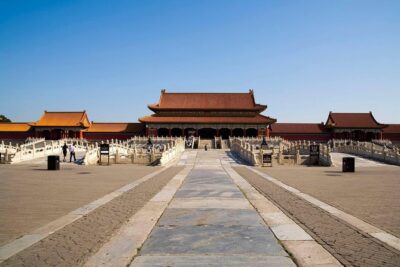
T-Square & Forbidden City Group or Private Tour
Read our review →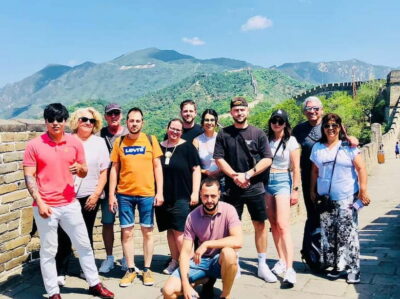
Mutianyu Great Wall Daily Tour with Ticket & Lunch
Read our review →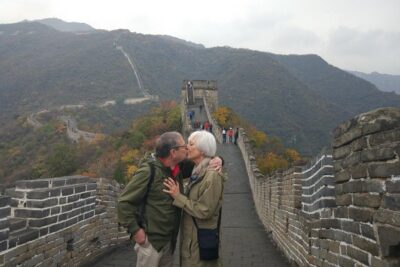
All-Inclusive Tour: Tiananmen Square, Forbidden City, Great Wall
Read our review →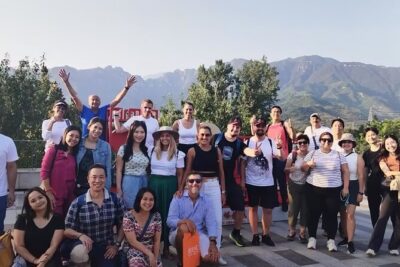
MuBus: Mutianyu Great Wall ENG/ESP/RUS Guided Bus Tour
Read our review →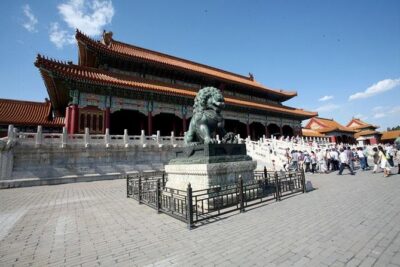
Tian’anmen Square & Forbidden City W Optional Tours
Read our review →