
Reviewed · FOOD & DRINK
5-Hour Sai Kwan Walking Tour with Unique Food Tasting
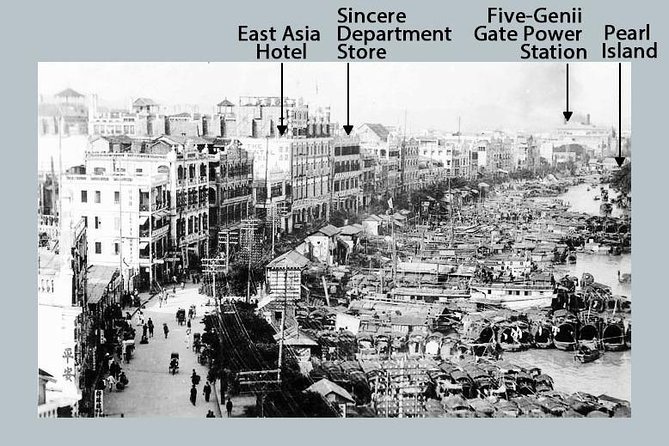
This 5-hour Sai Kwan walking tour is interesting because it ties Cantonese food tastings to real, day-to-day Guangzhou places most first-time visitors never plan to see. You get a guided walk through historic streets and markets, with context you can actually use while you’re there.
I really like two things about this experience. First, you start with a local dim sum lunch at Tianzi Wharf, then keep sampling as you go. Second, the route is flexible, so the guide can steer the day toward what you care about, and you’re not stuck in a rigid script.
One consideration: communication can be a bit uneven. The guide’s English may not be perfect, and at times the voice is quite soft, so you may need to ask questions more than once.
Key things to know before you go
- Private, not packed tour: your group goes together with a local guide (and it can feel more personal than big group walks).
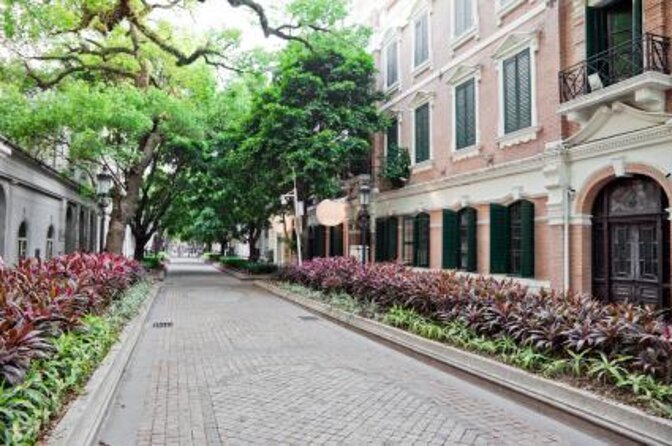
- Real Guangzhou stops: Sai Kwan area streets plus Shamian Island, Qingping Medicine Market, Shangxiajiu Pedestrian Street, and Liwan Lake Park.
- Food is part of the story: dim sum at Tianzi Wharf and desserts along Shangxiajiu, with tastings tied to Cantonese culture.
- Pickup and handoff: hotel meet up is included for central areas, and you end at Zhongshanba station.
- Works in any weather: it runs in all conditions, so dress for heat, humidity, or rain.
A focused half-day in Guangzhou’s Sai Kwan district
If you only have a small window in Guangzhou, you usually face a choice: either do a “see the sights” walk that feels disconnected from food, or do a “food only” plan that lacks context. This tour tries to stitch both together. You walk key areas of the Sai Kwan side of town, and the guide explains the why behind what you’re seeing, from old trade stories to daily market life.
It’s also built for people who want momentum. The day is about 5 hours total, with short stops that keep you moving but not constantly. The tour runs in all weather, so it’s designed for reality, not fantasy.
Price-wise, it’s $71.80 per person, which can feel higher than a DIY map day. The value comes from having a local guide, hotel meet up, and a route that hits multiple neighborhoods in one clean loop. The tradeoff is that you should plan to pay for food and drinks separately, since the tour covers the guide and included activities but not meals.
More eating and drinking in Guangzhou:
- Private Guangzhou Food Tour Michelin Restaurant&Local Food Market
★ 5.0 · 32 reviews - Private flexible Guangzhou City Sightseeing Tour with Dim-Sum Tasting
★ 5.0 · 5 reviews - Authentic Local Food Tour in Central Shanghai
★ 5.0 · 1,382 reviews
Tianzi Wharf lunch: dim sum as your starting point
You begin at Tianzi Wharf with lunch at a local neighborhood restaurant, focused on dim sum. This is a smart opener. Instead of starting with photos and history lectures, you ease into Cantonese culture through what people actually eat.
The time here is about 1 hour, which is enough for a proper sit-down lunch without dragging the schedule. You’ll want to keep your appetite for the rest of the walk, because later stops include desserts and additional tastings.
A practical heads-up: food and drinks are not included, so you’ll be paying for what you eat. The tour is still “food tasting” in spirit, but you should treat it as a guided meal experience, not an all-inclusive banquet.
If you’re new to dim sum, don’t overthink it. Point out what looks good on the table or menu, and ask the guide what locals choose. Your goal is variety, not perfection.
Shamian Island foreign concessions and the trade stories behind them
After lunch, you head to Shamian Island for a walk through the foreign concession area. This part is shorter, around 30 minutes, but it hits the tour’s “history with a heartbeat” theme.
You’ll learn about the foreign trading presence in Canton (Guangzhou) and how major conflicts shaped what the area became. The guide connects the dots between Guangzhou’s role in old trade routes and larger events like the Opium War era, so the streets and architecture stop feeling random.
This stop works well even if your history brain is tired. The environment gives you anchors. You can look around, then get a story that makes the space make sense. That’s the payoff of a guided walk, especially in a city where one neighborhood can feel like a totally different world.
Tip: if you’re sensitive to heat, use this shorter stop to take a breather. It’s a good time to pause, hydrate, and let the guide’s explanation land before you move back into the market and shopping zones.
Qingping Medicine Market: learn without turning it into a shopping trip
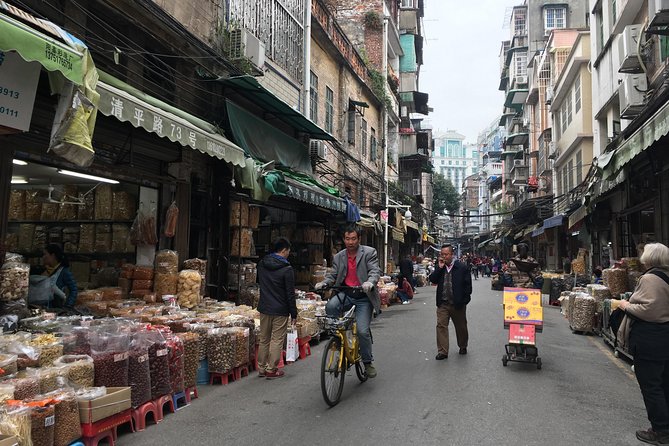
Next comes the Qingping Medicine Market, again about 30 minutes. This is one of the most “local life” stops on the route, and it’s also one of the easiest to misunderstand if you go in expecting a Western-style store visit.
You’ll see a traditional Chinese medicine market setting and learn how it’s believed to work. The goal here is comprehension, not collecting bottles. Even if you’re not planning to buy anything, you’ll come away with a better sense of how herbal medicine fits into everyday Guangzhou culture.
If you do want to purchase something, keep your expectations grounded. The tour includes the guide and market visit, but it does not include personal expense. Also, the type of items sold can be unfamiliar, so go slowly and ask what something is used for before paying.
This stop is especially worth it if you enjoy street-level culture. Markets like this are where cities show you their practical side.
More walks in Guangzhou:
- Guangzhou Walking Tour To Explore The Old Xiguan Area
★ 5.0 · 17 reviews - Guangzhou: Walking Tour of Xiguan Ancient Town
★ 4.6 · 14 reviews - Beijing Hutong Walking Food and Beer Tour at Hidden Restaurants
★ 5.0 · 1,132 reviews - Private Beijing Walking Tour of the Forbidden City with 7 Options
★ 5.0 · 675 reviews
Shangxiajiu Pedestrian Street: desserts and a break from the grind
Then you shift to Shangxiajiu Pedestrian Street for about 1 hour. This is the area most people recognize from Guangzhou, but it’s still valuable in a guided format. You’re not just wandering. You’re walking with someone who can tell you what’s typical and what’s worth your attention.
The tour includes chances to try local desserts here. It’s not just about sugar, though. Dessert is a great way to sample Cantonese tastes without committing to a full second meal. You get to try something fun, then keep going.
One drawback to be aware of: if you’re expecting every single item to be world-class, recalibrate. Some people find the food part good but not mind-blowing, and that’s consistent with how tasting walks often work. What saves it is the context and the route to get you there.
Practical advice: pace yourself. Dessert can be light, but it can also be heavy depending on what you choose. With a longer final stop still ahead, don’t let your sugar plan wipe out your energy.
Liwan Lake Park and off-the-beaten-path old-town streets
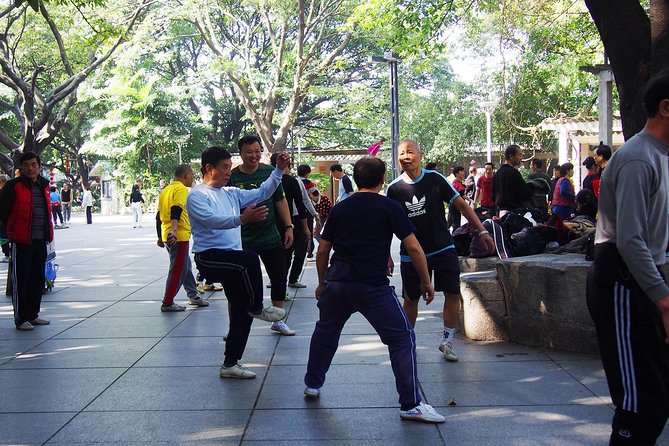
The final leg is where the tour starts to feel like a real neighborhood stroll. You head toward Liwan Lake Park, with about 2 hours for walking and exploring.
This part includes a walk along old town streets that feel less like a designed tourist route. You’ll also visit wet market areas, and then reach Liwan Lake Park, which is important to daily Guangzhou life. The tour doesn’t just point at scenery. It explains why this kind of space matters to locals.
There’s also a Taoist Temple stop as part of the flow. That’s a meaningful cultural contrast after the market energy and dessert stops. If you’ve been craving variety, this is where you get it: food zones, everyday streets, park calm, and religious heritage all in one finish.
Wear comfortable shoes. You’ll likely log a fair number of steps by the end, and this is the part where foot comfort matters most. Also, if the weather is rainy or humid, expect the ground underfoot to change how the walk feels.
How much walking is really involved?
The tour is built as a walking tour, with multiple stops and short segments between them. The overall duration is about 5 hours, but the real question for you is pacing.
Here’s what you can plan for, based on the structure of the day:
- A sit-down lunch segment at the start
- Two shorter market or landmark visits (each about 30 minutes)
- One longer shopping street walk (about 1 hour)
- A final neighborhood and park segment (about 2 hours)
That means you’re not constantly sprinting. You’ll have built-in pauses. Still, it’s not a museum tour where you sit every 10 minutes. If you have back problems or mobility limits, this is not the best match based on the tour’s own guidance.
Pregnancy is also flagged as not recommended. If that applies to you, it’s worth looking for a more ride-based option.
Price and value: where the $71.80 really goes
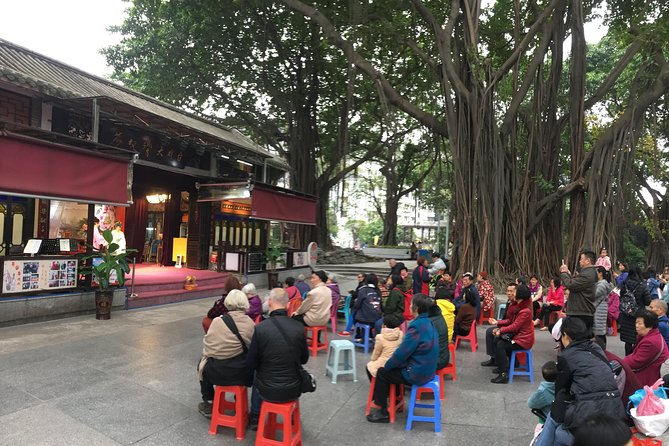
Let’s talk value, because the price is the question most people have first.
You’re paying for several components:
- A private guide for your group
- Hotel meet up (for central Guangzhou)
- A route that connects multiple neighborhoods efficiently
- An included souvenir
- Mobile ticket convenience
You are not paying for:
- Transportation to and from attractions
- Food and drinks
- Personal expenses
So how do you make it worth it? Go in with a food budget. Since you’ll be paying for meals and tastings, you’ll want to treat this as a guided spending day, not a free-food sampler.
If you compare it to doing the same route by subway and walking alone, the guide is what you’re buying. In a city with different language and local context, a guide can save you hours of guessing. The other value is time. In one half-day, you get Sai Kwan area flavor plus stops like Shamian Island and Shangxiajiu, which would take planning on your own.
If English is crucial for you, keep the communication consideration in mind. The experience can still be strong, but you may need to work a bit harder to get every detail.
Your guide experience with Janvi: flexible routes, soft voice, real local focus
The tour is run through Janvi Off The Beaten Path Tours, and Janvi is the guide name you may meet. One of the strongest praises linked to this experience is that the guide can adapt the route to the group, instead of forcing a one-size-fits-all itinerary.
That matters. If you’re more interested in markets than architecture, or you want extra time to snack, a flexible guide can steer the day better for you.
The other point to take seriously is the communication style. Some people found the English not perfect and the voice too soft to hear easily. That doesn’t mean the tour isn’t informative. It just means you should plan for a little back-and-forth, especially with explanations.
Practical fix: ask for clarification at each stop. If you don’t catch something, ask again right away rather than waiting until the next location.
Also, your best “technology” on this tour is a ready list of questions:
- What should I try that locals eat?
- What does this market trade usually include?
- Why is this area shaped by that history?
Getting from the start to the finish without stress
The tour starts at 11:00 am. The meeting point is listed near 68 Bei Jing Lu, Yue Xiu Qu. If you’re in a central Guangzhou hotel area, hotel meet up is included, which reduces the hassle of finding the exact spot.
You’ll end near Zhongshanba station on Metro line 5. That matters because it helps you connect to the rest of your day after the tour. You’re not left stranded in a random corner with no clear exit plan.
Transportation to and from attractions is not included, so if you’re not getting pickup, you’ll want to plan your metro or taxi route before you start.
Who this tour fits best
This is a strong option if you:
- Are a first-time visitor who wants to cover several key areas in one walk
- Have limited time and want an efficient loop
- Like food tied to culture, not just food for photos
- Enjoy markets and neighborhood streets more than big-ticket monuments
It may be a less ideal fit if you:
- Need very clear English interpretation at all times
- Have back problems or other mobility concerns
- Are pregnant and would rather avoid extended walking
If you fall into the “first-time but curious” category, this is the kind of tour that helps you get your bearings fast.
Should you book this 5-hour Sai Kwan food walking tour?
I’d book it if you want a guided, food-connected neighborhood experience that saves planning time. The dim sum lunch at Tianzi Wharf is a solid anchor, and the stops like Qingping Medicine Market, Shamian Island, Shangxiajiu, and Liwan Lake Park give you a day that feels like Guangzhou, not a checklist.
Go ahead and book if you’re comfortable paying for food and you’re okay with the guide’s communication possibly requiring a bit of patience. That trade can be worth it, because the route is thoughtful and the guide adapts to your interests.
Skip it if hearing detailed explanations clearly is non-negotiable for you, or if walking for the full half-day is a problem.
In short: this is a good value way to get taste, context, and local texture in one smooth 5-hour block.
Latest reviews from Guangzhou
- Foshan Cultural One Day Tour including Ancestral Temple & Nanfeng Ancient Kiln★ 4.0 · 5 reviews
- Private flexible Guangzhou City Sightseeing Tour with Dim-Sum Tasting★ 5.0 · 5 reviews
- Guangzhou: Textile Hub and Garment Factory Half-day Tour★ 5.0 · 5 reviews
- Seven Star Crag and Dinghu Mountain private day tour from Guangzhou★ 5.0 · 5 reviews
- All Inclusive Kaiping Diaolou Heritage Private Day Trip from Guangzhou★ 5.0 · 5 reviews
- Kaiping Private Day Tour From Guangzhou★ 4.8 · 6 reviews
- Private Guangzhou Night Tour with Canton Tower and Pearl River VIP Class Cruise★ 5.0 · 6 reviews
- Skywalk Glass Bridge Waterfall Mountain Ancient Cave Private Tour★ 4.5 · 6 reviews
Food & Drink, compared.
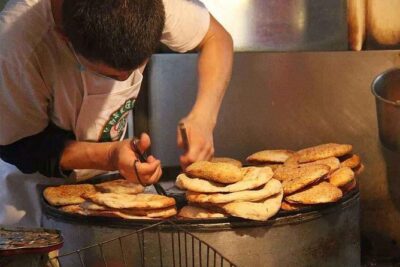
Authentic Local Food Tour in Central Shanghai
Read our review →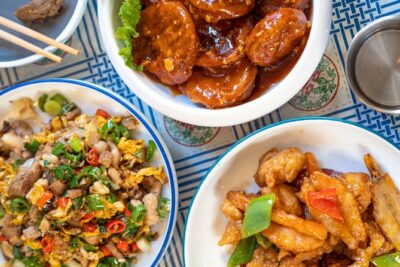
Beijing Hutong Walking Food and Beer Tour at Hidden Restaurants
Read our review →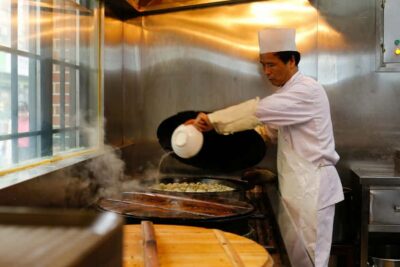
Hong Kong’s Tin Hau Hidden Eats Food Tour with 7+ Local Tastings
Read our review →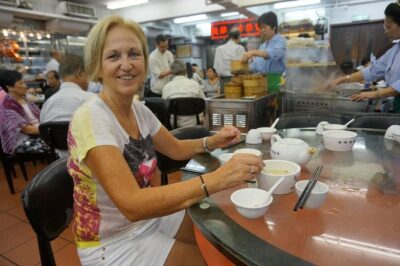
Browse the lists this tour appears in