
Reviewed · WALKING TOURS
Private 2-Hour Walking Tour of Shanghai’s Jewish Ghetto
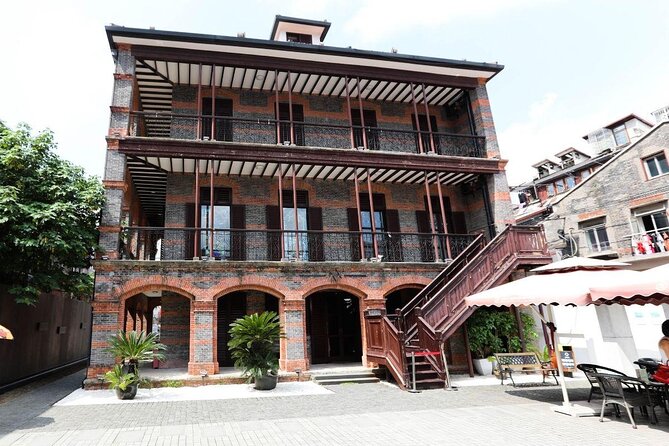
Shanghai’s Hongkou District tells a story that feels both specific and surprising. In just 2 hours, you’ll move through places tied to Jewish refugees, then see how that history sits beside everyday city life.
I love how this tour starts at the Ohel Moishe Synagogue site, now the Jewish Refugees Museum, and uses the neighborhood itself as the lesson. I also like that some guides bring in personal family connections, like stories shared by guides such as Mason and Annie, which turns history into something you can almost touch.
One drawback to plan for: the route isn’t only synagogues and Jewish landmarks. You’ll also spend time at a Buddhist site, Xiahai Temple, plus a local neighborhood look at daily life, so if your top priority is purely Jewish sites, go in with eyes open.
Key points to know before you go
- Ohel Moishe Synagogue site: you start where the Jewish refugee story is physically anchored.
- Help and memory in the street layout: you walk past places tied to relief work and Jewish memorials like those connected with Huoshan Park.
- A guided neighborhood walk: you see how people live now, not just how the past looked.
- Xiahai Temple in the ghetto story: you get an explanation of how a Buddhist temple fit into the Jewish ghetto setting.
- Private format: just your party, which helps if you have questions or need a slower pace.
Hongkou Jewish ghetto in 2 hours: what this walk gets right
This tour is for people who want context, not just captions. Hongkou can look like any working district in Shanghai, with regular streets, parks, and storefronts. The twist is that your guide frames what you see through the lens of refugees, aid organizations, and surviving community life during turbulent decades.
The private format matters more than it sounds. With no need to herd a big group, the guide can adjust pacing for your questions, pause for better street-level orientation, and steer you toward the parts of the story you care about most. In practice, that’s why this tour often feels moving: you’re walking, talking, and processing at human speed.
Still, this is a short tour. You’re not getting every major site in the district. You’re getting a guided slice that ties together several key locations connected to the Jewish refugee era, then ends with a look at a religious site that isn’t Jewish. That last piece is where priorities can clash, and your expectations should match the route.
More Walking Tours in Shanghai
- Shanghai City Guided Walking Tour | China’s 1st and Best Rated
★ 5.0 · 285 reviews - Shanghai Breakfast Walking Tour of Former French Concession
★ 5.0 · 139 reviews - Private Shanghai Evening Street Food Walking and Cruise Tour
★ 5.0 · 123 reviews
Start at Chang Yang Lu: making the meeting point easy
The tour meets at Changyang Road, Chang Yang Lu, in Yangpu District, and it ends back near the meeting point. Because you’re starting in a real neighborhood, not a tourist plaza, you’ll have a better time if you do two small things.
First, give yourself a little extra time to find the exact spot. Second, have your phone map ready offline. Shanghai subway stations and streets can be easy once you’re oriented, but arriving right on time with no plan is where stress comes from.
You’ll also be walking. Even if the stops are relatively close, wear shoes you trust for uneven sidewalks and lots of turns. This is the kind of tour where your pace affects what you can absorb.
The Jewish Refugees Museum at the Ohel Moishe Synagogue site
The tour’s first big stop is the Shanghai Jewish Refugees Museum, located at the Ohel Moishe Synagogue site. This is the anchor point of the story. Here, the Jewish refugee experience is explained in a way that’s tied to place, not just a timeline.
What you’ll likely appreciate most is that the museum doesn’t treat the story as distant. You’re walking the neighborhood right after, so the museum becomes a mental map. After you see the exhibits, the streets make more sense: why certain corners mattered, why community life formed where it did, and why later landmarks feel connected rather than random.
One practical thing: museums can take more time than you expect, especially if you’re asking questions. Some guides have a way of speeding the museum visit so you still get the full walking route. Others take their time and let you linger. In short, plan to bring your patience and your curiosity, because the museum is where most of the emotional weight starts.
Also note this timing reality. In at least some cases, the museum visit can end up feeling like the main event, with the walking portion serving as supporting context. If you’re the kind of visitor who wants a wider range of outside sites, it’s smart to ask your guide what areas they consider the key highlights for your interests before you start.
Joint Distribution Committee area and Huoshan Park: aid and remembrance in motion
After the museum, you’ll walk past sites connected to relief work, including the American Jewish Joint Distribution Committee. This is where the story shifts from survival to assistance. The guide’s job here is to help you understand what help looked like on the ground, not just in speeches.
Then you head to Huoshan Park, a green pause in the middle of the district. Parks are useful on tours like this because they slow you down, and you can actually think between stops. You’ll also see a monument that memorializes Jewish immigrants. Even if you don’t consider yourself a monument person, this is one of those moments where the guide’s explanation helps the names and symbols connect to the bigger narrative you’re building.
I like Huoshan Park on this itinerary for a very practical reason. You get a break from street-level noise and you’re less likely to feel rushed. If you go when the weather is rough, you might still enjoy the walk, but that park moment can help you reset your attention.
More walks in Shanghai:
- Shanghai: Evening Walking Food Tour
★ 4.9 · 115 reviews - French Concession Guided Walking Tour | China’s 1st & Best Rated
★ 5.0 · 91 reviews - Private Walking Tour in the Former French Concession
★ 5.0 · 67 reviews - Shanghai Highlights Walking Tour With A Real Local-Tip Based
★ 4.8 · 65 reviews
The ghetto neighborhood walk: everyday life, not just history plaques
The tour doesn’t end at buildings. It moves into a local neighborhood where daily life plays a role in the experience. You’ll have a chance to see craft shops, fresh seafood stalls, and small, rustic restaurants in the area as you walk through.
This part is valuable because it turns the ghetto story from a museum exhibit into a living city layer. You’re not only learning about what refugees endured. You’re also seeing what Shanghai looks like now, in the same district. That contrast can be startling in a good way.
One caution: this neighborhood portion can feel lighter or more observational depending on your guide and your interests. If what you want most is Jewish religious sites and refugee history details, the day-to-day shopping and street life can feel like a detour. If, however, you want a fuller picture of how history exists inside a real modern neighborhood, this is where the tour earns its place.
A tip for getting the most from this section: ask your guide what details you should notice. For example, which buildings or street features relate to the historical community pattern they’re explaining. When you know what to look for, the walk turns from sightseeing into understanding.
Xiahai Temple: why a Buddhist temple belongs in this story
The final major stop is Xiahai Temple, a site that has been called the fish man’s temple in the past. On this tour, you’ll hear how a Buddhist temple played a role within the Jewish ghetto setting.
This is the stop that creates the biggest split in experience quality for different visitors. If you’re there for Jewish religious landmarks only, you might feel this section breaks your focus. If you’re there for the broader reality of how communities coexisted and adapted in a crowded city environment, it can be the most eye-opening part of the whole route.
I like this stop when I hear the explanation connect to everyday survival and neighborhood dynamics. It’s not about turning the tour into a Buddhist history lesson. It’s about understanding how multiple faiths and community needs overlapped in the same area.
Still, you should be honest about your interests. If Jewish sites are your only goal, consider asking your guide to spend extra time on the museum area or on street-level context before you reach the temple stop. Some guides can pace the route in a way that gives you more of what you care about.
Guide style matters more than you’d expect
This is a private tour, but guide variation can be real. Some guides are praised for clear English and strong storytelling. Names that come up in memorable way include Mason, Masin, Mary, Zoe, and Annie, with several people specifically calling out excellent English and strong explanations.
I’d treat that as a sign of what to look for, not a guarantee. If you book and you can send any message ahead of time, do it. Even a short note about what you care about most can help your guide shape the talk. For example, if you want maximum Jewish focus, say that plainly. If you’re open to the broader ghetto story including Xiahai Temple and local neighborhood life, say that too.
Also, ask questions as you walk. This tour works best when you treat it like a conversation, not a lecture. The best moments usually happen when your guide connects something you see on the street to the historical meaning you just heard in the museum.
Price and value: what you’re paying for in a private format
The price is $131.28 per person for a private 2-hour walking tour. That’s not cheap, especially if you compare it to museum tickets alone. But you’re paying for more than entry.
You’re paying for:
- a local English-speaking guide who connects multiple stops into one coherent story
- museum and temple admission that are included
- a private walk, which means you can ask questions without sharing your guide with a larger crowd
Is it worth it? For the right kind of traveler, yes. I think it’s most worth it if you care about human-scale history and you want an informed guide to interpret what you see, not just read plaques.
It can feel overpriced if you end up thinking the museum is doing most of the work while the rest feels like a side trip, or if the guide’s Jewish historical context doesn’t match what you hoped for. That’s why your pre-trip expectations matter.
If you’re on the fence, one good strategy is to go into the tour with a clear mental checklist: you want the Ohel Moishe Synagogue museum, the relief and memory context around Huoshan Park, and you’re okay with at least one religious stop outside Judaism, which is Xiahai Temple.
How to get the most from your 2-hour walk
Because time is tight, you’ll enjoy the tour more if you do three things.
First, decide your priority. If Jewish refugee history is your main goal, tell your guide at the start so they can spend more time on the museum context and ghetto street meaning.
Second, keep your questions short and specific. You’re walking, so long lectures get tiring fast. Ask things like what this place means, why this site matters, or how the explanation connects to what we just saw inside.
Third, bring clothing and shoes for real walking. Even if the route is manageable, Shanghai neighborhoods can be humid, and rain can change the feel of stone, sidewalks, and parks. One day of weather can turn a simple walk into a wet shuffle, so plan accordingly.
Should you book this Jewish ghetto walking tour?
Book it if you want a guided, place-based introduction to the Jewish refugee story in Hongkou, and you value a tour that connects museum exhibits with street-level context and modern neighborhood life. It’s especially a good fit if you enjoy hearing personal stories, even when the personal connection comes through the guide’s family or local perspective.
Think twice if you want a strictly Jewish-sites-only route. This tour includes time at Xiahai Temple and a look at current daily life in the area, so you need to be okay with that mix. Also, because guides can vary, if you’re very sensitive to accuracy and historical depth, message ahead with what you want and show up ready to ask.
If your goal is to get oriented quickly, understand the key landmarks, and leave with a story you can remember, this private walk is a solid choice for your Shanghai time.
FAQ
How long is the private walking tour of Shanghai’s Jewish Ghetto?
The tour lasts about 2 hours.
Is this a private tour?
Yes. It is a private tour/activity, so only your group participates.
Where does the tour start and end?
It starts at Changyang Road (Chang Yang Lu, Yangpu District, Shanghai) and ends back at the meeting point.
What is included in the tour price?
The tour includes the private walking tour and a local English-speaking guide. Admission tickets are included for the Shanghai Jewish Refugees Museum and Xiahai Temple.
What is not included in the tour?
Food and drinks are not included, and there is no hotel pickup or drop-off.
Is the tour accessible for most travelers?
Most travelers can participate. The tour is near public transportation, and service animals are allowed.
What is the cancellation policy?
You can cancel for a full refund up to 24 hours in advance. If you cancel less than 24 hours before the start time, the amount paid is not refunded.
Latest reviews from Shanghai
- Shanghai to Beijing Bullet Train Ticket with Hongqiao Station Transfer★ 5.0 · 5 reviews
- Hangzhou Private Day Trip by Bullet Train from Shanghai★ 4.5 · 5 reviews
- Shanghai Era Theatre Acrobatics Show Ticket★ 5.0 · 5 reviews
- Online Cooking Class Fried Rice by Sunflower Li★ 4.5 · 5 reviews
- Shanghai in a Day: A Whirlwind Tour of the City’s Highlights★ 5.0 · 5 reviews
- Zhouzhuang and Tongli Water Town Private Transfer Service from Shanghai★ 5.0 · 5 reviews
- Shanghai Hongqiao Airport To Shanghai Hotel:Private transfer with Meet service★ 5.0 · 5 reviews
- Private Shanghai City Day Tour with Best Highlights and Shopping★ 5.0 · 5 reviews
Walking Tours, compared.

Beijing Hutong Walking Food and Beer Tour at Hidden Restaurants
Read our review →
Private Beijing Walking Tour of the Forbidden City with 7 Options
Read our review →
Dark Side of Hong Kong – Kowloon Caged Homes Walking Tour
Read our review →
Forbidden City Private Walking Tour with Optional Sights
Read our review →
Forbidden City and Tian’anmen Square Walking Tour
Read our review →
Shanghai City Guided Walking Tour | China’s 1st and Best Rated
Read our review →
Introduction to Hong Kong: Central Tip Based Walking Tour
Read our review →Browse the lists this tour appears in