Reviewed · FOOD
Flavors of Beijing: Eat Like A Real Chinese
What makes Flavors of Beijing interesting is that you start with real market shopping and end with dinner in a local hutong home. It is not a demo. You walk, choose ingredients, learn core techniques, and sit down to eat your own food in a family setting.
I love two things most. I like Chef Chao’s calm, patient teaching style, especially when it comes to spices, sauces, and hands-on work with woks and cleavers. I also like the fresh ingredients part, because the market walk is where you learn what things look like, how they taste, and how Chinese cooking builds flavor from the ground up.
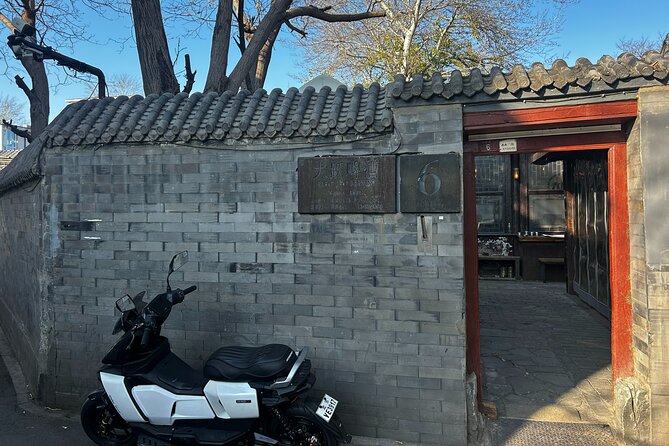
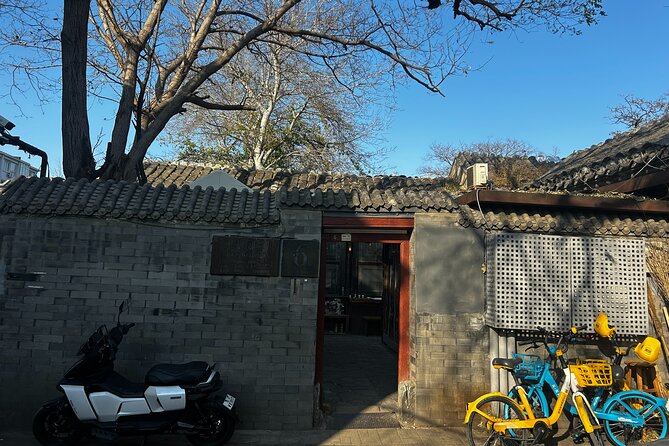
One consideration: there is no hotel pickup, and this class is tucked into a residential address in the hutong, so you will want to pay close attention to the exact location and street numbering. In one review, people specifically warned that there may not be an obvious outside sign, so arriving with the meeting details matters.
Key highlights at a glance
- Chef Chao’s teaching focuses on spices, sauces, and technique, not just recipes
- Market tour for ingredients gives you the why behind what you cook
- Hutong home cooking makes it feel like local life, not a staged studio
- Wok and cleaver skills show up in the cooking process right away
- Daily changing menu, including at least one vegetarian dish
- Small group size max 12 travelers, so you get real attention
From Bell and Drum Towers to a Hutong Kitchen
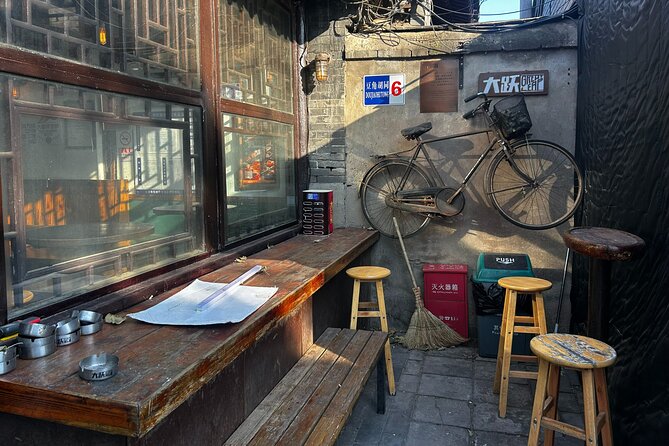
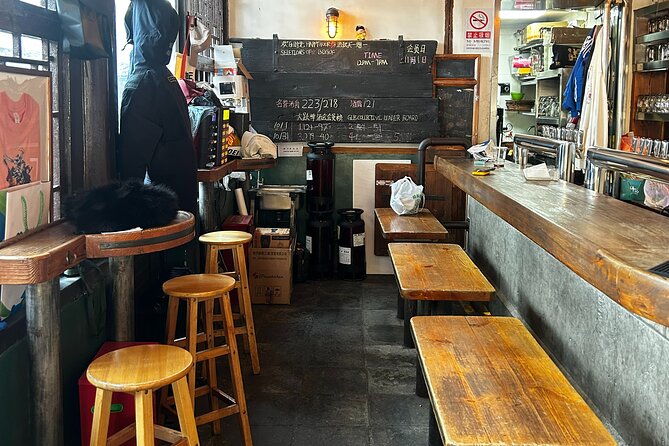
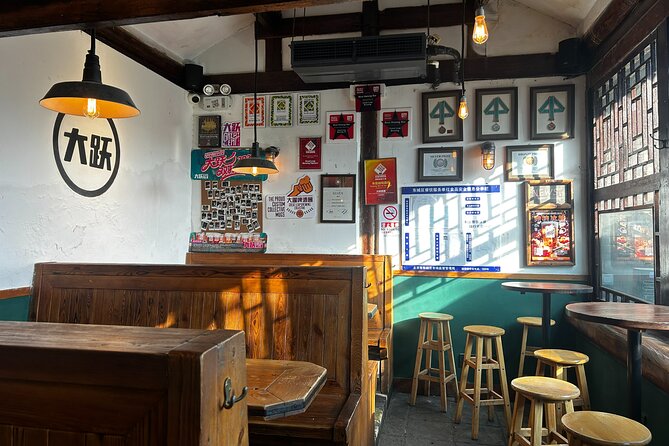
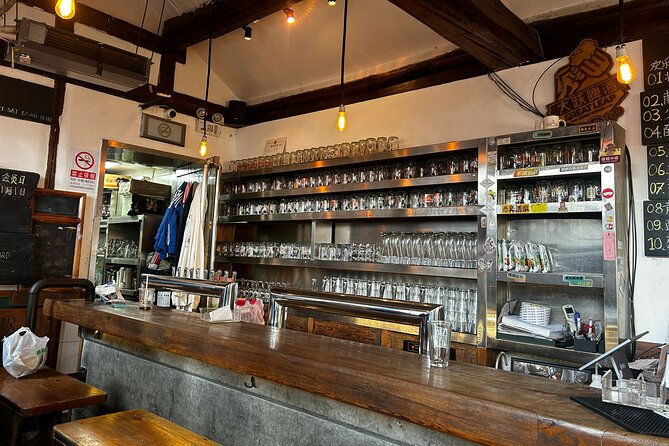
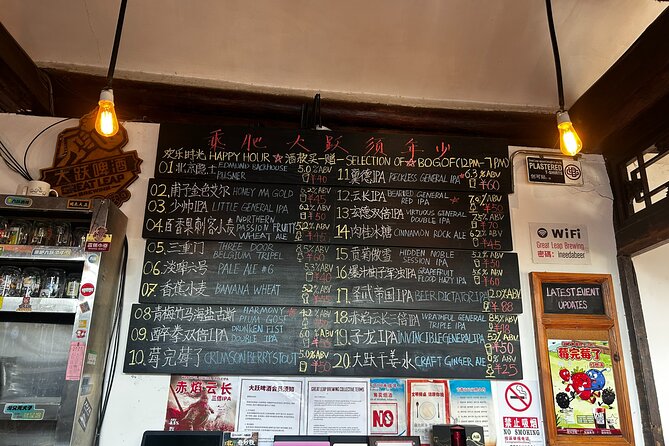
This experience mixes two kinds of Beijing: classic landmark Beijing and everyday neighborhood Beijing. You start at the subway Line 8 area near Jiu Gu Lou Da Jie, then you move through a short sequence of famous points and streets, including Bell and Drum Towers, Yandai Xie Street, and a stop at Yinding Bridge. Along the way you also pause at Great Leap Brewing Original #6, with drinks not included, and you finish the walk route around Songzhu Temple and Zhizhu Temple.
Here is why that matters for the value of the class. You are not just being dropped off at a cooking school and told where to stand. You build a sense of place first, so when you turn into the hutong alleyways, it feels like a real transition from the public face of the city to the private food world where families actually cook.
Timing is part of the deal. The listing calls the activity about 3 hours, while the description frames it as a roughly 5-hour cooking class experience. In practice, you should expect a half-day commitment with walking, shopping, prep, cooking, and eating. If you only have a tight window on your schedule, plan a little buffer around lunch time.
What else people fit into the same Beijing trip:
- From Beijing: Mutianyu Great Wall Tours with Options
★ 4.9 · 9,216 reviews - Beijing: Forbidden City Tour(Group/Private)-Tickets Included
★ 4.8 · 7,974 reviews - Beijing: T-Square & Forbidden City Group or Private Tour
★ 4.8 · 4,446 reviews
The Market Walk That Actually Changes How You Cook
The heart of this tour is the market stop and the ingredient choices you make there. You begin by meeting your guide at the central meeting point, then head to the food market to browse stalls and pick out ingredients. This is not a quick photo stop. It is a shopping tour with explanation, so you learn what is fresh, what to look for, and how ingredient selection affects taste once you start cooking.
You also get something many cooking classes skip: a sense of Chinese flavor logic. Your guide helps connect produce and pantry items to what you will cook later, so when you see vegetables, proteins, and condiments, you understand how they fit into dim sum fillings, stir-fry sauces, noodle seasonings, and more.
A detail that comes up in strong reviews is how memorable the sensory side is. People talk about the smells, colors, and the sheer variety in the market. That matters because Chinese cooking often depends on quick decisions. When you cook later, you are not guessing. You are drawing on what you already saw and bought.
The Hutong Home Setup, and Why It Feels More Real
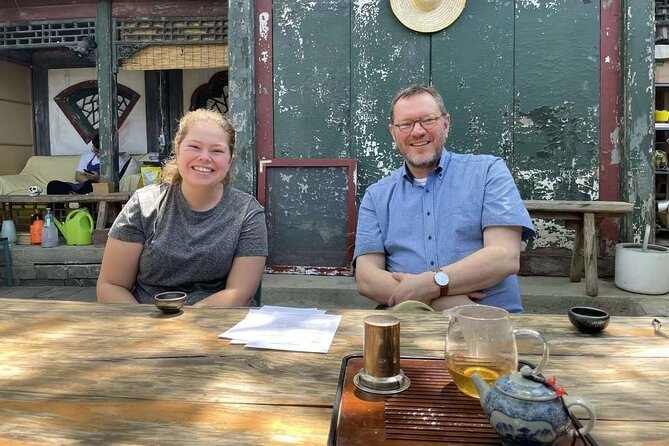
After shopping, you head down hutong alleyways to the cooking location, which is described as a local family’s home. That means you cook in a real residential environment, not a generic commercial kitchen. Reviews also highlight that the kitchen can run hot, especially in summer months, so wear breathable clothes and be ready for real cooking conditions.
Kitchen comfort is practical here. Bring layers you can handle. You will be moving, standing at a counter for prep, and working near heat from woks and steam. If you run cold easily, you will probably want a light layer that you can leave in a bag later.
Group size is kept small, with a maximum of 12 travelers. That usually translates to more chances to ask questions and more time with the instructor when you need it. One person even experienced a near one-on-one day, which shows the class can flex depending on how many sign up.
Condiments, Spices, Woks, and the Cleaver Lesson
This is where you pick up the core skills that make the cooking transferable. The plan includes a condiments class, and you also learn how to use a wok and a cleaver. You are not just chopping ingredients. You learn what to do with the tools and how technique supports flavor.
Pay attention to the way the cooking is taught. The class is structured around seasonings and sauce building, not just ingredient lists. That is why people mention understanding spices and sauces more than memorizing recipes. If you want to cook Chinese food at home, sauces and condiments are the real long-term payoff.
You will also practice the workflow. If your menu includes dim sum, you handle dough, fillings, and shaping. If you cook main dishes, you focus more on stir-frying, steamer use, and balancing sweet, sour, salty, and spicy components in the sauce.
And yes, you really do use a large cleaver, according to reviews. If you have never used one, do not worry. The point is learning safe, correct technique while the instructor keeps things organized.
A different sort of day out of Beijing:
- All-Inclusive Tour: Tiananmen Square, Forbidden City, Great Wall
★ 5.0 · 2,873 reviews - MuBus: Mutianyu Great Wall ENG/ESP/RUS Guided Bus Tour
★ 5.0 · 2,361 reviews - 4-Hour Small Group Tour to Forbidden City with Entry Tickets
★ 5.0 · 1,863 reviews - Beijing: Tiananmen Square Registration Service(Ticket)
★ 4.5 · 1,704 reviews
What You’ll Cook Daily: Dim Sum One Day, Stir-Fry Main Dishes Another
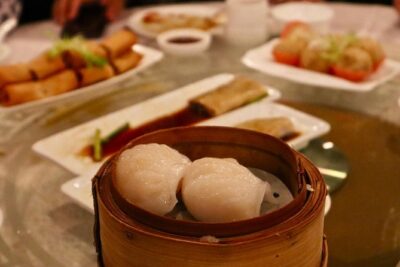
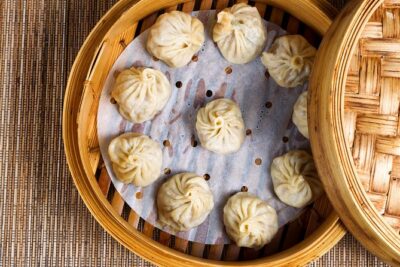
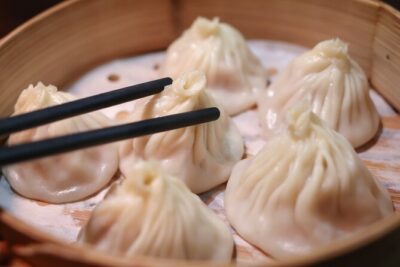
The daily menu changes, and the class includes a mix of dishes. Depending on the day, the experience can lean dim sum, with small steamed dumplings like barbecued pork buns and sesame rolls, plus noodle items. On other days, it shifts toward hearty main dishes inspired by different Chinese cuisines.
Examples of mains mentioned include ginger fish prepared in a steamer style, sweet and sour pork, and stir-fried chili beef. For noodle dishes, you may make stir-fried noodles as part of the menu.
One strong theme is how many dishes you end up working on, not just one. Several reviews describe making multiple dishes and handling different cooking methods, like steamed, boiled, and fried dumplings. That variety is a big reason this feels like a true class, rather than a short tasting tour.
Vegetarians have options here too. The format includes one vegetarian day in the schedule, and at least one vegetarian dish is prepared each day. On the vegetarian day, the menu is described as entirely meat-free for those who choose it.
The Vegetarian Option: Meat-Free, Not an Afterthought
If you eat vegetarian, this class is one of the more straightforward options in Beijing. The key is that the menu is planned to support vegetarian cooking rather than simply removing meat from a dish at the last second.
The schedule includes one day where you can choose an entirely meat-free menu. Even on non-vegetarian days, at least one vegetarian dish appears. That matters because vegetarian Chinese cooking often hinges on how you build flavor with seasonings, soy-based components, aromatics, and how you treat vegetables during prep and cooking.
In addition, reviews mention the class accommodated veganism for at least one participant, with explanation provided. The takeaway for you is simple: you should still confirm your preferences during booking and let the guide know clearly. But the structure gives you real options.
Eating What You Cook, Sitting at a Family Table
The end goal is not just learning technique. You eat what you make. After cooking, you sit down at a family table and feast on your dishes while chatting with your guide and group.
This part feels practical because the class teaches you how the food comes together, and then you immediately test it. If something tastes too salty, too bland, too spicy, you learn how the sauce balance works by tasting it in context.
Many reviews call out the quality of the final meal. People also highlight the satisfaction of dumplings made from scratch, including dough, fillings, and sauces. Once you have made dumplings once, you never look at store dumplings the same way again. The learning curve can be real, and reviews admit it is more detailed than people expect, especially with dough crimping. That effort is exactly why the reward feels so good.
Price and Value: What $99 Really Buys in Beijing
At $99 per person, you are paying for several components in one package: a guided market walk, cooking instruction in English, ingredient shopping (ingredients included), and equipment for the class. The experience also includes food tasting and a condiments component, which is where many cooking classes lose value because they skip the sauce logic.
Group size stays small (up to 12), which generally supports better teaching and less waiting. That is part of why reviews rate it so highly. People also mention receiving recipe notes to take home, often described as written instructions on paper. That makes the class more than a one-day event.
The only real cost angle you should consider is what is not included. Beer or drinks at Great Leap Brewing are not included. If you want to drink during that stop, you will pay separately. Also, hotel pickup and drop-off are not included, so build in your own local transit time.
Logistics That Help You Avoid Friction
Start time is 12:00 pm. You meet near Subway Line 8 at the Jiu Gu Lou Da Jie area, and the tour ends back at the meeting point.
No hotel pickup means you handle your own arrival. If your Beijing confidence level is still warming up, this is still manageable because the meeting point is near public transportation. Still, give yourself extra time to find the residential hutong address where the cooking happens. One review specifically warned that there may be no outside sign, so follow the provided numbered address details carefully.
A few practical clothing and gear ideas based on what people experienced:
- Wear comfortable shoes for walking through the market area and alleys
- Expect heat in the kitchen during active cooking, especially in summer
- Bring a light layer if you get chilly around indoor airflow
- If you have dietary needs, communicate them early so the vegetarian menu plan fits you
Should You Book Flavors of Beijing?
Book this if you want a Beijing experience that feels lived-in, focused on real food choices, and built around technique. The combination of market shopping, condiments instruction, and cooking in a hutong home is the difference between tasting Beijing and learning how it actually tastes.
Skip it only if you want a quick, low-effort activity with minimal walking. This is hands-on cooking with market prep and a full meal at the end, so it is not a short break.
If you are the kind of traveler who loves food because you want to understand it, you will likely feel at home here.
FAQ
How long is the cooking class?
The duration is listed as about 3 hours, and the experience description frames it as a roughly 5-hour cooking class. Plan for a half-day commitment.
What time does the tour start?
The start time is 12:00 pm.
Where do I meet for the tour?
You meet at the subway area near Jiu Gu Lou Da Jie, Xi Cheng Qu, Beijing 100035, and the activity ends back at the meeting point.
Is hotel pickup included?
No, hotel pickup and drop-off are not included.
Does this class offer vegetarian options?
Yes. There is one vegetarian day on the menu schedule where you can choose an entirely meat-free menu. At least one vegetarian dish is prepared each day.
What dishes will I cook?
The menu changes daily. Depending on the day, you may cook dim sum items like barbecued pork buns or sesame rolls, plus noodles, or you may cook main dishes such as sweet and sour pork and stir-fried chili beef, along with other choices.
Are drinks included, especially at the brewery stop?
Beer or drinks at Great Leap Brewing Original #6 are not included.
How big is the group?
The class has a maximum of 12 travelers.
Do I get recipes to take home?
Yes. Reviews mention you receive recipe notes on paper that you can take home.
FAQ
Can I cancel for a full refund?
You can cancel up to 24 hours in advance for a full refund. Canceling less than 24 hours before the start time is not refunded.
Do I need a printed ticket?
The tour uses a mobile ticket. You will receive confirmation at booking time.
Latest reviews from Beijing
- SummerPalace or temple of heaven Ticket with guide(optional)★ 3.7 · 5 reviews
- Customized Private Beijing Layover City Tour★ 5.0 · 5 reviews
- Private Transfer to Longqing Gorge and Guyaju Caves Excursion by English Driver★ 5.0 · 5 reviews
- Half Day Mutianyu Great Wall private tour★ 5.0 · 5 reviews
- Private Tour to Yinshan Pagoda Forest w/Optional Activities★ 5.0 · 5 reviews
- Beijing Golden Mask Dynasty Show Discount Tickets★ 5.0 · 5 reviews
- Private Tour to Pearl Market Acrobatic Show & Peking Duck Dinner★ 5.0 · 5 reviews
- Terracotta Army Entry Ticket★ 4.8 · 5 reviews
Food, compared.
Authentic Local Food Tour in Central Shanghai
Read our review →
Beijing Hutong Walking Food and Beer Tour at Hidden Restaurants
Read our review →
Eat Like a Local Through Shanghai’s French Concession
Read our review →