
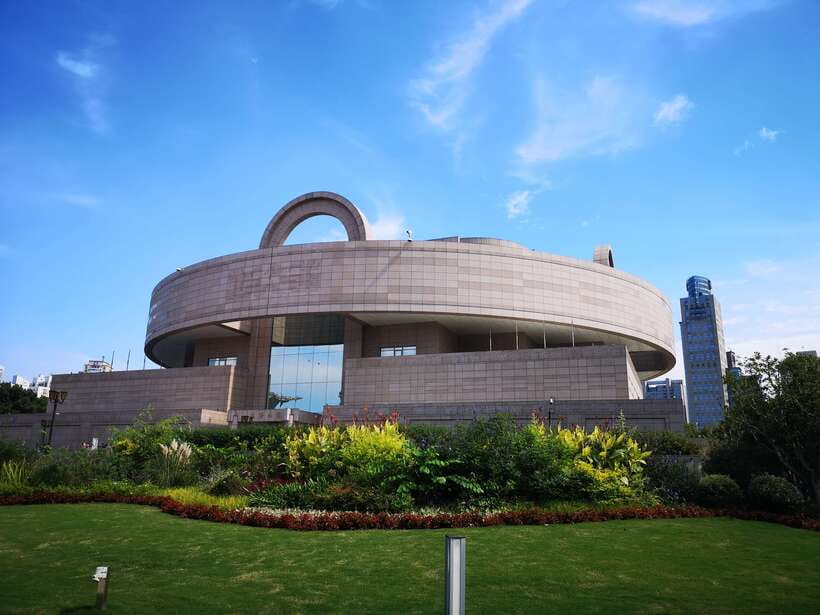
Reviewed · MUSEUMS IN SHANGHAI
Shanghai: Private Tour of the Shanghai Museum
A private 3-hour tour of the Shanghai Museum is interesting because you get a guided path and a clear story behind the objects. I like that you bring a local expert guide who makes the collections easier to understand, with explanations in English or Chinese that you can actually follow.
I also like the hands-on feel of the itinerary, even though you’re inside galleries. You’ll spend real time with bronze from the Shang and Zhou dynasties, ceramics from the Ming and Qing periods (including blue-and-white porcelain), and jade with meaning in Chinese tradition. The main consideration is that cameras are not allowed, so plan to take notes instead of relying on photos.
Key things I’d prioritize
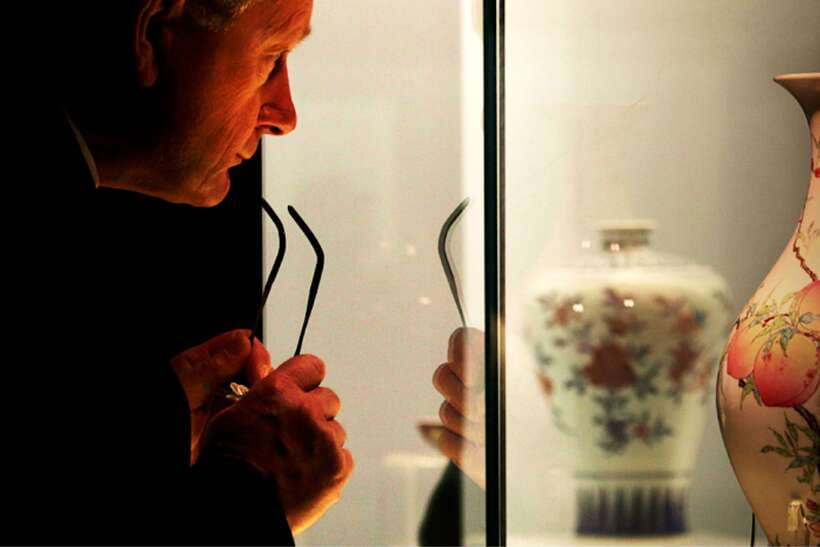
- A guide who gives context, not just facts, helping you connect bronze, porcelain, and jade to culture and daily life
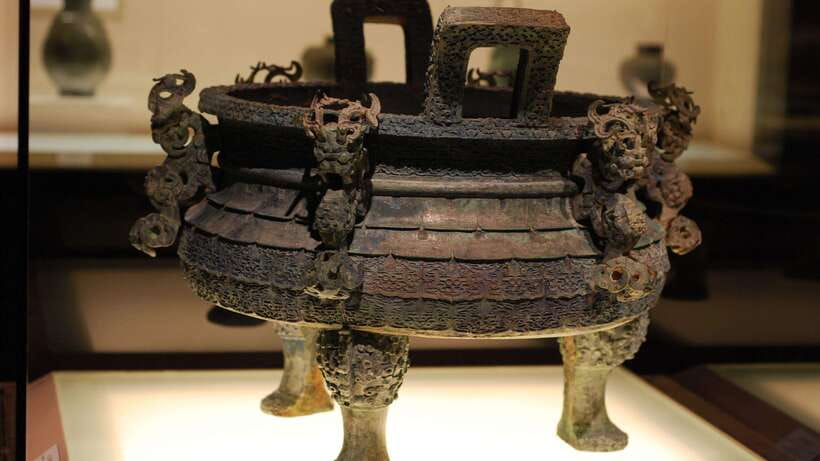
- Bronze from Shang and Zhou China, explained through rituals, weapons, and casting techniques
- Ming and Qing ceramics, with time for the look-and-learn details of famous blue-and-white porcelain
- Jade symbolism and carving, tied to tradition, burial objects, and ideas about purity and moral integrity
- Q&A at the end, so you can ask targeted questions and get direction for what to see next in the museum
Meeting at the Shanghai Museum East Wing, and how the guide finds you
This tour starts at the museum itself, at the entrance of the East Wing. The guide holds a sign with your name, so you can avoid that awkward guessing game of who is “the guide” in a crowd.
One practical detail I appreciate: the meeting point is specific, which helps if you arrive a little early. In past tours run by the same company, some guests have been contacted in advance with the exact meetup info, including via WhatsApp, so if that message arrives, treat it as the final word.
Also, no hotel pickup is included. That’s not a deal-breaker, but it does shift the logistics to you. You’ll want to plan to get to the East Wing entrance on your own and be there a few minutes before the set start time.
More Museums in Shanghai
- Shanghai: Xintiandi, CCP Museum and French Concession Tour
★ 5.0 · 9 reviews - Shanghai: Natural Museum tickets with guide(optional)
★ 4.8 · 8 reviews - Shanghai: Natural History Museum Admission entry ticket
★ 4.7 · 6 reviews
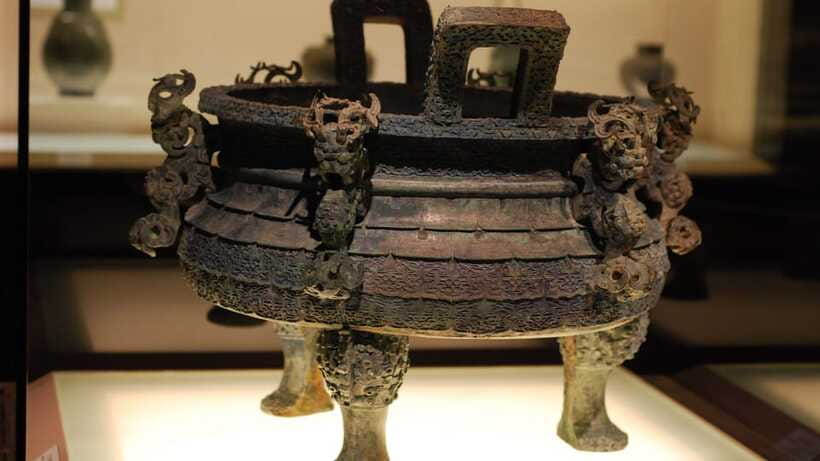
The Bronze Gallery: Shang and Zhou ritual vessels, weapons, and casting
Bronze is the perfect opener here because it answers a bigger question than people expect: why metal objects mattered in ancient Chinese society. Your guide starts in the Bronze Gallery with collections tied to the Shang (1600 to 1046 BC) and Zhou (1046 to 256 BC) dynasties.
You’ll focus on two main themes. First, you’ll learn about bronze as part of rituals, not just as decoration. Second, you’ll connect the objects to social and political structures, which gives you a lens for understanding what you see.
Ritual vessels and weapons usually do this best. The guide points out how these forms weren’t random. They reflected roles, ceremonies, and the status of the people using them. If you’ve ever looked at ancient art and thought, I like it, but I don’t get it, this is where the explanations start clicking.
A third thing that makes this part valuable is the attention to technique. The guide discusses advanced methods used in bronze casting. Even if you are not a crafts person, technique turns the museum from “stuff behind glass” into a story of skill, labor, and innovation.
Possible drawback to keep in mind: since cameras are not allowed, you’ll be relying on observation and note-taking. For bronze especially, I’d jot down a few terms your guide emphasizes, like the purpose of ritual objects, or what distinguishes different vessel styles. Later, those notes help you keep the “why” in your head.
Ceramics in the Ming and Qing galleries, including blue-and-white porcelain
Next comes ceramics, and this is where the tour moves from metal to something that feels more personal: the look, the glaze, the decoration, and how styles change over time.
You’ll focus on porcelain from different dynasties, particularly the Ming and Qing. The guide walks you through the evolution of ceramic art in China, including how styles develop and influence each other. This matters because it prevents you from treating each piece like an isolated artwork. You start to see patterns.
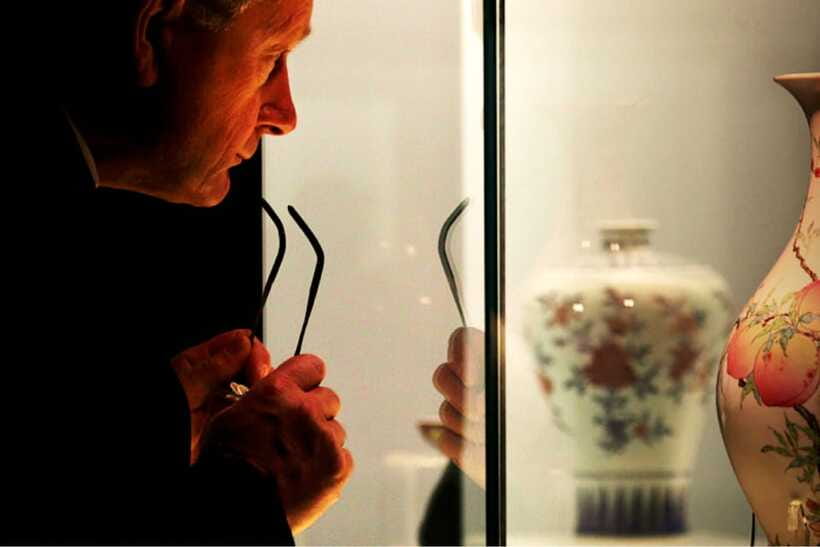
One highlight to expect is time spent with the famous blue-and-white porcelain. Your guide explains why it became so historically significant and what makes the designs worth your attention. In a museum setting, it’s easy to skim the ceramics and move on, but a guided pace helps you slow down long enough to notice how decoration tells a story.
If you love art and design, you’ll probably find this section keeps you engaged. If you’re more of a history person, it still works, because the guide connects aesthetics to cultural development across dynasties.
A small reality check: ceramics galleries can feel busy, even when you’re not in a crowd. You’ll get the most value when you treat this segment like a guided comparison. Ask your guide which visual details signal style or period, and listen for how they explain the progression from one approach to another.
The Jade Gallery: burial items, symbols of purity, and carving techniques
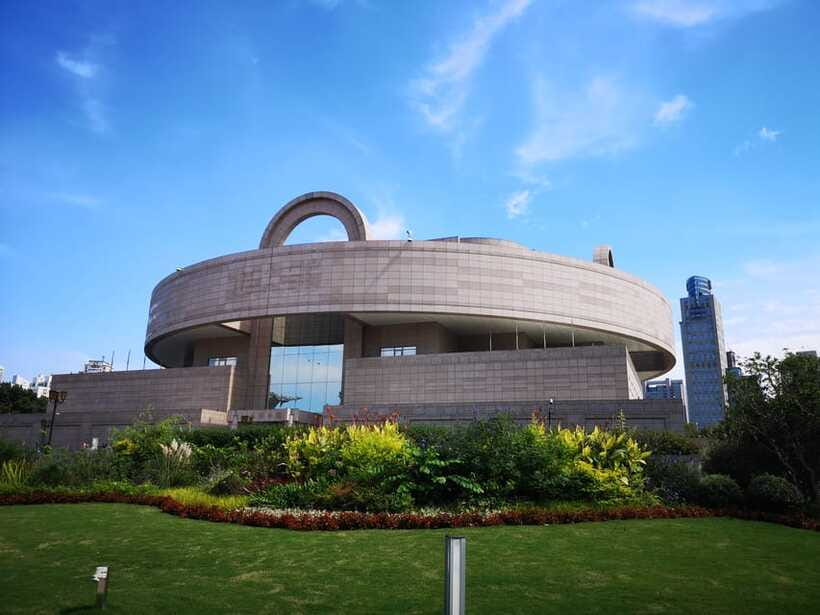
After bronze and ceramics, jade shifts the mood. Jade in Chinese tradition isn’t just “pretty stone,” and the guide makes that clear fast.
In the Jade Gallery, you’ll look at jade artifacts that date back thousands of years. The guide ties jade to cultural significance, including use in burial items and ornamental objects. That is a big part of what makes jade feel different from other museum materials. It carries meaning, sometimes linked to ideas about life, afterlife, status, and moral character.
You’ll also learn about carving techniques. That matters because jade is hard to work with, so the way an object is shaped usually reflects the skill and tools behind it. When you understand that, the artistry becomes easier to appreciate.
The tour also focuses on symbolism. Your guide points out how jade represented purity and moral integrity in Chinese culture. Even if you don’t share those beliefs, the explanation helps you read the object like a message, not just a craft.
Because cameras are not allowed, jade is another good place to take quick notes. When you can’t photograph details, you’re better off writing down the guide’s key points, like the symbolism they associate with specific types of jade pieces.
A different sort of day out of Shanghai:
- Authentic Local Food Tour in Central Shanghai
★ 5.0 · 1,382 reviews - Zhujiajiao Water Town and Shanghai City Private Day Tour
★ 5.0 · 1,016 reviews - Private Shanghai Full Day City Tour with Old and New Highlights
★ 5.0 · 995 reviews - Shanghai: 3-Hour Local Food Tasting Tour
★ 4.9 · 806 reviews
Other galleries on the day, plus a wrap-up Q&A that actually helps
Not every museum day has the same flow, so this tour includes other galleries available on the day guided by what you’re most interested in.
This is where the private format shines. Instead of rushing through a fixed checklist, the guide can steer you toward the most relevant rooms. That means if you’re more curious about metal objects than ceramics, or you want extra time around jade, you have a better chance of getting it during the 3-hour window.
Then you finish with a wrap-up and Q&A. This is a smart end step because you’ll likely have questions after seeing how the guide connects materials to culture. It’s also the moment when your guide can point you toward other areas inside the Shanghai Museum that could match your interests, and mention special exhibitions only if they relate to what you just saw.
From the guides I’ve seen highlighted by name in past experiences, the style tends to be patient and question-friendly. Names that have come up include Linda Chen and Vicky, with praise for clear explanations and the ability to answer questions comfortably, even when guests ask follow-ups. Tom has also been mentioned as helpful with organizing the visit, which suggests the overall coordination is taken seriously.
Price and value: what $60 buys you for 3 hours
At $60 per person for a 3-hour private tour, you’re paying for two main things: the guide’s time and expertise, plus entry to the Shanghai Museum. Drinks are not included, and special exhibition entry is not included either, so budget around that if you plan to add anything extra.
Is it worth it? For me, the value comes down to one question: do you want context while you’re looking, or do you prefer to wander and self-interpret?
If you go on your own, you can still see bronze, ceramics, and jade. But you lose the “why this was made, and what it means” layer, and that’s exactly what this tour is built to deliver. Especially with the bronze and jade sections, the explanations turn the experience from viewing objects to understanding ideas.
This format tends to work best for:
- First-time museum visitors who want structure and meaning
- People who like art but want history connections made clearly
- Travelers who don’t want to spend time figuring out a route inside a large museum
- Anyone who appreciates flexibility in what to emphasize during the limited 3 hours
Practical tips for a smoother visit, ID, notes, and timing
A few small things will make your tour day smoother.
Bring your ID or passport. The tour info specifically asks for it, so don’t leave it behind.
No cameras are allowed. That’s the big heads-up. You’ll get the best results if you treat the tour like a listening and learning experience. Have a pen and notebook ready. If you’re the type who likes photos for later, plan to take notes on the details your guide highlights, then search out images later using your own memory and what you wrote.
Plan on self-arrival. Since hotel pickup is not included, confirm your route to the East Wing entrance ahead of time.
If you like asking questions, this is the format to do it. The guide is there in real time, and the wrap-up Q&A gives you a second chance to get answers. In past experiences, guides like Linda Chen and Vicky have been praised for being patient and for sharing background stories that made the objects more engaging. That matches what you should expect to get out of a private guided format.
Should you book the Shanghai Museum private tour?
Book it if you want to understand what you’re seeing, especially across bronze, ceramics, and jade. The guided structure is the point here, and it’s hard to replicate that depth on your own without a lot of reading and time.
Skip it, or consider a different approach, if you strongly rely on photos during museum visits. Since cameras are not allowed, you’ll need to be comfortable learning without picture-taking. You might also feel better choosing a more general self-guided visit if your schedule is tight and you only want to skim.
If you like organized learning with room for questions, I think this tour is a solid use of time in Shanghai. You’ll leave with a better grasp of how objects connect to rituals, craftsmanship, and symbolism, not just a list of what galleries you visited.
FAQ
How long is the Shanghai Museum private tour?
The tour duration is 3 hours.
What is included in the price?
The tour includes a live guide and entry to the Shanghai Museum.
Is hotel pickup included?
No. Hotel pick up is not included.
Where do we meet the guide?
Meet at the entrance of the Shanghai Museum East Wing. The guide will hold a sign with your name.
Are cameras allowed inside the museum during the tour?
No. Cameras are not allowed.
What should I bring for the tour?
Bring your passport or ID card.
What languages will the guide speak?
The live tour guide speaks Chinese and English.
Can I cancel and get a full refund?
Yes. You can cancel up to 24 hours in advance for a full refund.
Latest reviews from Shanghai
- Shanghai to Beijing Bullet Train Ticket with Hongqiao Station Transfer★ 5.0 · 5 reviews
- Hangzhou Private Day Trip by Bullet Train from Shanghai★ 4.5 · 5 reviews
- Shanghai Era Theatre Acrobatics Show Ticket★ 5.0 · 5 reviews
- Online Cooking Class Fried Rice by Sunflower Li★ 4.5 · 5 reviews
- Shanghai in a Day: A Whirlwind Tour of the City’s Highlights★ 5.0 · 5 reviews
- Zhouzhuang and Tongli Water Town Private Transfer Service from Shanghai★ 5.0 · 5 reviews
- Shanghai Hongqiao Airport To Shanghai Hotel:Private transfer with Meet service★ 5.0 · 5 reviews
- Private Shanghai City Day Tour with Best Highlights and Shopping★ 5.0 · 5 reviews
Museums in Shanghai, compared.

Private Shanghai Day Tour: Shanghai Museum, Yu Garden, Bund, Huangpu Cruise
Read our review →
Browse the lists this tour appears in