
Reviewed · MUSEUMS IN SHANGHAI
Shanghai: Natural Museum tickets with guide(optional)
This museum is interesting because it turns big, natural history ideas into a one-day visit you can actually manage. You walk through 10 themed exhibition areas and 5 theaters at your own speed, then pause for hands-on style learning in the museum’s education spaces. It is also themed around nature and people living together, so it feels more current than a dusty collection.
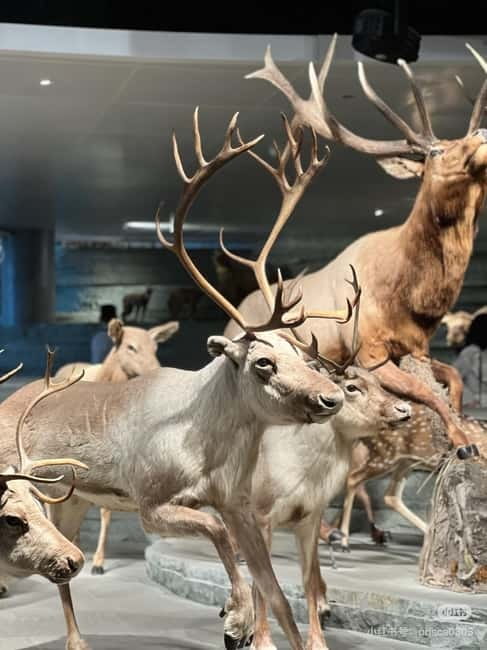
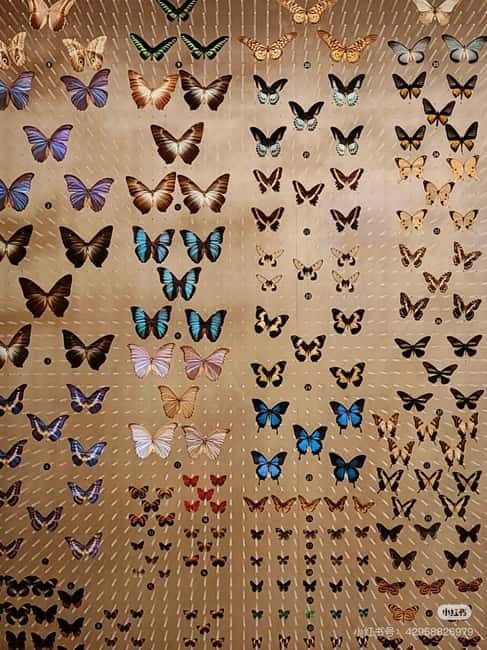
Two things I really like: you get a huge amount of content in one place, including over 11,000 specimens and models from seven continents, and you can choose an optional live English guide if you want help making sense of it. One possible drawback is that a day at this museum can move fast, so if you prefer slow looking, you’ll want a bit of extra time and a simple plan before you enter.
Key things to know before you go
- Self-paced visit, optional English guide for flexible pacing and interpretation
- 10 themed exhibition areas built around origins, evolution, ecology, and the future
- 5 immersive theaters that add energy when the galleries get dense
- Live breeding area (300 square meters) for a more real, everyday nature moment
- Educational activities like Nature Exploration Camp and Drawing Nature
Shanghai Natural History Museum, in Jing’an, built for a real one-day visit
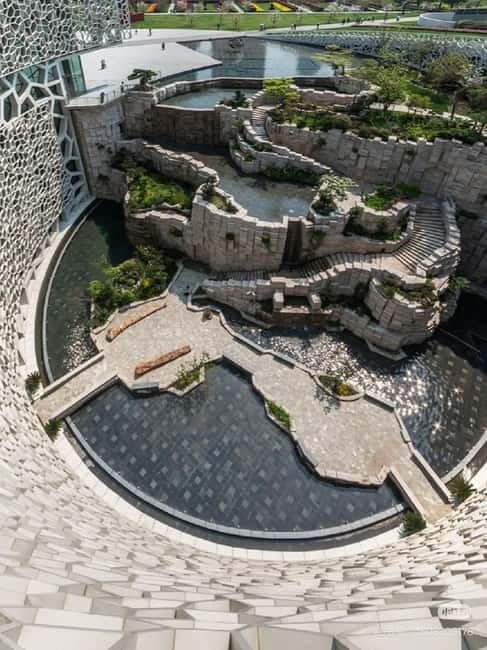
If you want a museum day that feels purposeful but not rigid, this one works. The Shanghai Natural History Museum is in the Jing’an Sculpture Park area, at 510 West Beijing Road in the Jing’an District. The museum sits inside a big science and education complex, and it is also a branch of the Shanghai Science and Technology Museum. That matters, because it helps explain why the exhibits are designed for learning, not just display.
The building and exhibition space are large: 45,257 square meters total building area, and 32,200 square meters for exhibitions and education services. Translation: you are not crammed into a tiny floor with one long line of glass cases. You get room to wander, return to sections, and actually choose what to focus on.
The overall theme is called Nature · Humanity · Harmony. That is a nice framing for a natural history museum. Instead of treating humans as separate from nature, the museum keeps nudging you to think about how people fit into ecosystems, and how science helps us understand the living world.
More Museums in Shanghai
- Shanghai: Private Tour of the Shanghai Museum
★ 5.0 · 10 reviews - Shanghai: Xintiandi, CCP Museum and French Concession Tour
★ 5.0 · 9 reviews - Shanghai: Natural History Museum Admission entry ticket
★ 4.7 · 6 reviews
Tickets, optional English guide, and why the group size matters
Your ticket includes admission to the Shanghai Natural History Museum and an information service fee. The price is listed as about $13 per person for a full one-day entry. For a major museum with that scale and a large specimen collection, it is strong value, especially since you can spend the whole day there rather than squeezing it into a shorter stop.
There is also an optional live guide in English, and the group is limited to 5 participants. That small size is a practical advantage. If you do choose the guide, you are less likely to feel like you are being marched through a checklist with 30 other people. You also get a better chance to ask basic questions that come up when you see unfamiliar science terms.
I also like that you can keep it flexible. The ticket is valid for one day, but you are expected to check availability for starting times. In practice, this means you can pick a time that matches your energy level and the rest of your Shanghai day.
Entering the museum: a big building with a clear internal “story”
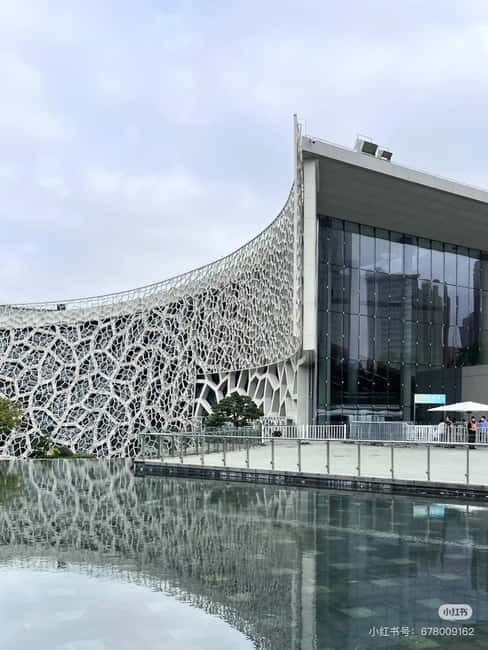
Once you get in, the museum’s layout is built around repeated theme “chapters.” You are not wandering randomly through one giant hall. You have 10 themed exhibition areas plus 5 theaters, plus an exploration zone designed for learning.
It helps to know what zones exist before you step too far in:
- Exhibition and education spaces cover a wide internal area, so plan on a walking day.
- There is a 1,200-square-meter Exploration Center, which is where the museum focuses on education and interaction.
- There is a 300-square-meter live breeding area, which is the kind of space that can become a favorite stop because it is more dynamic than a static display.
If you enjoy museums where you can choose your own order, this works well. If you prefer a strict route, you might still want to do one pass through the main galleries first, then return for the sections you liked most.
The main galleries, from Origins to the Future
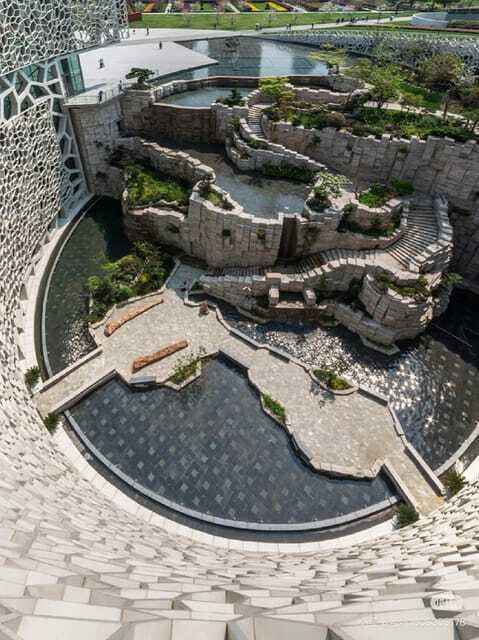
Here’s how the museum organizes its learning, using the 10 themed exhibition areas as your roadmap. I am keeping it practical, because you are going to be walking and you’ll want quick mental bookmarks.
- Mystery of Origins
This is where the museum starts with beginnings. You can expect to spend time thinking about how life, earth history, or natural systems began. The value here is perspective. It sets up why evolution and ecosystems make sense, instead of feeling like disconnected facts.
- The Long River of Life
This area leans into the timeline feeling. It is an easy section to enjoy if you like understanding change over time. Even if you do not read every label, the theme helps you connect individual displays into a broader story.
- Path of Evolution
Evolution is a big theme in natural history, but what I like about how this museum labels it is that it signals a science focus. You will likely see models and specimens that help you understand how species traits shift across generations. This is also a good place to pause if you want to build your own mental model of how biodiversity happens.
- Earth Treasures
This section makes room for the non-living side of nature, like minerals and earth resources. Natural history is not only about animals and plants. This helps balance the day so you do not end up with a single-topic overload.
- Diverse Life
This one is exactly what it sounds like: you get reminded that life comes in many forms. Since the museum includes items from seven continents, this section is likely where you feel that global scale. It is a good mid-day stop to reset your brain and broaden your view.
- Ecological Wonders
Ecology is where natural history starts to feel relevant to daily life. You’ll get a chance to think about relationships, habitats, and how systems work. Even if you only read a handful of panels, you should leave with more “cause and effect” thinking.
- Survival Wisdom
This theme is about how living things cope with challenges. It fits nicely after ecology because it connects environment to behavior. If you like animal strategy stories, this section usually rewards attentive looking.
- Human and Nature Bond
This is the part of the museum that matches the broader theme of Nature · Humanity · Harmony. It is where the museum explicitly brings humans back into the natural story. I like these sections because they help you connect a “museum idea” to real-world choices.
- Shanghai Stories
You also get a local angle. A section like this is useful because it stops the day from feeling abstract. Even without deep background, it helps you understand how nature, science, and place can connect.
- The Path to the Future
Ending with the future is a smart move. It signals that science is ongoing, and that the way we understand nature can shape decisions. If you like ending on a forward-looking note rather than a final static wall, you’ll probably enjoy finishing here.
One practical tip: pick two areas you care about most, then treat the other eight as “bonus chapters.” Otherwise, it is easy to try to read everything, and you end up tired and slightly annoyed.
A different sort of day out of Shanghai:
- Authentic Local Food Tour in Central Shanghai
★ 5.0 · 1,382 reviews - Zhujiajiao Water Town and Shanghai City Private Day Tour
★ 5.0 · 1,016 reviews - Private Shanghai Full Day City Tour with Old and New Highlights
★ 5.0 · 995 reviews - Shanghai: 3-Hour Local Food Tasting Tour
★ 4.9 · 806 reviews
Theaters and the live breeding area for real energy
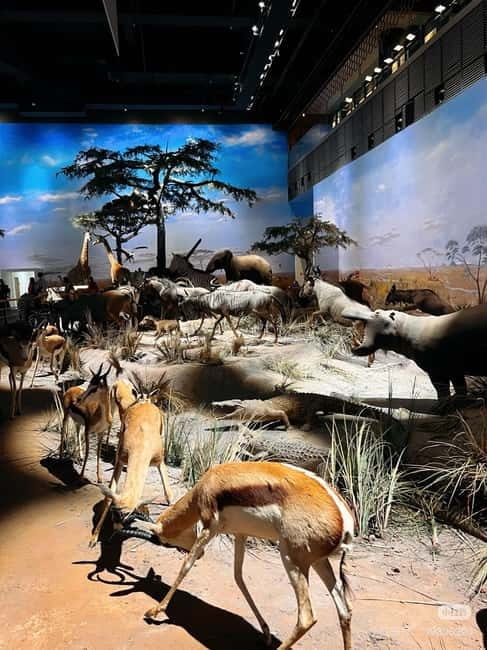
After the galleries, the museum’s theaters help you shift from reading labels to seeing concepts in motion. There are 5 immersive theaters on site. The word immersive is doing work here, because these spaces are designed to be experienced, not just observed.
What these are good for:
- You can understand complex ideas faster when you see them presented as a sequence.
- The theaters give you a break from walking, which matters in a large museum.
Then there is the live breeding area (300 square meters). This is one of those “I did not expect to care” stops that often becomes a highlight. Live breeding areas tend to make the science feel immediate, because you can connect what you see to the lifecycle ideas you just learned in the exhibition halls.
If you have kids with you, or if you simply like nature that feels alive, plan extra time here. It is the most emotionally engaging portion of the day for many people because it is dynamic rather than static.
Educational activities: Nature Exploration Camp and Drawing Nature
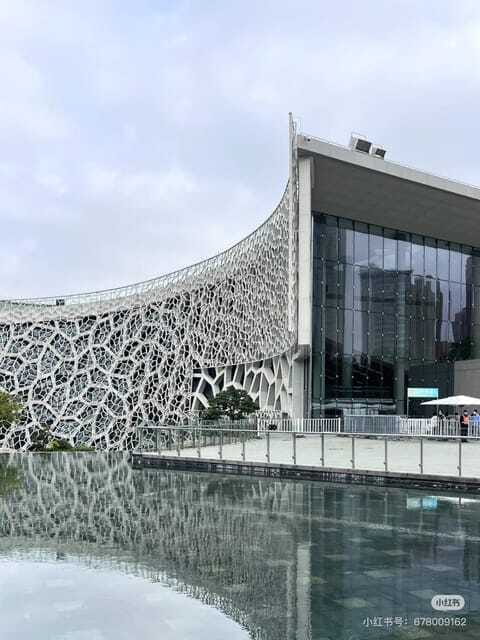
Beyond the standard museum format, the site offers educational activities. Two named options are Nature Exploration Camp and Drawing Nature. The exact schedule is not spelled out in the details you provided, but the fact these are offered tells you the museum is not only about passive viewing.
This is valuable because it matches the way learning actually sticks. When you have a chance to do something, even something simple like drawing, you start noticing details you would otherwise skim.
If you are visiting as an adult, you can still benefit. Think of these activities as a way to slow down and observe carefully. If you are visiting with children, these spaces are likely to keep energy levels steadier than a long straight line of exhibits.
Price and value: $13 for a whole museum day is solid
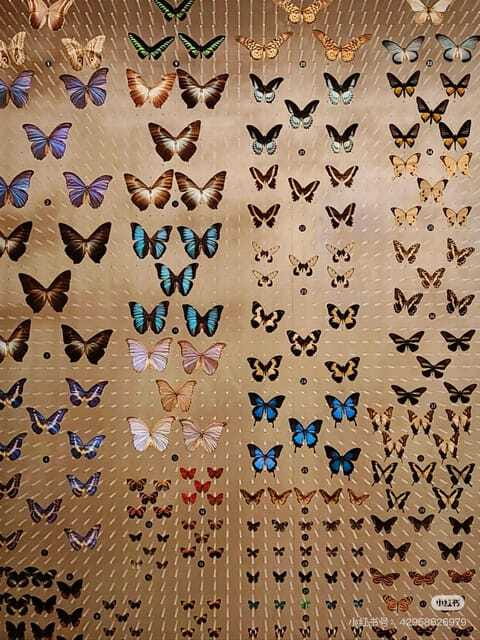
Let’s talk value in a real way. $13 per person includes admission and an information service fee. For a museum with:
- Over 11,000 specimens and models
- 10 themed exhibition areas
- 5 theaters
- A live breeding area
- A dedicated Exploration Center
…that price is not just cheap, it is proportional to the amount of museum you can experience in one day. The museum is large enough that you are unlikely to finish everything in 60 minutes, and that helps justify the ticket.
The optional English guide is also a value lever. If you want to maximize what you get out of the museum quickly, a guide can help you prioritize. If you prefer to wander quietly and read at your own pace, you can skip the guide and still be fine, since the visit is designed to work independently.
Practical tips so you enjoy the day more
A few practical points will save you stress:
- Bring your passport or ID card. Real name info matters here.
- Plan for no food and no drinks inside. That means you should eat before you arrive or after you leave, and keep water planning in mind.
- No smoking is allowed, as expected in public venues.
- After purchase, you may need to send your expected visit date, full name, and passport number to the activity provider by email. Make sure the name matches exactly, including capitalization. This kind of real-name matching can cause headaches if you type it loosely.
- If you have a real-name registered mobile number from mainland China, you can buy tickets on your own through the WeChat mini program. That can be useful if you prefer last-minute timing.
Timing-wise, choose a start time that gives you breathing room. A museum this size works best when you do not rush through the first third. If you feel hurried, you’ll end up reading fewer labels and missing the sections that would have clicked for you.
Should you book this Shanghai Natural History Museum ticket?
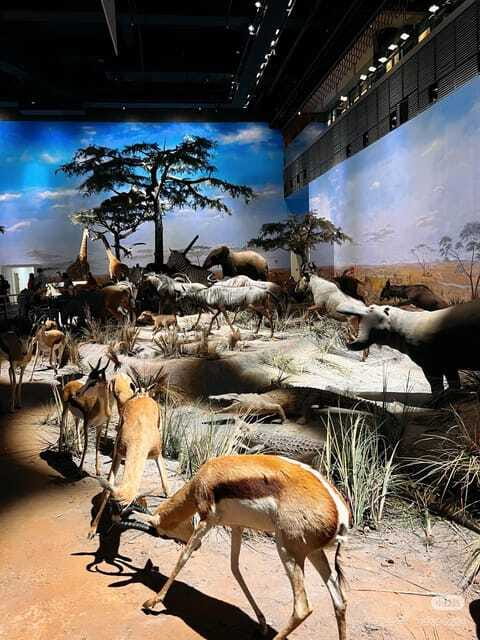
Yes, I think you should book it if you want a one-day natural history experience that is organized, large, and science-forward, without forcing you into a strict itinerary. The big reasons are the scale (11,000+ specimens and models), the structure (10 themed areas plus 5 theaters), and the learning angle through the Exploration Center and named activities.
Book it with confidence if:
- You like natural history but want a plan that does not feel like a maze
- You appreciate a museum that connects people with nature, not only animals
- You want optional English help, in a small group setting
Skip it if:
- You are only interested in one narrow topic and hate walking through lots of themed sections
- You need a schedule with strict timing and guarantees about specific activity sessions, since the information provided focuses on the museum itself more than set classroom-style programming
FAQ
What is included in the ticket?
The ticket includes admission to the Shanghai Natural History Museum and an information service fee.
How much does the Shanghai Natural History Museum ticket cost?
The price is listed as about $13 per person.
How long is the experience valid for?
The ticket is valid for 1 day. You should check availability for starting times.
Where is the museum located?
The museum is at 510 West Beijing Road, Jing’an District, Shanghai, within Jing’an Sculpture Park.
Do I need a guide?
A live tour guide is available in English and it is optional, with small groups limited to 5 participants.
What do I need to bring?
Bring your passport or ID card.
Are food and drinks allowed inside?
No. Smoking, food, and drinks are not allowed.
If you want, tell me your travel dates and whether you prefer a self-paced visit or want the optional English guide, and I’ll suggest a simple day flow through the 10 themed areas.
Latest reviews from Shanghai
- Shanghai to Beijing Bullet Train Ticket with Hongqiao Station Transfer★ 5.0 · 5 reviews
- Hangzhou Private Day Trip by Bullet Train from Shanghai★ 4.5 · 5 reviews
- Shanghai Era Theatre Acrobatics Show Ticket★ 5.0 · 5 reviews
- Online Cooking Class Fried Rice by Sunflower Li★ 4.5 · 5 reviews
- Shanghai in a Day: A Whirlwind Tour of the City’s Highlights★ 5.0 · 5 reviews
- Zhouzhuang and Tongli Water Town Private Transfer Service from Shanghai★ 5.0 · 5 reviews
- Shanghai Hongqiao Airport To Shanghai Hotel:Private transfer with Meet service★ 5.0 · 5 reviews
- Private Shanghai City Day Tour with Best Highlights and Shopping★ 5.0 · 5 reviews
Museums in Shanghai, compared.

Private Shanghai Day Tour: Shanghai Museum, Yu Garden, Bund, Huangpu Cruise
Read our review →
Browse the lists this tour appears in