Reviewed · DUMPLING CLASSES
Shanghai-Cooking Dumpling&Taste Local Food-Tip Based w/Vegan
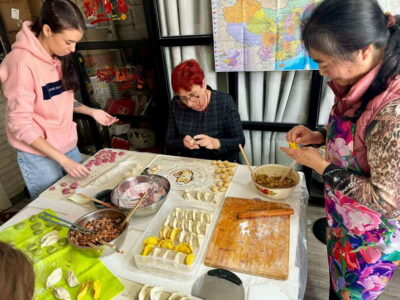
This is a fun change of pace because you learn dumplings the way a Shanghai family does, in a real home setting, with time for local food and culture along the way. I especially like the small group setup, capped at 6 people, so the guide can actually help you as you roll, fold, and taste.
I also like that English-speaking guide Bonnie keeps it practical and friendly, from wrapper basics to dumpling flavors, and you may get a traditional Chinese medicine session like massage and cupping. One thing to consider: it is tip-based, so the real cost depends on your comfort level, and you should flag vegan needs or allergies early.
Key things I’d circle in your planning
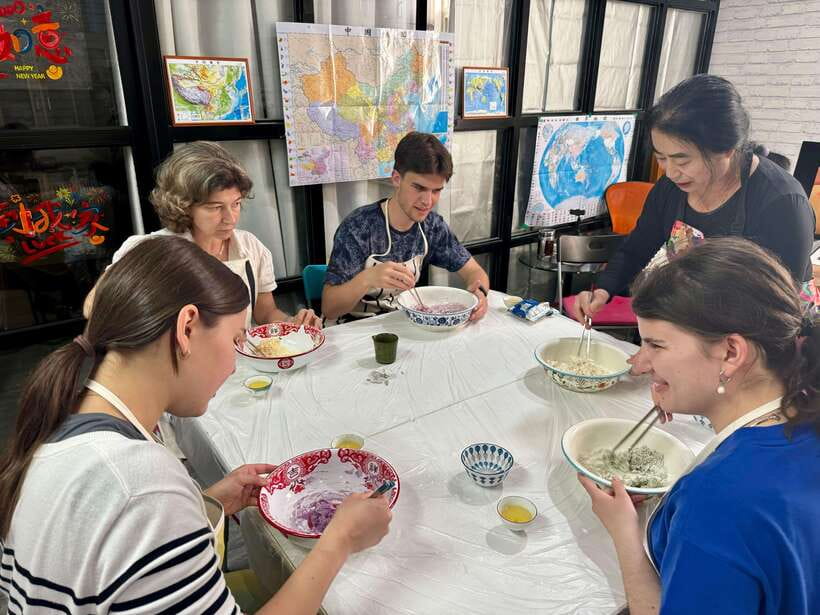
- Hands-on dumpling making in a warm family kitchen, not a cookie-cutter class
- English help with real guidance, so you know what you are doing (and why)
- Local market time that connects ingredients to the food you later eat
- Chinese food tasting and drinks, including Chinese fruit wine or a beverage option
- Traditional Chinese medicine therapy as a cultural add-on, like massage and cupping
- Free Shanghai travel tips tailored to what you actually want to see
A Jing’an Dumpling Class That Feels Personal, Not Performative
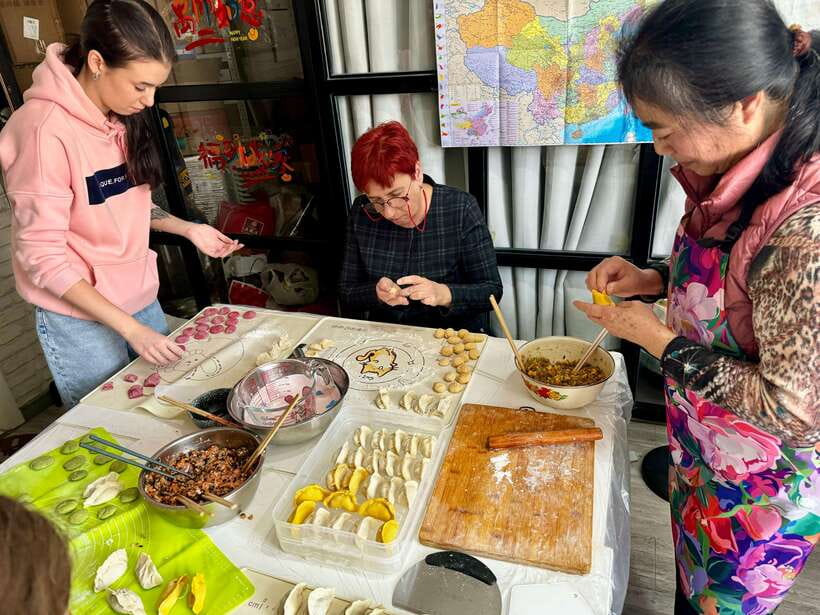
Shanghai has plenty of cooking tours. This one works because it is built around home life. You meet at Zhongxing Road (Metro Line 8, Exit 2), then you spend your time in a local setting where dumplings are treated like a normal family skill, not a special event.
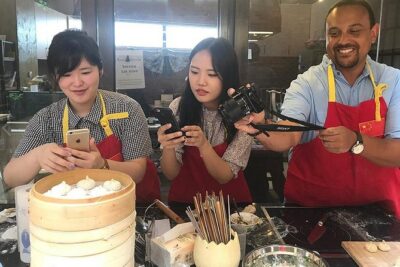
The small group cap of 6 is a quiet superpower. With fewer people, the pace feels human, and you get correction before your dough turns into dumpling art. You also get more chances to ask questions, from how fillings are chosen to what makes Northern-style dumplings different.
This is also a good fit if you want more than just food. The experience includes both a local market visit and a traditional Chinese medicine therapy session, so you get a broader slice of everyday culture. It is not just culinary theater.
More Cooking Classes in Shanghai
- Shanghai-Cooking Dumpling & Meal in Local Family-w/Vegan
★ 4.9 · 36 reviews - Private Cooking Class: Make Your Own Dim Sum In Shanghai
★ 5.0 · 27 reviews - Private Home Cooking Class with Shanghai Mama
★ 5.0 · 14 reviews
How the 3-Hour Flow Works (And Why the Timing Matters)
Plan on about 3 hours total. The structure is simple: first the dumpling-making class, then a food tasting block, then you return to Zhongxing Road.
You spend around 1.5 hours cooking, which is just enough time to learn the basics and actually produce dumplings you are proud of. That matters, because dumplings take muscle memory. If the class is too short, you leave with instructions and no confidence. Here, you get time to practice.
The remaining 1 hour for food tasting is your reward window. Instead of rushing out right after you finish rolling, you get to slow down, try local snacks and drinks, and connect flavors to what you made. It also gives your stomach a chance to catch up after dough handling.
One practical note: since this is tip-based, you will want to keep a realistic budget for the tip. It is not just a “cheap add-on.” Think of it as paying for a meal, guidance, and cultural time.
Rolling Dough and Folding Wrappers Like a Shanghai Home Cook
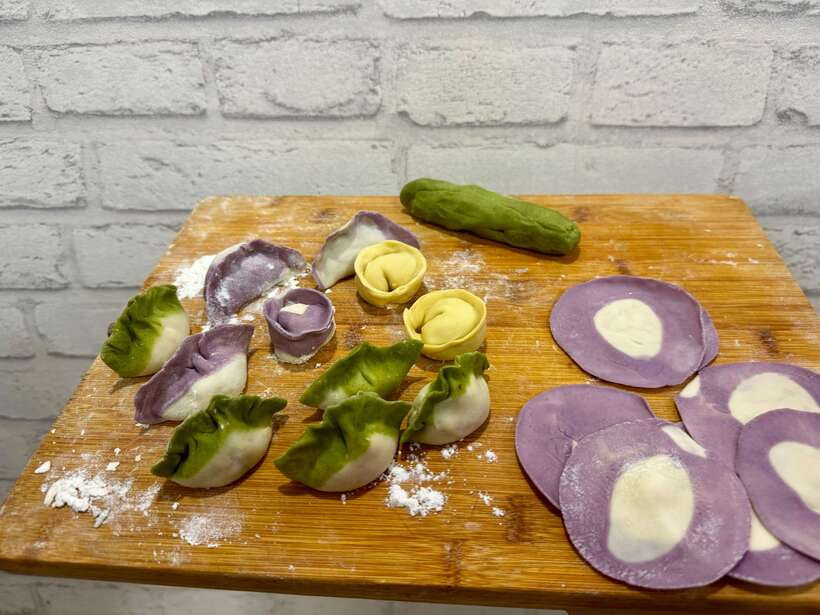
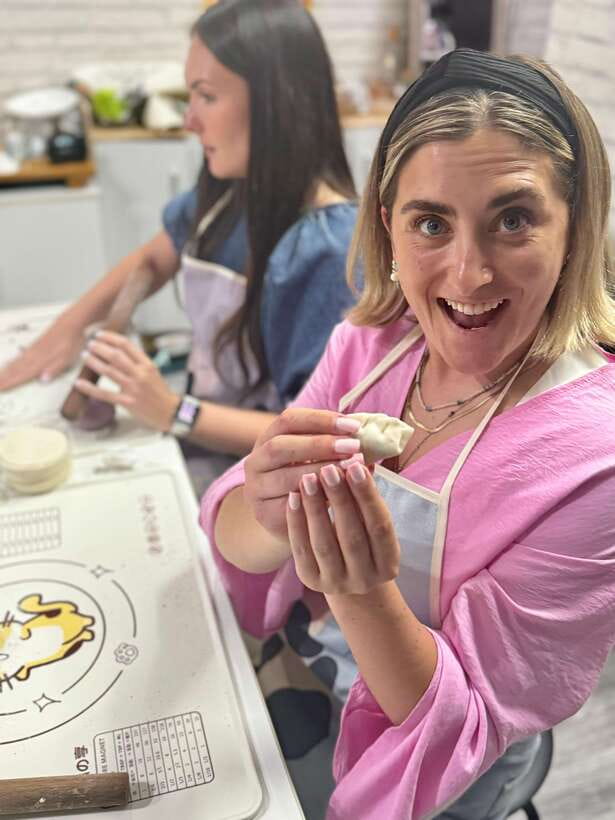
The cooking part is the heart of the experience, and it is hands-on from the first moment. You will learn to roll wrappers, shape them, and mix fillings so you create dumplings you can take pride in eating.
What makes this valuable is the sequencing. Dumplings look easy until you try them. Wrappers need the right thinness and flexibility. Fillings need balance. If you overstuff, the seal fails. If you underseason, you get bland dough. A good guide fixes those issues early, so you do not end up frustrated with your own dumpling math.
English support matters here. When instructions are clear, you spend less time guessing and more time practicing. Bonnie’s style, as described in past experiences, is friendly and detailed, which helps a lot if your cooking background is “I boil water” level.
You will also pick up flavor thinking across China. Even when the focus is Shanghai and Northern-style techniques, the guide can explain how fillings and tastes shift by region. That is useful long after the tour, because you start noticing dumpling differences when you order on your own.
Food Tasting in Jing’an: What You Eat After You Cook
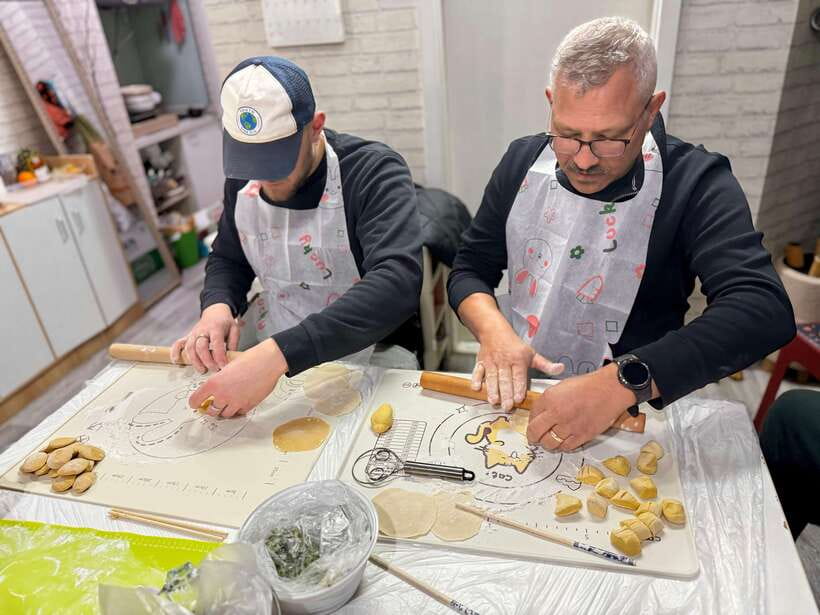
After you finish shaping dumplings, you move into the tasting portion. This is where you get to connect what you made to what local eating feels like.
You will try local snacks and drinks, including Chinese fruits wine or a beverage option. That’s a nice break from plain tea-only tasting. It also helps you understand how Chinese meals often pair flavors, not just ingredients.
This is also the time to ask questions while you eat. Food tasting is a low-pressure moment for cultural exchange. You can ask why something tastes the way it does, or what dish you should try next if you want to explore further in the city.
If you are vegan, pay attention to how the menu is handled. The experience asks you to inform them ahead of time if you are vegan or have allergies. You do not want any surprises here. The more clearly you communicate your needs, the easier it is for the home cook to adapt the tasting and dumpling fillings.
More Dumpling Classes in Shanghai
- Vegan Soup Dumpling Making in Shanghai
★ 5.0 · 17 reviews - 2.5hrs Chinese Kitchen Cooking Class: Xiaolongbao Soup Dumplings
★ 5.0 · 12 reviews - Zhujiajiao Water Town: Boat Ride, Opt for Hands-on Dumpling Meal
★ 5.0 · 7 reviews
Traditional Chinese Medicine Therapy, Including Massage and Cupping
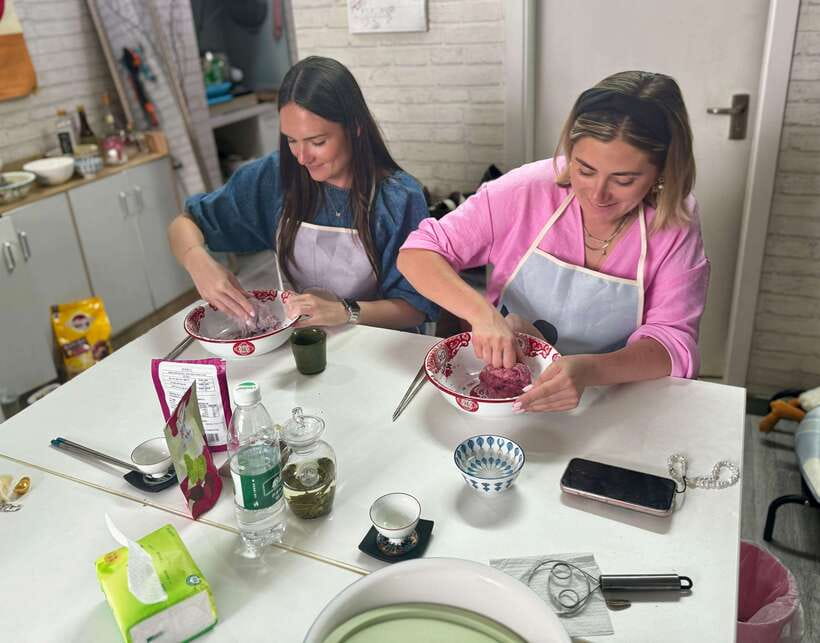
One of the most distinctive parts of this experience is the traditional Chinese medicine therapy session. The highlights include massage, cupping, and moxibustion.
Even if you are curious but skeptical, it is worth knowing what you are walking into. This is not medical treatment in the strict sense of a clinic diagnosis, but a cultural therapy practice. The value is understanding the role it plays in everyday beliefs and wellness routines.
Cupping and massage can be intense to first-timers. If you have skin sensitivities, bruising concerns, or pain limitations, tell the team before you start. Moxibustion involves heat, so you should also mention if you are uncomfortable with that element.
I like including this kind of cultural health practice because it broadens your Shanghai experience beyond food and neighborhoods. But it is totally okay if you prefer to opt out or adjust based on comfort. A good host will respond to your boundaries.
The Local Market Stop: Ingredient Stories You Can Actually Use
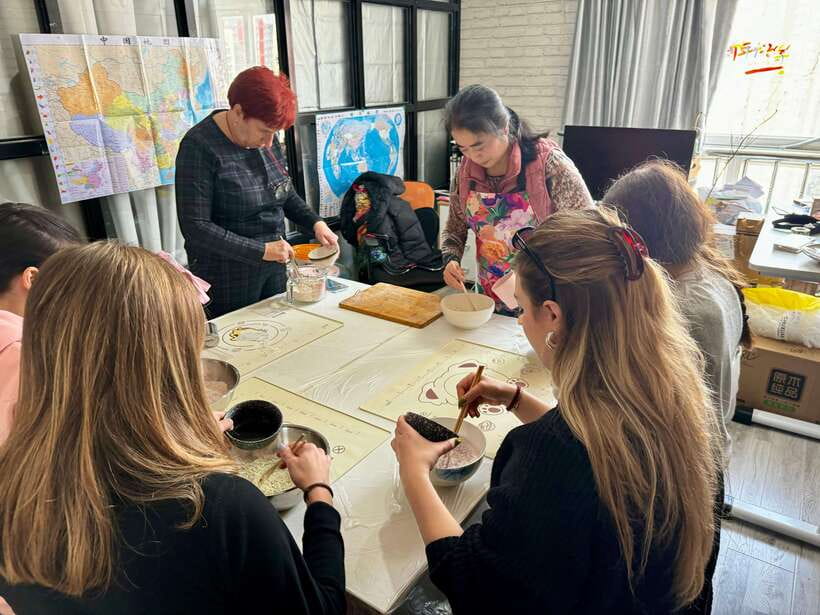
The experience includes a local market visit. You might not think a market stop matters after you already bought food at home, but here it does.
A market helps you see ingredients as characters in a story. When you later cook or taste, the flavors make more sense. You start recognizing what is fresh, what is common locally, and what you might hunt for at other places in Shanghai if you want to keep experimenting.
This is also where cultural learning feels natural. You can ask simple questions in plain language, like how families choose fillings or what you should look for when picking ingredients. Even if your Chinese is basic, the setting makes conversation easier.
The bonus is that you leave with practical instincts. Later, when you are ordering dumplings on your own, you know what to expect and how to describe what you want.
Free Travel Tips That Match Your Real Interests
This tour comes with free travel guidance. The idea is that you get help from a local perspective, including suggestions to avoid crowd traps and to find both classic and modern sights.
The guidance can include hidden local delicacies in local alleys, plus things like gardens, skyscraper observation decks, modern art exhibitions, and other neighborhood experiences. The key is that these tips are supposed to be tailored, not generic.
I like this because Shanghai is not one-size-fits-all. Some people want calm gardens. Others want skyline views. Others want food crawling. When the advice matches your vibe, you save time and make better choices without burning a whole day guessing.
If you want to get the most out of this portion, come with at least a few priorities. For example, tell Bonnie what you love, like dumplings, museums, architecture, or walking neighborhoods. Then ask what you should do first, second, and what to skip.
Vegan-Friendly and Allergy-Smart Planning
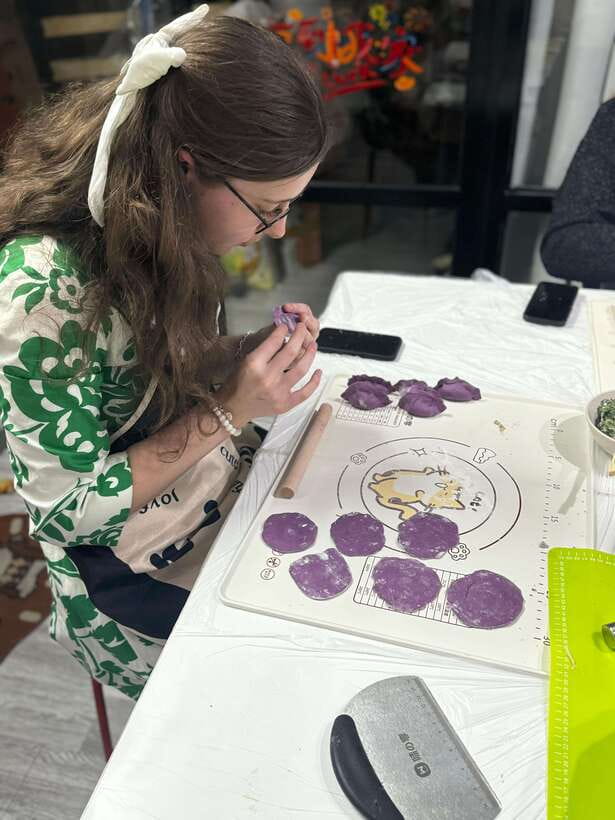
This experience is described as tip-based with vegan in mind, but the most important part is clear communication. You should inform the host if you are vegan or have allergies, and also mention specific things you don’t eat.
That matters for two reasons. First, dumpling fillings can easily include animal-based ingredients unless adapted. Second, the tasting course depends on what is available in the home kitchen that day.
So, how do you make this smoother?
- Tell them clearly you are vegan, and list any ingredients you avoid.
- Share any allergies with specific details, not just a general warning.
- If you have preferences like no alcohol, say so when you book.
You’ll get the best experience when the team can prepare thoughtfully, not scramble at the last minute.
Price and Tipping: What You Are Actually Buying
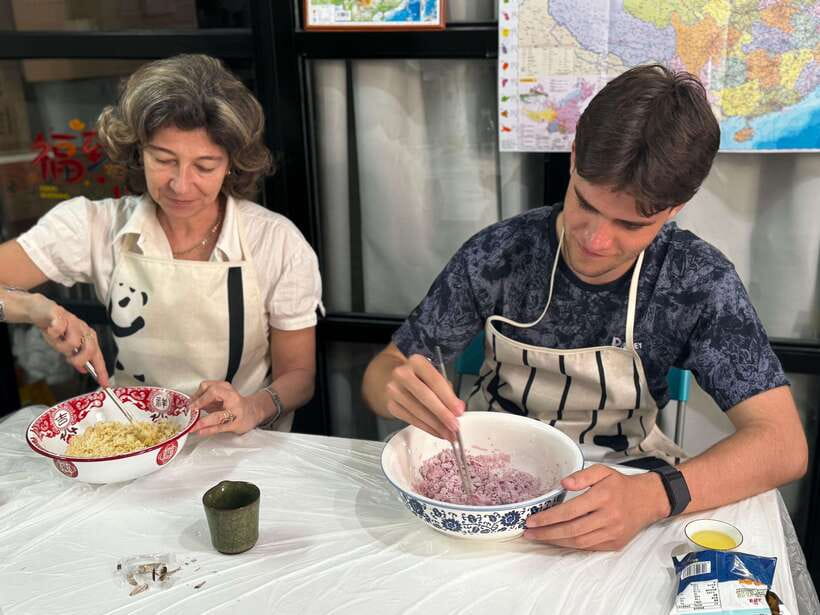
The listed price is shown as $0.00 per person, but this is a tips-only model. The experience explicitly suggests a tip of 480 to 530 CNY per person (about 56.5 to 65 EUR).
So how should you think about value?
- You are paying for a home-style cooking session with materials provided.
- You are paying for English guidance, food tasting, and drinks.
- You are paying for cultural time, including a market visit and traditional medicine therapy.
When you frame it that way, the suggested tip starts to look more like a fair service fee. You get a small group experience, not a mass class, and the guide invests time in tailoring travel tips after dinner plans are sorted in their own head.
My practical advice: if you leave feeling cared for, pay around the suggested range. If you had a rough time because of dietary issues that were not handled well, adjust down carefully, but do tell them what was off so they can improve. This model works best when you are honest.
Also remember that the tip helps cover material costs. That means your tip is part of the sustainability of a small operation.
Who Should Book This (And Who Might Not)
This tour is ideal if you want:
- A small-group cooking class with real back-and-forth questions
- A home-based perspective on Shanghai food, especially dumpling craft
- A cultural add-on beyond food, like the traditional Chinese medicine therapy
- Travel tips that help you plan the rest of your trip intelligently
It is also a great option for solo travelers who like one-to-one conversation, or couples who want a shared activity that is more meaningful than a quick meal.
Who might reconsider?
- If you dislike anything involving food prep, this might feel like too much hands-on work.
- If you are uncomfortable with cupping, heat-based moxibustion, or potential bruising, you should ask ahead and decide based on your comfort.
- If you need a fully predictable menu and absolutely zero surprises, you should communicate dietary needs very clearly.
How to Prepare So You Have a Smooth Evening
A little prep makes this tour feel effortless.
First, wear clothes you can handle comfortably. You will be working with dough, and that is a messy skill by nature, even when the kitchen is clean.
Second, plan your communication. If you are vegan or have allergies, send the details in advance. If you have medical concerns about cupping or massage, say so early.
Finally, bring curiosity. This is a culture-forward activity, not just a cooking lesson. The best moments usually come from the casual conversation you have while your dumplings are resting, or while the guide points out differences in flavors across regions.
Should You Book This Dumpling and Taste Experience?
If you want an authentic, human-scale Shanghai experience, I think it’s a strong yes. The dumpling-making time plus the free travel tips is a great combination. Add in a local market stop and traditional Chinese medicine therapy, and you get more than a meal, you get context.
Book it if you:
- enjoy cooking activities you can take home as a skill
- want small-group attention and English support
- are open to cultural wellness practices like cupping
Consider skipping or rethinking if you:
- have concerns about massage, cupping, or moxibustion heat
- cannot clearly communicate dietary restrictions
One practical note if your schedule is tight: you can cancel up to 24 hours ahead for a full refund, and the reserve-and-pay-later style can help you lock in a spot without stressing about immediate payment.
FAQ
Where do I meet for the tour?
You meet at Metro Line 8, Zhongxing Road station, Exit 2.
How long is the dumpling-making experience?
The experience is about 3 hours total.
How big is the group, and is it wheelchair accessible?
It is a small group limited to 6 participants, and it is wheelchair accessible.
Is there a vegan option?
You can request a vegan setup, but you should inform the host in advance and mention anything you do not eat or any allergies.
Is the tour free, or is there a tip?
It is tip-based. The suggested tip is 480 to 530 CNY per person (about 56.5 to 65 EUR).
What language is the guide?
The tour is guided in English.
More Food & Drink in Shanghai
- Authentic Local Food Tour in Central Shanghai
★ 5.0 · 1,382 reviews - Shanghai: 3-Hour Local Food Tasting Tour
★ 4.9 · 806 reviews - Eat Like A Local: Shanghai Night Food Tour
★ 5.0 · 616 reviews - Half-Day Bike Tour of Shanghai Old Town with Food Tasting
★ 5.0 · 306 reviews
Latest reviews from Shanghai
- Shanghai to Beijing Bullet Train Ticket with Hongqiao Station Transfer★ 5.0 · 5 reviews
- Hangzhou Private Day Trip by Bullet Train from Shanghai★ 4.5 · 5 reviews
- Shanghai Era Theatre Acrobatics Show Ticket★ 5.0 · 5 reviews
- Online Cooking Class Fried Rice by Sunflower Li★ 4.5 · 5 reviews
- Shanghai in a Day: A Whirlwind Tour of the City’s Highlights★ 5.0 · 5 reviews
- Zhouzhuang and Tongli Water Town Private Transfer Service from Shanghai★ 5.0 · 5 reviews
- Shanghai Hongqiao Airport To Shanghai Hotel:Private transfer with Meet service★ 5.0 · 5 reviews
- Private Shanghai City Day Tour with Best Highlights and Shopping★ 5.0 · 5 reviews
Dumpling Classes, compared.

Great Tang Dynasty Night Show & Dumpling Meal Option
Read our review →
Organic Chinese Dumpling Class with Market Walk
Read our review →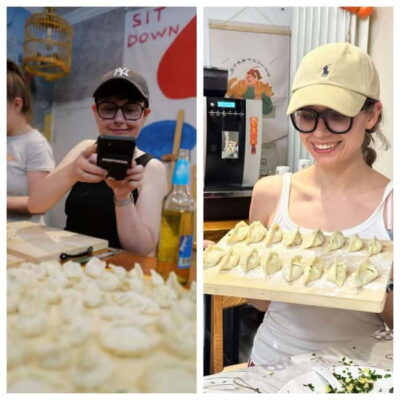
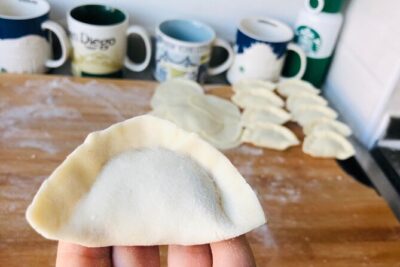
Online Cooking Class Beijing Dumplings and Cuisine by Sunflowerli Renowned Chef
Read our review →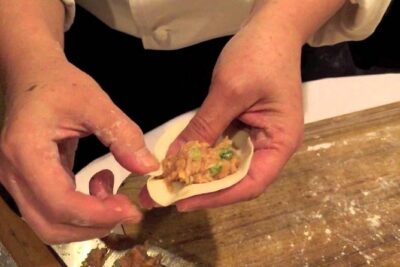
Organic Xiao Long Bao Soup Dumpling Class & Market Walk
Read our review →