
Reviewed · MARKETS
Untold story of Shenzhen , Electronic & Dongmen Market tour
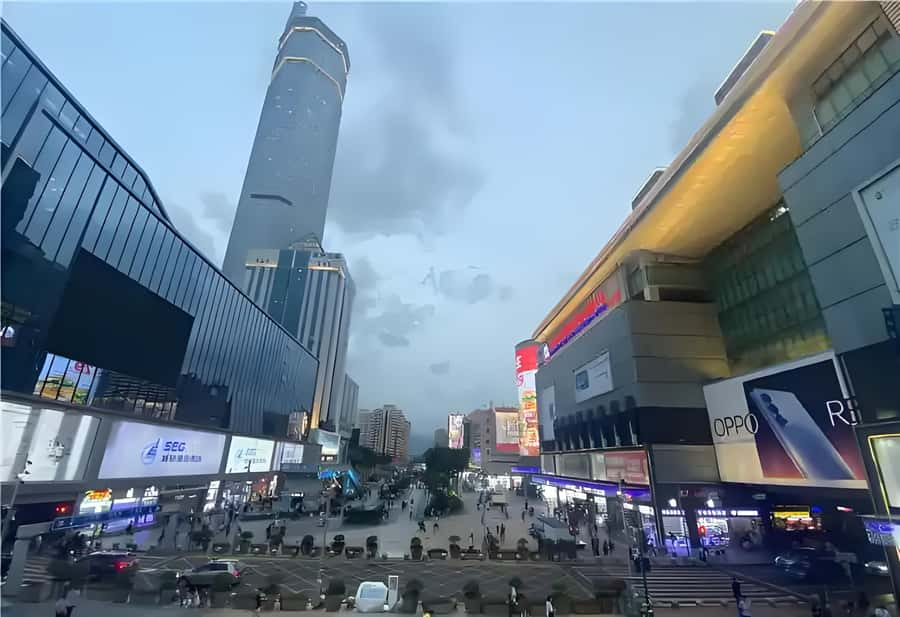
This tour is interesting because it shows Shenzhen in two modes at once: high-speed electronics trade and old border-area street life right beside Hong Kong. You start at Huaqiangbei and end at the Luohu port zone, where shopping turns into real street history.
I love how the guide helps you do the hard part, bargaining, without you having to figure everything out on the spot. I also like the contrast of Dongmen Old Street, where you can walk through lanes shaped by centuries of bargain hunting and then switch gears to modern malls.
One thing to consider is that parts of the route are tied to the less-polished side of the city, including an unofficial red light area and a knock-off merchandise mall. If you prefer only curated, polite shopping, this may feel a bit uncomfortable.
Key highlights to pay attention to
- Huaqiangbei electronics market: One of Asia’s biggest electronics trading zones, with constant movement of goods and vendors.
- Bargaining help: Your guide negotiates on your behalf to push you toward a better price.
- Dongmen Old Street with deep roots: A centuries-old shopping district that still feels like everyday local shopping.
- Commune Canteen replica of an 1980s slum: A nostalgic stop inside the Dongmen area that adds context beyond shopping.
- First McDonald’s in China: A recognizable landmark inside Dongmen Old Street.
- Luohu port and the checkpoint vibe: An older Hong Kong-China crossing area, plus a major mall known for discounted knock-off items.
The “Untold Shenzhen” feel: electronics, borders, and street stories
Shenzhen has a reputation for being fast, practical, and sometimes a little chaotic. This tour leans into that reality. You get the shopping that built the city, plus the border-area atmosphere that shaped it.
The big value is that you are not just walking around. You have an English-speaking guide from Fantasia Tours who helps translate the chaos into something you can actually use. That matters most at Huaqiangbei, where so much is happening that even basic navigation can be stressful without local help.
The route also gives you context, not just stops. You’ll pass through the older Luohu checkpoint area and get a sense of how Shenzhen’s “wild west of Hong Kong” energy formed around trade, crowds, and constant buying and selling.
More shopping in Shenzhen:
- Shenzhen Private Shopping Tour with Local Shopping Guru
★ 5.0 · 5 reviews - Mini Group Xian Day Tour to Terracotta Army, City Wall, Pagoda and Muslim Bazaar
★ 5.0 · 1,320 reviews - Half-Day Chengdu Cooking Class with a Local Market Visit
★ 5.0 · 465 reviews
Starting at Huaqiang North, heading straight into Huaqiangbei’s electronics engine
You meet at Huaqiang North station, Exit B, street level. That location is a smart choice because you go directly from transit into the electronics trading zone, instead of spending your first hour trying to orient yourself.
Then you move into Huaqiangbei, described as the largest electronic market in Asia. This is not a quiet mall with themed displays. Expect hundreds of sellers and constant wheeling and dealing, where products move quickly and the pace can feel intense.
This stop is where the tour’s structure pays off. Your guide helps you look for what you actually want, while also making bargaining less awkward. If you want gadgets, accessories, or electronics at prices that feel dramatically different from your home country, this is the part of the day that can feel most like a “real market” experience.
Practical reality check: this is a crowded, sales-heavy environment. Comfortable shoes matter. If you get overwhelmed in noisy markets, give yourself permission to move slowly and choose just a few target items.
Dongmen Old Street: a centuries-old shopping lane with modern flavor
After the electronics zone, the tour shifts into a very different mood at Dongmen Old Street. Dongmen is known as a popular shopping district for locals, including bargain shopping that stretches back to the Qing dynasty era, about 400 years.
I like this stop because it’s not only about buying. It’s about atmosphere. Dongmen gives you that day-to-day street texture you rarely get when you only do big sightseeing highlights.
A standout detail here is the Nostalgic Commune Canteen, set inside a replica of an 1980s slum. It’s a quirky contrast to the shopping around it, and it helps explain how Shenzhen and the broader region looked and lived through different eras. Even if you are not shopping for food, it’s worth a quick look because it changes the rhythm of the walk.
And yes, this is also where you can find the location of China’s first McDonald’s. It’s one of those landmarks that feels almost like a cultural time marker, a reminder that “modern global brands” arrived in this part of the country earlier than many people expect.
What to know about the food and shopping style in Dongmen
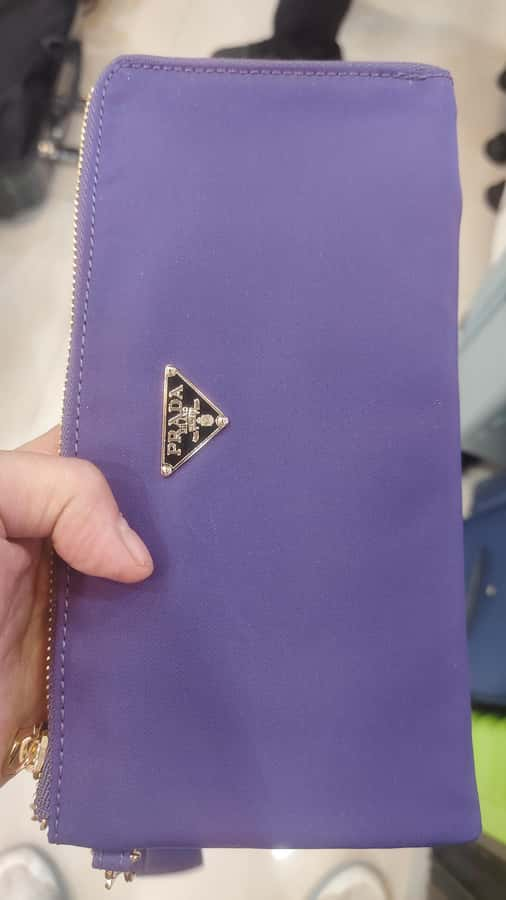
Dongmen is also described as a food lover’s playground, with tasty options from corners of China. That matters because it changes how you experience the street. You can treat Dongmen like a slow crawl with mini meals, not just a shopping errand.
You might see shoppers doing the same kind of browsing you’d expect in any big market, but with Dongmen’s specific blend of old street energy and newer retail. For me, that’s why it works well after Huaqiangbei. Electronics markets can feel repetitive once you’ve seen enough screens. Dongmen resets your senses.
One note: if you are hoping for a calm, museum-like experience, this won’t be that. It’s an active commercial street. Bring patience, keep your plan flexible, and expect to be surrounded by people.
A different sort of day out of Shenzhen:
- Customizable Private Shenzhen Tour with Local guide and Car
★ 5.0 · 48 reviews - Shenzhen Private Flexible Day Tour with Guide and Driver Service
★ 5.0 · 41 reviews - Shenzhen History , Culture & Scenic + (Drone Delivery) tour
★ 5.0 · 26 reviews - Gen-Z Private Tour: Shenzhen Tech Marvels
★ 5.0 · 22 reviews
Passing through Mistress Village, Luohu Commercial City, and the reality of the area
Next you go toward Luohu port, and along the way you pass the so-called Mistress Village, described as an unofficial red light district. The tour frames it as a playground during the 1990s tied to large income differences between Hong Kong and mainland China.
This part of the day is not presented as entertainment. It’s presented as background, a way to understand why certain areas became busy, why crowds formed, and how economic imbalance shapes nightlife and street commerce.
Here’s the consideration: the subject matter is adult-oriented and can be uncomfortable if you are not prepared for that. If you prefer to avoid anything that feels sexually explicit or morally gray, you may want to mentally brace yourself, or sit this part out during the walk if possible.
Luohu port and the checkpoint story that explains the crowds
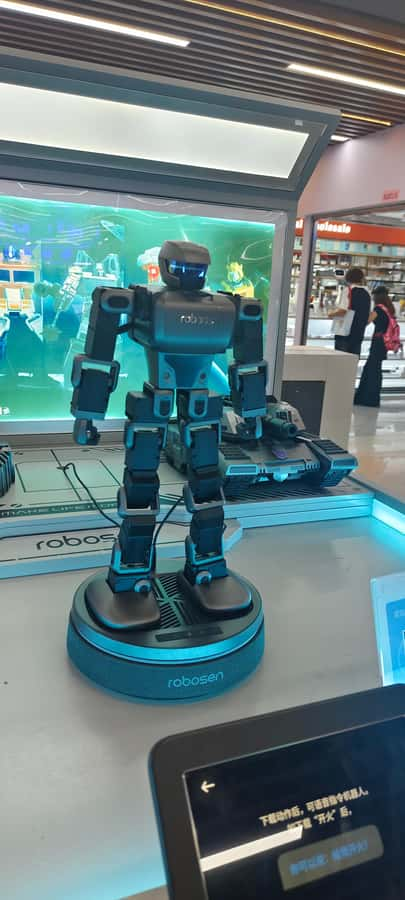
At Luohu port, you’re stepping into one of the oldest Hong Kong-China border crossings, described as officially opened in 1950. That age is not just trivia. It helps you understand why the area feels built around constant movement.
The tour also notes that Luohu is one of the busiest checkpoints between China and Hong Kong. That explains the density and the commercial pull around the port. When a place is built for crossing, it also becomes built for buying and selling.
This stop gives you a “why this exists” context. Electronics markets are about supply chains. Dongmen is about everyday trade culture. Luohu is about the border itself, and how border traffic creates an ecosystem of shopping.
The knock-off shopping mall near the port: what you can gain, and what to be careful about
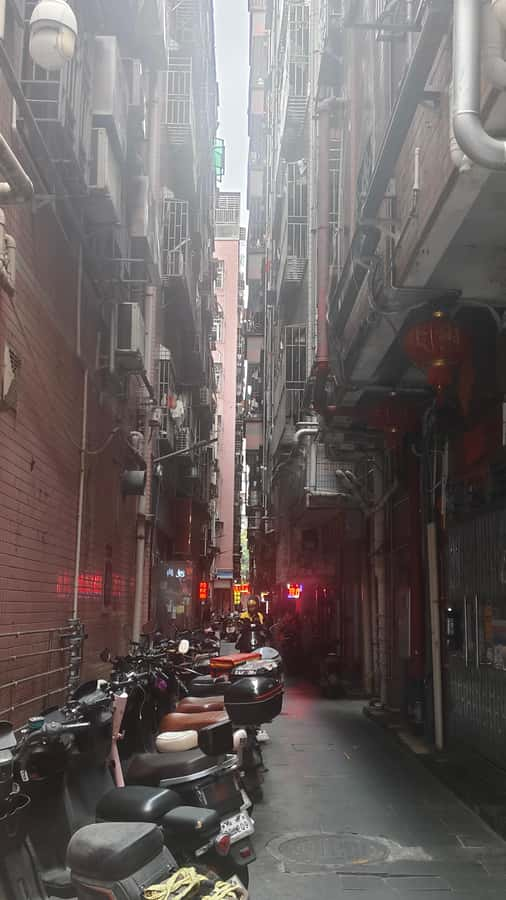
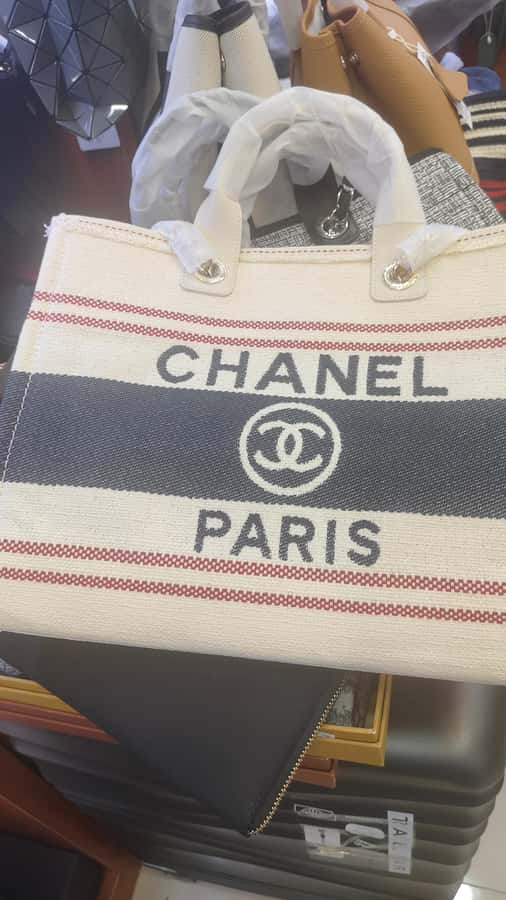
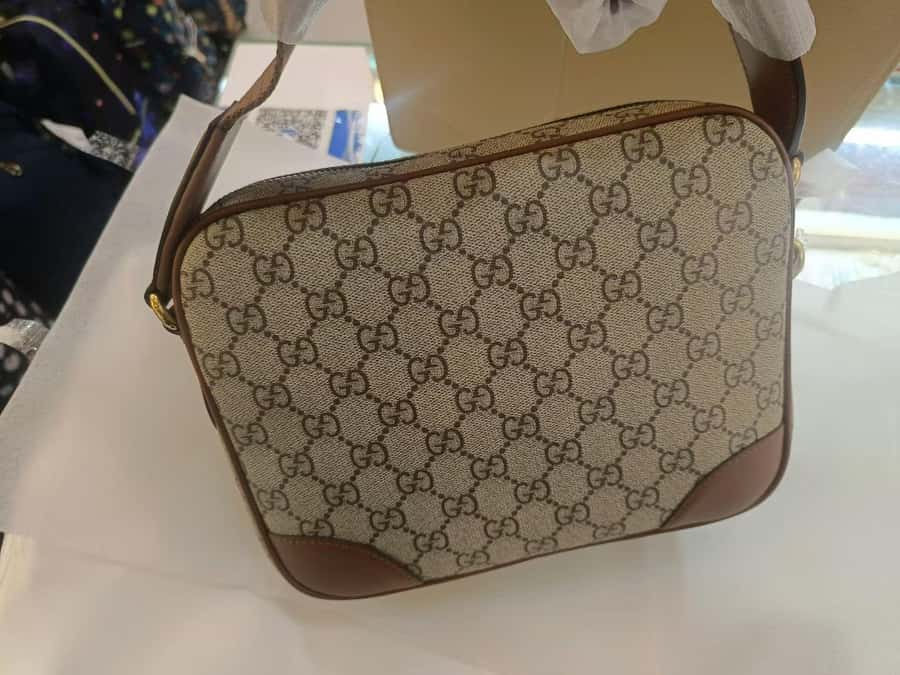
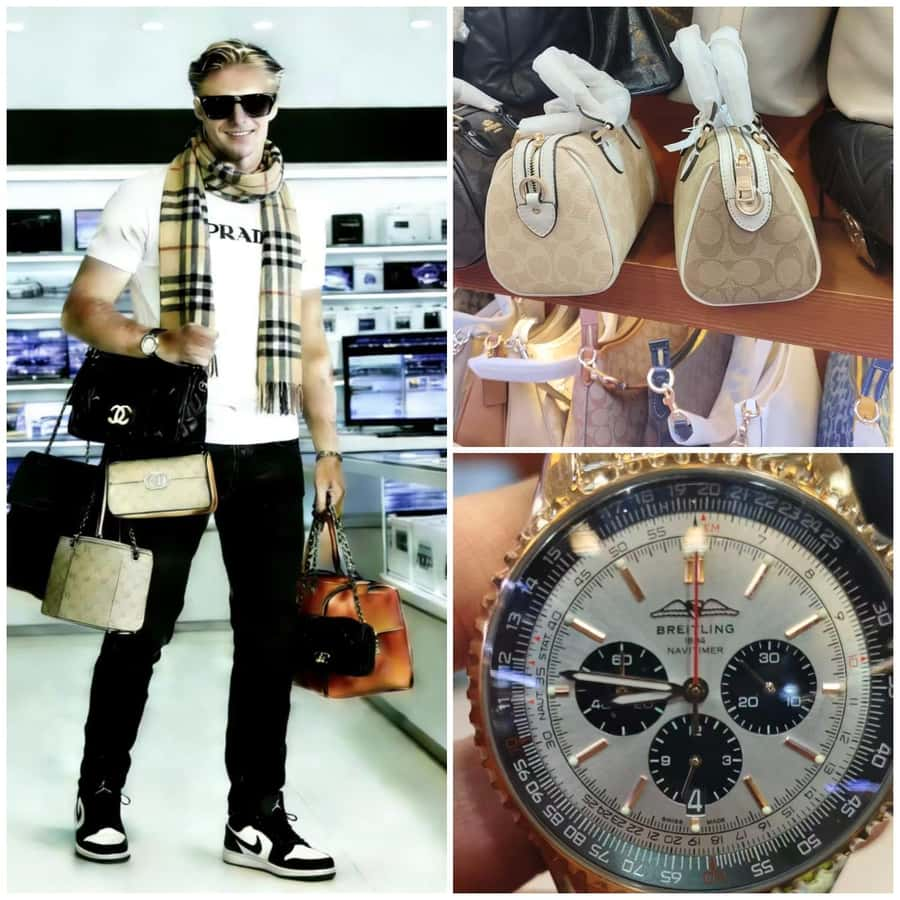
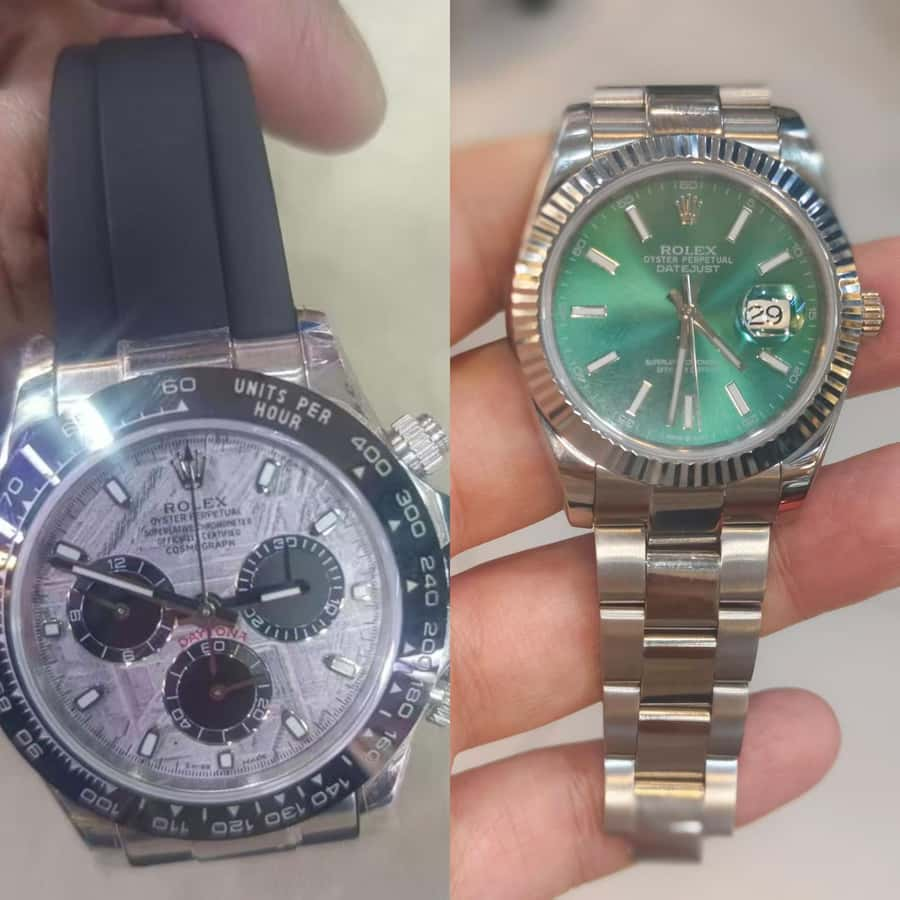
Right near Luohu port, the tour brings you into a major mall area that sells knocked off merchandises. This is one of those places that can feel unforgettable, especially if you like hunting for deals.
In practical terms, this is where a lot of people go with a specific goal: a bargain item they wouldn’t consider buying at home. The tour’s bargaining support is especially valuable here because pricing can feel slippery, and sales conversations can move fast.
I also recommend you treat this stop with a clear head. Knock-off shopping is a world where details matter, and “real-looking” products can tempt you into impulse buys. If you buy, do it because it fits your expectations, not because the shopping pressure is working on you.
If you want “brand new and guaranteed authenticity,” this may not match your style. If you want a story-driven look at how deal shopping works around a major checkpoint, it can be one of the most memorable segments of the day.
Bargaining help: the difference between guessing and negotiating
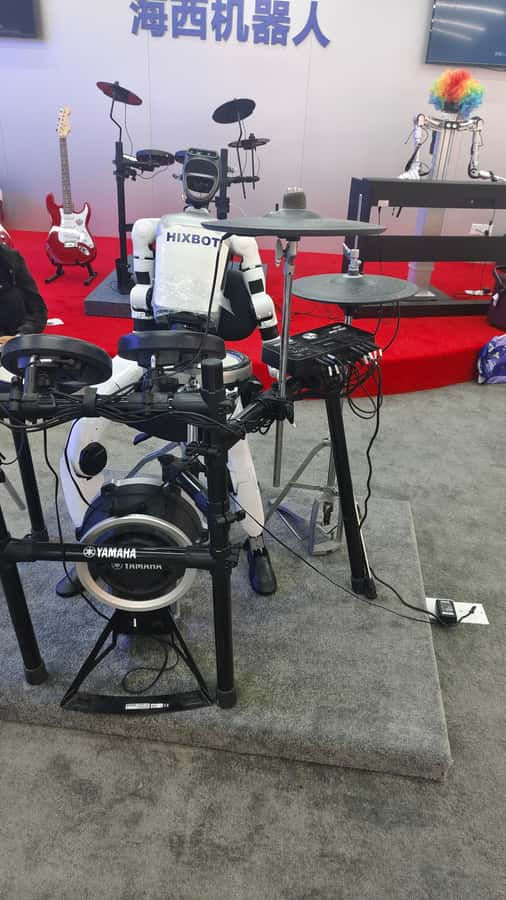
One of the most praised elements is the guide’s ability to help bargain with merchants on your behalf. That’s not small. In markets like Huaqiangbei and the Luohu knock-off mall, the difference between a fair price and a tourist price can be huge.
From my perspective, the best part is that you are not walking in blind. You can point at what you want, and the guide handles the back-and-forth. You still make the choices, but you skip a lot of the confusion and awkward negotiation moments.
I also like how this keeps you flexible. If one item is priced too high, you can keep moving without feeling stuck. That’s how you shop smarter in these markets: you negotiate, compare, and only buy when it feels right.
Value and price: why $40 can make sense for this exact mix
The price is listed at $40 per person, and the best way to judge value is to ask what you would otherwise pay in time and hassle.
You are getting an English-speaking guide, plus structured guidance through three major shopping environments: Huaqiangbei electronics, Dongmen Old Street, and the Luohu port shopping zone. Without a guide, you would likely spend extra time figuring out where to go and how to talk prices.
You’re also getting bargaining support, which can affect what you end up buying. In other words, this tour is not only a sightseeing walk. It’s set up to help you shop with less friction.
If your goal is only to take photos and wander slowly, you might not need a guide. But if your goal includes buying something, bargaining becomes part of the value equation.
Who this tour suits best, and who should skip it
This experience fits you if you enjoy markets with real trading energy, and if you like the practical challenge of negotiating for better prices. It also fits you if you want a Shenzhen story that connects electronics, street food, and border history in a single route.
I think it’s a strong match for people who like street-level travel, not just polished tourist circuits. It’s also a good option if you want to see landmarks like China’s first McDonald’s and understand why the Luohu area has such a shopping pull.
You might want to choose something else if you dislike bargaining, hate crowded environments, or prefer to avoid adult-oriented subject matter. The Mistress Village segment is a key part of the day’s context, and it’s not written as a “skip it easily” stop.
Getting the most out of it: simple mindset tips
This day works best when you treat it like three different missions.
At Huaqiangbei, focus on what you can identify quickly and bargain confidently. Expect the market to feel intense, so give yourself a pace and don’t overcommit.
In Dongmen, slow down. Look at the street culture, pop into the Nostalgic Commune Canteen replica, and enjoy the food side of the district. It’s the part that feels like stepping into an older street rhythm.
At Luohu port, keep your expectations realistic about knock-off merchandise. If you shop, shop with your eyes open, and use the guide to negotiate rather than guessing what a fair price might be.
Should you book this tour?
I’d book it if you want Shenzhen the way it actually operates: the electronics engine, the bargain street heritage, and the border-area shopping ecosystem that grew around Luohu. The bargaining help and the guide’s clear English make the difference between a frustrating market day and a productive one.
I would not book it if you only want clean, comfortable sightseeing with no adult-oriented context, or if you dislike negotiating and street-level pressure. This tour is for people who can handle a bit of edge, then enjoy the payoff of real market experiences.
Latest reviews from Shenzhen
- Shenzhen Private Shopping Tour with Local Shopping Guru★ 5.0 · 5 reviews
- Huaqiangbei Insider Tour: Explore Shenzhen’s Tech Wonderland★ 5.0 · 6 reviews
- Private Transfer in Shenzhen with English Service★ 5.0 · 6 reviews
- Iconic Shenzhen Skyscraper – Ping An Finance Center★ 3.4 · 6 reviews
- Shenzhen:8h City Walk & Future Experience Highlights Trip★ 4.4 · 6 reviews
- Shenzhen Customized Local Tour with Transfer★ 5.0 · 6 reviews
- ShenZhen: Tallest Building with Luxury Meal on Highest Floor★ 4.7 · 7 reviews
- Shenzhen History , Culture & Scenic +(Drone Delivery)tour★ 5.0 · 8 reviews
Markets, compared.
Mini Group Xian Day Tour to Terracotta Army, City Wall, Pagoda and Muslim Bazaar
Read our review →
Half-Day Chengdu Cooking Class with a Local Market Visit
Read our review →
Shanghai Day Tour to Zhujiajiao Water Town, Yu Garden, Bazaar, Bund
Read our review →
Kowloon Street Market & Food Culture Walking Tour
Read our review →
Organic Chinese Dumpling Class with Market Walk
Read our review →
Organic Xiao Long Bao Soup Dumpling Class & Market Walk
Read our review →
Half-Day Xi’an Biang Biang Noodles Cooking with a Market Visit
Read our review →
Browse the lists this tour appears in