
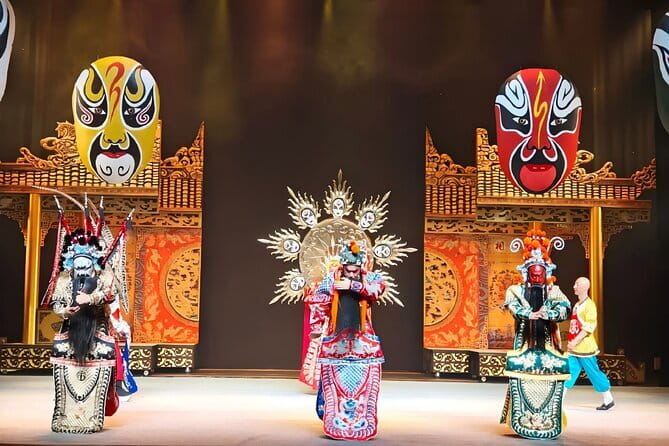
Reviewed · SICHUAN OPERA
Jinjiang Theater:Eight-Face Changing-Legendary Sichuan Opera
The Jinjiang Theater eight-face changing show is interesting because it turns one of Sichuan opera’s biggest mysteries into an actual story you can follow in real time. I like how the production pairs the famous face-changing moment with a full menu of Sichuan opera skills, not just a single trick. I also like that you get complimentary Gaiwan tea right next to the theater, so the experience starts before the curtain.
One possible drawback is that you must have your email ticket details, especially your QR code and seat number, or you may not be able to enter. Also, video recording is not allowed, so you will want to plan on watching with your own eyes, not through your phone.
Key things to look for
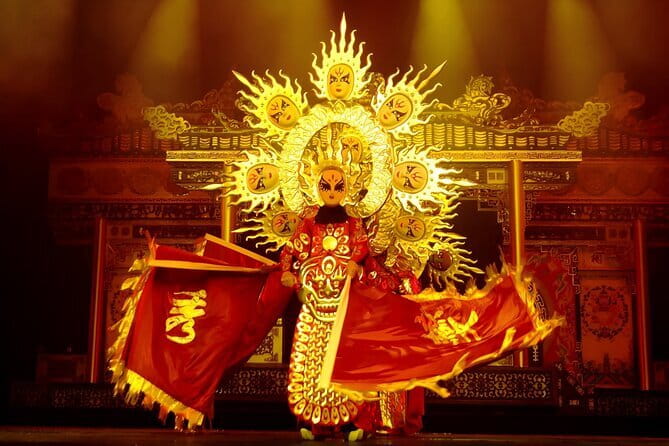
- Eight-face changing technique performed as the show’s highlight and finale
- Gaiwan tea included, picked up at Yuelai Tea House near the theater
- Multi-art program that blends opera singing with shadow work, acrobatics, and dance
- A clear narrative thread following Little Sanqing through hardship to mastery
- Classic Sichuan opera excerpts like The Three Heroes Fight Lü Bu and Releasing Pei
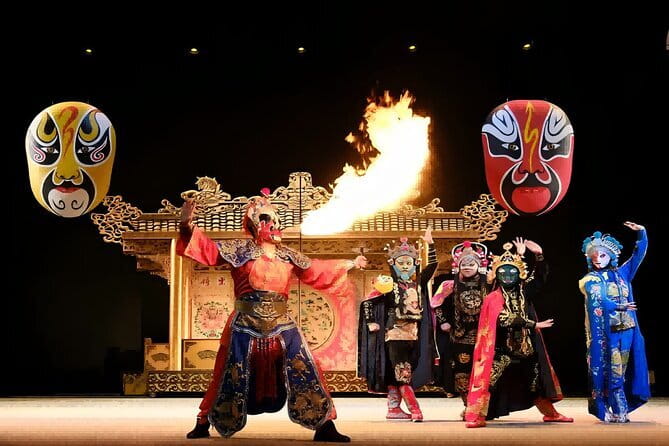
- Stylized roles and movements from Sheng and Dan, plus specialty skills such as fire breathing
Jinjiang Theater near Tianfu Square: easy to reach, easy to enjoy
Jinjiang Theater sits near Tianfu Square, which matters if you are trying to pack Chengdu into a tight schedule. This is the kind of cultural stop you can make work even when your day is already full, because the venue is centrally located and the show itself is about 70 minutes long.
When I recommend this kind of performance to first-timers, I usually mean you want the art with minimal friction. The theater is designed for audiences to follow along, and the production uses a fast rhythm. You will see traditional opera elements such as singing, recitation, movement, and martial styles, but you will not feel lost in pure tradition-only mode.
More Sichuan opera evenings:
- Chengdu: Sichuan Opera Shu Feng Yan Yun Evening Show Ticket
★ 4.7 · 185 reviews - Chengdu Sichuan Opera Show Ticket – Shu Feng Ya Yun
★ 4.4 · 73 reviews - Chengdu: Sichuan Opera Show Ticket – Shu Feng Ya Yun
★ 4.8 · 30 reviews
70 minutes of eight-face changing and included Gaiwan tea
The basic deal is simple: you buy a ticket, pick up a tea before the show, then settle in for a structured performance that keeps stacking visual surprises.
Your ticket includes entry with a selected seat, plus a complimentary bowl of covered bowl tea at Yuelai Tea House, located right next to the theater. The tea pickup window is about one hour before the performance begins, and you use your ticket’s serial number or QR code to receive it. That timing helps because you can arrive early, get the tea, and settle in without rushing.
The show experience also feels well paced for different ages. Even if you do not know Sichuan opera, the production builds tension with multiple forms at once, and it uses a multi-angle, multi-perspective staging approach to keep the action readable from where you sit.
What you are really seeing: Sichuan opera skills beyond face-changing
The big hook is the eight-face changing technique. But what makes this show more satisfying is how it keeps reminding you that face-changing is just one “special skill” inside a much larger performance language.
Sichuan opera is built from layers. You get traditional voice work, stylized character movement, and martial arts-style physical performance. You also get specialties that look almost impossible on stage: hidden knife effects, fire breathing, and other stage craft that relies on precision, timing, and performer control.
You will also notice the role system at work. The show references the Sheng (male roles) and Dan (female roles) style, and that matters because it shapes how gestures look and how movements land. In other words, the face-changing moment hits harder because you have already seen the discipline behind the art.
Walking through the program: excerpts, acrobatics, shadow work, and specialty skills
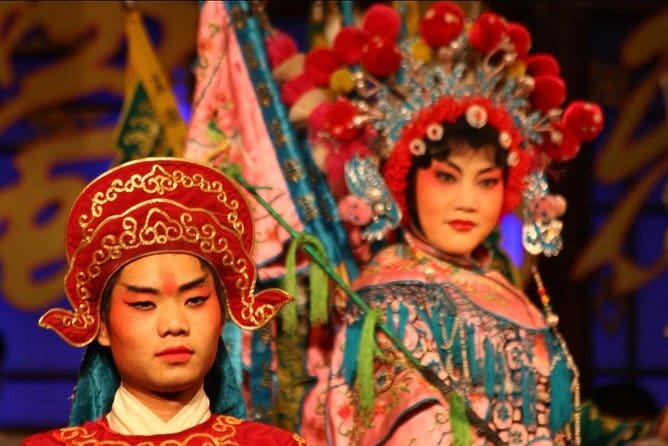
The performance is made up of multiple segments, and it is worth treating them like chapters. Each one teaches you something different about how the show thinks.
Here are the core pieces you will see, in the spirit of how the program is presented:
A different sort of day out of Chengdu:
- Chengdu: Giant Panda Breeding Research Base Ticket
★ 4.5 · 580 reviews - Half-Day Chengdu Cooking Class with a Local Market Visit
★ 5.0 · 465 reviews - Tuktuk Food Tour Through Chengdu’s Local Eats
★ 5.0 · 435 reviews - Private Half-Day Chengdu Panda Breeding Center Tour with Optional Volunteer
★ 5.0 · 353 reviews
Opera excerpt: The Three Heroes Fight Lü Bu
This is a classic kind of Sichuan opera conflict scene, the sort of excerpt that shows quick character shifts and punchy stage energy. For you, it is a good warm-up because it establishes the opera “grammar” early: the singing style, the stylized movement, and the dramatic physicality.
Hand shadow art and puppet-style storytelling
You will also see hand shadow art and a puppet segment (The Beauty of Life). These interludes do a useful job. They break the rhythm, add a different visual texture, and show how Sichuan stagecraft can tell stories without relying on realistic sets.
If you like variety, this is a highlight. It also helps you keep focus, because the production constantly changes the type of spectacle.
Acrobatics: umbrella kicking and multi-person drum kicking
Then come acrobatics segments like umbrella kicking and multi-person drum kicking. These moments read like choreography with risk. The umbrella work and drum action also help explain why Sichuan opera often feels more athletic than you might expect.
Specialty skills: hidden knife and fire breathing
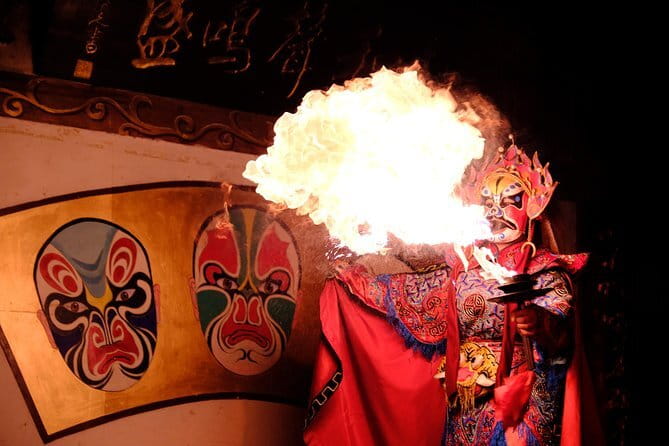
Two of the most attention-grabbing specialties include hidden knife and fire breathing. The key thing to remember is that these are not random “magic tricks.” In a Sichuan opera context, the specialties are part of the character expression and stage storytelling, which is why they fit into the show’s structure rather than feeling like a separate stunt show.
Lamp play: Rolling Lantern
Rolling Lantern is a lamp play, and it is designed for visual rhythm. Lantern motion creates an instant sense of atmosphere, and it gives the stage lights a job beyond decoration. If you sit toward the middle, you can usually enjoy how the movement patterns look across the stage.
Opera excerpt: Releasing Pei
This excerpt continues the opera side of the program, reinforcing the singing and character acting. It is a useful bridge between the high-impact specialties and the story-driven face-changing finale.
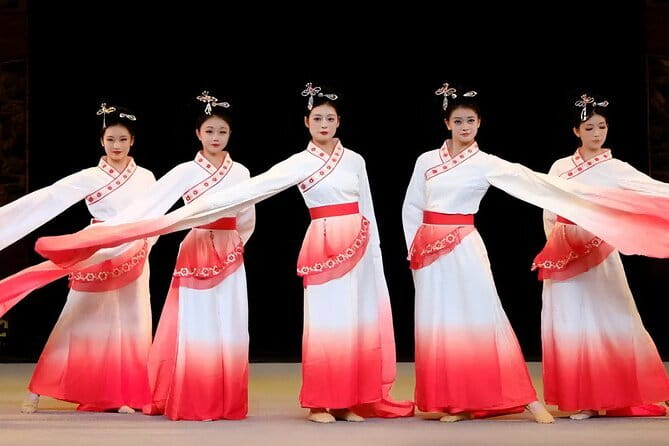
Dance performances: water sleeve and ghost immortal dance
You will see dance segments such as water sleeve dance and ghost immortal dance. These styles matter because they highlight the physical language of opera aesthetics. Even when you cannot catch every lyric, you can still understand the mood through movement, timing, and the way costumes and props amplify gestures.
Signature storytelling: Legendary Face-Changing with three costume changes
The story arc is where everything clicks. Your narrative thread follows Little Sanqing as he learns and eventually perfects the art. The show includes three costume changes as part of the narrative development, which helps you track time and growth even if you are not following every spoken line.
And yes, the centerpiece is the exclusive skill: eight-face changing. The production frames it as mastery reached through hardship, which makes it feel earned instead of just shocking.
The story you follow: Little Sanqing and the mask he cannot remove
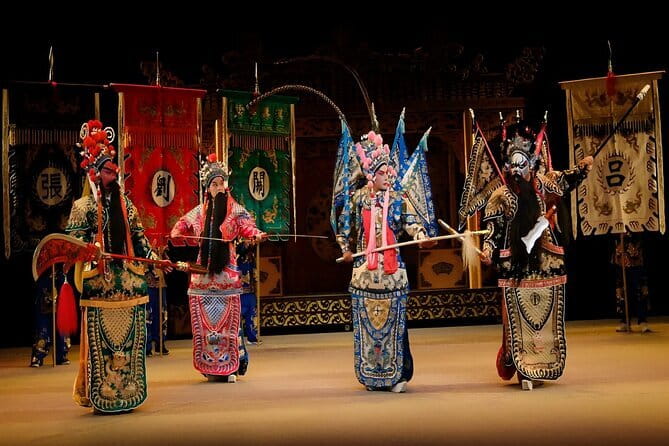
The show’s plot takes place at Sanqinghui in Chengdu, described as one of Sichuan opera’s historic birthplaces, which also connects directly to the theater area you are in today. That link adds a layer of meaning for you. You are not just watching generic opera drama. You are watching a performance that frames itself as part of a local tradition.
Here is the emotional backbone you will track:
Little Sanqing is a devoted opera student. His master takes him as a disciple, and Little Sanqing becomes serious enough about the craft that it shapes his life. Little Huanhua develops feelings for him, and the story leans into romance and loyalty.
Then the story turns. Young Master Ma forces Little Huanhua away and orders men to burn Little Sanqing’s face with fire. Little Sanqing is left with no easy choice, so he wears a mask and lives in hiding, secretly honing face-changing ability. In the end, he perfects eight-face changing in one seamless performance and becomes a legendary master. Little Huanhua eventually finds him, and the two return to the idea of bringing brilliance to the Sichuan opera stage.
That is why the technique works so well as theater. When the face-changing happens, you already understand what it costs. You are not only impressed by speed and visual impact, you are responding to a story about survival and dedication.
Practical tips so your ticket works and your seat feels worth it
You do not need fancy travel skills to enjoy this show, but you do need to be careful with the details that control entry.
Your email ticket is not optional
Check your email carefully before you go. You need the ticket serial number, the QR code, and your seat number. Without them, you cannot enter the theater. If something is missing, you should contact the service provider right away.
Also, seats are randomly assigned within the designated ticket area. So even though your email includes the seat number, you are still choosing from a zone, not the entire theater. Arrive early enough that you can locate your row calmly.
Plan your tea pickup, then go straight to your seat
Pick up your included tea at Yuelai Tea House next to the theater about one hour before the performance. Bring your ticket serial number or QR code to receive it. Then head in and get settled so you are not scrambling when the show starts.
What is not allowed inside
To keep the experience fair for performers, the venue does not allow alcohol and drugs, and it also does not allow video recording. Food is also not allowed inside the theater. If you want water, plan for it outside and keep things simple.
Where you meet and where you end
You start at Jinjiang Theater, No. 54 Huaxing Street, Luoma City, Jinjiang District, Chengdu. The activity ends back at the meeting point after the show.
Price and value: what $20 buys you in a single evening
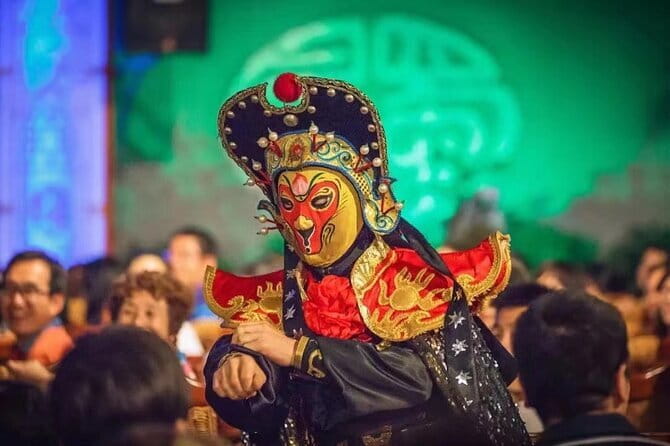
At about $20 per person for a roughly 70-minute performance, you are buying more than one style of art. This production layers Sichuan opera excerpts, shadow and puppet moments, acrobatics, dance, and multiple specialty skills, with the eight-face changing as the payoff.
If you are visiting Chengdu for a limited number of evenings, this is strong value because you get a concentrated introduction to the full range of Sichuan opera performance. It also helps that the show is near Tianfu Square, so you are not paying time costs in transportation.
The strongest value angle for me is the balance. Many short cultural shows oversell one highlight. This one builds toward it by showing you the craft: singing, movement, special skills, and story acting. The result feels complete.
Who should book this show, and who might want to skip
You should book if you want a high-impact first taste of Sichuan opera in a format that stays readable even without deep background. This is also a good pick if you like variety in one sitting, because the program jumps between opera excerpts, shadow work, acrobatics, and dance.
You might consider another option if you hate strict rules about phones. Since video recording is not allowed and your attention has to be on stage, you will want to be okay with that. Also, if you dislike scripted storytelling and prefer purely musical performances, this show’s narrative thread may feel more “theatrical” than you want.
Should you book Jinjiang Theater’s eight-face changing show?
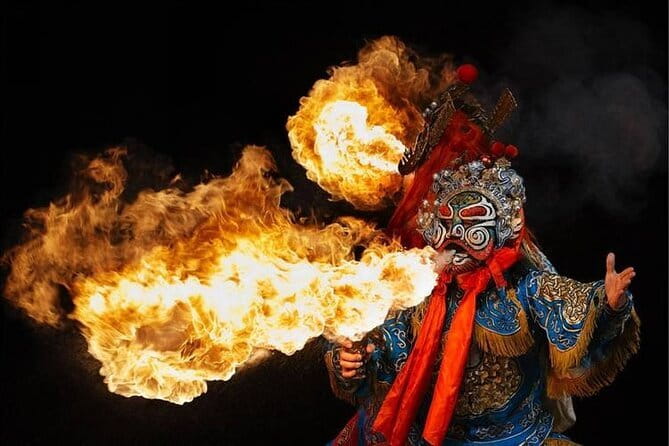
I think this is a smart booking for most first-time Chengdu visitors. The reason is simple: the eight-face changing is the headline, but the show earns it by delivering a full Sichuan opera experience around it, including specialty skills and classic excerpts. Add the included Gaiwan tea at the neighboring tea house, and you get a cultural evening that starts early and ends cleanly.
If you are comfortable following basic venue rules and you can read your email ticket details, you are set up for an easy night out. Book it, show up on time, and let the production do its job, you only need to watch closely and enjoy the craft.
FAQ
How long is the Jinjiang Theater eight-face changing Sichuan opera performance?
The show lasts about 70 minutes. Starting times depend on availability, so you should check the available schedule when you reserve.
How much does a ticket cost?
The price is listed as about $20 per person.
Where is the theater, and where do I need to start?
You meet at Jinjiang Theater, No. 54 Huaxing Street, Luoma City, Jinjiang District, Chengdu City, Sichuan Province, China.
Do I get tea with the ticket?
Yes. Your ticket includes a complimentary bowl of covered bowl tea at Yuelai Tea House, located right next to the theater. You pick it up about one hour before the show begins using your ticket serial number or QR code.
What do I need in order to enter the theater?
You must check your email for your ticket serial number, your QR code, and your seat number. Without these, you cannot enter the theater.
Can I record video during the show?
No. Video recording is not allowed during the performance.
Is food allowed inside the theater?
No food is allowed in the theater.
What languages are used for the host or greeter?
The host or greeter is listed as Chinese and English.
Are seats assigned in advance?
Seats are randomly assigned within the designated ticket area. Your email will include your seat number, and you should use that information for entry.
Latest reviews from Chengdu
- Chengdu: Giant Panda Base Reservation and Entry★ 5.0 · 5 reviews
- Private Day Tour: Chengdu Panda and Leshan Buddha★ 4.0 · 5 reviews
- Full-Day Tour of Leshan’s Giant Buddha from Chengdu★ 5.0 · 5 reviews
- Half-Day Tour at Chengdu Panda Breeding Research Base★ 4.0 · 5 reviews
- Huanglong Scenic Area: Explore Stunning Five-Colored Ponds★ 5.0 · 6 reviews
- 3 Day Private Tour to Jiuzhai Valley and Huanglong★ 5.0 · 6 reviews
- From Chengdu: Tibetan Village Live as a Tibetan Day Tour★ 5.0 · 6 reviews
- Chengdu: Private Tour at Panda Base with Guide★ 5.0 · 6 reviews
Sichuan Opera, compared.
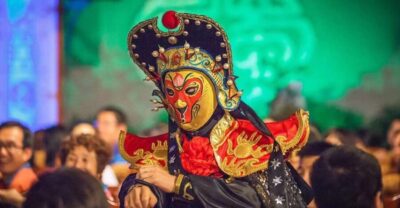
Sichuan Opera Shu Feng Yan Yun Evening Show Ticket
Read our review →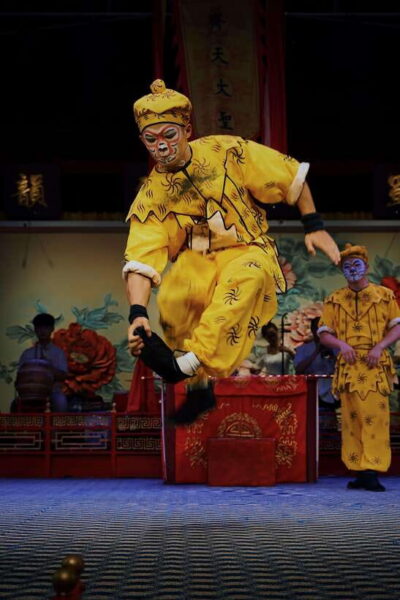
Chengdu Sichuan Opera Show Ticket – Shu Feng Ya Yun
Read our review →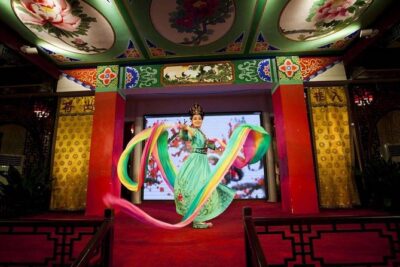
Chengdu Sichuan Opera Evening Show Ticket-Shu Feng Yan Yun
Read our review →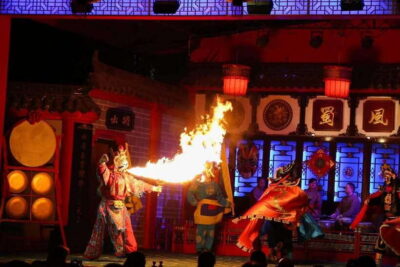
Sichuan Opera Show ShufengYayun & Covered Bowl Tea
Read our review →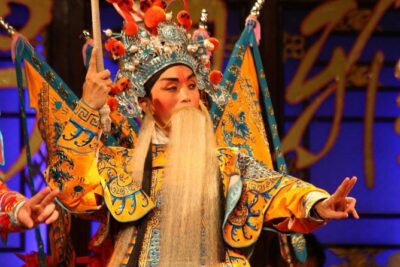
Browse the lists this tour appears in