Reviewed · SHANGHAI TOURS
Red Route Tour- Chinese Communist Party
Want a Shanghai history tour with a clear political storyline? The Red Route Tour traces the rise of the Chinese Communist Party through real places in the Xintiandi area, then into the visual language of the Cultural Revolution. I love the convenience of hotel pickup, and I love how guides like Penny turn street-level stops into a timeline you can follow.
One possible drawback: this route sticks closely to the CCP narrative, so expect a largely official framing rather than an open-ended debate. It is also a brisk, 3-hour outing, so plan on walking and short local hops between stops.
Key Highlights You’ll Want to Know Before You Go
- Xintiandi as a starting point for the Communist Party story, right in the middle of modern Shanghai
- Professional historian guidance that links sites to dates and cause-and-effect, not just facts
- Propaganda Poster Art Centre for hands-on context from Cultural Revolution-era imagery
- Free entry at the marked stops, so you can focus on the tour instead of ticket math
- Private group format, so the pace and questions stay with your group
- Mobile ticket plus meeting at a central hotel, which keeps the start simple
A Political History Walk Through Xintiandi
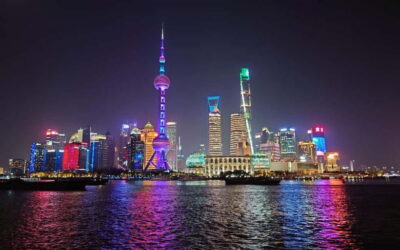
The Red Route Tour is for you if you want to understand modern China through its Communist Party story, but you want it grounded in neighborhoods you can actually walk through. Shanghai is often sold as skyscrapers and shopping malls, yet this tour uses those contrasts on purpose. You move from glossy, high-end streets into places tied to the Party’s early days and later messaging campaigns.
What I like about this approach is that it turns history into something you can see and compare. You get the sense of how ideas traveled, how the Party wanted people to feel, and how public messaging became part of everyday life. It is not just names and dates, it is a guided route through changing Shanghai landscapes.
This also helps you connect Shanghai to the rest of China. The story here is not abstract. It is anchored in specific locations and artifacts, so when you later read about key events, you have real visual anchors in your head.
What else people fit into the same Shanghai trip:
- Authentic Local Food Tour in Central Shanghai
★ 5.0 · 1,382 reviews - Zhujiajiao Water Town and Shanghai City Private Day Tour
★ 5.0 · 1,016 reviews - Private Shanghai Full Day City Tour with Old and New Highlights
★ 5.0 · 995 reviews
Price, Timing, and What $85 Really Gets You
At $85 per person for about 3 hours, this is priced like a midrange, guide-led history experience. The big value boosters are practical: hotel pickup is included, and the tour is built around a focused set of stops rather than a long bus route.
The timing matters too. A 3-hour format is ideal when you want depth without losing an entire day. If you are planning other Shanghai highlights, this fits neatly as a morning or afternoon block.
A few money and logistics points to keep expectations straight:
- Admission is marked as free at the stops on this route, so you are not adding museum ticket fees.
- Food and drinks are not included, so you will want to eat before or after.
- Local transportation between attractions is not listed as included, even though you may travel by subway or taxi during the route. Bring a payment method and plan for short paid hops if needed.
- Hotel drop-off is not included, so after the last stop you may need to handle getting back on your own.
Also, because the tour is private for your group, you are not stuck behind a crowd that walks at a different speed. That tends to make the guide’s explanations land better, especially on a topic like political history where timing and context really help.
Stop 1 in Xintiandi: Where the Story Starts in Plain Sight
You begin in Xintiandi, and the tour starts with a historian guide meeting you at your central hotel. From there, you head into the Xintiandi area on foot. The walk itself is part of the lesson.
One reason Xintiandi works so well for this theme is contrast. You pass through streets that look sleek and modern, with restaurants and boutique shopping nearby. Yet the route funnels you toward the Party’s early footprint, so the setting becomes a question: how did something this political take root in a city that is now known for its fashionable redevelopment?
The guide does more than point. Expect explanations that connect the Party’s early growth to the broader pressures around it, including how Shanghai’s past international exposure shaped the environment. That kind of context is useful because it helps you understand why the Party’s messaging had to be more than just internal.
Practical tip: wear shoes you can walk in for a few steady blocks. Even though this tour is not long, the pacing is designed for moving between points without waiting around.
Stop 2: The Birthplace Narrative and the Power of a Timeline
From the Xintiandi start, the route continues with the Party’s early formation story, often described as the birthplace of the Chinese Communist Party. This is where you should pay attention to the sequence the guide builds.
Political history can feel like a wall of dates. A good historian guide helps you see the logic: what happened first, what changed after, and why later events made sense in the context of earlier ones. That is what makes a stop like this valuable. It is not just where something happened, it is what that moment led to.
You’ll also notice the tour’s method. Instead of treating Communist Party history as sealed off from Shanghai’s everyday life, it links the story back to place. The area is walkable, and you are moving through the same streets that people shop and dine on today. That makes the Party history feel less like a textbook and more like a living thread.
If you are the type of visitor who likes to ask questions, this is a good moment to do it. The explanations here set up the rest of the tour, so any clarification you get early pays off later.
A different sort of day out of Shanghai:
- Shanghai: 3-Hour Local Food Tasting Tour
★ 4.9 · 806 reviews - Shanghai: Hop-on Hop-off Bus Ticket and Optional Attractions
★ 3.4 · 692 reviews - Shanghai Private Tour: Zhujiajiao Water Town and Boat Ride
★ 5.0 · 661 reviews - Eat Like A Local: Shanghai Night Food Tour
★ 5.0 · 616 reviews
Stop 3 at the Propaganda Poster Art Centre
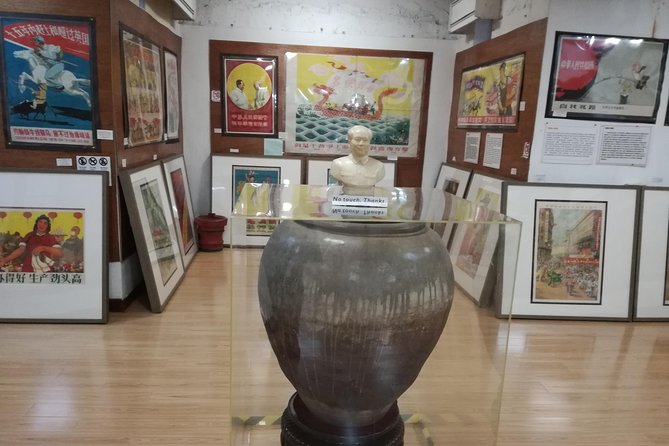
The most eye-opening stop on this route is the Shanghai Propaganda Poster Art Centre. This is where the Cultural Revolution-era materials come into focus.
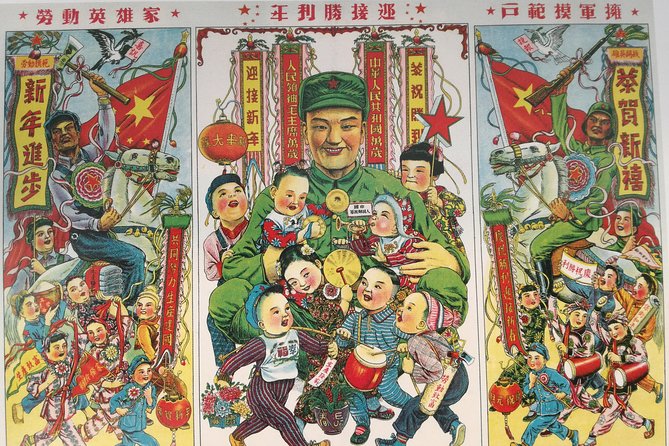
Posters are powerful because they were designed to do more than inform. They were meant to shape identity, promote obedience, and guide how people interpreted the world. In this setting, you do not just hear about ideas, you see how those ideas were packaged.
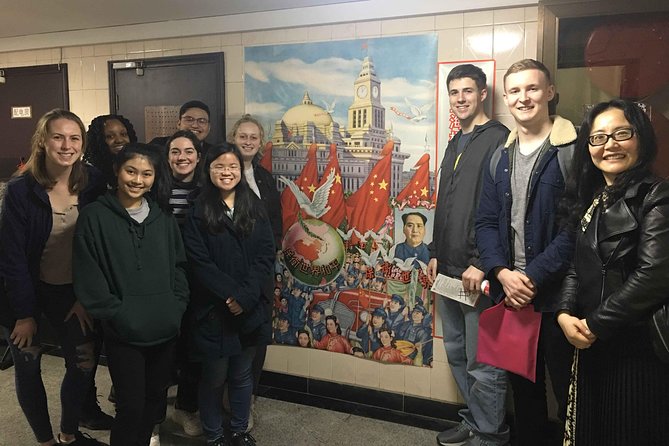
This is also where the tour’s guiding style matters a lot. With a historian guide, the posters turn into evidence. You can start to connect what the Party wanted people to feel with what the images actually show, from slogans to symbols to the way people were depicted.
One balanced note: the frame here is largely tied to the CCP storyline and how that history is presented. That can still be valuable. In fact, it helps you understand how official messaging worked and why it was effective for the audience it targeted. Just keep your brain switched on for context, and you will get more out of it.
Practical tip: look closely at the details the guide points out. With propaganda, small elements matter, including recurring themes and visual patterns.
Stop 4: XinTianDi BeiLi and How Neighborhoods Keep Histories Alive
After the poster centre, the tour finishes back in the broader XinTianDi area around XinTianDi BeiLi. This part helps you land the story in the geography of modern Shanghai again.
Finishing here is smart. It shows you that history does not stay in museums. Even in areas rebuilt for modern tastes, the story remains in how a neighborhood is structured, named, and repurposed.
This stop can feel more reflective than the museum-heavy moment. You are likely to leave thinking about what it means for a city to repackage older spaces for new audiences. In Shanghai, that process is fast and visible. Seeing the Communist Party narrative framed inside a redeveloped district gives you a more complete picture than history alone ever would.
If you are a photography person, this is also a good window. You can capture the modern street energy while remembering that the tour just explained the political weight hidden nearby.
How Penny and Other Guides Make the Timeline Click
A standout theme from guide feedback is the quality of the historian-led commentary. The name Penny shows up in feedback specifically, and it matches what you want from a tour like this: explanations that are clear, lively, and organized.
Why this matters: political history is dense. Without a guide, it can turn into a blur of events. With a strong guide, you start to see cause and effect. You learn what mattered most at each stage and how the Party’s approach to public life evolved over time.
One more helpful detail: guides often share practical recommendations after the tour, including where to eat and what to browse. That is especially useful here because food and drinks are not part of the package, so you want smart suggestions for the rest of your day.
You will also likely hear connections beyond just internal Party decisions, including how foreign presence and earlier Shanghai eras influenced the environment around events. Even if you already know some basics, those links help fill in the blanks.
Practical Tips for a Smooth 3-Hour Experience
This is not an all-day marathon, so the goal is to stay comfortable and focused.
Here’s how I’d prep:
- Bring comfy walking shoes since you’ll be on your feet through Xintiandi and between nearby stops.
- Use a simple plan for snacks. Since food and drinks are not included, having a quick breakfast or lunch before the tour makes the 3-hour schedule feel easy.
- Keep a payment method handy for short transit needs. Transportation to and from attractions is not listed as included.
- Expect a group format that stays tight. The tour is private for your group, so you can move without typical large-coach crowd friction.
- Have your mobile ticket ready, since the tour uses a mobile format.
- Come with at least one question. Examples: How did messaging shift over time? Or why posters mattered so much? The guide’s timeline will make more sense once you know what you want to understand.
If you do these things, the tour feels like a crisp, guided story rather than a rushed checklist of sites.
Who This Tour Is Best For
This is a strong fit if you:
- Want a Shanghai history tour focused on the Chinese Communist Party and modern political development
- Prefer guided context over reading alone
- Like walking through real neighborhoods instead of only visiting buildings behind glass
- Enjoy propaganda and visual history, not just speeches and dates
It is also a good option for people who like structure. The tour’s rhythm, start in Xintiandi, then move toward Communist Party story elements and Cultural Revolution visuals, gives you a clean narrative arc.
You might want to think twice if you:
- Only want informal street culture with zero political content
- Expect a debate-style comparison of multiple narratives in the same session
- Have limited stamina for walking and short local hops
Should You Book This Red Route Tour?
Book it if you want a focused, guided path through Communist Party history in Shanghai that you can connect directly to what you see on the ground. The value is strongest when you factor in hotel pickup, a historian-led timeline, and the poster centre experience, which is the most visually memorable part of the tour.
Skip it or pair it with other viewpoints if you already know you want a wider spectrum of interpretations in one sitting. This route is built to explain the CCP storyline in a structured way, so it works best as part of your broader Shanghai and China reading plan.
If you like the idea of learning modern history through places and visuals, this is a smart use of a half-day in Shanghai.
FAQ
How long is the Red Route Tour in Shanghai?
The tour lasts about 3 hours.
Is hotel pickup included?
Yes. Hotel pickup from your centrally located hotel is included.
Are admission tickets included?
Admission is marked as free for the stops listed on this route.
Is this a private tour?
Yes. It is private, and only your group participates.
Are mobile tickets used?
Yes. The tour includes a mobile ticket.
Are children allowed?
Children must be accompanied by an adult.
What is the cancellation policy for a full refund?
You can cancel up to 24 hours in advance for a full refund. If you cancel less than 24 hours before the experience starts, the amount paid is not refunded.
Latest reviews from Shanghai
- Shanghai to Beijing Bullet Train Ticket with Hongqiao Station Transfer★ 5.0 · 5 reviews
- Hangzhou Private Day Trip by Bullet Train from Shanghai★ 4.5 · 5 reviews
- Shanghai Era Theatre Acrobatics Show Ticket★ 5.0 · 5 reviews
- Online Cooking Class Fried Rice by Sunflower Li★ 4.5 · 5 reviews
- Shanghai in a Day: A Whirlwind Tour of the City’s Highlights★ 5.0 · 5 reviews
- Zhouzhuang and Tongli Water Town Private Transfer Service from Shanghai★ 5.0 · 5 reviews
- Shanghai Hongqiao Airport To Shanghai Hotel:Private transfer with Meet service★ 5.0 · 5 reviews
- Private Shanghai City Day Tour with Best Highlights and Shopping★ 5.0 · 5 reviews
Shanghai Tours, compared.

Authentic Local Food Tour in Central Shanghai
Read our review →
Zhujiajiao Water Town and Shanghai City Private Day Tour
Read our review →
Private Shanghai Full Day City Tour with Old and New Highlights
Read our review →
Hop-on Hop-off Bus Ticket and Optional Attractions
Read our review →
Shanghai Private Tour: Zhujiajiao Water Town and Boat Ride
Read our review →