
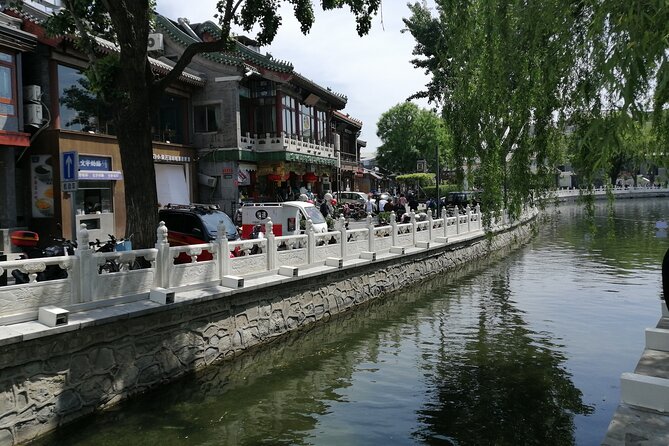
Reviewed · HUTONG TOURS
Beijing Hutongs Walking Tour
Beijing hutongs are where the city feels human scale, and this walk is a tidy way to experience that maze without getting lost. You’ll start near Nanluoguxiang, move through historic lanes and courtyard streets, and end back around the Drum Tower area. The small-group feel and English-speaking guide make it more relaxed than a free-for-all wander, even when the streets twist.
I really like the small group size (up to 15) and the laid-back pace. It gives you room to ask questions and actually hear the stories, not just pass them by while you’re trying to keep up. Plus, Roy Li Tours Beijing uses an English-speaking guide, and the guide style comes through, with Roy known for good English and keeping people engaged with quiz-style questions.
My only caution is simple: this tour is tight on timing, and the meeting spot is specific. If you show up late, you may miss the start, since the group meets at a metro exit and then moves on.
Key Highlights Worth Your Time

- Easy metro meeting near Nanluoguxiang at Line 6 or Line 8, exit E, so you can find the start fast
- Courtyard-house stops tied to real people and big turns in China’s last imperial era, including Puyi’s empress Wanrong
- A slower hutong pace that helps you notice details like trees, grey courtyard walls, and lane layout
- Stories that go beyond monuments, including Chinese time-keeping and what happened to the last emperor
- A lakeside landing around Qianhai and Houhai before finishing near the Drum Tower area
Why Hutongs Feel Like a Different Beijing
Central Beijing is all grand axes and big gates. Hutongs are the opposite. Instead of huge views and long sight lines, you get narrow lanes, courtyard homes, and the sense that daily life used to unfold right there on the street edge.
This tour leans into that contrast in a smart way. You’re not just told to look at alleys. You’re guided through what they meant, who lived in them, and why the layout matters. It helps you see the city’s past as something spatial and practical, not just dates on a plaque.
One of the best parts is that you’re also learning how to read the city. When you understand the lane system and the courtyard-house rhythm, the whole neighborhood stops feeling like a confusing maze. You start thinking, Oh, I see how this works.
More Walking Tours in Beijing
- Beijing Hutong Walking Food and Beer Tour at Hidden Restaurants
★ 5.0 · 1,132 reviews - Private Beijing Walking Tour of the Forbidden City with 7 Options
★ 5.0 · 675 reviews - Forbidden City Private Walking Tour with Optional Sights
★ 5.0 · 400 reviews
Finding the Start at South Luogu Lane, Metro Line 6 or 8 Exit E
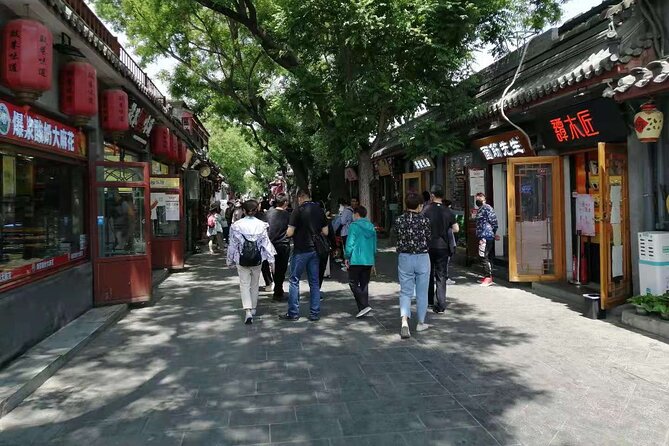
The meeting point is near South Luogu Lane, Nan Luo Gu Xiang, in Dongcheng District. The tour meet-up is at Nanluoguxiang metro station, specifically Exit E. You can use either Line 8 or Line 6 to get there.
This matters more than it sounds. Nanluoguxiang is a busy area, and if you don’t know the exact exit, you can waste time crossing streets and backtracking. Use the metro station exit as your anchor, then walk calmly to the South Luogu Lane area where the group gathers.
The start time is 10:00 am, and the tour runs about 1 hour 30 minutes to 2 hours. That window is long enough for real stories and multiple stops, but short enough that you won’t feel like you’re tethered to your watch all morning.
Practical tip: be there a few minutes early. The tour moves on, and being late can put you on the outside looking in.
Bell and Drum Towers: The Perfect Opening Point for City Stories
Even before you hit the tight lane network, the tour frames where you are. Bell and Drum Towers are a strong way to start because they connect to how Beijing kept time. You’ll hear about Chinese time-keeping, and that sets the mood for the rest of the walk.
From there, the tour naturally transitions into hutong neighborhoods where daily life took place, not imperial parade routes. That shift is the whole point. You go from a landmark tied to public rhythms and time to the intimate scale of courtyard living.
This kind of setup is great if it’s your first day. It gives you context quickly, so when you later explore on your own, you’re not only seeing buildings. You’re understanding why the city grew the way it did.
Nanluoguxiang Lane: Yuan Dynasty-Style Courtyard Details You Can Actually Notice
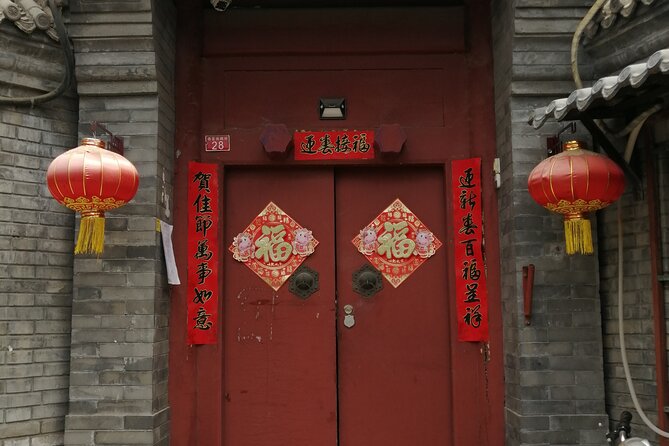
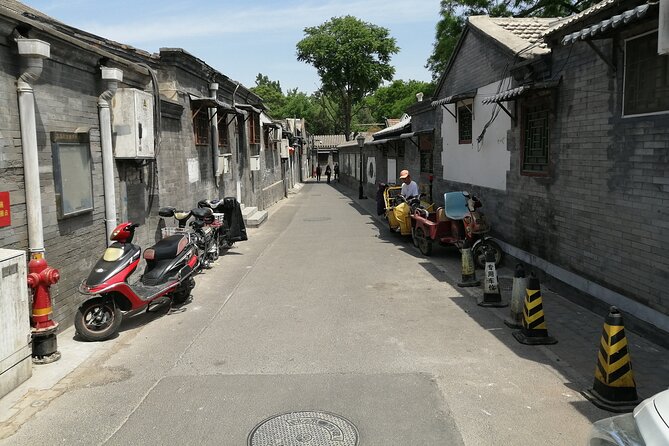
One of the early stops centers on Nanluoguxiang lane. The guide brings it back to earlier periods, describing how this lane connects to the Yuan Dynasty era and highlighting the feel of traditional courtyard architecture.
What you should focus on here is not just the big claim. It’s the visual cues: grey courtyard walls, old trees, and the solid, grounded shapes that define Beijing’s traditional residential look. The tour makes you slow down enough to spot those details instead of treating the lane like a photo corridor.
If you’ve only seen hutongs from a distance, this is where you learn how to look. Grey walls reflect light differently than modern facades, and old trees change how a lane feels from day to day. The guided pacing helps you notice that.
More hutong walks in Beijing:
- Temple of Heaven, Summer Palace, Lama Temple, Hutong Tours
★ 5.0 · 311 reviews - Beijing Private Hutong Food Walking Tour
★ 5.0 · 299 reviews - The Hutong Experience by Bike
★ 5.0 · 163 reviews - Beijing: Hutong Culinary Walking Tour with 15+ Tastings
★ 5.0 · 162 reviews
Mao’er Hutong: Stories in the Narrow Lanes
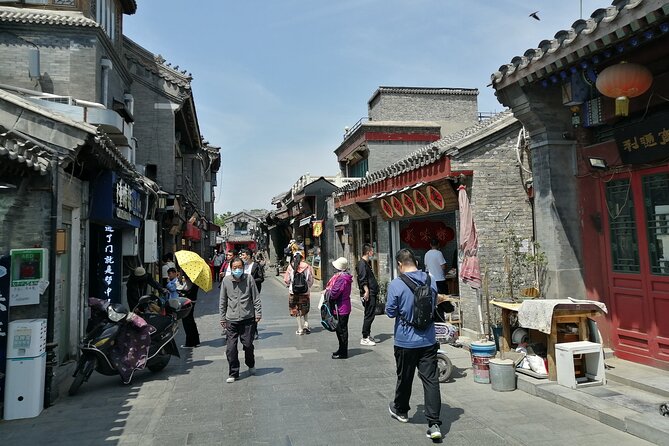
Next up is Mao’er Hutong, where the tour connects architecture to people and character stories. This is the stretch where hutong walking really becomes memorable, because lanes do not behave like broad streets.
Here, you’ll get more of the human side of the city: named buildings, anecdotes, and the kind of context that turns architecture into lived experience. The guide’s style helps, too. Roy is described as engaging, and his quiz-style interaction keeps attention from drifting as the walking continues.
Potential drawback: you are on foot for a good chunk of the tour, and hutongs are narrow. Wear comfortable shoes and keep water in mind. The good news is the pace is relaxed, so it doesn’t feel like a forced march.
Empress’s Mansion and Wanrong’s Connection to Puyi
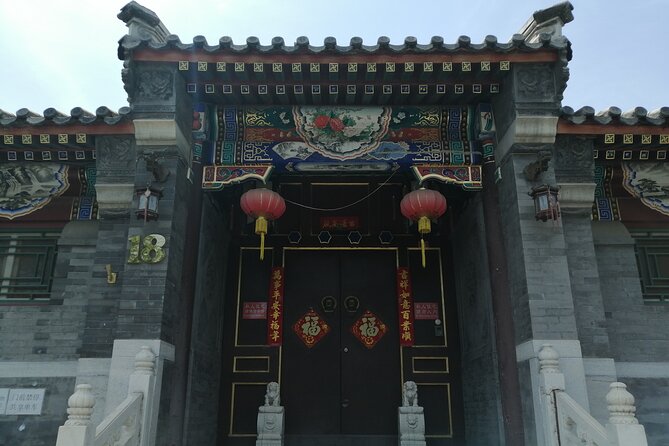
A standout stop is at Empress’s Mansion, linked to the former residence of Puyi’s empress, Wanrong. This is a high-interest moment because it connects a specific location to the final days of the Qing dynasty’s last emperor.
What makes this stop more valuable than a quick photo stop is the context. The tour doesn’t just point at a building. It ties the story to fate, transition, and how the imperial era ended in real places, not just in textbooks.
If imperial history is your weak spot, don’t panic. The tour is set up to explain the big picture while you’re walking. And because you’re in the neighborhood where these stories belong, you’re more likely to remember the relationship between place and person.
Qianhai Lake to Houhai Lake: A Calm Finish with Real Atmosphere
As the walk continues, you’ll move toward a narrower channel that joins Qianhai Lake and Houhai Lake. This is a nice shift in tempo. After tight lanes and courtyard walls, moving toward water space changes the atmosphere quickly, and it helps your brain reset.
From there the experience finishes around the Drum Tower area, near Houhai in Xicheng District. Ending near landmarks by water and the Drum Tower zone also makes it easier to plan your next step, whether you want another walk or to grab a meal nearby.
Even if you’re not a lakeside person, this ending works. It gives you a natural decompression moment after an information-heavy morning or afternoon.
Price and Logistics: Why $30 Feels Reasonable
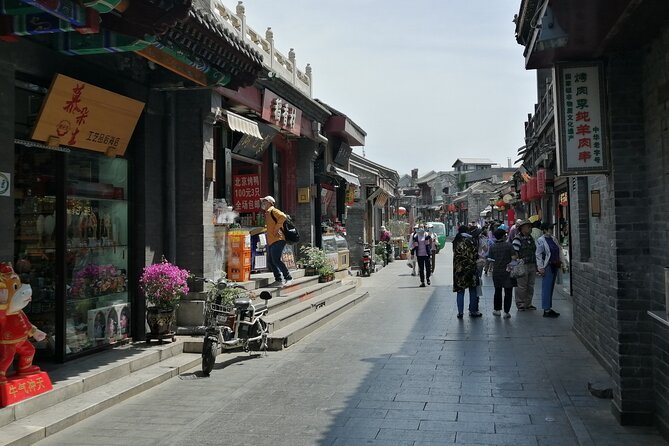
The price is $30 per person, and the tour runs about 1 hour 30 minutes to 2 hours. For Beijing, that’s a clear value category: you’re paying mostly for guided interpretation and a route that connects several meaningful locations.
What you’re getting for that money:
- An English-speaking guide
- A focused route through hutongs and courtyard architecture
- Time to cover multiple stops, including Bell and Drum Towers, Nanluoguxiang, and the Empress’s Mansion area
- A maximum group size of 15, which is big enough to meet people but small enough for real interaction
The tour also uses a mobile ticket, which is convenient. And because it’s near public transportation, you’re not forced into awkward logistics right away.
One last practical note: the tour is described as requiring a minimum number of travelers. That can mean a date swap or refund if the group doesn’t fill. The upside is that you can usually plan with flexibility.
Who Should Book This Hutong Walk (and Who Might Skip It)
You’ll probably love this tour if you want:
- A guided way to see courtyard homes and not just a checklist of sights
- Stories that connect buildings to how people lived, including the last emperor angle
- A route that helps you learn the neighborhood layout so you feel more confident exploring later
It may not be the best fit if you:
- Hate walking and prefer long taxi rides between indoor sites
- Want very structured museum-style content with lots of sitting time
- Are likely to be late for meet-ups, because this tour expects punctual arrival at the specific metro exit
My Final Take: Should You Book This Tour?
If your goal is to see a calmer, more local Beijing in a short window, this is a strong buy. The combination of hutong lanes, courtyard context, and the Empress’s Mansion, Wanrong and Puyi connection gives the walk real shape and memory value. And the fact that the guide interaction is described as engaging, with good English, makes it easier to stay present as you move through the lanes.
If you can arrive on time at the metro exit and you want a “slow down and learn” style morning, book it.
FAQ
Where does the tour start?
The tour starts near Nanluoguxiang metro station, South Luogu Lane area, at Exit E. It also references Line 8 or Line 6 Nanluoguxiang station exit E.
What time does it begin?
The start time is 10:00 am.
How long is the walking tour?
The duration is approximately 1 hour 30 minutes to 2 hours.
How much does it cost?
It costs $30.00 per person.
What is included in the tour price?
The tour includes an English-speaking guide. Admission tickets are not included.
How large is the group?
The tour has a maximum of 15 travelers.
Is there free cancellation?
Yes, you can cancel for a full refund if you cancel at least 24 hours before the experience start time.
Latest reviews from Beijing
- Private Layover Tour to Mutianyu Great Wall and Forbidden City★ 5.0 · 22 reviews
- Beijing: Hutong Breakfast Food Tour★ 5.0 · 22 reviews
- Beijing: Longqing Gorge, Ming Tombs & Lunch Private Day Tour★ 4.8 · 22 reviews
- Beijing: Badaling Great Wall VIP Pass w/Optional Attractions★ 5.0 · 22 reviews
- Private Day Trip to Tianjin from Beijing by Bullet Train★ 5.0 · 22 reviews
- Temple Of Heaven Entrance Ticket Booking-Different Option★ 4.7 · 22 reviews
- Beijing: Tiananmen Square & Forbidden City Guided Tour★ 4.0 · 22 reviews
- T-Square, Forbidden city and Mutianyu Great Wall Private Day Tour★ 5.0 · 22 reviews
Hutong Tours, compared.

Beijing Hutong Walking Food and Beer Tour at Hidden Restaurants
Read our review →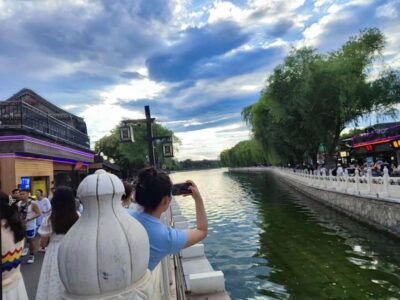
Temple Heaven, Summer Palace, Lama Temple, Hutong Bus Tour
Read our review →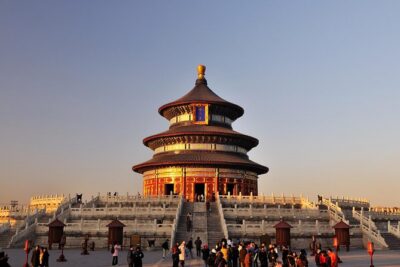
Temple of Heaven, Summer Palace, Lama Temple, Hutong Tours
Read our review →



Browse the lists this tour appears in