Reviewed · CITY TOURS
Discover Off Beaten Route–Shanghai Old City Town
What makes this tour so compelling is the way it links Shanghai’s old beliefs and old streets in one tight walk. You start at the ancient city wall area, then move into temple courtyards, old lanes, and classic garden scenery without spending your day hopping around.
I love how you get real food tastings along the route, not just photo stops. I also like the guide time, especially in a small group of up to 8, where the conversation can go beyond facts and into how daily life and history connect. Guides like Cindy and Aries have stood out for their clear explanations and personal pace.
One consideration: you’ll cover a lot in 3 hours, so if you prefer slow museum time, this may feel packed. And if you have strong dislikes around street snacks, I’d check what you’re comfortable trying before you go.
Key highlights
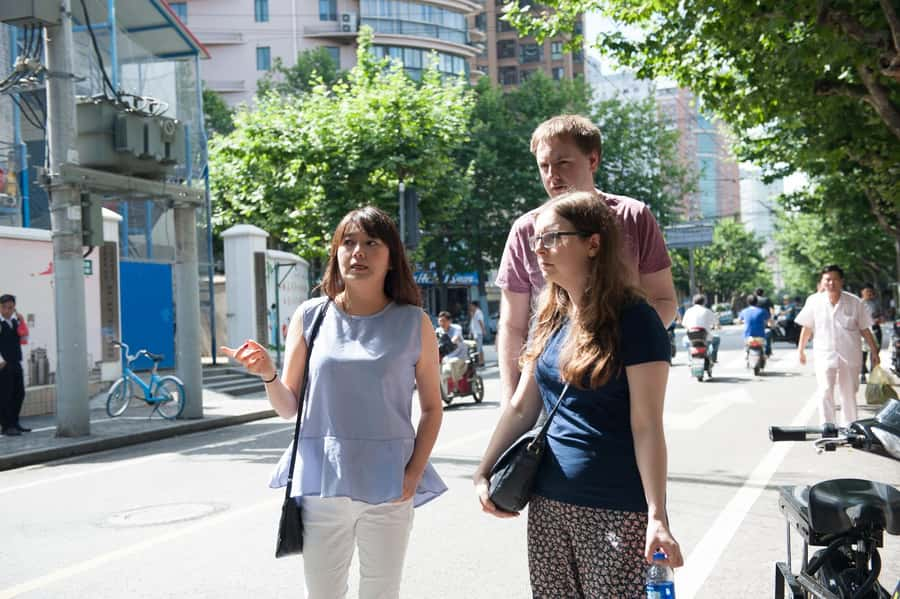
- Small group walk (max 8) so you can actually talk and ask questions
- Buddhism and Taoism temples with etiquette explained as you visit
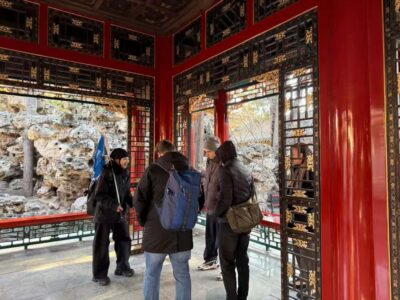
- Yu Garden with a guided look at its 400-year-old layout and ponds
- Street-food sampling in the old bazaars, picked for you by your guide
- Tea ceremony at the end to reset after tasting
Walking Shanghai’s Old City, without the big-tour chaos
Shanghai can feel like a world made of glass towers and fast-moving crowds. This tour takes you in the opposite direction, into the older fabric of the city: lanes, temple gates, snack stalls, and the calm geometry of gardens.
The best part is how the route is stitched together by theme. You don’t just see landmarks, you see how they connect. Belief sites (Buddhism and Taoism), everyday street life (bazaars and snack stops), and a quieter cultural moment (tea) all show up in one 3-hour rhythm.
You’re also not stuck in a huge crowd. With up to 8 people, the pace stays humane, and your guide can keep an eye on the group as you weave through back streets.
A few more Shanghai days to compare
- Zhujiajiao Water Town and Shanghai City Private Day Tour
★ 5.0 · 1,016 reviews - Private Shanghai Full Day City Tour with Old and New Highlights
★ 5.0 · 995 reviews - Shanghai City Guided Walking Tour | China’s 1st and Best Rated
★ 5.0 · 285 reviews
Starting at Shouning Road, where the old city begins
You meet at the corner between Shouning Rd and South XiZang Rd, in front of Riverdale Residence. This matters more than it sounds. Getting your bearings at the start makes the whole walk feel smoother, especially in an older area where streets can look similar block to block.
From there, the tour begins with a short walk into the old town area. Expect the early minutes to feel like you’re stepping from modern Shanghai into a different kind of city scale. It’s the kind of transition that makes you slow down, even if you’re moving.
If you’re the type who likes to arrive a little early, do it. You’ll have time to regroup, check your camera storage, and get comfortable before you start walking.
Ancient city wall area: the context stop that makes everything else click
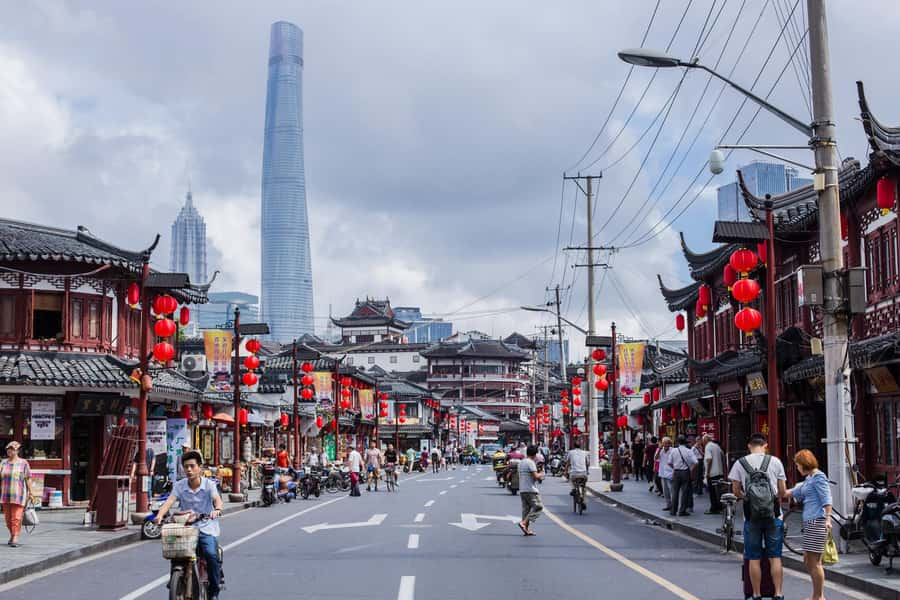
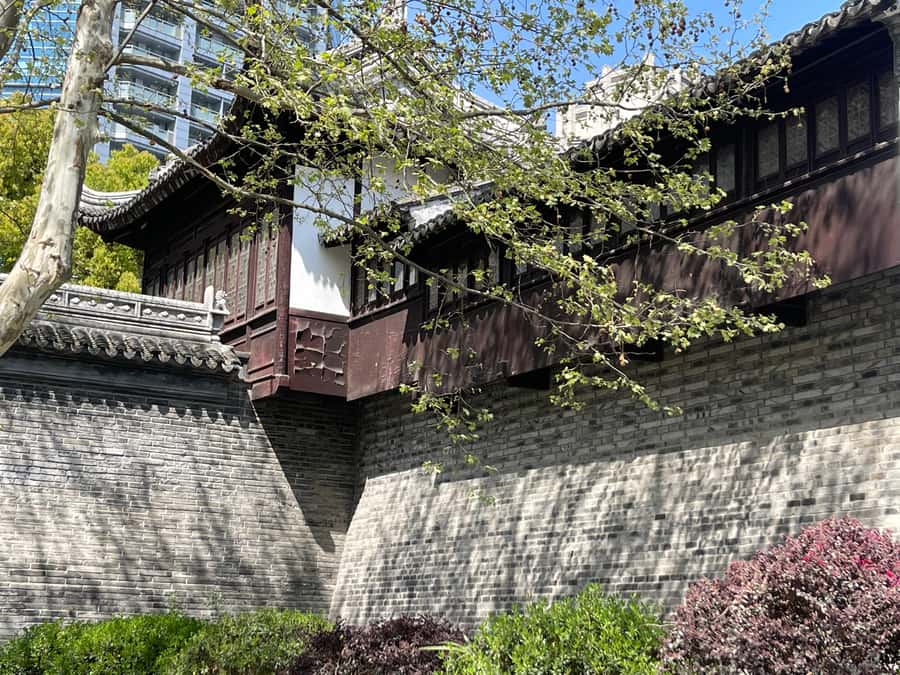
The route kicks off at the ancient city wall area in Shanghai. Even if you’re not a total history nerd, this stop helps you understand what you’re about to see.
City walls in Chinese towns were more than defensive structures. They shaped how people lived, moved, traded, and organized space. When you start here, the rest of the walk feels less random. Temple courtyards and old lanes aren’t just pretty sights. They connect to how the city formed.
This is also a good spot to get your photo rhythm right. Early in the tour, you’re likely still fresh and walking confidently. You’ll be thankful later when the route turns toward tighter streets and more food stops.
Monastery time: Buddhism and Taoism, plus practical etiquette
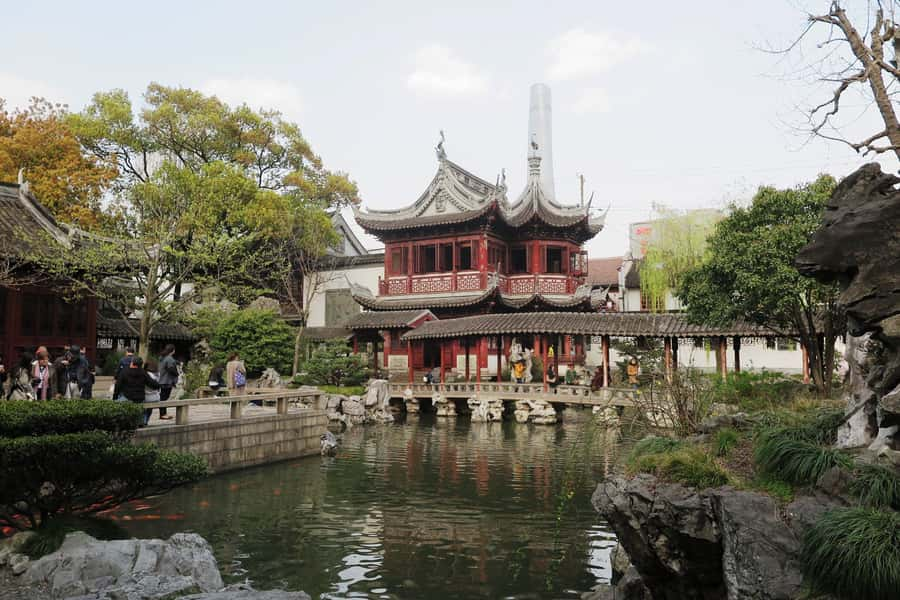
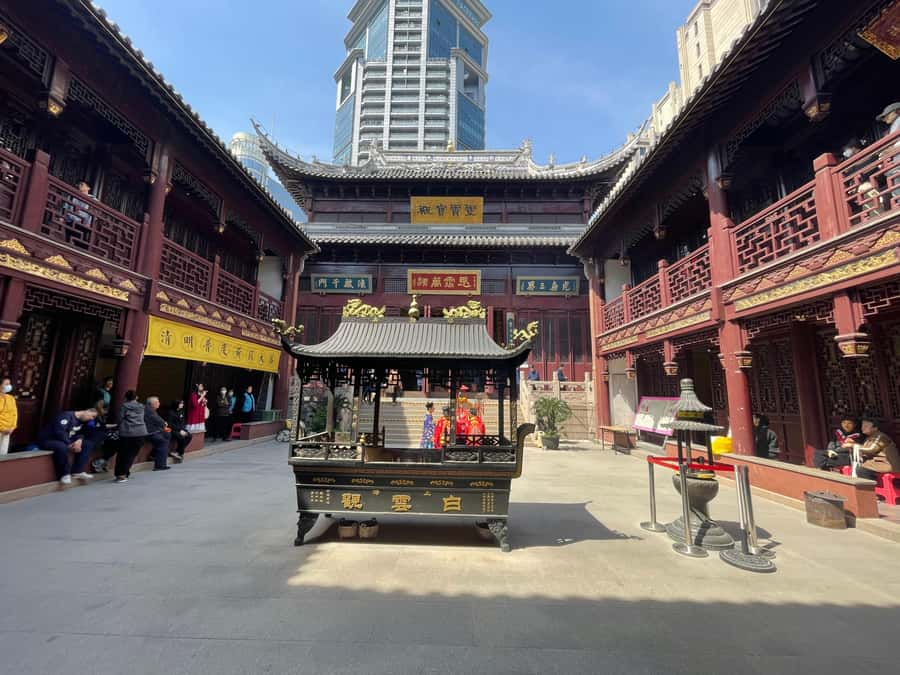
One of the strongest parts of the experience is the way it treats temples as living cultural spaces, not just postcard backdrops. You’ll visit Buddhism and Taoism temples, and you’ll learn religious etiquette along the way.
That etiquette piece is what makes the difference. Temple visits go better when you know how people generally behave: where to stand, how to move through areas, and what kinds of gestures or tones tend to be respectful. You don’t need to be an expert, but you do want to avoid accidental rudeness.
This stop is also a visual education. You get a chance to notice the details that make temple architecture feel intentional: the arrangement of courtyards, the rhythm of entrances, and the way incense or ceremonies influence the atmosphere.
Time-wise, plan on about 20 minutes here. That’s enough for a real look without feeling rushed, but it’s not a long sit-down experience. If you want a deep, slow temple study, you may want to extend the visit on your own afterward.
A different sort of day out of Shanghai:
- Authentic Local Food Tour in Central Shanghai
★ 5.0 · 1,382 reviews - Shanghai: 3-Hour Local Food Tasting Tour
★ 4.9 · 806 reviews - Shanghai: Hop-on Hop-off Bus Ticket and Optional Attractions
★ 3.4 · 692 reviews - Shanghai Private Tour: Zhujiajiao Water Town and Boat Ride
★ 5.0 · 661 reviews
Yu Garden: a 400-year-old pocket of calm and clever design
After temples, the tour moves toward the Yu Garden district, and you’ll spend about 30 minutes in guided time there, including food tasting.
Yu Garden is about 400 years old, and it’s famous for the kind of architecture and landscape planning that makes a small space feel layered. Even when you’re surrounded by people, the garden layout encourages you to slow down. You can see rockeries, ponds, and elegant design choices that guide your movement.
What I like about including Yu Garden in this kind of tour is the contrast. You’ve been in religious spaces, now you’re in a curated environment built for reflection and beauty. It’s a mental reset.
Practical tip for your visit: Yu Garden is a camera magnet, but don’t spend the whole time shooting. Use the guided commentary to orient yourself to what you’re seeing. When you know what the garden elements are meant to do, the scenery becomes more than background.
One small drawback to keep in mind: this is a popular area. Expect some crowding, especially around key viewpoints. The upside is that your guide keeps the group moving so you’re not stuck waiting forever.
City God Temple streets: where street food turns into the highlight
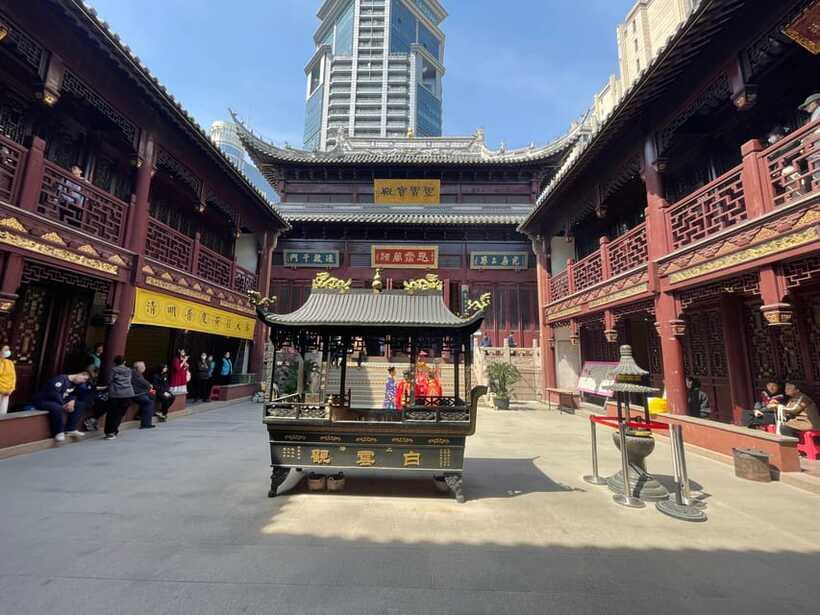
Next up is the City God Temple of Shanghai. This stop is built around street food, with about 30 minutes allocated for tasting.
This is where your guide really earns their keep. A good guide helps you sample things that work well together, without overwhelming you. You’ll try snacks from the bazaar environment, and your guide picks what’s best to taste for the group.
You can expect street-food style bites such as soup dumpling and stick rice rolls based on the tour’s tasting focus. The exact items may vary, but the goal stays consistent: you get a taste of local flavors in the neighborhoods where people actually eat, not just in tourist rows.
Street-food stops can move fast, so pace yourself. Take small bites, sip water between tastes, and don’t be shy about asking your guide what each snack is. When you understand what you’re eating, it stops being random and becomes part of your Shanghai story.
Also, if you have dietary restrictions, you’ll want to tell your guide before you start tasting. The tour is short, so it’s not the easiest place to wait around for special options.
Traditional village tea ceremony: balancing sweets with calm
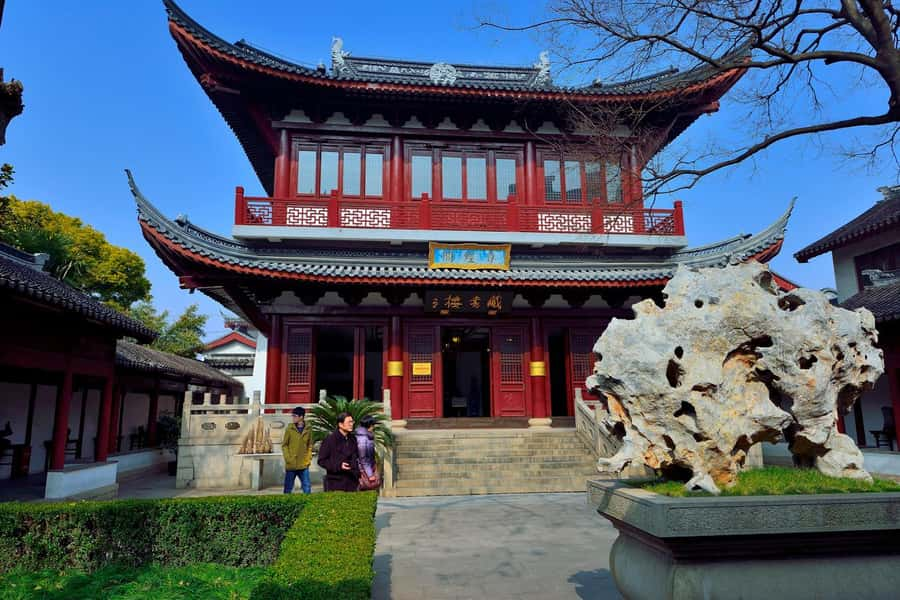
The last act is a traditional village style tea ceremony, with about 30 minutes of tea and tasting.
After temples and snacks, tea feels like the clean finish line. It’s not just drinking. You learn how tea is served and what to pay attention to as flavors develop. The idea is simple: calm your senses after the salty, savory bites.
Tea ceremonies are one of those cultural experiences that can either feel stiff or feel useful, depending on the guide. People who’ve joined this tour have noted that the tea instruction can be quite specific, including how each tea is prepared and tasted. That kind of detail makes the ceremony more memorable than a generic tea pour.
If you’re worried about feeling too full from the food stops, tea can help you reset your palate. You’ll still be warm, but the flavors start to feel organized instead of chaotic.
Food tasting choices: what you’re most likely to try
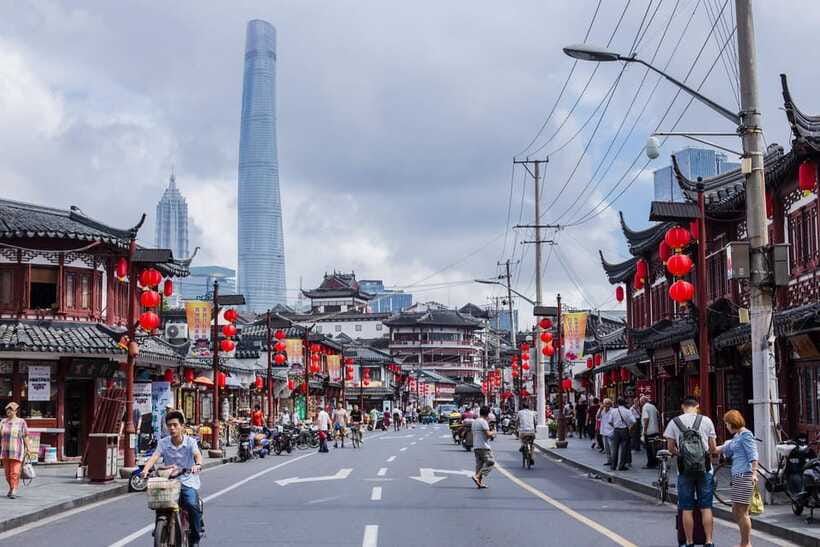
Food is a major reason people sign up for this kind of tour, and this one builds that into the timeline. Instead of dumping snacks on you randomly, the route is set up so tastings land in logical places: after garden time, near temple street life, and then tea to round it out.
Based on the tour’s tasting focus, you’ll likely encounter items in these categories:
- Soup dumpling style bites (a classic Shanghai choice)
- Stick rice rolls or similar hand-held snacks
- Street snack and dim sum type flavors found in the bazaar area
The best strategy for you is to treat each tasting like a mini lesson. Ask how it’s made and what texture to expect. Your guide’s job is to help you choose, so let them steer.
And if you’re traveling with picky eaters, this tour might still work, but you’ll want to coordinate expectations. It’s tasting-focused, so the day is built around trying multiple small bites rather than one safe meal.
Price and value: is $78 for 3 hours worth it
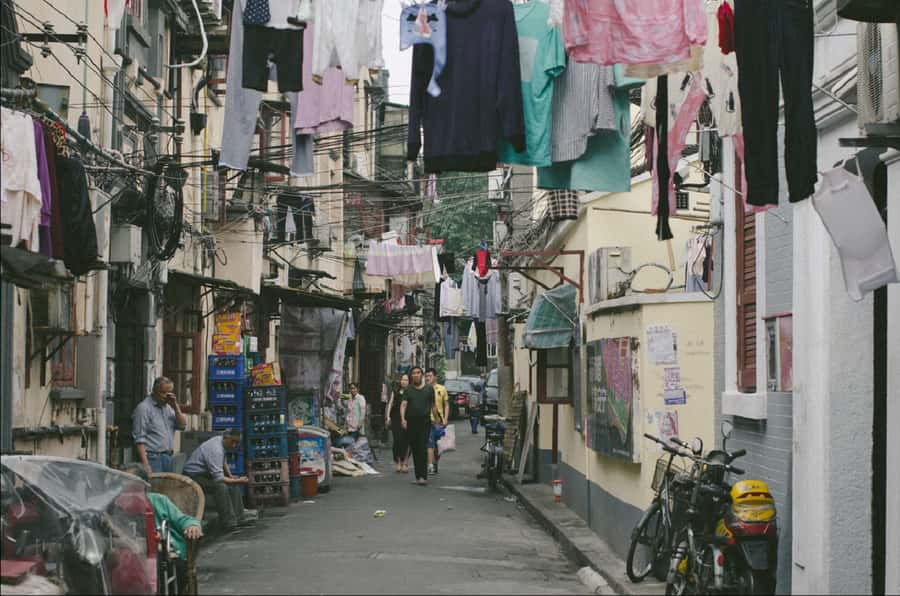
At $78 per person for a 3-hour small-group walk, this tour sits in the midrange for curated experiences. The question is what you get for that time, and the answer is pretty practical.
You’re paying for:
- Guided time that connects temples, old city streets, Yu Garden, and street food
- Entrance tickets for 2 temples
- Food tasting
- Tea ceremony
Because it includes temple entry and food, you’re not just buying a guide and a route. You’re buying a tight plan that replaces guesswork. In older city areas, it’s easy to wander for an hour and still feel like you didn’t learn much. Here, the structure makes learning feel natural.
The small group limit (max 8) is also part of the value. If you hate being herded or shouted over, this group size improves everything. You’re more likely to have real conversation, especially if you’re the type who likes to ask what things mean.
What the guided approach really changes for you
A big theme here is interpretation. Shanghai Old City can look like a maze of lanes and landmarks, especially if it’s your first time. With a guide, you’re not just seeing places. You’re getting the story in the right order.
That’s where the guide personalities have mattered. People have described guides like Cindy offering strong history context, and Aries combining knowledgeable explanations with careful attention to the group. Even if you get a different guide, the tour’s design aims for that same balance: history you can understand, plus food and etiquette that keep the experience human.
You also learn how to move through places like temples respectfully. For many visitors, that’s the difference between feeling like an observer and feeling like a temporary guest.
One more benefit: because the tour ends with tea, you get a natural stopping point. You’re not wandering hungry and overheated at the finish line.
Who should book this Shanghai Old City walk
This tour is a strong fit if you:
- Want Old Town Shanghai without spending your day planning
- Like history that shows up in daily spaces, not just museums
- Enjoy food tasting as part of sightseeing
- Prefer a small group pace instead of a crowd shuffle
You might choose something else if you:
- Have limited walking tolerance, because 3 hours includes several connected stops
- Want an unstructured, browse-at-your-own-speed day
- Are uncomfortable tasting multiple street snacks
Should you book? My take
If you want a simple way to experience Shanghai’s older side, I’d book this. The combination of temples, Yu Garden, street food, and a tea ceremony is exactly the kind of “you learn while you wander” plan that makes a short visit feel complete.
It’s also priced in a way that makes sense for what’s included. At $78, you’re not just paying for a walk. You’re getting temple entry, guided tastings, and a cultural finish that helps the day land smoothly.
If your calendar is tight and you want maximum flavor per hour, this is a solid choice. Just go in with the mindset of tasting, asking questions, and walking. That’s where the tour earns its score.
FAQ
How long is the tour?
The tour lasts 3 hours.
What is the price per person?
The price is $78 per person.
How big is the group?
The tour is a small group with a maximum of 8 participants.
What languages are the live guides?
The live tour guide offers English and Chinese.
What does the tour include?
It includes entrance tickets for 2 temples, food tasting, and a traditional tea ceremony.
Where do I meet the tour?
Meet in the corner between Shouning Rd and South XiZang Rd, in front of Riverdale Residence.
What stops are included during the 3 hours?
You’ll visit the ancient city wall area, temples related to Buddhism and Taoism, Yu Garden, the City God Temple area, and a traditional village tea ceremony stop.
Latest reviews from Shanghai
- Shanghai Coffee & Breakfast Tour★ 5.0 · 5 reviews
- All Inclusive Private Shanghai City Highlight Tour★ 5.0 · 5 reviews
- Private Tour of Shanghai Highlights and Zhujiajiao Water Town in One Day★ 5.0 · 5 reviews
- Private Street Food Walking Tour with Shanghai Tower Option★ 5.0 · 5 reviews
- 2.5hrs Chinese Kitchen Cooking Class: Art Steamed Dumplings★ 4.5 · 5 reviews
- Shanghai to Beijing Bullet Train Ticket with Hongqiao Station Transfer★ 5.0 · 5 reviews
- Hangzhou Private Day Trip by Bullet Train from Shanghai★ 4.5 · 5 reviews
- Shanghai Era Theatre Acrobatics Show Ticket★ 5.0 · 5 reviews
City Tours, compared.
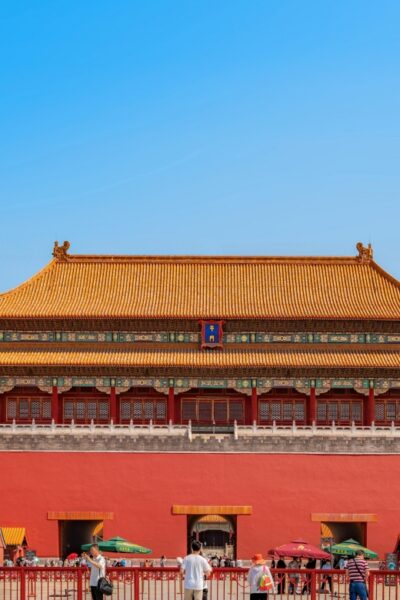
Forbidden City Tour(Group/Private)-Tickets Included
Read our review →
T-Square & Forbidden City Group or Private Tour
Read our review →
All-Inclusive Tour: Tiananmen Square, Forbidden City, Great Wall
Read our review →
Tian’anmen Square & Forbidden City W Optional Tours
Read our review →
4-Hour Small Group Tour to Forbidden City with Entry Tickets
Read our review →
Beijing Full Day Tours: Tiananmen Sq, Forbidden City, Great Wall
Read our review →
Mini Group Xian Day Tour to Terracotta Army, City Wall, Pagoda and Muslim Bazaar
Read our review →